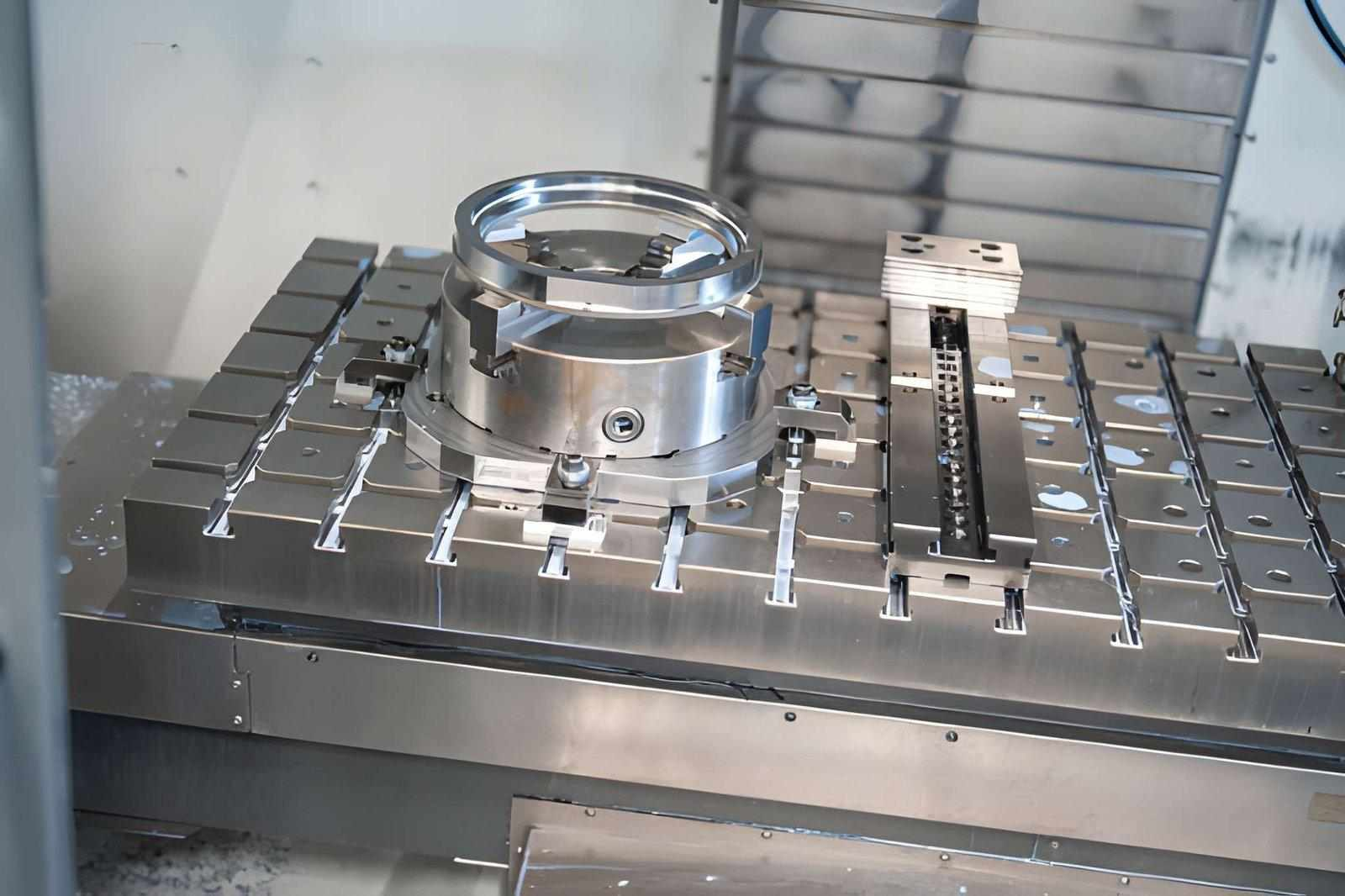


The spindle is the power auxiliary device of the CNC machine tool, which is used to drive the rotation of the work table. The spindle is an important guarantee for the finishing of CNC machine tools. The maintenance method of the spindle must be mastered by CNC machine tool operators and maintenance personnel. In CNC machining, some failures of the spindle are inevitable.
Common faults are as follows:
The overload of the machine tool is due to the excessive cutting amount and frequent forward and reverse rotation of the machine tool during operation, which leads to the failure of the spindle motor and the drive device.
The reason why the spindle does not rotate is the failure of the spindle drive, and the output speed signal of the numerical control device cannot cause the failure of the spindle motor and the drive device.
Spindle speed deviation means that there is a problem with the speed command output by the index control system, and the speed measuring device is faulty, resulting in the disconnection of the feedback signal.
CNC spindle failure reasons:
The main shaft components are damaged, the bolts between the headstock and the bed are loose, the transmission belt is loose, the oil pump is not turned correctly, the oil pipe is blocked, the hydraulic valve is damaged, the electrical components are damaged, and the control system has no detection signal.
Summarize:
When repairing CNC machine tools, the causes of failure are complex. First, list the possible causes of failure, and formulate feasible troubleshooting plans based on primary and secondary. After determining the general fault location, you can start maintenance. The spindle failure of CNC machine tools is relatively common. As long as you master the mechanical structure of the spindle, analyze and find out the cause of the failure, repair and eliminate the failure, and finally restore the spindle to the normal operation of the machine tool.