
1. Analysis of workpiece drawings:
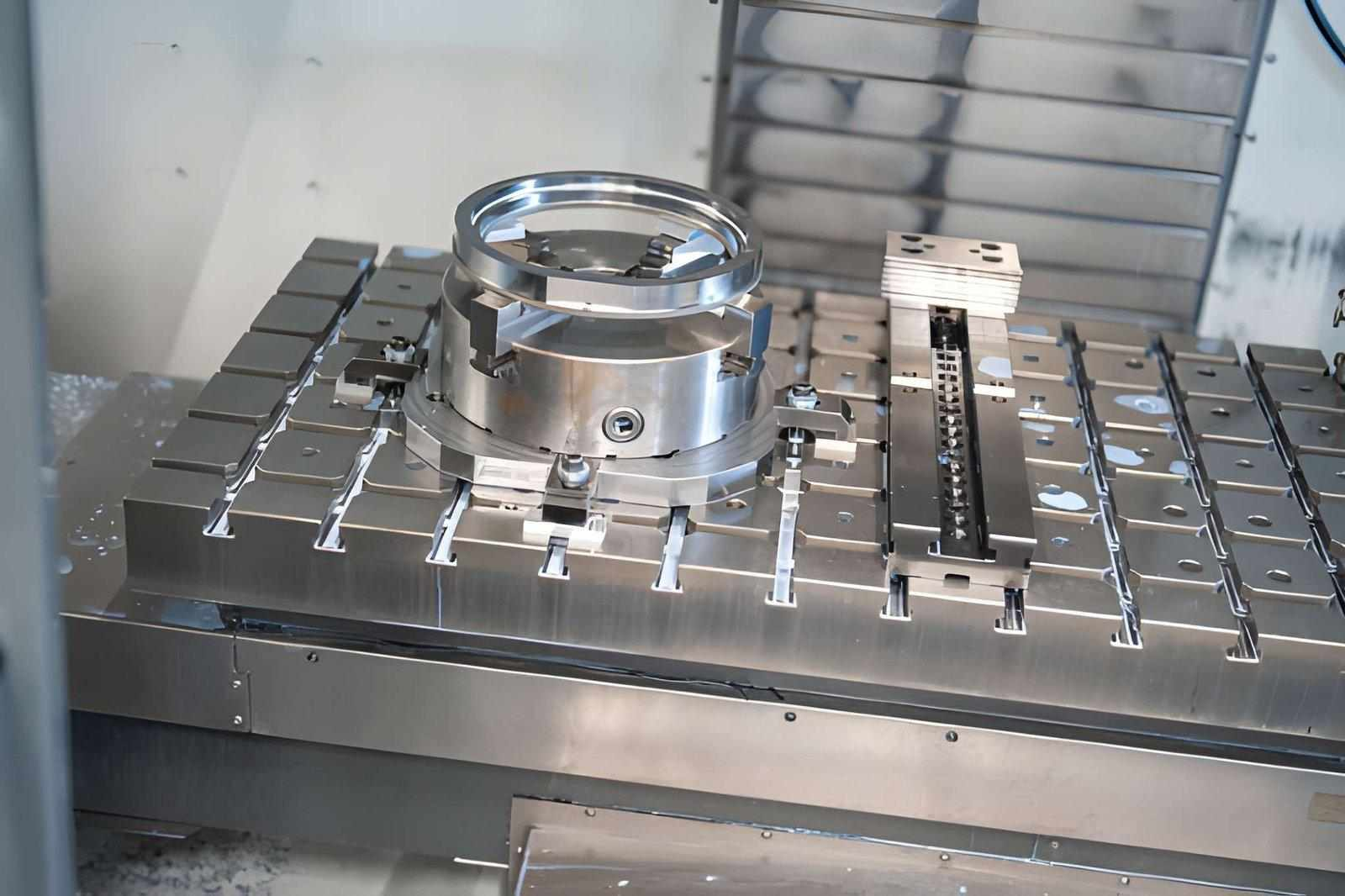
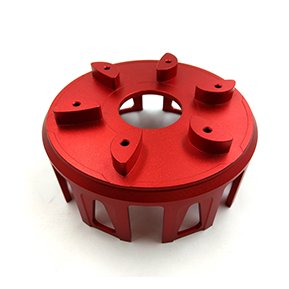
According to the part drawings, analyze the shape features, dimensions, precision requirements, raw material size specifications, mechanical properties, etc. At the same time, combined with the existing processing equipment specifications and mass production factors, the part process is analyzed.
2. Select the machining blank:
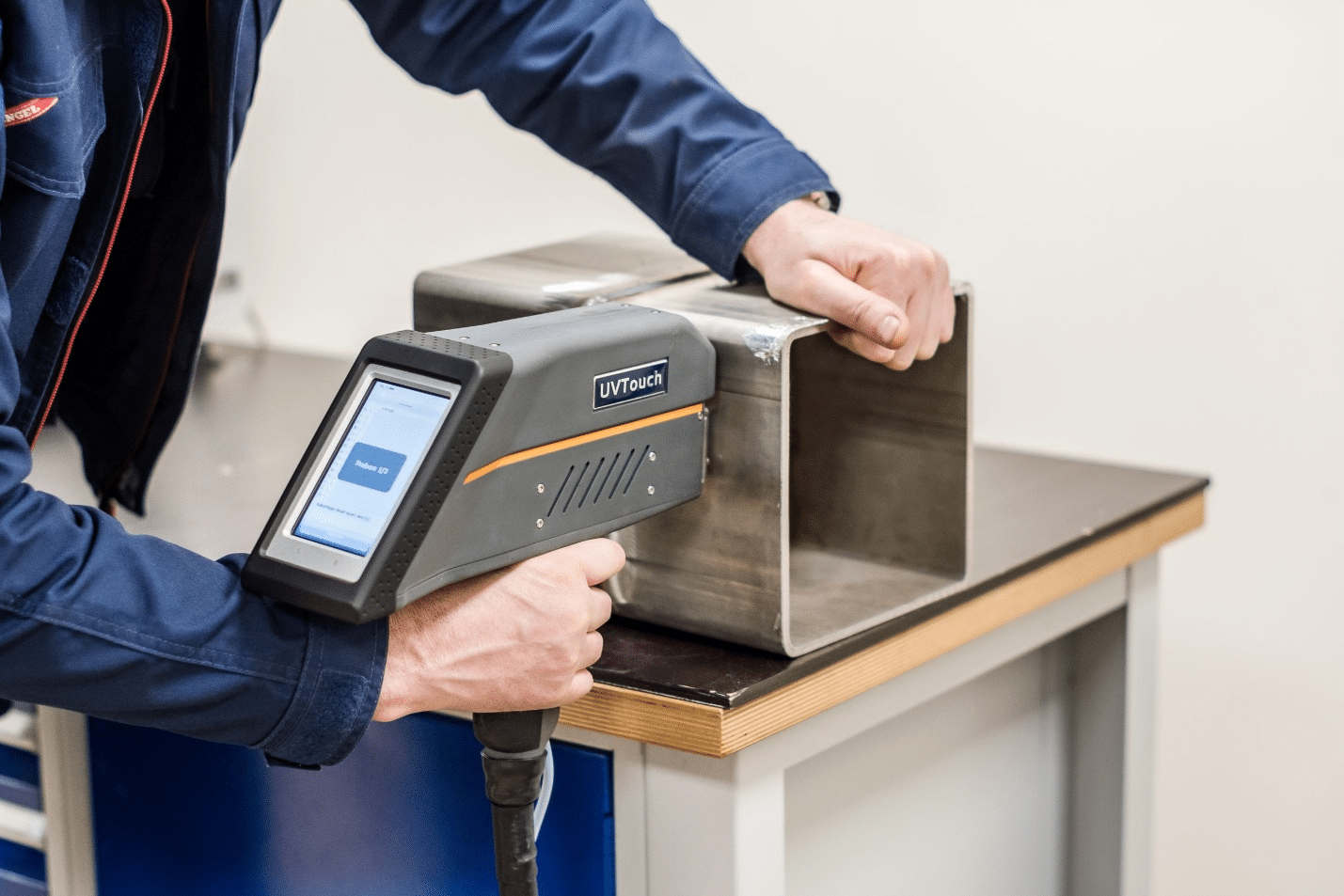
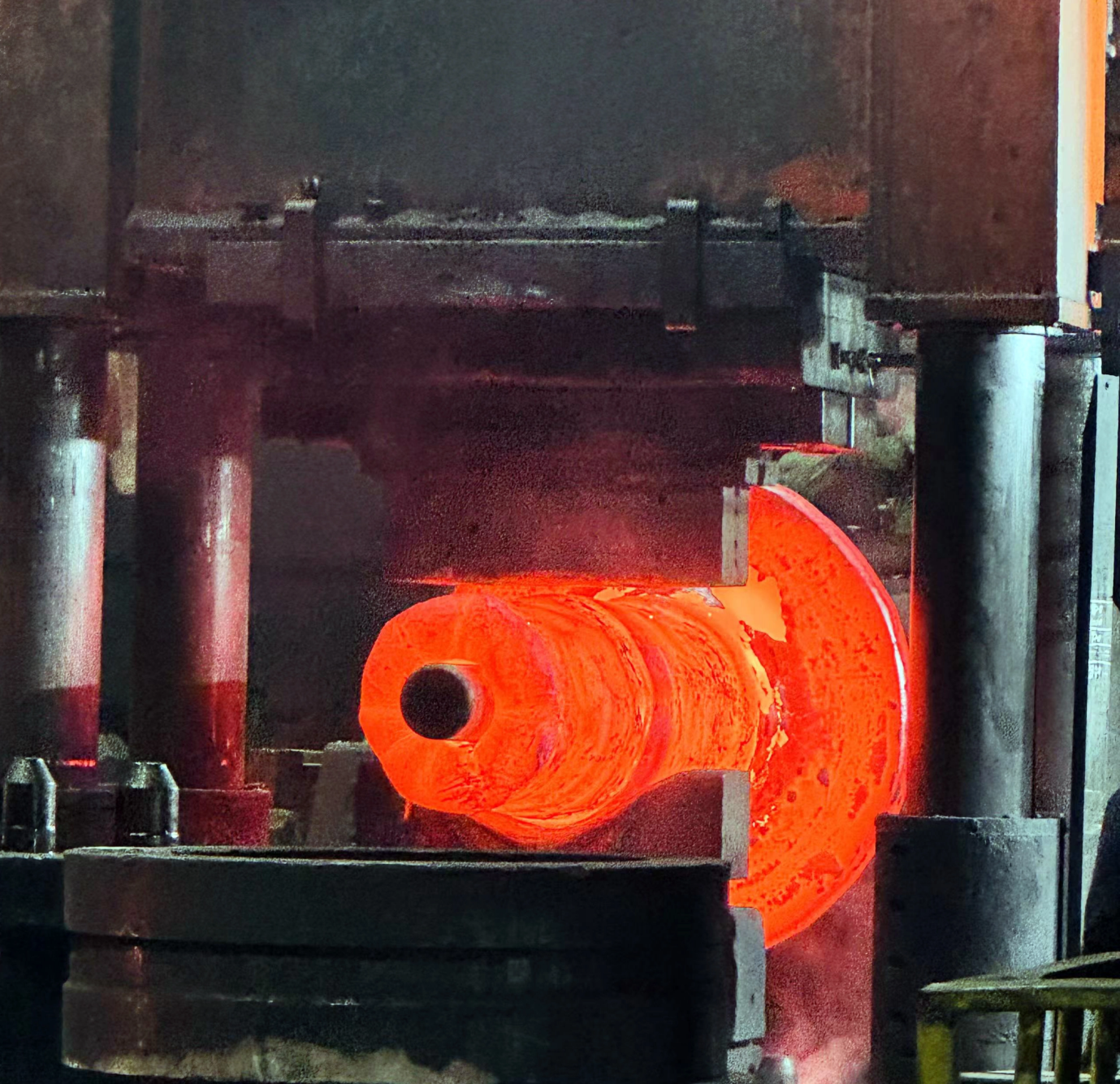
The characteristics of hardware raw materials directly determine the quality of the finished product. Therefore, the blanks must undergo strict performance tests before production, including strength, yield point, tensile strength, elongation, reduction rate, hardness, impact toughness, etc.
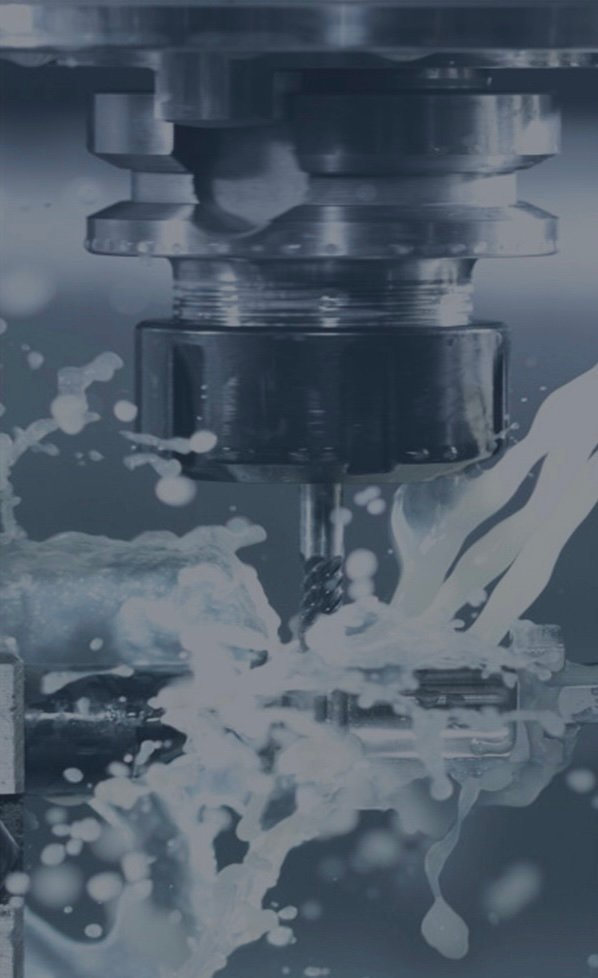
3. Selection of high-precision cutting oil:
Cutting oil is the key to metal cutting. Cold, extreme pressure wear resistance makes the accuracy of the workpiece a qualitative leap. Depending on the workpiece material, the emphasis on the performance of the cutting oil is different when selecting the cutting oil. In general, the cutting process should be determined according to the processing difficulty, oil supply method, and degreasing conditions.
4. Rough machining of the workpiece:
Most of the machining allowance is cut from the blank to make its shape and size close to the requirements of the finished product, which is the rough machining process. The machining accuracy is low and the surface roughness value is large. Typically used for finishing with less demanding or mismatched surfaces, pre-processing is also possible.
5. Precise cutting of the workpiece:
The machining process that removes less machining allowance from the roughing surface and makes the workpiece achieve higher machining accuracy and surface quality is the finishing process. If there are no particularly high requirements for the workpiece surface, finishing is usually used as the final machining.
6. Workpiece finishing process:
The surface of the finished workpiece is cut to produce a very small machining allowance, so as to obtain higher machining accuracy and smaller surface roughness. The methods of grinding, honing, superfinishing and polishing are finishing processes.
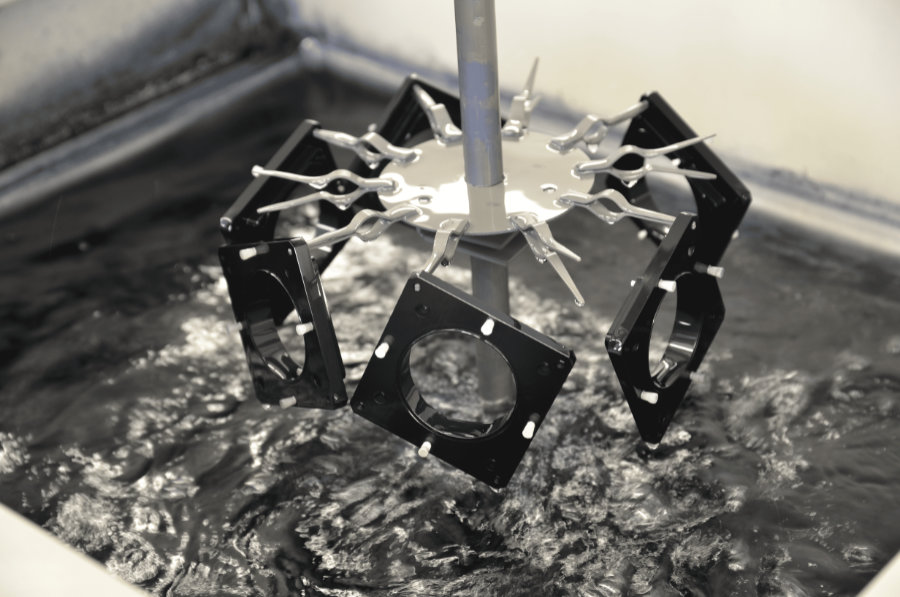
7. The heat treatment process of the workpiece:
In the mechanical manufacturing process, the heat treatment of the workpiece is an important process. Usually, heat treatment can enhance or improve the chemical composition of the workpiece by changing the microstructure inside the workpiece or changing the chemical composition of the surface, so that the workpiece has properties. Its characteristic is to improve the intrinsic quality of the workpiece.