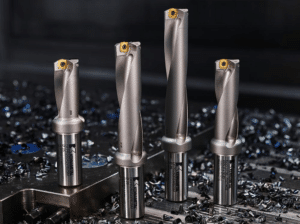
Types of CNC Drill Bits: Uses, Benefits & How to Choose the Best
Types of CNC Drill Bits: Uses, Benefits & How to Choose the Best A drilled hole may meet its nominal diameter yet still fail inspection

Types of CNC Drill Bits: Uses, Benefits & How to Choose the Best A drilled hole may meet its nominal diameter yet still fail inspection
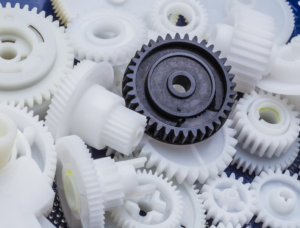
Vesconite vs UHMWPE vs POM vs PEEK: How to Choose Materials for Wear-Resistant Components Wear-resistant components need materials that can handle friction, pressure, and repeated
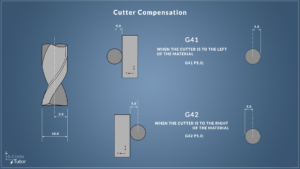
CNC Tool Nose Radius Compensation: G-Code Examples and Common Mistakes CNC tool nose radius compensation helps maintain dimensional accuracy and surface quality when turning parts
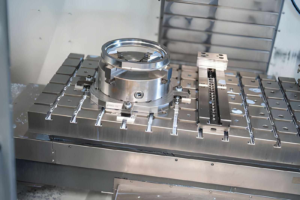
How to Prevent Deformation When Machining Large, Thin-Walled Workpieces Preventing deformation when machining large, thin-walled workpieces requires careful control of cutting forces, heat, residual stresses,
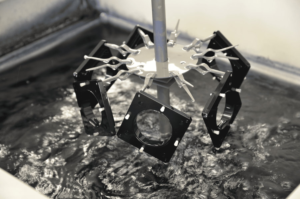
Electroplating vs. Anodizing: Choosing the Right Finish for Metal Parts Electroplating and anodizing can both improve a metal part, but they create fundamentally different surfaces.
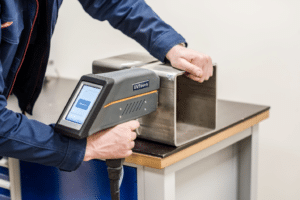
How Spectrometers Help Verify Metal Composition Before Machining Before metal enters a machining process, manufacturers need to confirm that it is the correct alloy and
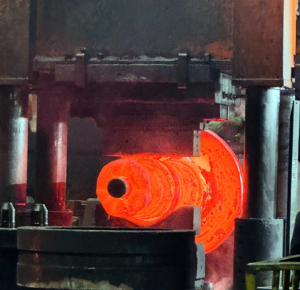
Forging vs. Machining for Large Custom Titanium and 316 Stainless Steel Parts For a large titanium or 316 stainless steel component, the manufacturing decision is
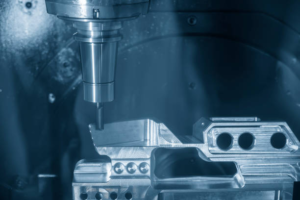
he best milling strategy is determined by force control, not habit. Climb milling and conventional milling are both useful when applied to the right machine, material, setup, and feature.
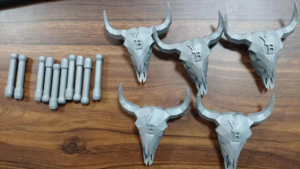
Small-Batch Titanium Parts: When to Use Metal 3D Printing vs. CNC Machining For small-batch titanium parts, quantity alone does not determine the right manufacturing process.
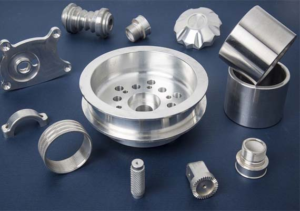
The best finish for CNC aluminum parts is determined by surface function, not appearance alone. Anodizing and powder coating solve different engineering problems, and each can fail if selected for the wrong reason.
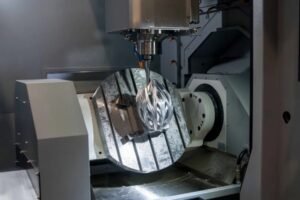
Why Is 5-Axis CNC Machining Particularly Suitable for Complex Parts? Machining complex parts can be challenging when the geometry includes multiple angles, curved surfaces, deep

The best CNC designs are not always the simplest designs. They are designs where each feature has a functional reason, a practical machining path, and a reliable inspection method.