
Thermoplastic acrylic, usually called PMMA, is one of the most widely used transparent plastics in modern manufacturing. It is valued for its clarity, light weight, weather resistance, and clean appearance. In many products, PMMA serves as a practical alternative to glass because it delivers strong optical performance without the weight and fragility that come with traditional glass panels.
PMMA stands for polymethyl methacrylate, a synthetic polymer made from methyl methacrylate. While the full chemical name sounds technical, the material itself is familiar. It appears in clear machine guards, retail displays, skylights, medical enclosures, automotive lenses, and protective covers. It is also known by well-known trade names such as Plexiglas, Lucite, and Perspex.
This material matters in product design because it sits at the intersection of function and appearance. Engineers use it when they need transparency, stable outdoor performance, and easier fabrication than glass. Manufacturers use it because it can be cut, machined, polished, formed, and finished into a wide range of shapes. Designers choose it because it looks clean, modern, and precise.
As CNC machining, laser cutting, and thermoforming have become more common in custom manufacturing, PMMA has become even more useful. It can support both prototyping and production work, especially when a part needs optical clarity, visual appeal, or controlled light transmission. Understanding how PMMA works helps buyers, engineers, and product teams decide when acrylic is the right material and when another option may be better.
What Is Thermoplastic Acrylic (PMMA)?
Acrylic is a thermoplastic polymer, which means it softens when heated and hardens again when cooled. That behavior allows the material to be shaped and reshaped using heat-based processes such as thermoforming, while still being suitable for subtractive methods like CNC machining and laser cutting.
PMMA is made from methyl methacrylate monomer, which is polymerized into long molecular chains to form a rigid, transparent plastic. The result is a material that resembles glass in appearance but behaves very differently in handling and fabrication. It is lighter than glass, easier to machine, and generally more impact-resistant in many everyday applications, though it is not as tough as polycarbonate.
One of the reasons PMMA is so widely recognized is that it has been marketed under multiple trade names for decades. Plexiglas, Lucite, and Perspex all refer to acrylic materials within this family. These names may differ by manufacturer or region, but they are associated with the same basic material type.
In practical terms, acrylic is often selected when a designer wants a material that is:
- Clear or translucent
- Lightweight
- Visually clean
- Weather resistant
- Easier to fabricate than glass
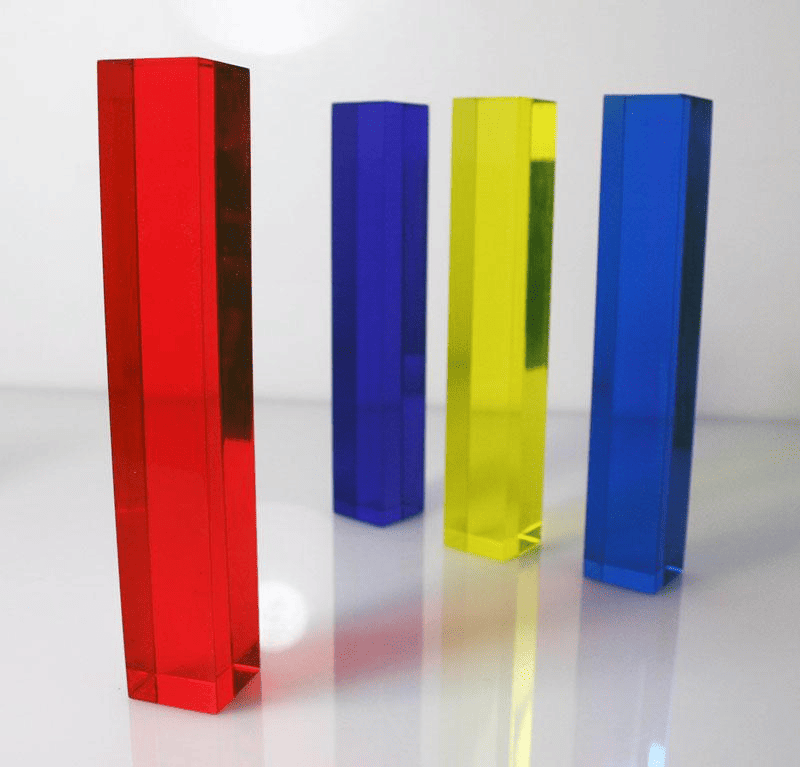
That combination has made PMMA a standard choice in many industries. It can be polished to a high-gloss surface, tinted in different colors, cast into thick sections, or extruded into sheet stock for downstream cutting and machining. It also performs well in applications where appearance matters as much as function, such as display systems, consumer products, light covers, and architectural panels.
PMMA is not a universal replacement for glass or polycarbonate. It has its own strengths and limitations. But when clarity, cost control, and manufacturability matter, it remains one of the most practical transparent plastics available.
Key Properties of PMMA
PMMA is popular because its core properties support both product performance and production efficiency.
Optical Clarity
One of the most important advantages of acrylic is its light transmission. PMMA can transmit about 92% of visible light, which is higher than many other transparent plastics and even higher than standard window glass in some cases. That makes it useful in applications where visual clarity matters, such as covers, shields, lenses, displays, and viewing panels.
Lightweight Nature
Acrylic is much lighter than glass. This makes it easier to transport, handle, and install. Weight reduction can also matter in transportation products, consumer equipment, and large fabricated assemblies where heavy materials increase shipping and mounting difficulty.
UV and Weather Resistance
Unlike many plastics that yellow or degrade outdoors, PMMA has strong UV stability. It holds its appearance well in sunlight and resists many forms of weather-related deterioration. That is one reason it is used in outdoor signage, skylights, greenhouse panels, and exterior display applications.
Surface Finish and Appearance
PMMA has a naturally glossy, smooth appearance. It can also be polished after machining to restore transparency and improve cosmetic quality. This makes it especially useful for products where appearance affects perceived value.
Impact Resistance
Acrylic is more impact-resistant than glass, which is why it is often used as a safer transparent alternative. That said, it is not the toughest clear plastic on the market. Polycarbonate is generally stronger in high-impact conditions. PMMA provides a useful middle ground between clarity, stiffness, and reasonable toughness.
Machinability and Formability
PMMA can be cut, drilled, milled, engraved, polished, bonded, and thermoformed. That flexibility is important in manufacturing because it allows the same material to work across different processes and design requirements. For CNC shops, this is a major advantage when producing custom parts, covers, housings, and prototypes.
Property Values
| Property | Typical Value for PMMA |
| Light Transmission | Up to 92% |
| Density | About 1.18 g/cm³ |
| Glass Transition Temperature | About 105°C |
| UV Resistance | Excellent |
| Impact Strength | Higher than glass |
| Electrical Insulation | Excellent |
These values can vary by grade, additives, and production method, but they provide a useful baseline when comparing PMMA to glass and other plastics.
History of Acrylic
The history of acrylic began in the nineteenth century, when chemists first identified the compounds that would later become the foundation of acrylic plastics. Over time, researchers learned how to polymerize methyl methacrylate into a solid, transparent material. By the early twentieth century, chemistry had advanced enough to support commercial development.
PMMA became commercially important in the 1930s, when manufacturers introduced it under brand names such as Plexiglas and Perspex. This was a major turning point because the industry suddenly had access to a transparent plastic that was lighter and safer than glass in many situations.
One of the most important early real-world examples came during World War II, when acrylic was used in aircraft canopies, windows, and gun turrets. These parts required clear visibility, reduced weight, and better shatter resistance than traditional glass could provide. PMMA helped meet those needs and proved that transparent plastics could play a serious role in engineering applications, not just decorative ones.

After the war, acrylic use expanded quickly. It became common in:
- Illuminated signs
- Display cases
- Automotive light covers
- Marine windows
- Aquariums
- Architectural glazing
- Instrument panels
- Consumer product housings
That expansion happened because PMMA did more than replace glass. It opened up design options that were difficult or expensive with brittle mineral-based materials. Thick acrylic sheets could be machined and bonded into large aquariums. Curved panels could be thermoformed. Outdoor signs could lose their appearance over time.
Today, PMMA remains an important engineering and design material because it combines a long track record with modern manufacturing flexibility.
How Acrylic Is Made
Acrylic is made through a chemical process called polymerization, in which small methyl methacrylate molecules join together to form solid PMMA. Although the chemistry is controlled at the industrial level, the end result can be produced in more than one form, depending on how the material will be used.
The two most common forms are cast acrylic and extruded acrylic. Both start from the same basic chemical family, but they differ in how they are processed and in some of their practical performance characteristics.
Cast Acrylic
Cast acrylic is made by pouring a liquid methyl methacrylate mixture into a mold or cell, then curing it until it becomes solid.
Process overview
The manufacturing process usually begins with a liquid monomer mixture combined with initiators or catalysts. That mixture is poured into molds, often between glass plates, to create sheets or shaped forms. Heat or UV exposure triggers polymerization, causing the material to harden into PMMA. Once cured, the acrylic is removed, cooled, cut, and finished.
Main advantages
Cast acrylic is typically associated with:
- Better optical quality
- Improved surface finish
- Good thickness consistency in specialty formats
- Stronger chemical resistance in some applications
- Good performance in machining and polishing
Because of these benefits, cast acrylic is often chosen for higher-end or more specialized applications.
Typical applications
Real uses of cast acrylic include:
- Museum display panels
- Aquariums
- Optical components
- Premium point-of-sale displays
- Thick transparent blocks for machining
Large custom aquariums are one of the clearest examples. Acrylic panels allow thick transparent walls that can be machined and bonded in ways that would be far more difficult with standard glass.
Extruded Acrylic
Extruded acrylic is produced by melting PMMA material and forcing it through a die to create continuous sheets.
Process overview
In this method, PMMA pellets are heated until molten, then pushed through an extrusion die. The sheet passes through rollers that control thickness and surface quality, then cools and is cut to size. This process is efficient and well-suited to higher-volume sheet production.
Main advantages
Extruded acrylic is often preferred for:
- Lower cost
- Efficient sheet production
- More consistent standard sheet output
- Easier availability in common sizes
Typical applications
Real uses of extruded acrylic include:
- General-purpose signage
- Sneeze guards
- Protective partitions
- Machine covers
- Clear display windows
- Low-to-mid cost fabricated panels
Many clear shields used in public counters, offices, and industrial settings are made from extruded acrylic sheets because it balances clarity and affordability.
How PMMA Is Fabricated for Parts
Acrylic can be turned into finished parts using several fabrication methods. That is one of the reasons it remains so useful in manufacturing.
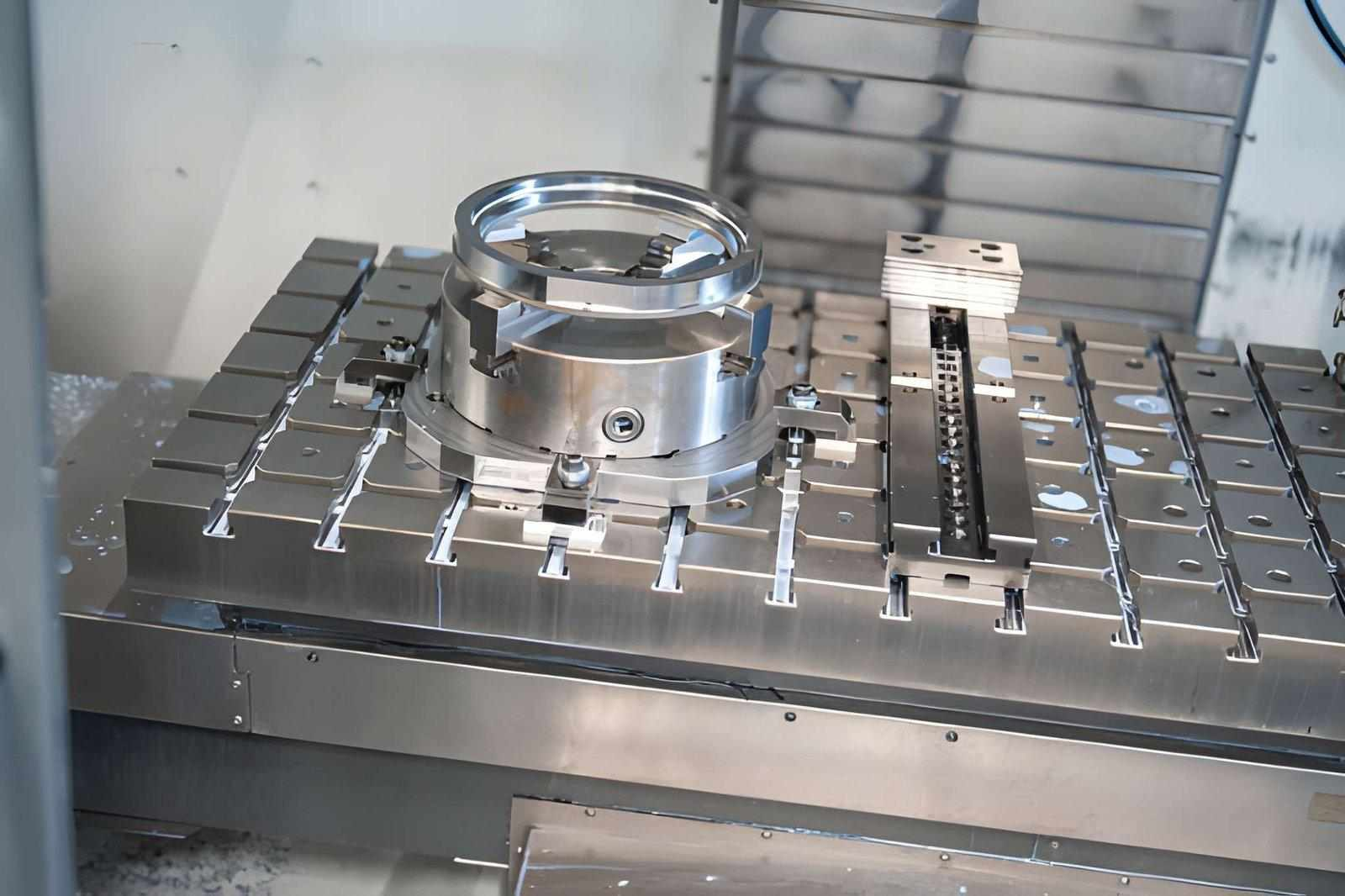
CNC machining
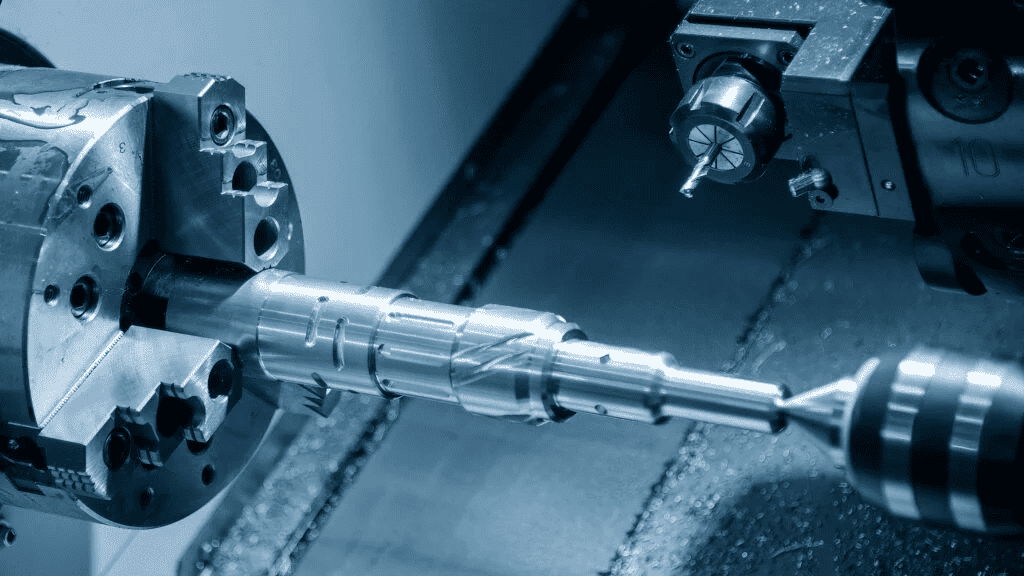
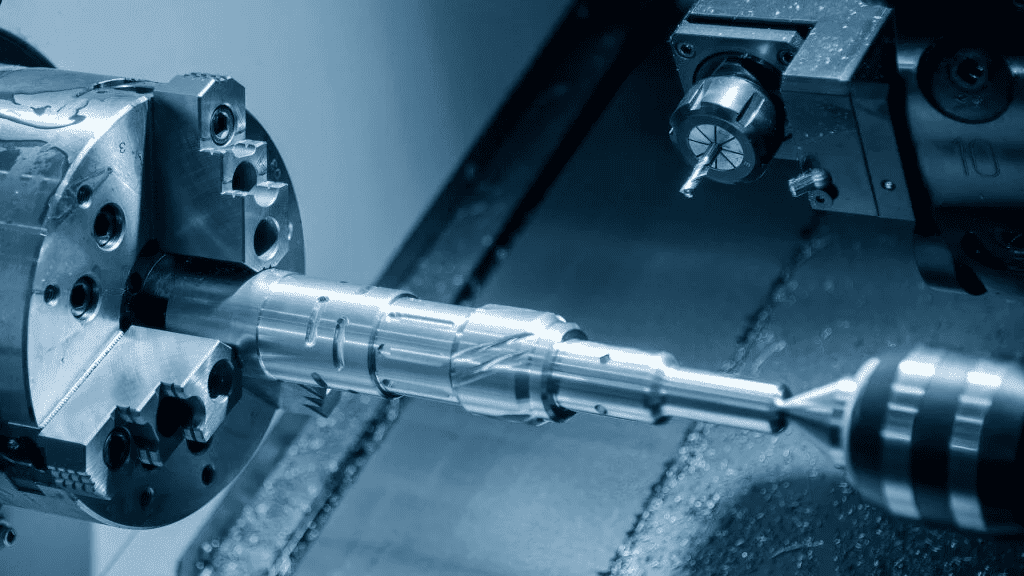
PMMA can be CNC milled, drilled, routed, and engraved. This is important for custom parts that need accurate dimensions, clean edges, or shaped pockets and holes. CNC machining is often used when a part starts from flat or thick stock and needs detailed features such as mounting holes, contours, recesses, slots, or polished edges.
Machining acrylic requires careful control because the material can crack, chip, melt, or show stress marks if feeds, speeds, tooling, or clamping are poorly chosen. With the right setup, however, CNC machining can produce very clean PMMA parts.
Laser cutting
Laser cutting is widely used for acrylic sheet because it can create smooth, polished-looking edges and highly accurate profiles. This makes it ideal for signs, front panels, branded inserts, covers, and decorative components.
Thermoforming
Because PMMA is a thermoplastic, it can be heated and formed over molds. Thermoforming is useful for curved windows, shaped covers, trays, and transparent housings. In product design, this opens the door to forms that would be difficult to machine economically from thick blocks.
Polishing and finishing
Acrylic parts are often flame polished, buffed, or mechanically polished after cutting or machining. This step restores visual quality and helps maximize clarity. Bonding, printing, and coating may also be used depending on the final application.
Real Applications of Acrylic
PMMA is used in many industries because it balances appearance, fabrication ease, and practical performance.
Medical devices
Acrylic is used in medical and laboratory equipment where visibility matters. Clear panels, guards, housings, and covers are common examples. A well-known real-world example is the use of transparent acrylic panels in NICU bassinets and protective hospital enclosures, where visibility and cleanability are both important.
Automotive lighting
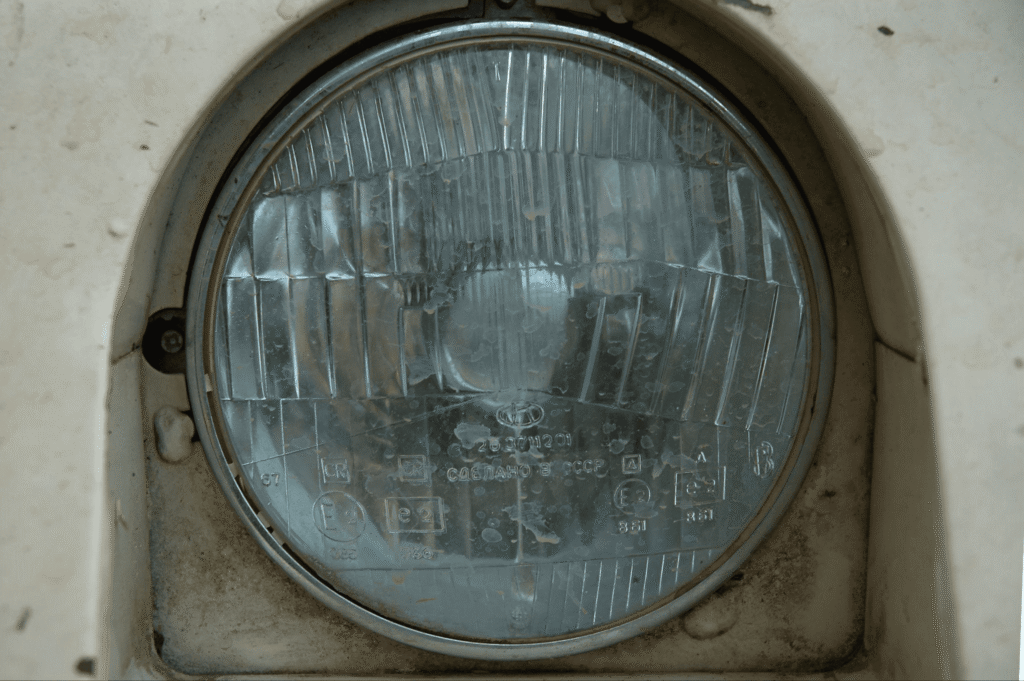
PMMA is widely used in headlight lenses, taillight covers, and light guides. Automotive lighting systems require transparency, weather resistance, and the ability to form precise shapes. Acrylic performs well in these applications, especially where visual clarity and surface quality are important.
Electronics covers and screens
Acrylic appears in consumer and industrial electronics as protective windows, light diffusers, covers, and display surfaces. It is useful when a product needs a glossy, precise-looking front surface.
Retail displays
PMMA is a standard material for retail fixtures, cosmetic displays, menu holders, and branded product stands. A real and familiar example is the widespread use of acrylic in high-end retail display systems, where clean edges and optical clarity help products stand out.
Aerospace transparencies
Acrylic has long been used for aircraft windows and canopies. This is one of the strongest real examples because it reflects PMMA’s historical importance. The material helped improve visibility and reduce weight in aviation structures.
Architecture and construction
Acrylic is used in skylights, glazing panels, privacy barriers, greenhouse panels, and decorative transparent elements. It works well where weather resistance and light transmission are needed.
Industry Applications
| Industry | Common Applications | Why PMMA Is Used |
| Medical | Product displays, signage, and holders | Clarity, clean appearance, easy fabrication |
| Automotive | Headlight lenses, taillight covers, light guides | Optical performance, weather resistance |
| Electronics | Display covers, indicator windows, housings | Glossy appearance, precision finishing |
| Retail | Lightweight, transparency | Clarity, visual appeal, easy shaping |
| Aerospace | Aircraft canopies, windows | Light weight, transparency |
| Construction | Skylights, glazing panels, barriers | UV resistance, durability, light transmission |
Acrylic vs Other Materials
Material selection is rarely about one property alone. PMMA is often compared with both polycarbonate and glass because all three can serve transparent applications, but they do not behave the same way.
Acrylic vs polycarbonate
Acrylic is usually chosen when clarity, surface appearance, and weather resistance matter most. Polycarbonate is usually chosen when high impact toughness is the top priority. Polycarbonate is harder to break, but it scratches more easily and does not naturally offer the same level of optical clarity as acrylic. In outdoor applications, polycarbonate often needs coating support to match the long-term weather performance that PMMA can provide more naturally.
Acrylic vs glass
Acrylic is much lighter than glass and easier to fabricate into custom shapes. It is also more impact-resistant in many standard use cases. Glass still performs better for hardness and scratch resistance, and it can handle higher heat without softening. But glass is heavier, more brittle, and far less forgiving in custom fabrication.
Comparison
| Feature | Acrylic | Polycarbonate | Glass |
| Light Transmission | Very high | High | High |
| Impact Resistance | Better than glass | Very high | Low |
| Scratch Resistance | Moderate | Lower | High |
| UV Resistance | Excellent | Moderate without coating | Good |
| Heat Resistance | Moderate | Higher | High |
| Cost | Moderate | Higher | Moderate to high |
| Ease of Fabrication | Excellent | Good | Poor |
Advantages of PMMA in Manufacturing
PMMA offers several manufacturing advantages that make it useful for both prototypes and production parts.
First, it has strong design flexibility. Sheets, blocks, rods, and formed shapes can all be produced and processed. Second, it delivers strong visual quality, which matters in consumer-facing or display-oriented products. Third, it is generally cost-effective compared with many specialty transparent materials.
It also supports a wide range of fabrication methods. A single design family may use CNC machining for prototypes, laser cutting for flat inserts, and thermoforming for larger curved parts. That process flexibility helps manufacturers control costs and adapt designs more easily.
For custom parts, PMMA is especially attractive because it allows a shop to produce clear components without the complexity of working with glass. That matters in machine windows, test fixtures, control covers, display housings, and custom-engineered panels.
Limitations of Acrylic
PMMA is useful, but it is not perfect. One limitation is scratch sensitivity. While acrylic looks clean and polished, its surface can scratch more easily than glass. Another limitation is moderate heat resistance. It performs well in many environments, but it is not the best choice for high-temperature exposure.
Acrylic can also be brittle under certain stress conditions, especially if parts are poorly designed, over-tightened, or machined without proper technique. Sharp internal corners, poor edge finishing, or high local stress can increase the risk of cracking.
These limitations do not make PMMA a weak material. They simply mean it should be selected for the right reasons and processed correctly.
FAQs
What is PMMA used for?
PMMA is used for clear covers, machine guards, retail displays, automotive lighting, medical panels, architectural glazing, and aerospace windows.
Is acrylic a plastic?
Yes. Acrylic is a synthetic thermoplastic polymer made primarily from methyl methacrylate.
Is acrylic better than glass?
It depends on the application. Acrylic is lighter and easier to fabricate, while glass is harder and more scratch-resistant.
Can acrylic be CNC machined?
Yes. Acrylic is widely CNC machined for custom parts, panels, fixtures, and precision transparent components.
What is the difference between acrylic and polycarbonate?
Acrylic offers better clarity and weather resistance, while polycarbonate offers greater impact toughness.
Can acrylic be used outdoors?
Yes. PMMA has excellent UV resistance and performs well in many outdoor applications.
What industries use PMMA?
PMMA is used in medical, automotive, aerospace, construction, electronics, and retail display applications.
Conclusion
Thermoplastic acrylic, or PMMA, remains one of the most practical transparent materials in manufacturing. It combines high clarity, light weight, strong weather resistance, and versatile fabrication options in a way that few materials can match at the same cost level. That is why it continues to be used in products ranging from NICU enclosures and automotive lenses to retail displays and aircraft transparencies.
Its value is not just in how it looks. PMMA is also important because it works well with modern manufacturing methods, including CNC machining, laser cutting, polishing, and thermoforming. That makes it useful for custom projects, prototypes, and finished production parts alike.
For product teams, engineers, and buyers, PMMA is a material worth understanding clearly. It is not the right choice for every application, especially where extreme heat or maximum impact toughness is needed. But when transparency, appearance, light weight, and manufacturability are the main priorities, acrylic remains one of the strongest options available.
For that reason, PMMA continues to hold an important place in modern product design and custom manufacturing, and it is likely to remain a standard material choice for years to come.