
The rapid growth of electric vehicles has increased the demand for high-performance components that can meet strict safety, thermal, and durability requirements. Battery systems, motor assemblies, and structural parts must operate reliably under continuous mechanical and thermal stress. As EV production scales globally, manufacturers are placing greater focus on precision manufacturing methods that support consistency, efficiency, and long-term reliability.
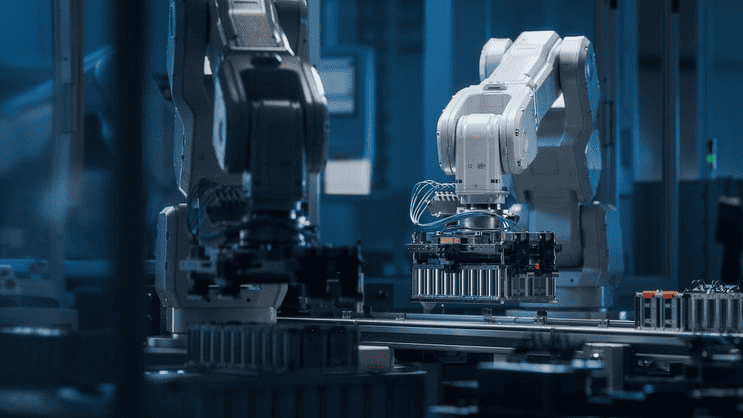
Electric Vehicle Manufacturing and CNC Machining
CNC machining plays a critical role in the production of EV and battery components because it provides the accuracy and repeatability required for complex automotive applications. From battery enclosures and cooling plates to motor mounts and structural brackets, CNC-machined parts help improve thermal management, assembly precision, and overall vehicle performance.
Key EV Components That Require CNC Machining
Electric vehicles rely on several precision-engineered parts where even small dimensional errors can affect safety or performance. CNC machining is widely used here because it can consistently produce complex geometries with tight tolerances across both prototypes and production volumes.
Some of the most critical CNC-machined EV components include:
- Battery housings and enclosures. These parts protect battery cells from moisture, dust, and mechanical impact. They also provide structural integrity for the entire battery pack. In many designs, aluminum enclosures are machined with highly accurate sealing surfaces to ensure proper insulation and environmental protection.
- Motor mounts and structural brackets. These components secure the electric motor and drivetrain system to the vehicle frame. Any deviation in alignment can introduce vibration or reduce efficiency, which makes machining precision essential.
- Cooling plates and heat sinks. These are used in battery thermal management systems to regulate operating temperature. Their internal channels and flat surfaces must be machined with high accuracy to ensure consistent thermal performance.
CNC machining is preferred in these applications because it offers strong repeatability and supports advanced materials used in EV systems. It also allows engineers to move quickly from design validation to production without compromising dimensional control.
A practical example can be seen in aluminum battery enclosures, where sealing surfaces must be machined to very fine tolerances. Even slight imperfections can lead to moisture ingress, which directly affects battery safety and lifespan.
Material Specifications for EV Components
Material selection is one of the most important factors in CNC machining for electric vehicles. Each component must balance weight, strength, conductivity, and resistance to heat or corrosion. As EV systems become more compact and power-dense, material performance directly affects both efficiency and safety.
Material choice is closely tied to performance requirements, particularly the trade-off between power output and energy density. Thermal stability and safety are significant selection criteria; for applications where the risk of ignition or thermal runaway must be minimized, safer but lower-energy-density materials are preferred over higher-performing alternatives that carry greater thermal risk. [1]
In practice, engineers typically evaluate materials based on functional requirements rather than cost alone. The most commonly used materials include:
- Aluminum alloys such as 6061 and 7075. These are widely used for battery housings and structural parts due to their lightweight nature and corrosion resistance. Aluminum also offers strong machinability, which makes it suitable for complex CNC operations. In EV battery enclosures, aluminum helps reduce overall vehicle weight while maintaining rigidity.
- Copper for thermal and electrical performance. Copper is often used in busbars and thermal interfaces because of its excellent conductivity. However, machining copper requires careful control due to its softness and tendency to deform under cutting forces.
- Stainless steel for structural durability. Stainless steel is selected for components that require high strength and resistance to mechanical stress. Motor mounts and fasteners often use stainless steel when rigidity is prioritized over weight reduction.
- Engineering plastics such as PEEK. High-performance polymers like PEEK are used for insulation and chemical resistance in battery systems. These materials are known for their thermal stability in harsh operating environments.
Material selection is rarely based on a single property. Instead, engineers consider multiple performance factors at the same time: weight reduction for improving vehicle range, thermal conductivity for battery cooling efficiency, structural strength for crash safety and vibration resistance, and corrosion resistance for long-term durability in varying environments.
A practical example is the use of aluminum in liquid cooling plates. These components require a balance between machinability and heat dissipation. Aluminum allows precise channel machining while still maintaining efficient thermal transfer, which is essential for maintaining stable battery temperatures during fast charging and high-load operation.
Thermal Management Requirements
Thermal control is one of the most critical engineering challenges in electric vehicle systems. Battery performance, safety, and lifespan are all highly sensitive to temperature fluctuations. Even small inefficiencies in heat dissipation can reduce energy efficiency or accelerate battery degradation.
Stable thermal conditions significantly improve lithium-ion battery cycle life and charging efficiency. As EV demand continues to grow, improving battery thermal management systems is becoming increasingly important. [2]
CNC machining contributes directly to thermal management by enabling accurate and repeatable production of cooling structures. In EV systems, this typically focuses on liquid cooling plates, heat sinks, and integrated thermal pathways.
Key areas where machining precision directly affects thermal performance include:
- Cooling channel geometry. Liquid cooling plates often contain internal microchannels that guide coolant flow. These channels must be machined with consistent dimensions to avoid uneven flow distribution. Even a slight variation can create hotspots within the battery pack.
- Surface flatness and contact efficiency. Thermal transfer depends heavily on surface contact between components. CNC machining ensures flat mating surfaces between battery modules and cooling plates, which improves heat transfer efficiency.
- Surface finish quality. A smoother machined surface reduces thermal resistance at contact interfaces. Research in the field consistently shows that improved surface finish enhances heat dissipation performance in metal-based cooling systems.
In practical EV manufacturing, liquid cooling plates are a clear example of how precision machining impacts system performance. These plates must maintain strict dimensional accuracy to ensure uniform coolant flow across the entire battery pack. If the flow is uneven, certain cells may operate at higher temperatures, which reduces both performance and safety margins.
Thermal control requirements are becoming even more demanding as fast-charging technology evolves. As charging speeds increase, so does heat generation, which places additional pressure on cooling system design and manufacturing accuracy.
Tight Tolerance and Precision Demands
Electric vehicle components operate in tightly integrated systems where every part must fit and function with high accuracy. CNC machining is essential in this context because it can consistently maintain micron-level precision across complex geometries. Even small deviations can affect assembly performance, thermal behavior, or mechanical stability.
Tolerance control is directly linked to reliability in high-performance automotive systems. EV applications amplify this requirement due to vibration loads, thermal cycling, and compact system design. [3]
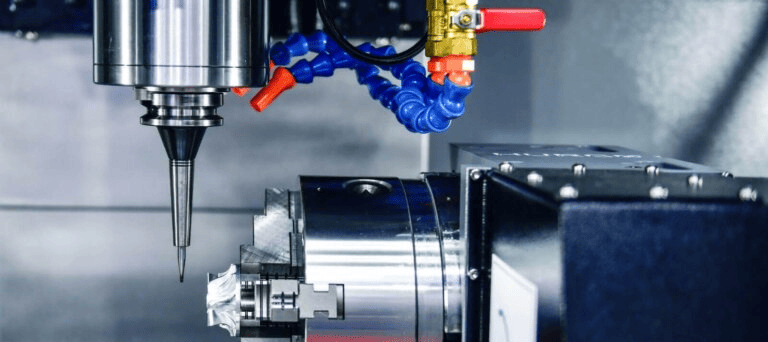
In practical manufacturing environments, precision is typically defined across several critical parameters:
- Dimensional tolerance control. Many EV components require tolerances in the range of ±0.01 mm or tighter. This level of accuracy ensures that parts align correctly during assembly, especially in battery modules and motor systems.
- Flatness and parallelism. Battery housings and cooling interfaces depend on uniform surface contact. Any deviation can reduce thermal efficiency or create mechanical stress points.
- Hole alignment and positional accuracy. Motor mounts and structural brackets rely on precise hole placement to ensure correct assembly alignment. Misalignment can introduce vibration or reduce drivetrain efficiency.
- Surface finish consistency. A controlled surface finish is important for both thermal and mechanical performance. In cooling systems, smoother surfaces improve contact efficiency and reduce flow resistance.
A practical example is the machining of electric motor mounts. These components must align the motor shaft precisely with the drivetrain system. Even a small angular or positional error can lead to vibration, increased wear, and energy loss during operation.
Similarly, battery enclosures require highly accurate sealing surfaces. In real-world EV production, manufacturers often perform leak testing after machining to confirm that tolerances are maintained and that environmental protection is not compromised.
Design Considerations for Machined EV Parts
Design plays a direct role in how efficiently EV components can be machined and how well they perform in real operating conditions. In many cases, machining limitations influence design decisions just as much as functional requirements do. This is where collaboration between design engineers and manufacturing teams becomes essential.
In CNC machining for EV components, design for manufacturability often focuses on a few practical principles:
- Geometry simplification for stable machining. Complex internal shapes can increase machining time and tool wear. Simplifying non-critical geometries helps maintain accuracy while improving production efficiency.
- Wall thickness optimization. Thin walls in aluminum or copper components can deform during machining. Engineers typically adjust thickness to maintain structural stability without adding unnecessary weight.
- Functional integration. Combining multiple functions into a single machined part reduces assembly complexity. This approach is widely used in battery housings where mounting features and sealing structures are integrated into one design.
- Reduction of secondary operations. Minimizing additional processes, such as welding or joining, improves consistency. CNC machining allows tighter control when more features are produced in a single setup.
A practical example is modern EV battery housings that integrate mounting points, sealing channels, and cooling interfaces into a single aluminum structure. This reduces the number of assembled parts and improves dimensional consistency across the entire system.
Another important consideration is machining time versus performance gain. In many EV programs, engineers accept slightly higher machining complexity if it improves thermal efficiency or structural reliability. Different thermal management strategies each carry their own manufacturing design implications; the choice of cooling method directly shapes how components must be dimensioned, finished, and assembled. [4]
Good design in EV machining is not only about geometry. It is about balancing manufacturability, performance, and long-term reliability in a way that supports scalable production.
Quality Control and Compliance Standards
Quality control is a critical stage in CNC machining for EV and battery components because these parts directly influence safety, performance, and regulatory compliance. Unlike general mechanical parts, EV components must maintain consistent quality across large production volumes while meeting strict automotive standards.
In CNC machining for EV applications, quality assurance typically focuses on several key areas:
- Dimensional inspection using CMM systems. Coordinate Measuring Machines are used to verify critical dimensions such as tolerances, hole positions, and geometric accuracy. This ensures that each machined part matches the design specification before assembly.
- Surface roughness evaluation. Surface finish is measured to confirm that parts meet required friction, sealing, or thermal transfer properties. This is especially important in cooling plates and battery interfaces.
- Leak and pressure testing for enclosures. Battery housings often undergo air or liquid leak testing to confirm sealing integrity. This step is essential for preventing moisture or contamination inside battery systems.
- Material traceability and documentation. Each batch of components is tracked back to raw material certificates and machining records. This supports quality audits and compliance requirements in automotive supply chains.
A practical example is EV battery enclosures, which are typically inspected using both CMM measurement and leak testing. Even if dimensional accuracy is within tolerance, poor sealing performance can still lead to failure under real operating conditions.
Compliance with automotive quality systems such as IATF 16949 ensures that production processes remain stable across high-volume manufacturing. In modern EV production, quality control is not treated as a final step; it is integrated throughout machining, inspection, and assembly to ensure consistent performance at scale.
Challenges in CNC Machining for EV Applications
CNC machining for electric vehicle components brings a higher level of complexity compared to conventional automotive parts. The combination of advanced materials, tight tolerances, and thermal sensitivity creates a manufacturing environment where process control becomes critical. Small variations in machining parameters can affect both performance and reliability.
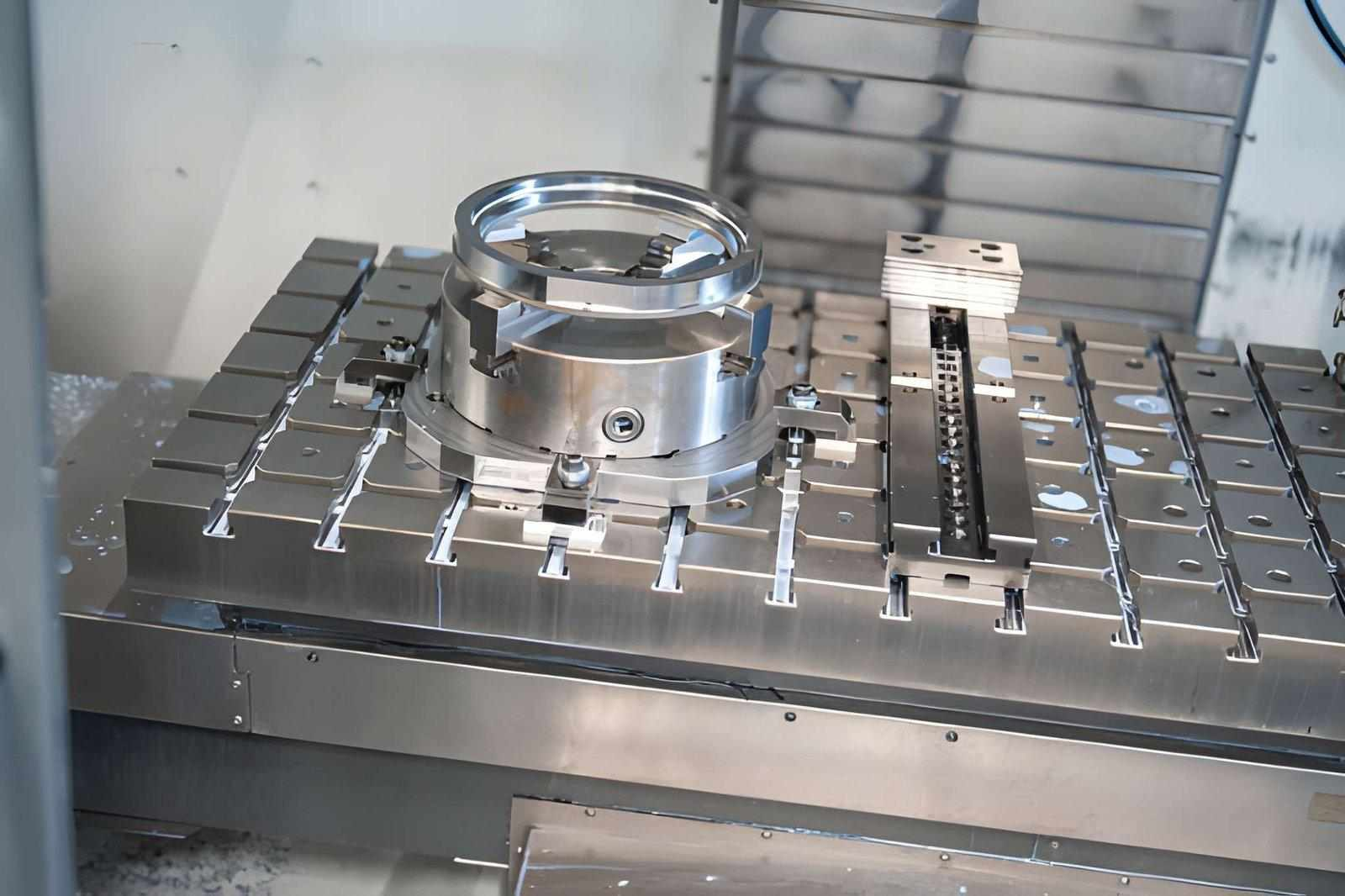
CNC Machining Parts in Electric Vehicle Manufacturing
In practical production environments, several challenges tend to appear repeatedly:
- Machining difficult conductive materials. Materials like copper and high-grade aluminum alloys are widely used in EV systems, but they behave differently under cutting forces. Copper, for example, tends to deform and generate higher tool wear, which affects dimensional stability.
- Thermal distortion during machining. Heat generated during high-speed CNC operations can cause expansion in thin-walled components. This is especially critical in battery housings where dimensional accuracy must be maintained even after cooling.
- Thin-wall deformation in lightweight structures. EV design prioritizes weight reduction, which often results in thinner sections. These parts can vibrate or bend during machining if tool paths and clamping methods are not carefully optimized.
- Scaling from prototype to mass production. A design that performs well in prototyping does not always translate smoothly to high-volume production. Maintaining consistency across thousands of parts requires strict process standardization.
A practical example can be seen in aluminum battery housings. During machining, uneven clamping pressure or aggressive cutting speeds can lead to slight deformation. Even if the part appears correct immediately after machining, residual stress can cause dimensional changes over time.
Another common issue is tool wear when machining copper-based components used in electrical interfaces. As tool degradation increases, surface quality and dimensional accuracy begin to drift, requiring frequent tool monitoring and replacement.
How to Qualify a CNC Supplier for EV Projects
Selecting the right CNC supplier is a critical decision in EV manufacturing because component quality directly impacts vehicle safety, efficiency, and production stability. Unlike general machining work, EV programs demand suppliers who can consistently meet tight tolerances while handling advanced materials and high-volume production.
Supplier consistency is just as important as machining precision. The integration of advanced manufacturing technologies leads to measurable efficiency gains in production time, material use, and product quality, and the ability to quickly adapt production lines in response to market demands is essential for manufacturers seeking to remain competitive. [5]
When evaluating a CNC supplier for EV components, several areas typically define capability and reliability:
- Experience in automotive and EV manufacturing. Suppliers with proven EV or automotive experience are more likely to understand tolerance sensitivity, material behavior, and thermal performance requirements. Prior work on battery housings or motor components is a strong indicator of capability.
- Precision machining capability. EV parts often require tight tolerances and consistent repeatability. Multi-axis CNC machines and advanced fixturing systems are essential for producing complex geometries without variation.
- Material processing expertise. Working with aluminum alloys, copper, stainless steel, and engineering plastics requires different machining strategies. Suppliers must demonstrate control over tool wear, surface finish, and dimensional stability across these materials.
- Production scalability. EV projects often move from prototyping to mass production quickly. A qualified supplier should be able to scale output without compromising accuracy or consistency.
- Quality assurance systems. Strong inspection processes, including CMM measurement and surface testing, ensure that every batch meets specifications. Certifications such as ISO 9001 and IATF 16949 also indicate process discipline and traceability.
A practical example is a supplier producing battery enclosures for EV platforms. A capable vendor will not only machine prototypes accurately but will also provide inspection reports, material certificates, and process validation data for production batches. This level of documentation is essential for automotive approval cycles.
In practice, procurement teams that prioritize technical capability, certification standards, and proven EV experience tend to achieve more stable production outcomes and lower defect rates over time.
Conclusion
CNC machining has become a core enabler in the EV industry, especially as battery systems and electric drivetrains demand higher precision and tighter integration. From structural housings to thermal management systems, every machined component contributes directly to safety, efficiency, and long-term reliability. The combination of advanced materials, strict tolerances, and thermal sensitivity makes machining quality a defining factor in overall vehicle performance.
As the EV sector continues to expand, success in manufacturing will depend on how well companies balance design, material selection, and precision production. Suppliers and engineers who align with established automotive standards and research-backed practices will be better positioned to meet the demands ahead.
References
[1] Alsoufi, M.S., Bawazeer, S.A. (2025). Predictive Modeling of Surface Integrity and Material Removal Rate in CNC Machining. Applied Thermal Engineering. https://doi.org/10.1016/j.applthermaleng.2025.127575
[2] Gómez Díaz, K.Y. et al. (2025). Thermal Management Systems for Lithium-Ion Batteries for Electric Vehicles: A Review. World Electric Vehicle Journal. https://doi.org/10.3390/wevj16070346
[3] Ni, F. et al. (2024). Review of Fault-Tolerant Control Methods for Suspension Systems. Mathematics. https://doi.org/10.3390/math12162576
[4] Murugan, M. et al. (2025). A Comprehensive Review of Thermal Management Methods for EV Battery Pack Performance and Safety. Energy Science & Engineering. https://doi.org/10.1002/ese3.2081
[5] Kilari, S.D. (2025). The Impact of Advanced Manufacturing on the Efficiency and Scalability of Electric Vehicle Production. SSRN. https://papers.ssrn.com/sol3/papers.cfm?abstract_id=5162007