

Marine environments are highly aggressive to metals due to constant exposure to saltwater, humidity, and oxygen. These conditions accelerate corrosion, which can weaken components, reduce efficiency, and lead to early failure. For CNC-machined marine parts, material selection plays a critical role in ensuring durability, reliability, and long-term performance.
CNC Machining for Marine Applications
Among the most commonly used corrosion-resistant metals in marine applications are stainless steel, bronze, and aluminum. Each offers distinct advantages depending on the level of exposure, mechanical requirements, and cost considerations. This article compares these three materials to help identify the most suitable option for different CNC marine components.
Why Corrosion Resistance Matters in Marine CNC Parts
Marine components operate in one of the most demanding environments for metals. Continuous contact with saltwater and moist air accelerates chemical reactions that break down material surfaces. Without proper resistance, even well-machined CNC parts can degrade quickly, affecting both safety and performance.
Corrosion is not just a surface issue. It gradually reduces material thickness, weakens structural integrity, and increases the risk of sudden failure. For precision CNC parts, this can also lead to loss of dimensional accuracy, which directly impacts how components fit and function over time.
A few key impacts are worth paying attention to:
- Accelerated material degradation in saltwater
Saltwater acts as an electrolyte, speeding up corrosion reactions. Metals that perform well in dry conditions may deteriorate rapidly when exposed to seawater.
- Reduced reliability of mechanical systems
Corroded parts can seize, crack, or fail under load. This is especially critical for moving components such as shafts, bearings, and fasteners.
- Increased maintenance and replacement costs
Frequent part replacement leads to higher operational costs. Choosing corrosion-resistant materials helps reduce downtime and long-term expenses.
- Loss of structural strength over time
Even minor corrosion can compromise load-bearing components, which is a serious concern in marine structures.
For example, boat fittings and fasteners that are not properly protected often show rust within a short period of exposure. Similarly, underwater sensors and propeller components can lose efficiency if corrosion alters their surface or shape. This is why corrosion resistance is a primary consideration when selecting materials for CNC marine parts.
Key Factors That Affect Metal Corrosion in Marine Environments
Corrosion behavior in marine settings is influenced by more than just exposure to water. The rate and severity depend on several environmental and material-related factors. Understanding these variables helps in selecting metals that can maintain performance over time.
A closer look at the main influences provides useful direction:
- Salt concentration in seawater
Higher salinity increases the conductivity of water, which accelerates electrochemical reactions. Coastal regions and open seas tend to be more aggressive than brackish or freshwater areas. For example, components used in offshore vessels often face faster corrosion than those in inland marinas.
- Oxygen exposure and water movement
Oxygen plays a key role in corrosion reactions. Areas with constant water flow, such as propeller zones or pump systems, experience more oxygen exchange, which can increase corrosion rates. In contrast, stagnant water may lead to localized corrosion such as pitting.
- Contact between dissimilar metals
When two different metals are in electrical contact in seawater, galvanic corrosion can occur. The more reactive metal corrodes faster, while the other is protected. This is often seen in boat assemblies where stainless steel fasteners are used with aluminum structures, leading to accelerated wear of the aluminum.
- Maintenance and protective measures
Regular cleaning, coatings, and inspections can slow down corrosion significantly. Metals that receive minimal maintenance are more likely to degrade quickly, especially in harsh marine zones.
For instance, metal joints on boats frequently corrode faster when different metals are connected without proper insulation. This highlights the importance of both material compatibility and environmental awareness when designing CNC marine parts.
Stainless Steel for Marine CNC Parts
Stainless steel is widely used in marine CNC applications due to its strength and reliable corrosion resistance. Its performance largely depends on the grade, with austenitic grades such as 316 offering enhanced protection in chloride-rich environments like seawater. The presence of chromium forms a passive oxide layer on the surface, which helps resist rust and surface degradation.
Maritime CNC Parts: Corrosion-Resistant Materials and Surface Treatments for Yachts
In addition to corrosion resistance, stainless steel maintains structural integrity under high loads and mechanical stress. This makes it a suitable choice for both exposed and partially submerged components that require long-term stability.
Key characteristics make stainless steel a dependable option:
- Strong resistance to corrosion in marine conditions
Grades such as 316 and 316L perform well in saltwater due to added molybdenum, which improves resistance to pitting and crevice corrosion. This is particularly important for parts exposed to splashing or intermittent immersion.
- High mechanical strength and durability
Stainless steel retains its strength under pressure and repeated use. It is well-suited for load-bearing components where failure is not acceptable.
- Low maintenance requirements
Once installed, stainless steel components typically require minimal upkeep. Occasional cleaning is often sufficient to maintain performance in most marine settings.
- Moderate machinability for CNC processes
While harder to machine than aluminum or bronze, stainless steel can still be precisely manufactured with the right tooling and cutting parameters.
Typical marine applications reflect these advantages:
- Boat railings and structural supports
- Fasteners such as bolts, nuts, and screws
- Shafts, pump components, and couplings
For example, 316 stainless steel is commonly used for propeller shafts in small yachts. These shafts must withstand continuous rotation, exposure to seawater, and mechanical stress without significant wear or corrosion.
Bronze for Marine CNC Parts
Bronze has been used in marine environments for decades due to its exceptional resistance to seawater corrosion. As a copper-based alloy, it performs particularly well in fully submerged conditions where other metals may degrade more quickly. Its natural resistance to biofouling also adds to its reliability in long-term marine use.
Beyond corrosion resistance, bronze offers stable mechanical performance and is well-suited for precision CNC machining. It maintains dimensional stability and performs consistently in components that experience friction and continuous motion.
Several characteristics make bronze a strong choice for marine parts:
- Excellent resistance to seawater corrosion
Bronze does not rust like iron-based metals and shows strong resistance to both general corrosion and localized damage. It remains stable even during prolonged immersion.
- Natural resistance to marine growth
The copper content helps limit the buildup of algae and other organisms on the surface. This is valuable for components that operate underwater for extended periods.
- Good wear resistance and low friction properties
Bronze performs well in moving parts where metal-to-metal contact occurs. It reduces wear and helps maintain smooth operation over time.
- Favorable machinability for CNC processes
Compared to stainless steel, bronze is easier to machine and allows for precise finishes with less tool wear.
These properties explain its widespread use in marine systems:
- Bearings and bushings in rotating assemblies
- Propellers and impellers exposed to constant water flow
- Valve components and pump parts
For example, bronze propellers are commonly used in fishing boats. They operate continuously in seawater and must resist both corrosion and surface damage while maintaining efficiency.
Aluminum for Marine CNC Parts
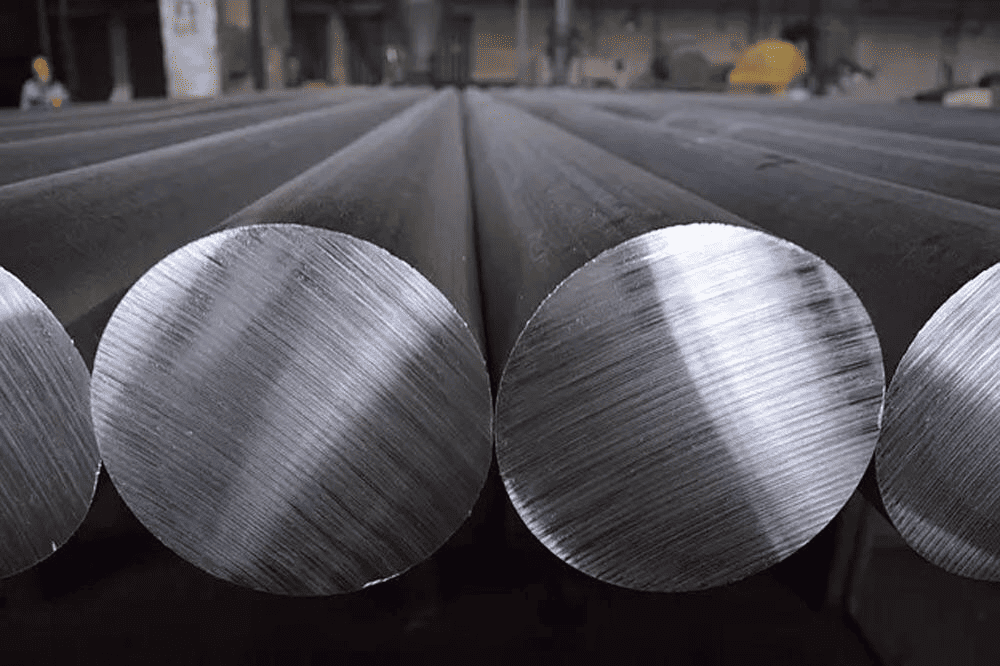
Aluminum is widely used in marine applications where weight reduction and cost efficiency are important. Its low density makes it ideal for large structures, while its natural oxide layer provides a basic level of corrosion protection. Marine-grade alloys such as 5052 and 5083 are commonly selected for improved performance in saltwater environments.
Although aluminum does not match bronze or high-grade stainless steel in corrosion resistance, it performs well when properly treated and maintained. Surface treatments such as anodizing or protective coatings can significantly extend its lifespan in marine conditions.
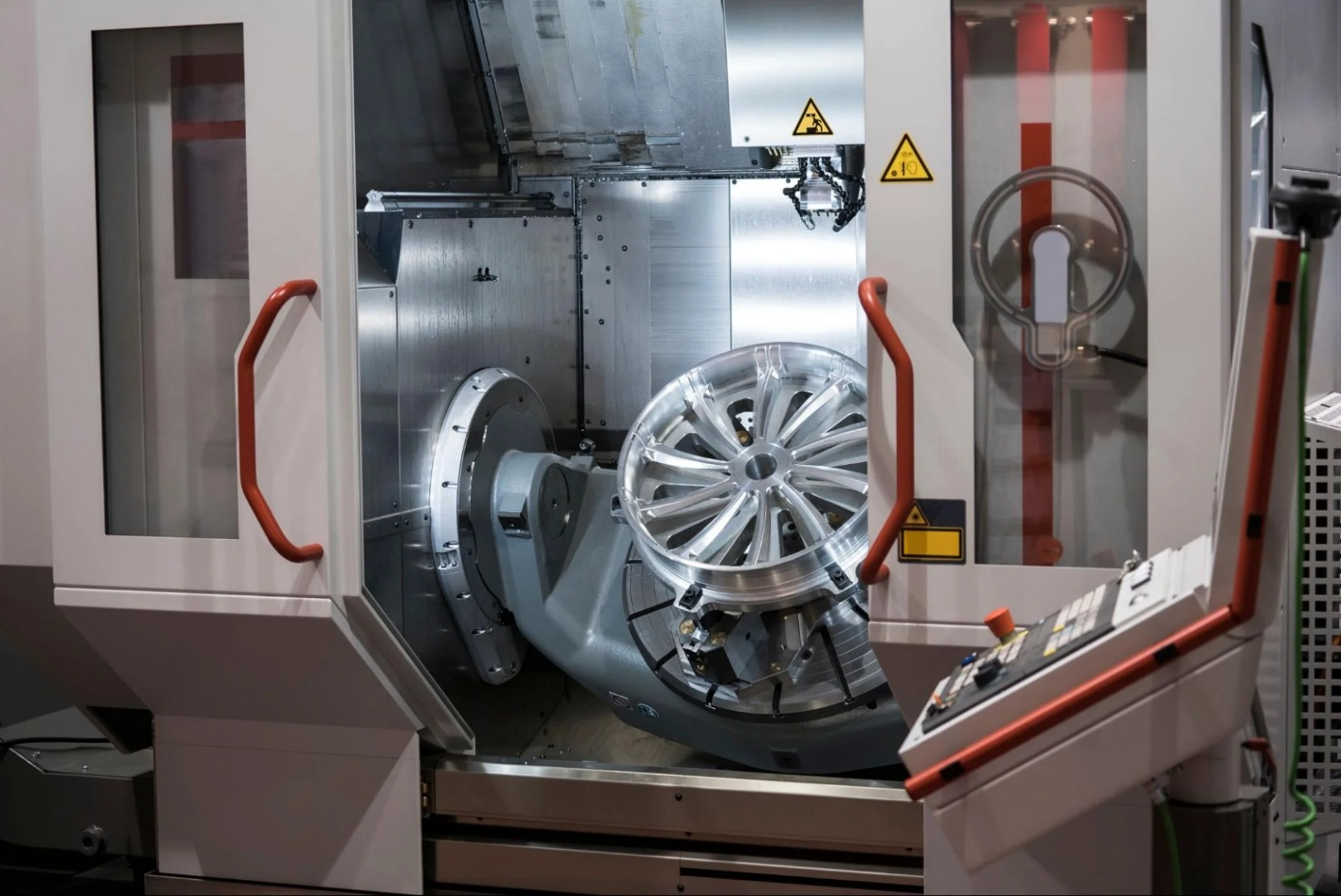
CNC Machining Marine Aluminum Parts
Several properties make aluminum a practical choice for many CNC marine parts:
- Lightweight structure with good strength-to-weight ratio
Aluminum reduces overall vessel weight, which improves fuel efficiency and handling. This is especially valuable in high-speed boats and performance-focused designs.
- Protective oxide layer formation
When exposed to air, aluminum forms a thin oxide layer that slows further corrosion. This natural barrier offers basic protection in less aggressive marine conditions.
- Cost efficiency for large components
Aluminum is generally more affordable than bronze and easier to source in larger sizes, making it suitable for structural and non-critical parts.
- High machinability for CNC processes
Aluminum is easy to machine, allowing for faster production, tighter tolerances, and reduced tool wear compared to harder metals.
At the same time, certain limitations should be considered:
- Sensitivity to galvanic corrosion
When paired with more noble metals such as stainless steel, aluminum can corrode faster if not properly isolated.
- Reduced durability in highly saline or submerged conditions
Continuous exposure to seawater, especially without protective coatings, can lead to pitting and surface degradation.
Typical applications highlight its strengths:
- Boat hull sections and structural frames
- Deck fittings and panels
- Lightweight brackets and supports
For example, aluminum is often used in the hull frames of speedboats. The reduced weight improves speed and fuel efficiency, while protective coatings help maintain durability in coastal environments.
Comparison: Stainless Steel vs Bronze vs Aluminum
Each material offers distinct advantages, and the right choice depends on how and where the part will be used. Looking at key performance factors side by side helps clarify their roles in marine CNC applications.
A few practical comparisons highlight the differences:
- Corrosion resistance across environments
Bronze performs best in continuous seawater exposure, particularly for fully submerged parts. Stainless steel, especially grade 316, offers strong resistance in both splash zones and partial immersion. Aluminum provides adequate resistance in less aggressive conditions but typically requires protective treatment in high-salinity environments.
- Mechanical strength and load capacity
Stainless steel leads in strength and is well-suited for structural and load-bearing components. Bronze offers moderate strength with good wear resistance, making it reliable for moving parts. Aluminum has lower strength but performs well where weight reduction is a priority.
- Weight considerations in design
Aluminum is significantly lighter than both stainless steel and bronze, which makes it ideal for large structures and performance-focused vessels. Bronze is heavier but stable, while stainless steel sits between the two in terms of density.
- Cost and material efficiency
Aluminum is generally the most cost-effective, particularly for large-scale components. Stainless steel falls in a mid-range category, balancing cost with performance. Bronze is often the most expensive due to its composition and specialized use.
- CNC machinability and production efficiency
Bronze and aluminum are easier to machine, allowing faster production and better tool life. Stainless steel requires more controlled machining conditions due to its hardness, which can increase production time.
In practical marine systems, these materials are often used together based on their strengths. For example, a typical setup may use a stainless steel shaft for structural strength, a bronze propeller for corrosion resistance in seawater, and aluminum brackets to reduce overall weight. This combination approach allows designers to optimize performance without relying on a single material.
How to Choose the Right Metal for CNC Marine Parts
Selecting the right material requires a clear understanding of how the part will function in its operating environment. No single metal is ideal for every situation, so the decision should be based on exposure conditions, mechanical demands, and long-term cost considerations.
A structured approach can simplify the selection process:
- Evaluate the level of exposure to seawater
Parts that remain fully submerged require higher corrosion resistance than those exposed only to splashes or humid air. Bronze is often preferred for continuous immersion, while stainless steel performs well in exposed and semi-submerged areas. Aluminum is better suited for above-water structures with limited direct contact.
- Assess load and mechanical requirements
Components that carry significant loads or experience high stress benefit from stronger materials. Stainless steel is a reliable choice for shafts, fasteners, and structural supports. Bronze works well for parts that require wear resistance rather than maximum strength.
- Consider maintenance and accessibility
If regular inspection and maintenance are difficult, selecting a material with higher inherent corrosion resistance is important. For example, underwater components in offshore systems are often made from bronze to reduce the need for frequent servicing.
- Balance initial cost with service life
Lower-cost materials may require earlier replacement if they are not suited to the environment. Aluminum can reduce upfront costs, but protective treatments and maintenance should be factored into the overall lifecycle cost.
- Check compatibility with adjacent materials
Preventing galvanic corrosion is essential when different metals are used together. Proper insulation or material pairing helps avoid premature degradation. For instance, isolating aluminum parts from stainless steel fasteners can extend service life.
In practice, material selection often involves combining metals based on their strengths. A common example is the use of bronze for submerged propellers, stainless steel for load-bearing shafts, and aluminum for lightweight structural elements. This approach ensures each component performs reliably within its specific role.
Common Applications in the Marine Industry
Corrosion-resistant metals are used across a wide range of marine systems where reliability and longevity are critical. From small recreational boats to large offshore installations, material selection directly affects performance, safety, and maintenance requirements.
Different applications highlight how stainless steel, bronze, and aluminum are applied based on their strengths:
- Boats and yachts
These vessels rely on a mix of materials to balance strength, weight, and corrosion resistance. Stainless steel is commonly used for railings, fasteners, and shafts due to its durability. Bronze is preferred for propellers and underwater fittings, while aluminum is widely used in hull structures and deck components to reduce overall weight.
- Offshore oil and gas equipment
Equipment in offshore environments faces continuous exposure to saltwater and harsh weather. Stainless steel is often selected for structural housings and external frameworks. Bronze is used in internal components such as pump parts and valves where constant fluid contact occurs.
- Marine pumps and valve systems
These systems operate in direct contact with seawater and require materials that resist both corrosion and wear. Bronze performs well in internal moving parts such as impellers and bushings, while stainless steel is used for shafts and external casings that require strength.
- Dock systems and coastal infrastructure
Fixed structures such as docks, piers, and mooring systems must withstand long-term environmental exposure. Aluminum is often used for lightweight structural sections, while stainless steel provides durable fastening solutions that maintain integrity over time.
A practical example can be seen in offshore pump assemblies, where stainless steel housings are combined with bronze internal components. This combination ensures structural strength while maintaining resistance to continuous seawater exposure in critical moving parts.
Conclusion
Choosing the right material for CNC marine parts is not just a design decision; it directly affects performance, safety, and long-term reliability in harsh seawater conditions. Stainless steel, bronze, and aluminum each bring unique strengths that suit different roles within marine systems.
In most cases, stainless steel is selected for structural strength and general corrosion resistance, especially in exposed or load-bearing parts. Bronze performs exceptionally well in fully submerged environments where continuous seawater contact is unavoidable, making it ideal for bearings and propellers. Aluminum stands out when weight reduction and cost efficiency are priorities, particularly in non-critical or large structural components.
A practical marine design rarely depends on a single material. Instead, engineers often combine all three to achieve balanced performance. For example, a vessel may use stainless steel for shafts and fasteners, bronze for underwater rotating parts, and aluminum for lightweight frames. This approach helps extend service life while maintaining efficiency and reducing maintenance demands.