
7075 aluminium is stronger than 6061, but strength alone does not make it a better CNC machining choice. In real manufacturing, the better alloy is the one that balances load requirements, corrosion exposure, machinability, finishing, inspection, and total production cost.
That is why many CNC projects fail during material selection rather than machining execution. A buyer may choose 7075 because the data sheet shows higher strength, but the finished part may not need that strength. In other cases, choosing 6061 for a highly loaded part may create fatigue or service-life risk.
The central engineering question is not “Which aluminium is stronger?” The real question is “Does the application truly require 7075’s strength, or is 6061 the lower-risk manufacturing choice?”
ASM International notes that aluminium alloys are selected based on design and performance criteria, including metallurgy, processing effects, fabrication characteristics, and service performance. This supports a more practical selection approach than choosing by tensile strength alone. [1]
When Does 7075 Create More Manufacturing Risk Than Value?
7075 creates more manufacturing risk when its high strength does not solve a real functional problem. It is often chosen because it has superior strength-to-weight performance, but that advantage can come with higher cost, lower corrosion resistance, poorer weldability, and more demanding inspection requirements.
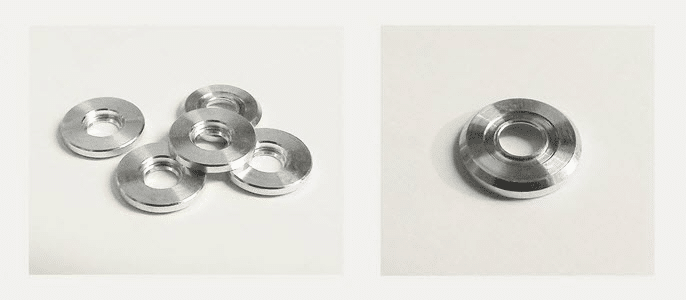
Source: Cox Manufacturing Aluminium 7075 Machined Parts
For general brackets, housings, fixtures, covers, and industrial plates, 6061 often delivers enough strength with fewer production risks. 6061 also supports better corrosion resistance and weldability in many common applications, making it more practical for outdoor equipment, electronics enclosures, and general CNC components.
7075 becomes valuable when the part must survive high loads, fatigue, or weight-sensitive structural service. Aerospace structures, racing components, and high-performance mechanical parts are stronger use cases. In these applications, the added cost and inspection burden may be justified.
Real Example: Aerospace Structural Component vs Industrial Machine Bracket
Aerospace structural parts often justify 7075 because weight reduction and strength-to-weight performance directly affect design success. NASA’s Materials Data Handbook: Aluminum Alloy 7075 exists because 7075 has long aerospace relevance and requires detailed material property understanding.
An industrial machine bracket is different. If it mainly supports static loads in a factory environment, 6061 may provide better overall manufacturing value. Choosing 7075 for that bracket may increase cost without improving performance. [2]
What Design Requirements Should Drive Aluminum Selection?
Aluminum selection should begin with application requirements, not material reputation. Engineers should review static load, dynamic load, fatigue, weight targets, corrosion exposure, assembly method, service life, and certification requirements before choosing 6061 or 7075.
For static loads, 6061 is often suitable when the design includes enough section thickness and a reasonable safety factor. For repeated dynamic loads, the fatigue requirement may push the design toward 7075. For outdoor or humid environments, 6061 may be safer because corrosion resistance becomes part of performance.
The assembly method also matters. If the part must be welded, 6061 is usually the better choice. 7075 is generally not preferred for welded structures because welding can create strength and cracking concerns.
Engineering Records To Review
| Engineering Record | Why It Matters |
| Load Calculations | Confirms whether 6061 strength is sufficient or 7075 is justified |
| FEA Reports | Identifies high-stress areas, stress concentration, and safety margins |
| Design Safety Factors | Shows whether material strength or geometry should be adjusted |
| Environmental Exposure Requirements | Determines corrosion, coating, and finishing needs |
| Assembly Method | Confirms whether welding, fastening, or press-fit features affect alloy choice |
How Do Material Properties Affect CNC Part Performance?
Material properties affect strength, machining behavior, surface finish, corrosion response, and inspection requirements. 6061 and 7075 are both heat-treatable aluminum alloys, but they are designed around different performance priorities.
6061 is an aluminum-magnesium-silicon alloy known for balanced machinability, corrosion resistance, weldability, and moderate-to-high strength. 7075 is an aluminum-zinc alloy known for much higher strength and strong aerospace use, but it is more demanding in corrosion and joining decisions.
ASM’s aluminum alloy handbook materials explain that aluminum alloys are selected by combining metallurgy, processing, properties, and performance requirements. This is important because CNC performance depends on both material chemistry and manufacturing behavior. [3]
Mechanical Strength Comparison
| Property / Factor | Aluminum 6061-T6 | Aluminum 7075-T6 | Engineering Meaning |
| Strength Level | Moderate to high | Very high | 7075 is better for high-load and weight-sensitive designs |
| Machinability | Good | Good, but harder | Both machine well, but 7075 may require more tool and process control |
| Corrosion Resistance | Better | Lower than 6061 | 6061 is safer for many outdoor and industrial applications |
| Weldability | Good | Poor / limited | 6061 is preferred when welding is required |
| Cost | Lower | Higher | 6061 is often better for cost-sensitive production |
| Typical Use | Housings, brackets, fixtures, plates | Aerospace, racing, high-strength parts | Selection depends on function and risk |
7075 is not automatically the better alloy. It is the stronger alloy, but 6061 is often the better manufacturing choice when corrosion, weldability, cost, and general-purpose performance matter.
Fatigue Performance Under Repeated Loading
Fatigue performance matters when a part faces repeated loading rather than one-time static force. Aerospace and automotive parts often fail through fatigue because cyclic loads create cracks at stress concentrations, sharp corners, holes, threads, or poor surface finishes.
7075 is commonly selected where high strength and fatigue resistance are important. However, fatigue performance is not controlled by alloy alone. Geometry, surface finish, machining marks, heat treatment, stress concentration, and inspection all influence service life.
A fatigue-focused article should avoid saying “7075 always lasts longer.” The correct engineering statement is that 7075 can support high-strength fatigue-critical applications when geometry, surface quality, corrosion control, and inspection are also managed. [4]
Corrosion Resistance Considerations
6061 generally performs better than 7075 in many corrosion-prone environments. This matters for outdoor enclosures, industrial equipment, marine-adjacent hardware, and parts exposed to moisture or chemicals.
7075 often requires stronger attention to protective finishing, coating, or controlled environments. The presence of zinc and copper improves strength but can reduce corrosion resistance compared with 6061. In some cases, corrosion risk can outweigh the benefit of higher strength.
This is especially important when the part is both highly stressed and exposed to corrosive conditions. Corrosion and stress can combine to reduce service life, especially if finishing or material temper is not properly specified. [5]
Weldability and Assembly Implications
Weldability can eliminate 7075 from consideration. If a machined part must be welded into an assembly, 6061 is usually preferred because it is more weldable and more practical in welded structures.
7075 is generally avoided for conventional welding in structural applications because the heat-affected zone can create strength loss and cracking concerns. For assemblies that require welding, the design team should consider whether strength can be achieved with 6061 through geometry rather than switching to 7075.
This is a common design mistake. Buyers choose 7075 for strength, then later discover that the assembly method conflicts with the alloy.
CNC Machining Performance: What Changes on the Shop Floor?
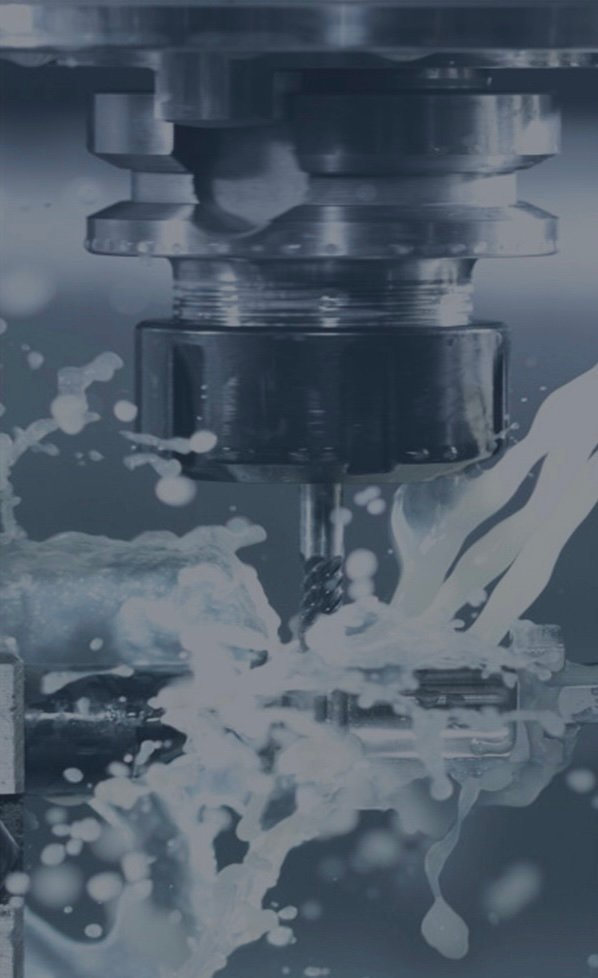
On the shop floor, 6061 and 7075 both machine well, but they do not create the same manufacturing decisions. Hardness, chip behavior, residual stress, cutting strategy, and tolerance expectations can change the way a CNC programmer approaches the part.
6061 is often easier to manage for general CNC milling and turning. It supports efficient cutting, good finishing, and broad production use. 7075 machines cleanly too, but its higher strength can increase tool load and make tolerance, surface condition, and residual stress control more important.
Tool Wear and Cutting Behavior
7075’s higher strength and hardness can create more demanding cutting conditions than 6061. Tool wear, heat, and surface finish should be monitored closely, especially for tight-tolerance features or production runs.
6061 is often preferred for parts where speed, cost control, and consistent finish matter more than maximum strength. It is common in housings, frames, brackets, and machine components because it supports efficient CNC production.
Tooling strategy should account for part geometry. Thin walls, deep pockets, and tight tolerances may create more difficulty than the alloy itself.
Dimensional Stability During Machining
Dimensional stability depends on material condition, stock form, residual stress, part geometry, and machining sequence. Thin-wall parts, large pockets, and heavy material removal can distort both 6061 and 7075 parts.
This is especially important when producing aerospace-style lightweight parts. Removing material from one side of a plate can release internal stress and cause flatness problems. A balanced roughing and finishing strategy can reduce risk.
The process should consider stress-relieved stock, roughing passes, rest time where appropriate, and final inspection after the part stabilizes.
Tolerance Capability
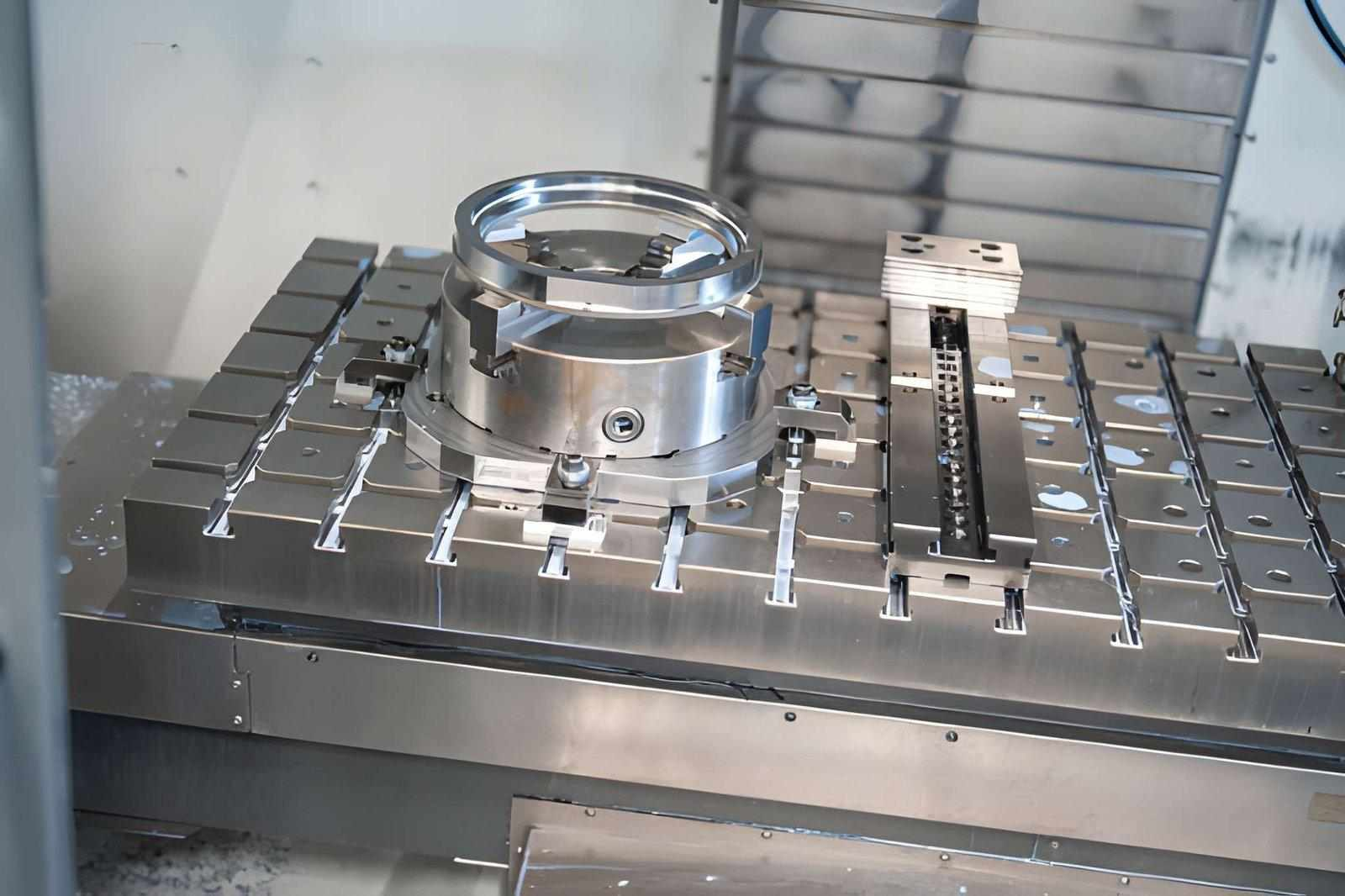
Both 6061 and 7075 can support precision machining, but tight tolerance depends on more than alloy selection. Fixture rigidity, datum control, tool wear, thermal stability, and inspection method all affect final results.
A tight tolerance on a stable block is very different from the same tolerance on a thin-wall housing. 7075 may provide stiffness advantages in some designs, but its corrosion and cost trade-offs still matter.
The best practice is to apply tight tolerances only where function requires them. Non-critical surfaces should not receive aerospace-level tolerances just because the material is aerospace-grade.
Cost Analysis Beyond Raw Material Pricing
The cost difference between 6061 and 7075 is not limited to raw material price. Total cost includes material procurement, machining time, scrap risk, inspection, finishing, certification, and long-term service risk.
6061 is often more economical for general-purpose CNC parts. It is widely available, easier to finish, easier to weld, and usually less expensive. This makes it a strong option for industrial equipment, electronics enclosures, fixtures, brackets, and many automotive support components.
7075 may justify its cost when weight reduction, fatigue performance, and structural strength create measurable value. If those requirements are not present, the project may be overengineered.
Process Table: Cost And Production Impact
| Production Factor | 6061 Impact | 7075 Impact | What Procurement Should Ask |
| Raw Material Cost | Usually lower | Usually higher | Is 7075 strength required by calculation? |
| Machining Cost | Generally efficient | May require more control | Are tolerances and geometry driving cost? |
| Scrap Risk | Lower for common parts | Higher when inspection is strict | What features are critical? |
| Finishing Cost | Easier in many cases | More finishing planning needed | Is coating required for corrosion protection? |
| Certification | Standard certification often enough | Aerospace/critical certification may apply | Which standards and MTRs are required? |
| Lifecycle Cost | Good for broad use | Strong when performance justifies it | What failure mode is being prevented? |
Procurement Questions To Ask Before Selecting Material
Procurement teams should not ask only for “6061 price” or “7075 price.” They should ask what risk the material is solving.
Key questions include:
- Is the part load-bearing or mainly structural support?
- Is fatigue loading present?
- Will the part be exposed to moisture, salt, chemicals, or outdoor service?
- Is welding required?
- What surface finish or coating is required?
- Are material certifications required?
- Is the part prototype, low-volume, or production?
- Will higher material cost reduce failure risk enough to justify selection?
How Does Corrosion And Environmental Exposure Influence Material Selection?
Corrosion exposure can make 6061 the better choice even when 7075 is stronger. If the part will operate outdoors, in humid environments, near marine exposure, or in industrial conditions, corrosion resistance becomes a functional requirement.
6061 is widely used for outdoor structures, housings, frames, plates, and equipment because it balances strength with environmental durability. 7075 is better reserved for applications where strength-to-weight matters enough to justify protective finishing and corrosion control.
Protective coatings such as anodizing, conversion coating, painting, or other surface treatments can improve performance, but they also add cost and inspection requirements.
Real Example: Outdoor Equipment Enclosure vs Aircraft Structural Fitting
An outdoor electronics enclosure normally benefits from 6061. The part may need corrosion resistance, clean finishing, threaded holes, and cost control more than extreme strength.
An aircraft structural fitting may justify 7075. In that case, strength-to-weight ratio and fatigue performance may be more important than cost or weldability. The material decision should follow structural analysis and procurement standards, not preference.
Fatigue Failure And Service-Life Considerations
Stronger materials can still fail if fatigue, stress concentration, surface finish, and environment are ignored. Fatigue cracks usually start at geometric discontinuities such as holes, sharp corners, threaded features, and machined marks.
7075 is often used where fatigue-critical strength matters, but the design must still manage stress concentration. A poorly designed 7075 part can fail earlier than a well-designed 6061 part if geometry, finish, and load paths are not controlled.
Surface finish also affects fatigue behavior. Rough machining marks can become crack initiation points. This is why fatigue-critical parts may require finishing, polishing, controlled radii, shot peening, or inspection beyond basic dimensional checks.
Engineering Data To Review
| Data Type | Why It Matters |
| Fatigue Calculations | Confirms whether 7075 is needed for cyclic loading |
| Cycle Requirements | Shows expected service life and load repetition |
| Failure History | Identifies known cracking or corrosion issues |
| Surface Finish Requirements | Helps reduce fatigue crack initiation |
| Environmental Records | Determines whether corrosion protection is required |
Inspection And Certification Requirements Before Production
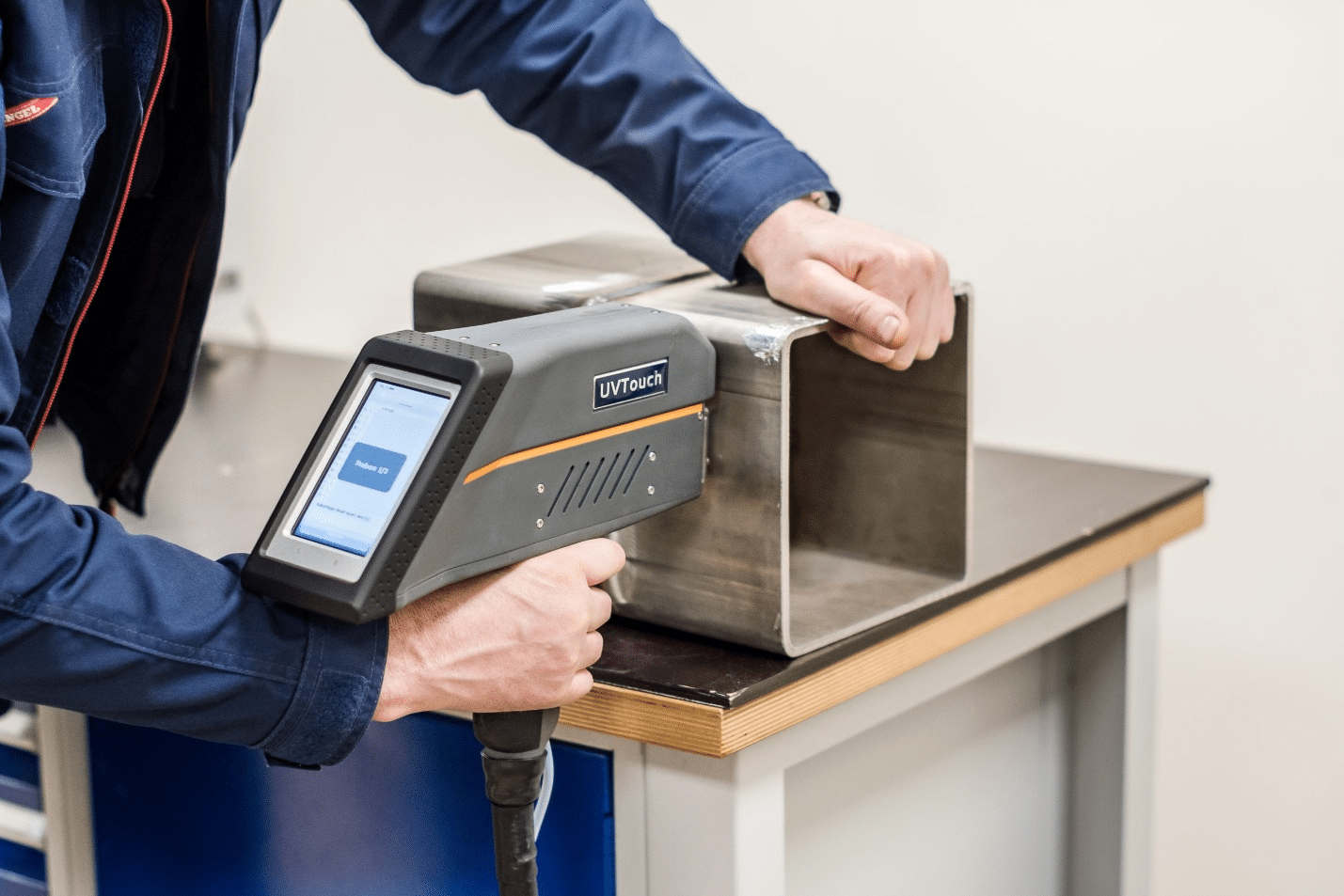
Inspection requirements should be defined before material is purchased. For 6061, standard material certification may be enough for many industrial and electronics applications. For 7075, especially aerospace or high-performance components, certification and traceability may be more demanding.
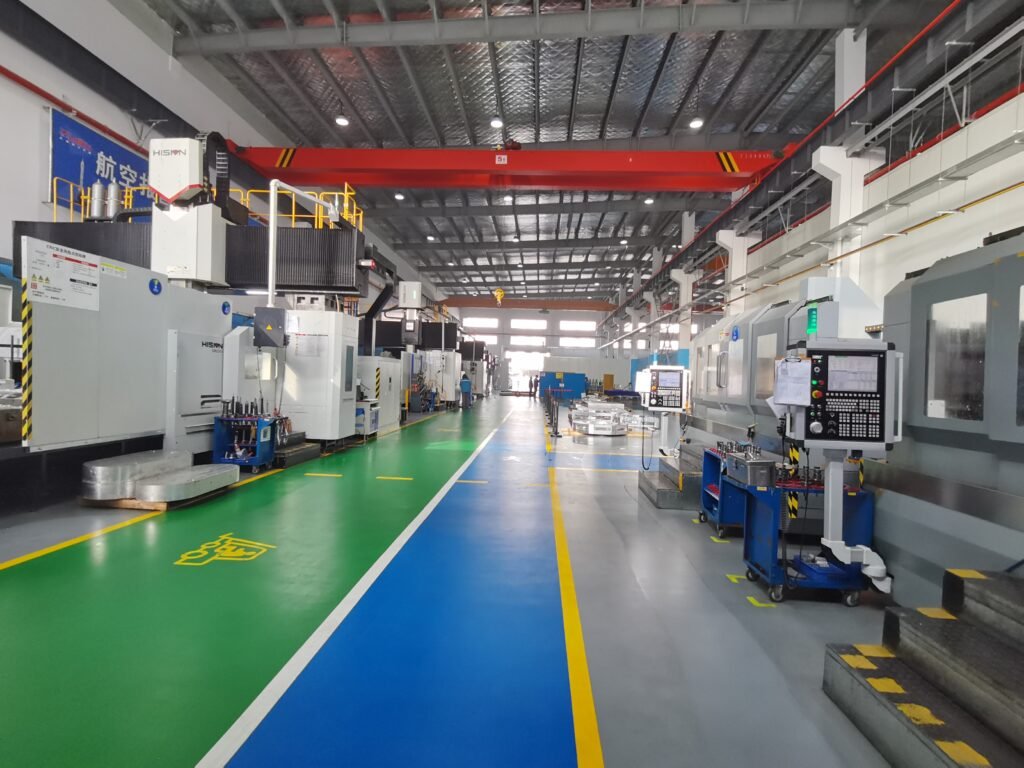
Source: BaiChuan Precision Aluminum CNC Milling Service
ASTM B209 is relevant for aluminium sheet and plate, while ASTM B221 applies to aluminium extruded bars, rods, wire, profiles, and tubes. These standards help define procurement expectations for stock form and quality documentation.
Aerospace work may require AMS specifications and stronger traceability. NASA’s 7075 handbook is useful because it highlights why aerospace materials require deeper property understanding than ordinary commercial stock. [6] [7]
Quality-Control Checklist
| Inspection Item | Why It Matters |
| Material Traceability | Confirms correct alloy and heat lot |
| Temper Verification | Ensures the expected mechanical properties |
| Hardness Check | Helps verify condition and consistency |
| Dimensional Inspection | Confirms critical geometry after machining |
| CMM Inspection | Verifies complex or tight-tolerance features |
| Surface Condition Review | Identifies scratches, corrosion, burrs, or finishing issues |
| Coating Inspection | Confirms environmental protection where required |
A material choice is incomplete until the inspection plan confirms that the selected alloy, temper, geometry, and finish can be verified.
Industry-Specific Material Selection Decisions
Material selection changes by industry because each sector values different risks. Aerospace may prioritise strength-to-weight ratio. Medical device fixtures may prioritise corrosion resistance, finishing, and cleanability. Electronics may prioritise machinability, flatness, thermal contact, and cosmetic anodising.
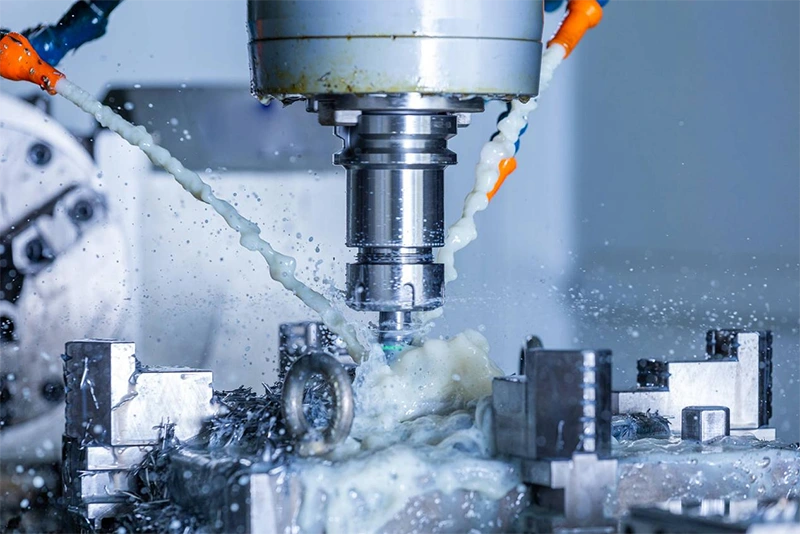
Source: BaiChuan Aluminium CNC Machining in Electronics
Aerospace Components
7075 is frequently selected for high-stress aerospace components because it offers high strength-to-weight performance. Aircraft structural fittings, highly loaded brackets, and aerospace-grade plates are common use cases.
6061 may still be suitable for non-critical aerospace hardware, fixtures, covers, or components where corrosion resistance, cost, and manufacturability matter more than maximum strength.
Automotive Components
Automotive use depends on the performance level. 6061 is often used for brackets, housings, frames, and general machined components. 7075 may be chosen for racing, motorsport, and high-load lightweight parts.
The key trade-off is weight reduction versus production cost. For high-volume or cost-sensitive automotive parts, 6061 often delivers a better balance.
Medical Device Components
Medical and diagnostic equipment often uses aluminium for housings, fixtures, support plates, and device components. 6061 is often preferred because it machines well, finishes well, and supports corrosion-resistant surfaces.
7075 may be considered only when the component needs high strength at low weight. Surface treatment, cleaning chemicals, and corrosion behaviour must be reviewed carefully.
Electronics And Enclosures
6061 is usually preferred for electronics enclosures, heat sinks, mounting plates, and control housings. It supports good machinability, anodising, corrosion resistance, and cost control.
7075 is less common unless the housing or bracket needs unusually high mechanical strength. For most electronic products, thermal fit, flatness, connector alignment, and finish matter more than ultimate strength.
Industrial Equipment
6061 is commonly used for machine plates, brackets, fixtures, panels, and equipment components. It is practical, available, and cost-effective.
7075 may be used for high-load tooling, mechanical arms, lightweight connectors, or special components where the strength-to-weight ratio creates real performance value.
Common Material Selection Mistakes Engineers And Buyers Make
The most common mistake is selecting 7075 based only on tensile strength. This can create unnecessary cost and corrosion risk when 6061 would perform well.
Another mistake is ignoring temper. A drawing that says “6061 aluminium” or “7075 aluminium” is incomplete for serious manufacturing. The temper, such as T6, T651, or another condition, affects strength, stability, and machining expectations.
Buyers also overlook weldability. If welding is part of the assembly, 6061 is usually the better design path. Choosing 7075 first and discovering the weldability problem later can force redesign.
A final mistake is using aerospace materials for non-aerospace problems. If the part is not weight-critical, fatigue-critical, or high-load, 7075 may add cost without meaningful value.
Decision Framework: Should Your CNC Part Use 6061 Or 7075?
Choose 6061 when the design needs corrosion resistance, weldability, good machinability, clean finishing, and cost control. It is usually the stronger practical option for general CNC parts.
Choose 7075 when the design needs maximum strength-to-weight ratio, stronger fatigue performance, aerospace-grade requirements, or measurable weight reduction. It should be supported by engineering analysis, not selected only because it is stronger.
Choose 6061 When:
- Corrosion resistance is critical
- Welding is required
- Cost control matters
- General structural performance is sufficient
- Large production volumes are planned
- Surface finishing and anodising are important
- The part is a housing, bracket, fixture, plate, or enclosure
Choose 7075 When:
- A maximum strength-to-weight ratio is required
- Fatigue loading is significant
- Aerospace-grade performance is necessary
- Weight reduction has measurable value
- Engineering analysis justifies the additional cost
- The part is highly loaded and not welded
- Certification requirements support the choice
Frequently Asked Questions
Is 7075 Always Better Than 6061?
No. 7075 is stronger, but 6061 is often better for corrosion resistance, weldability, cost control, finishing, and general CNC manufacturing.
Which Alloy Machines More Efficiently?
6061 is generally more efficient for common CNC parts because it machines easily and supports broad production use. 7075 also machines well, but its higher strength may require more tools and process control.
Which Alloy Performs Better In Outdoor Environments?
6061 generally performs better in many outdoor and humid environments because it has stronger corrosion resistance than 7075.
Does 7075 Justify Its Higher Cost?
7075 justifies its cost when high strength-to-weight performance, fatigue resistance, or aerospace-grade requirements are necessary. If those requirements are absent, 6061 is often more economical.
Which Alloy Is Better For Aerospace Parts?
7075 is often preferred for high-stress aerospace parts. 6061 can still be used for non-critical aerospace components, fixtures, covers, or parts where corrosion resistance and machinability matter more.
Can 7075 Be Welded?
7075 is generally not recommended for conventional welded structural applications. 6061 is usually the better choice when welding is required.
Which Alloy Provides Better Fatigue Performance?
7075 often provides stronger fatigue performance in high-load applications, but fatigue life also depends on geometry, surface finish, stress concentration, environment, and inspection.
What Certifications Should Buyers Request?
Buyers should request material certificates, alloy and temper verification, applicable ASTM or AMS standard compliance, hardness checks when needed, and dimensional inspection reports for critical parts.
Conclusion: The Best Aluminium Choice Depends On Risk, Not Strength Alone
The best CNC aluminium choice is not always the strongest alloy. It is the alloy that supports the part’s load, environment, assembly method, inspection requirements, finishing needs, and total cost.
6061 is often the lower-risk choice for general CNC machining because it balances strength, corrosion resistance, weldability, cost, and finishing. 7075 is the better choice when the part truly needs high strength-to-weight performance, and the project can justify higher material cost, corrosion-control planning, and inspection requirements.
The best engineering decision is not to choose 7075 because it is stronger. The best decision is to choose the alloy that reduces product risk while meeting real performance requirements.
References
1. ASM International. Properties and Selection of Aluminium Alloys. ASM Handbook Volume 2B.
https://dl.asminternational.org/handbooks/edited-volume/91/Properties-and-Selection-of-Aluminum-Alloys
2. ASM International. Aluminium and Aluminium Alloys Subject Guide.
https://www.asminternational.org/aluminum-and-aluminum-alloys-subject-guide/
3. Davis, J. R. Aluminium and Aluminium Alloys. ASM International / NIST Materials Data.
https://materialsdata.nist.gov/bitstream/handle/11115/173/Aluminum%20and%20Aluminum%20Alloys%20Davis.pdf
4. Sessler, J. Materials Data Handbook: Aluminium Alloy 7075. NASA Technical Reports Server, 1966.
https://ntrs.nasa.gov/api/citations/19670004550/downloads/19670004550.pdf
5. ASM Handbook / NIST Materials Data. Heat Treating of Aluminium Alloys.
https://materialsdata.nist.gov/bitstream/handle/11115/192/Heat%20Treating%20of%20Aluminum%20Alloys.pdf
6. ASTM International. ASTM B209 / B209M Standard Specification for Aluminium and Aluminum-Alloy Sheet and Plate.
https://store.astm.org/b0209m-14.html
7. ASTM International. ASTM B221 Standard Specification for Aluminium and Aluminum-Alloy Extruded Bars, Rods, Wire, Profiles, and Tubes.
https://store.astm.org/b0221-12.html