
Electroplating vs. Anodizing: Choosing the Right Finish for Metal Parts
Electroplating and anodizing can both improve a metal part, but they create fundamentally different surfaces. In an electroplating vs. anodizing decision, the first question is not which process is "better," but what surface function the component needs, what material it is made from, and how finishing will affect critical dimensions.
Anodizing converts a compatible surface - most commonly aluminum - into an integral oxide. Electroplating deposits a separate metallic layer. That distinction affects conductivity, corrosion behavior, wear, coating buildup, and how the finish should be specified. [1] [7]
How Electroplating and Anodizing Create Different Surfaces
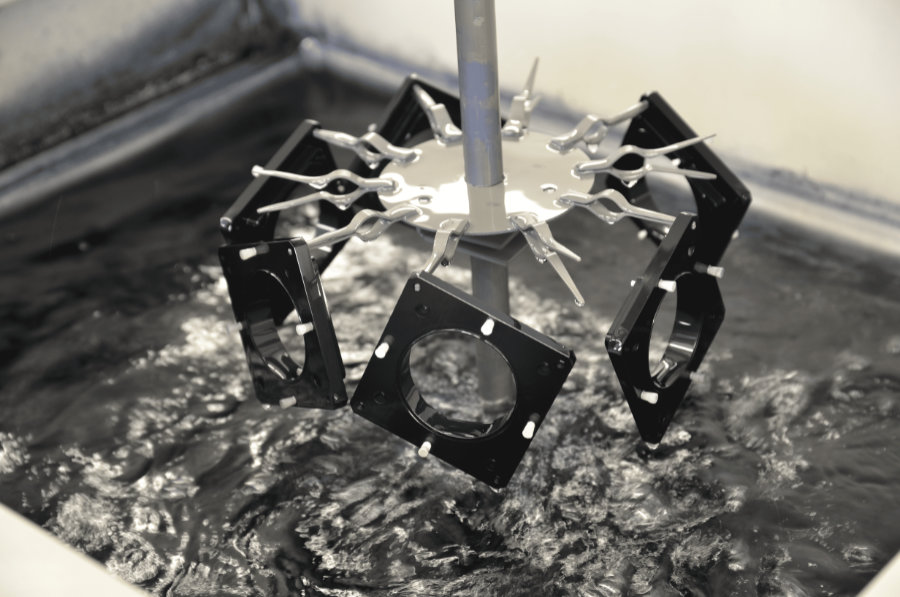
In the anodizing process, the component acts as the anode in an electrolytic cell. On aluminum, controlled oxidation forms an aluminum-oxide layer from the substrate itself. The finish is therefore not simply another material laid on top of the part. [1]

SOURCE: MPF Plating Ltd
In the electroplating process, the workpiece normally acts as the cathode. Metal ions in the plating bath are reduced and deposited onto its surface. [7]
"Electroplating" is a process family, not one coating with one set of properties. Zinc, nickel, chromium, copper, tin, silver, and gold systems serve different functions. Electroless nickel is a separate deposition process and should not be treated as electroplating. [7]
Electroplating vs. Anodizing for Aluminum Parts
Aluminum is the most useful direct comparison because it can be anodized or electroplated, but the two routes serve different engineering goals. [1] [3]
Anodizing Aluminum
Anodizing is a natural fit for many aluminum components because the process converts the surface into aluminum oxide. Depending on the specification, that oxide can support corrosion protection, decorative coloring, electrical insulation, or wear-oriented performance through hard anodic oxidation. [1] [4] [5]

SOURCE: UHLIG Präzisions Fertigungs GmbH
All aluminum alloys should not be assumed to respond identically. Alloy chemistry can change coating appearance and performance, so 2xxx, 6xxx, 7xxx, and cast aluminum parts may require different process expectations. Alloy identification should therefore be part of the finishing decision. [1]
Electroplating Aluminum
Aluminum can also be electroplated, but appropriate surface preparation is especially important. ASTM B253-11(2022) addresses cleaning, conditioning, and immersion-deposit or strike procedures used before subsequent metal deposition on aluminum alloys. [3]
Preparation may include zinc immersion and suitable strike layers. Plating becomes attractive when the aluminum part needs a metallic property such as electrical contact performance, conductivity, solderability, or another coating-specific function that an anodic oxide does not provide. [3]
Compare the Finishes by the Surface Function the Part Needs
The most useful way to compare anodizing vs. plating is by function rather than by a generic advantages-and-disadvantages list.
Electrical Function
Anodized aluminum oxide is dielectric, so it can electrically isolate a surface. That can be useful where the finished component should resist unintended electrical conduction. [1]
An appropriate metallic electroplated finish can instead create a conductive or contact-oriented surface. The exact result depends on the deposited metal and coating system, so it is not accurate to say that every plated surface provides the same conductivity. [7]
Corrosion and Wear Performance
Neither process has a universal corrosion advantage. Anodized performance depends on alloy, anodizing type, oxide thickness, sealing, and exposure; electroplated performance depends on the substrate, deposited metal, thickness, supplementary treatment, and environment. [4] [6]
Hard anodic oxidation can provide a wear-oriented aluminum surface, while selected nickel, chromium, or other engineered plated systems can also serve wear-related applications. Compare the actual finish systems, not broad process labels. [5] [7]
| Decision Factor | Anodizing | Electroplating |
| Surface formation | Converts the substrate surface into an oxide | Deposits a separate metallic layer |
| Typical substrate relevance | Most commonly aluminum in this comparison | Broad range of conductive substrates; preparation varies |
| Electrical behavior | Aluminum oxide is dielectric | Depends on deposited metal; conductive/contact finishes are possible |
| Corrosion role | Depends on alloy, anodizing type, thickness, sealing, and environment | Depends on plating system, thickness, supplementary treatment, and environment |
| Wear options | Hard anodic oxidation can provide wear-oriented surfaces | Selected nickel, chromium, and other engineered systems may serve wear functions |
| Dimensional effect | Substrate is consumed while oxide also grows outward | Deposited coating adds material to the surface |
| Pretreatment | Cleaning and anodizing-specific pretreatment | Cleaning and activation; aluminum may require specialized preparation or strike layers |
| Functional surfaces | May require masking or coating allowance | May require masking or coating allowance |
| Main engineering caution | Alloy and process conditions strongly influence results | “Electroplating” does not describe one uniform coating system |
Dimensional Control, Masking, and Inspection After Finishing
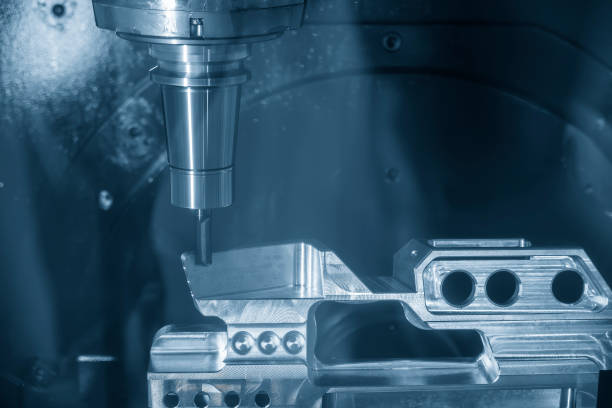
For precision CNC parts, finishing is part of the dimensional plan. Neither process creates the original CNC geometry; bores, threads, shafts, bearing seats, sealing faces, and datums already exist before surface treatment.
Anodizing both consumes some aluminum and produces outward oxide growth. Under nominal Type II conditions, an industry rule of thumb is about two-thirds penetration into the original surface and one-third outward growth. Under Type III hardcoat conditions, the rule of thumb shifts to roughly 50% penetration and 50% outward buildup. These ratios depend on alloy and process conditions and should not be treated as guaranteed dimensional constants. [2]
Electroplating adds material to the surface, so coating thickness can reduce a bore diameter, increase a shaft diameter, or affect thread fit. Critical surfaces may need allowance, masking, or post-finish inspection. [6]
Functional Finishing of Precision Features
Threads, bores, bearing seats, sealing faces, electrical contacts, and precision datums should be reviewed individually. The engineering question is whether each feature should receive the finish, be masked, or be machined with enough allowance to meet its final requirement after coating. [2]

SOURCE: Alberta Base Anodizing
Inspection and Verification
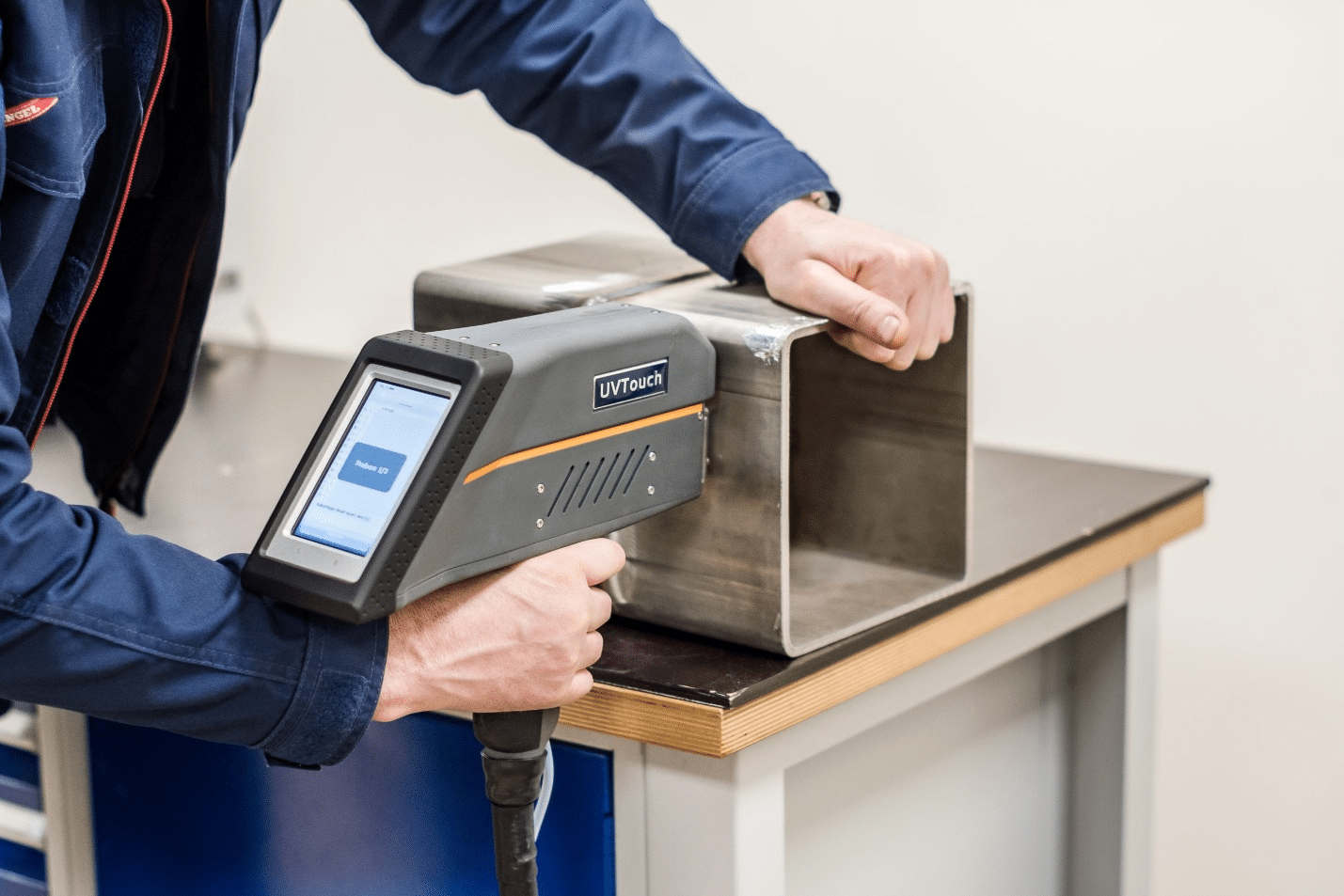
A visually acceptable coating is not automatically a functionally acceptable part. Verification may include coating thickness, dimensions, adhesion, sealing, corrosion testing, or cosmetic acceptance when those requirements are specified on the drawing or purchase documents. [4] [6]

SOURCE: Helmut Fischer
Cost Depends on the Complete Finishing Route, Not the Process Name
Neither process is universally cheaper; cost depends on the full processing route.
For anodizing, major cost drivers include alloy, pretreatment, anodizing type, thickness, coloring, sealing, masking, racking, quantity, and inspection. For electroplating, selected metal, cleaning, activation, strike layers, thickness, supplementary treatments, masking, inspection, and handling all matter. [3] [4] [6]
Aluminum plating can add preparation steps before the final metallic deposit. Certain high-strength steel parts may also need process controls to reduce hydrogen-embrittlement risk, and the applicable coating specification may restrict whether zinc electroplating is appropriate. The safest cost comparison is therefore based on the complete finish specification for the actual part. [3] [6]
How to Choose Between Electroplating and Anodizing for a Metal Part
Select the finish by identifying the substrate, defining the required surface function, reviewing service conditions, checking dimensional sensitivity, and specifying the complete finish.
Anodizing Is the Stronger Direction When…
Anodizing is often the stronger direction for a suitable aluminum alloy when the design benefits from an integral oxide surface, electrical insulation, protective or decorative anodizing, or hard anodic oxidation for a wear-oriented requirement. Aluminum alone is not enough to make the decision; alloy, thickness, sealing, functional surfaces, and service environment still matter. [1] [4] [5]
Electroplating Is the Stronger Direction When…
Electroplating is the stronger direction when the component requires a deposited metallic surface. That can include sacrificial corrosion protection on steel, conductive or contact surfaces, solderability, decorative metallic appearance, or another property tied to a particular plated metal. The plating system must be selected by function rather than by treating all plating as equivalent. [6] [7]
What to Put on the Drawing or RFQ
A useful finishing specification should identify material or alloy, coating or anodizing specification, type or class where applicable, functional surfaces, masked areas, affected bores or threads, cosmetic requirements, and required inspection. Quantity and service environment also help define the process route. [4] [6]
The final choice is controlled by the surface the part must have in service. Use anodizing when a compatible aluminum part benefits from an integral oxide; investigate an appropriate electroplated system when the part requires a deposited metallic surface. In either case, review final dimensions, masking, pretreatment or post-treatment, and inspection before releasing the part for production. [1] [3]
BaiChuan Precision Manufacturing lists CNC machining and surface-finishing options that include anodizing and plating-related processes. A practical supplier review should start with the drawing, material, finish requirement, functional surfaces, and quantity rather than selecting a finish from the process name alone. [8]
FAQ
Can aluminum be electroplated instead of anodized?
Yes. Aluminum can be electroplated, but it normally requires suitable surface preparation before the final metallic coating is deposited. The right choice depends on the required surface function. [3]
Does anodizing change the dimensions of a machined part?
Yes. Anodizing consumes some substrate while also producing outward oxide growth. Critical bores, threads, fits, and mating surfaces may require coating allowance or masking. [2]
Which finish is better when the surface needs to conduct electricity?
A suitable metallic electroplated coating is generally the more relevant route for a conductive or contact surface. Anodized aluminum oxide is dielectric rather than a conductive metallic surface. [1] [7]
Can threads and precision bores be anodized or electroplated?
They can, but coating buildup or oxide growth can affect final fit. Precision features may need masking, dimensional allowance, or post-finish verification. [2] [6]
Is hard anodizing more wear-resistant than standard anodizing?
Hard anodic oxidation is specifically used where a more wear-oriented anodic surface is required, but actual performance still depends on alloy, process conditions, coating thickness, and service conditions. [5]
References
[1] Aluminum Anodizers Council. What Is Anodizing?
https://www.anodizing.org/
[2] Aluminum Anodizers Council. Anodized Aluminum FAQ.
https://members.anodizing.org/page/anodized-aluminum-faq
[3] ASTM International. ASTM B253-11(2022), Standard Guide for Preparation of Aluminum Alloys for Electroplating.
https://store.astm.org/b0253-11r22.html
[4] International Organization for Standardization. ISO 7599:2018 - Anodizing of aluminium and its alloys - Method for specifying decorative and protective anodic oxidation coatings on aluminium.
https://www.iso.org/standard/70156.html
[5] International Organization for Standardization. ISO 10074:2021 - Anodizing of aluminium and its alloys - Specification for hard anodic oxidation coatings on aluminium and its alloys.
https://www.iso.org/standard/80119.html
[6] ASTM International. ASTM B633-23 - Standard Specification for Electrodeposited Coatings of Zinc on Iron and Steel.
https://store.astm.org/b0633-23.html
[7] U.S. Environmental Protection Agency. Development Document for the Final Effluent Limitations Guidelines and Standards for the Metal Products and Machinery Point Source Category.
https://nepis.epa.gov/Exe/ZyPURL.cgi?Dockey=P1009WH6.TXT
[8] BaiChuan Precision Manufacturing. Surface Finishes.
https://bccncmilling.com/service/surface-finishes/