
Flexible materials play a quiet but essential role in modern product design. From everyday household items to advanced medical devices, these materials allow products to bend, stretch, and adapt without losing their structure. This ability to move with pressure rather than resist it has made flexible polymers a preferred choice in many industries.
Product Design With Flexible Materials
In product development, flexibility is not only about comfort but also about function and durability. Designers often rely on these materials to improve usability, safety, and user experience while keeping products lightweight and practical. As a result, flexible polymers have become a core part of how modern products are shaped and experienced.
What Are Flexible Polymer Materials?
Flexible polymer materials are a class of materials that can bend, stretch, or compress under force and return to their original shape without breaking. Unlike rigid plastics or metals, they allow movement and adaptability, which is essential for products that need comfort, safety, or repeated use.
Flexibility in materials is not just about being soft. It is about combining resilience with durability. Designers choose flexible polymers when a product must handle stress, provide a comfortable touch, or fit various shapes without failure.
Some key points that define flexible polymer materials:
- Bendable without permanent deformation: These materials can curve or twist without cracking. For example, a silicone smartwatch band stretches to fit the wrist and returns to shape easily.
- Adaptable to different shapes: Flexible polymers can conform to complex forms, which is useful for wearable electronics or ergonomic handles.
- Durable under repeated use: They can withstand constant bending or stretching, making them ideal for items like squeeze bottles or elastic bands.
Overall, flexible polymers bridge the gap between performance and comfort, allowing designers to create products that are both functional and user-friendly.
Key Characteristics of Flexible Polymers
Flexible polymers are defined by a set of physical behaviors that make them suitable for dynamic and high-use applications. These characteristics directly influence how a product feels, performs, and lasts over time. In product design, understanding these traits helps in selecting the right material for both function and user experience.
Several core properties make these materials widely used across industries:
- Elastic behavior under stress: These materials can stretch or compress when force is applied and then return to their original form. A simple example is a silicone baking mold that can be twisted or bent without losing shape.
- Low stiffness for better adaptability: Flexible polymers require less force to deform compared to rigid materials. This makes them comfortable for applications like phone grips or wearable straps that sit against the skin for long periods.
- Shape recovery after repeated use: One of the most important qualities is their ability to maintain performance even after repeated bending or stretching. For instance, rubber bands can be stretched multiple times without losing their elasticity quickly.
- Resistance to fatigue over time: These materials are designed to handle continuous movement without cracking or weakening easily. This is why TPU is often used in shoe soles that experience constant pressure during walking or running.
- Comfort in human contact applications: Many flexible polymers feel soft or smooth against the skin, which makes them suitable for medical wearables and personal accessories like wristbands or earbud tips.
Together, these properties allow flexible polymers to perform in situations where rigidity would fail, especially in products that depend on repeated movement or direct user interaction.
Common Types of Flexible Polymers
Flexible polymers come in several forms, each designed with specific performance strengths. In product design, the choice of material depends on factors such as durability, heat resistance, softness, and cost. Understanding these differences helps designers match the right material to the right use case.
Below are some of the most widely used flexible polymers in modern product applications.
Thermoplastic Elastomers (TPEs)
TPEs combine the processing benefits of plastics with the elasticity of rubber. This makes them easy to mold while still offering a soft, flexible feel.
- Frequently used in everyday consumer products where grip and comfort matter. For example, toothbrush handles often use TPE coatings to improve handling during wet use.
- Suitable for products that need recycling or reshaping since they can be reprocessed with heat.
- Common in phone cases because they absorb minor shocks while remaining lightweight.
Silicone Materials
Silicone is known for its stability under extreme conditions. It remains flexible across a wide temperature range and performs well in both heat and cold environments.
- Often selected for medical and food-grade applications due to its safety and chemical stability. A common example is baby bottle nipples that require both softness and hygiene.
- Performs reliably in high-temperature environments, which is why it is used in baking tools like molds and spatulas.
- Maintains flexibility over long periods without degrading quickly, even with frequent use.
Polyurethane (TPU)
TPU offers a balance between flexibility and mechanical strength. It is tougher than many soft polymers while still maintaining a comfortable level of elasticity.
- Widely used in footwear, especially shoe soles that need cushioning and durability during impact.
- Common in protective gear, such as phone screen protectors and sports equipment padding.
- Performs well in applications where wear resistance is important, such as conveyor belts in industrial settings.
Low-Density Polyethylene (LDPE)
LDPE is a lightweight and flexible polymer often used in packaging and simple consumer goods. It is easy to process and cost-effective, making it highly practical for mass production.
- Commonly used in squeeze bottles because it allows controlled flow with minimal effort.
- Found in plastic bags and flexible packaging films due to its softness and moisture resistance.
- Used in applications where structural strength is less critical but flexibility is essential.
Natural Rubber
Natural rubber is one of the earliest flexible materials used in product design. It offers high elasticity and strong recovery after stretching.
- Common in elastic bands and gloves, where repeated stretching is required.
- Used in vehicle tires because it provides grip and shock absorption on different surfaces.
- Can be enhanced through processing to improve strength and durability for industrial applications.
Each of these polymers brings a different balance of flexibility, strength, and cost, which allows designers to select materials based on specific product needs.
Performance Comparison of Flexible Materials
Each flexible polymer behaves differently under real-world conditions. Designers rarely choose a material based on flexibility alone. Instead, they compare strength, heat resistance, cost, and how easy the material is to manufacture. These trade-offs shape how a product performs in daily use.
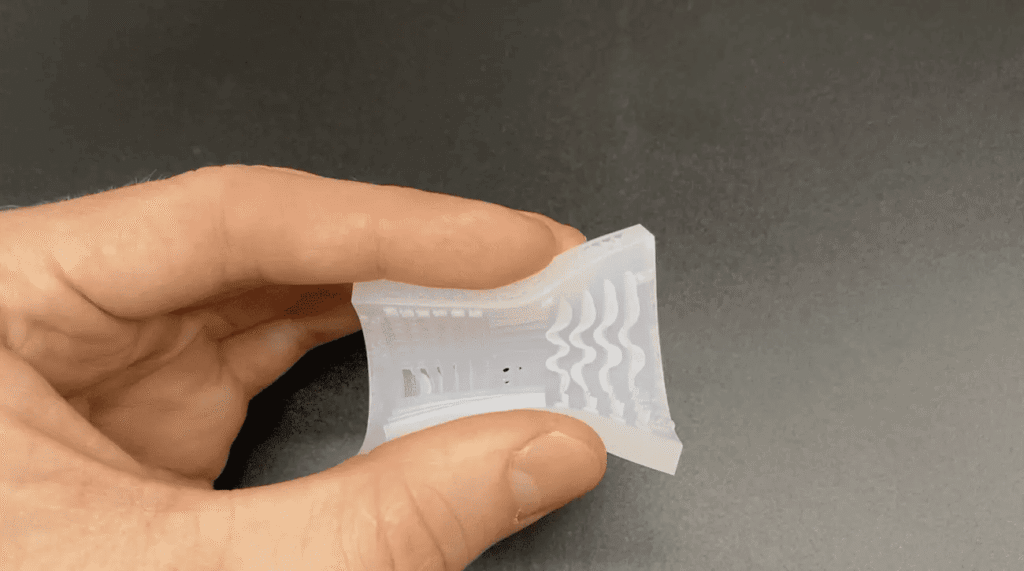
Flexible Materials in 3D Printing
A closer look at these factors helps explain why certain materials are preferred in specific industries.
- Balance between strength and flexibility: Some materials prioritize softness, while others maintain structure under pressure. Silicone, for example, stays flexible even under heat, but TPU offers a stronger, more wear-resistant surface, which makes it better for shoe soles or protective gear.
- Heat resistance differences: Not all flexible polymers handle temperature in the same way. Silicone performs well in high-heat environments, which is why it is used in baking tools. In contrast, LDPE softens more quickly under heat, making it better suited for packaging rather than cooking applications.
- Cost and production efficiency: Material choice is often influenced by manufacturing scale and budget. LDPE is inexpensive and easy to produce in large volumes, which is why it is widely used in plastic bags. On the other hand, TPU costs more but delivers better durability, making it suitable for long-lasting products.
- Resistance to wear and repeated use: Some polymers are designed to withstand constant movement without breaking down. TPU performs well in this area, which is why it is commonly found in sports equipment and footwear that experiences daily stress.
- Environmental exposure and stability: Outdoor use requires materials that can handle moisture, sunlight, and temperature changes. Silicone and certain engineered elastomers perform better in these conditions compared to natural rubber, which may degrade faster without treatment.
In practice, product designers often combine these considerations rather than relying on a single property. A medical wearable, for example, may prioritize skin safety and flexibility, while a packaging product focuses more on cost and moisture resistance.
Real-World Applications in Product Design
Flexible polymers are not limited to laboratory use. They are deeply integrated into everyday products that require comfort, movement, and durability. In product design, these materials often define how users physically interact with an object, shaping both function and experience.
Their versatility allows them to appear across multiple industries, from healthcare to consumer electronics. Each application depends on a specific combination of softness, strength, and environmental resistance.
Consumer Products
In consumer design, flexible polymers are often used to improve comfort and handling. These materials help products feel more natural in the hand and reduce strain during use.
- Soft-touch coatings on gaming controllers are a common example. They improve grip and reduce slipping during long sessions of use.
- Toothbrush handles often use flexible elastomers to create a comfortable, non-slip surface, especially in wet conditions.
- Phone cases rely on flexible TPU or silicone to absorb minor impacts while maintaining a slim profile.
Medical and Healthcare Products
Medical applications demand materials that are safe for direct contact with the human body. Flexibility here is not only about comfort but also about safety and precision.
- Wearable health monitors use soft polymers that conform to the skin without irritating it, allowing continuous tracking.
- Medical tubing often relies on silicone due to its chemical stability and ability to remain flexible under sterilization conditions.
- Surgical gloves and disposable medical tools depend on elastic materials that allow controlled movement without tearing easily.
Automotive Components
Flexible polymers play an important role in improving safety, sealing, and comfort in vehicles. They are used in both visible and hidden parts of automotive systems.
- Door seals and gaskets use rubber-based materials to prevent water and dust from entering the vehicle interior.
- Interior padding in dashboards and armrests uses soft polymers to improve passenger comfort during long drives.
- Vibration-dampening components reduce noise and absorb shocks caused by engine movement or road conditions.
Sports and Wearables
Sports products require materials that can handle repeated stress while maintaining comfort and support. Flexible polymers help absorb impact and improve performance efficiency.
- Running shoes use TPU-based foams in soles to provide cushioning and energy return during movement.
- Protective gear, such as knee pads and helmets, relies on flexible layers to reduce impact force during falls or collisions.
- Fitness bands and smart wearables use soft elastomers to ensure a secure fit without restricting movement.
Across all these applications, flexible polymers act as a bridge between performance and user comfort. Their ability to adapt to different environments makes them essential in modern product design.
Flexible vs Rigid Materials in Design
In product design, the choice between flexible and rigid materials is rarely simple. Each serves a different purpose, and the decision depends on how the product is meant to behave under stress, how it will be used, and what kind of experience is expected from the user. In many cases, both types are combined within the same product to achieve a balance between structure and comfort.
Understanding the difference between these two material categories helps clarify why certain parts of a product feel soft while others remain solid and supportive.
- Structural behavior under force: Rigid materials maintain their shape even under pressure, which makes them suitable for load-bearing parts. Flexible polymers, on the other hand, bend or compress when force is applied, which is useful for grips, seals, or protective layers. A smartphone is a clear example where the frame is rigid while the case is flexible.
- User comfort and interaction: Flexible materials improve the physical experience of using a product. For instance, the soft outer layer of a computer mouse reduces strain during long use, while a rigid internal structure maintains precision and control.
- Durability in different conditions: Rigid plastics often provide higher structural stability, but they can crack under impact. Flexible polymers absorb shock better, which is why protective phone cases or sports padding rely on them rather than rigid alternatives.
- Manufacturing and design flexibility: Rigid materials are often easier to mold into precise shapes for structural parts. Flexible materials require different processing techniques but allow more freedom in ergonomic design, especially for wearable or handheld products.
- Application-specific selection: Designers often choose based on function rather than preference. For example, a laptop body uses rigid plastic or metal for strength, while the keyboard edges or feet may use flexible rubber-like materials for stability and grip.
In real-world product development, the most effective designs rarely rely on one material type alone. Instead, they combine rigid and flexible elements to balance strength, comfort, and usability.
How to Select the Right Flexible Polymer
Choosing the right flexible polymer is a practical decision that directly affects product performance, cost, and user experience. Designers usually start by looking at what the product must endure in real conditions, then match material properties to those needs. A good choice balances durability, comfort, safety, and manufacturing limits.
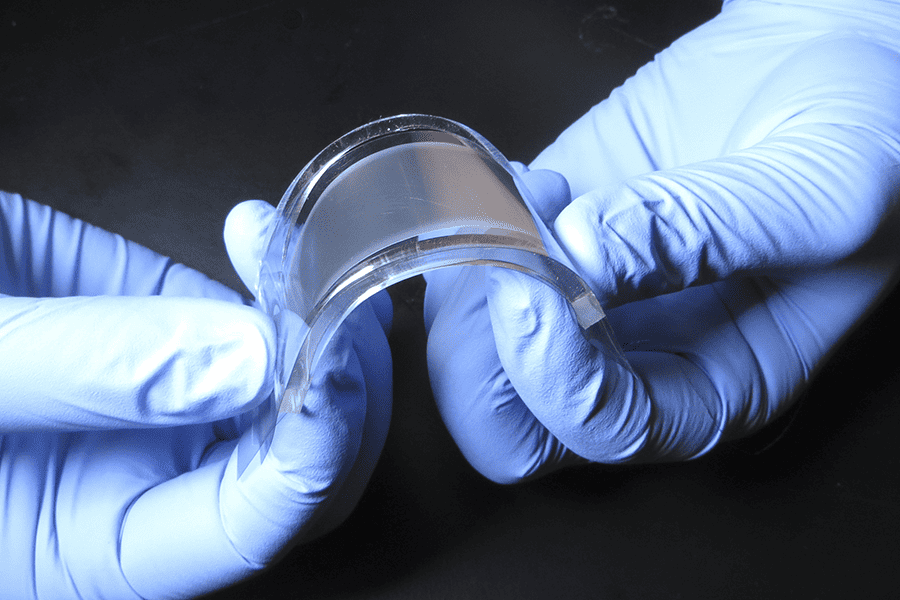
Thin, flexible materials could provide efficient cooling for mobile electronics
In many cases, the same product can have different material requirements across its parts. For example, a wearable device may need a soft skin-contact layer, but a stronger internal frame to hold its structure. This is why material selection is rarely a single-step decision.
Several factors guide the selection process in product design:
- Purpose of the product: The intended use sets the direction for material choice. A medical wearable demands skin-safe and non-irritating materials like silicone, while a protective phone case may rely on TPU for impact resistance.
- Environmental conditions: Products exposed to heat, moisture, or sunlight require more stable materials. Silicone performs well in outdoor or high-temperature environments, while LDPE is better suited for indoor or low-heat packaging use.
- Mechanical stress and movement: If a product is expected to bend, stretch, or compress repeatedly, elasticity becomes a priority. Shoe soles, for instance, use TPU because it can handle continuous pressure without breaking down quickly.
- User comfort and safety: Any product that touches the skin must feel comfortable and safe over long periods. This is why soft elastomers are used in wearable fitness trackers and medical sensors that stay in contact with the body.
- Cost and production scale: Budget constraints often influence material decisions. LDPE is commonly used in packaging because it is inexpensive and easy to manufacture in large quantities, while more advanced polymers like TPU are reserved for higher-performance applications.
In practice, designers rarely rely on a single factor. Instead, they weigh these considerations together to ensure the final product performs well in both technical and real-world conditions.
Summary of Flexible Polymer Materials
To make the comparison easier, it helps to look at flexible polymers side by side. Each material has its own strengths, and the right choice depends on how it will be used in a product. A quick overview like this is often used in early design stages to narrow down options before testing.
Below is a simple comparison of the most commonly used flexible polymers in product design:
| Material | Key Strengths | Common Uses | Practical Note |
| Thermoplastic Elastomers (TPE) | Soft feel, easy processing, recyclable | Phone cases, toothbrush grips | Good balance between cost and flexibility |
| Silicone | High heat resistance, chemical stability, skin-safe | Medical tools, kitchenware, wearables | Performs well in extreme temperatures |
| Polyurethane (TPU) | Strong, durable, impact-resistant | Shoe soles, protective gear, and electronics protection | More durable than most soft plastics |
| Low-Density Polyethylene (LDPE) | Lightweight, flexible, low cost | Packaging films, squeeze bottles, plastic bags | Best suited for simple, low-stress products |
| Natural Rubber | High elasticity, good grip, renewable source | Tires, gloves, elastic bands | Can degrade faster without proper treatment |
This type of comparison helps designers quickly understand trade-offs between cost, durability, and performance before moving into prototyping.
Conclusion
Flexible polymer materials have become an essential part of modern product design because they bring together comfort, durability, and adaptability. From simple packaging to advanced medical devices, these materials make it possible to design products that respond to movement and pressure without losing their structure. Their ability to perform under repeated use is what makes them so widely trusted across industries.
Choosing the right flexible polymer is always about balance. Designers need to think about how a product will be used, what environment it will face, and how it should feel in the user’s hands or on the body. When these factors are carefully matched with the right material, the result is a product that feels practical, reliable, and well-suited for everyday use.