
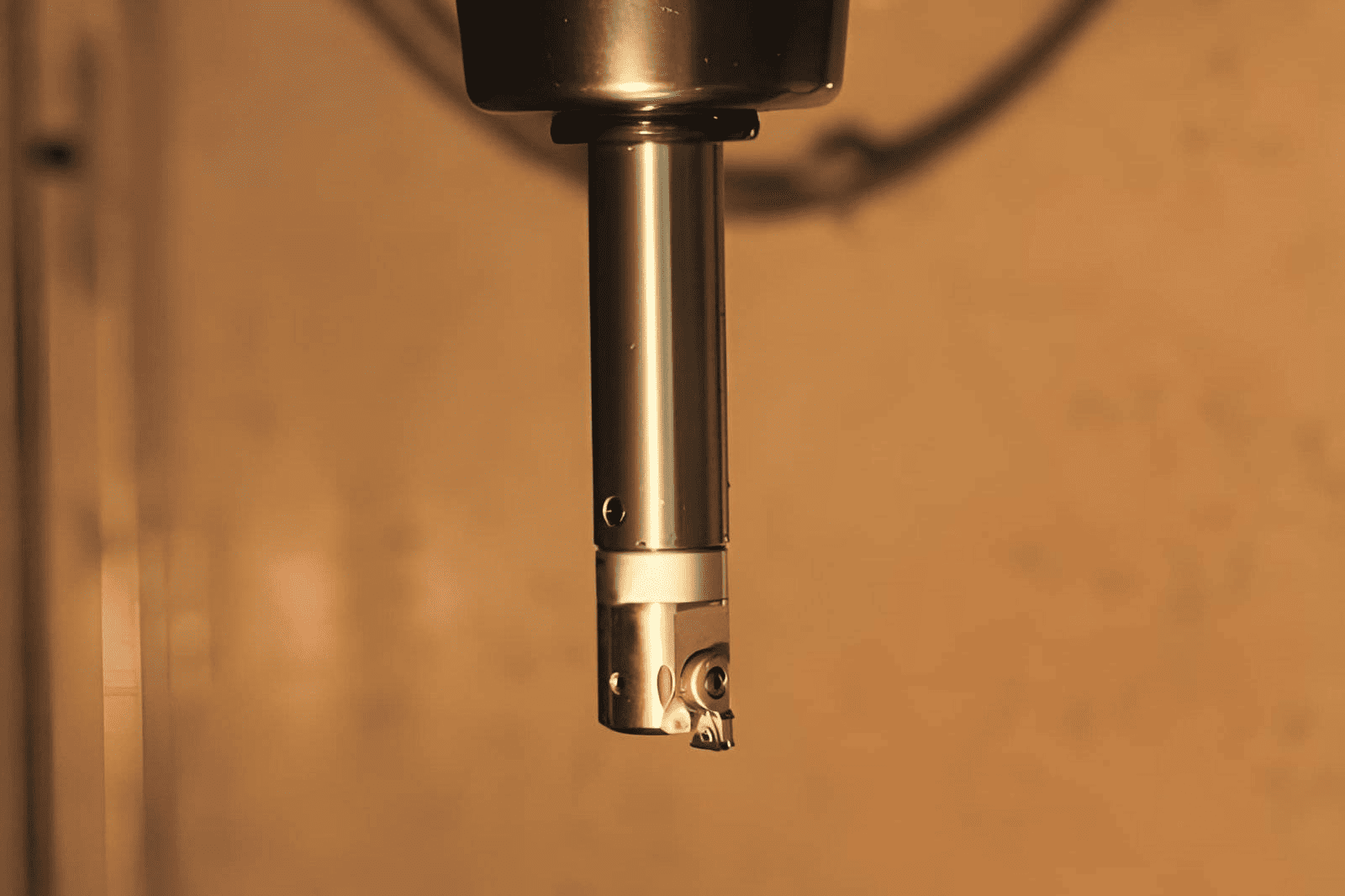
What Is Spotfacing in CNC Machining?
Spotfacing in CNC machining is the process of creating a shallow, flat circular surface around a hole so a bolt head, washer, or fastener can sit evenly.
This small machining feature is important because many parts do not naturally offer a perfectly flat seating area. A drilled hole may be accurate, but if the surface around it is rough, curved, cast, or slightly uneven, the fastener may not clamp correctly.
That is where spotfacing helps.
Instead of cutting a deep recess, spotfacing removes only a small amount of material to create a clean and controlled contact area. In practical manufacturing, this improves assembly stability, load distribution, and repeatability. General machining references also distinguish spotfaces from counterbores by noting that spotfaces mainly provide a flat seating surface, while counterbores are deeper recesses intended to set the fastener head lower into the part.
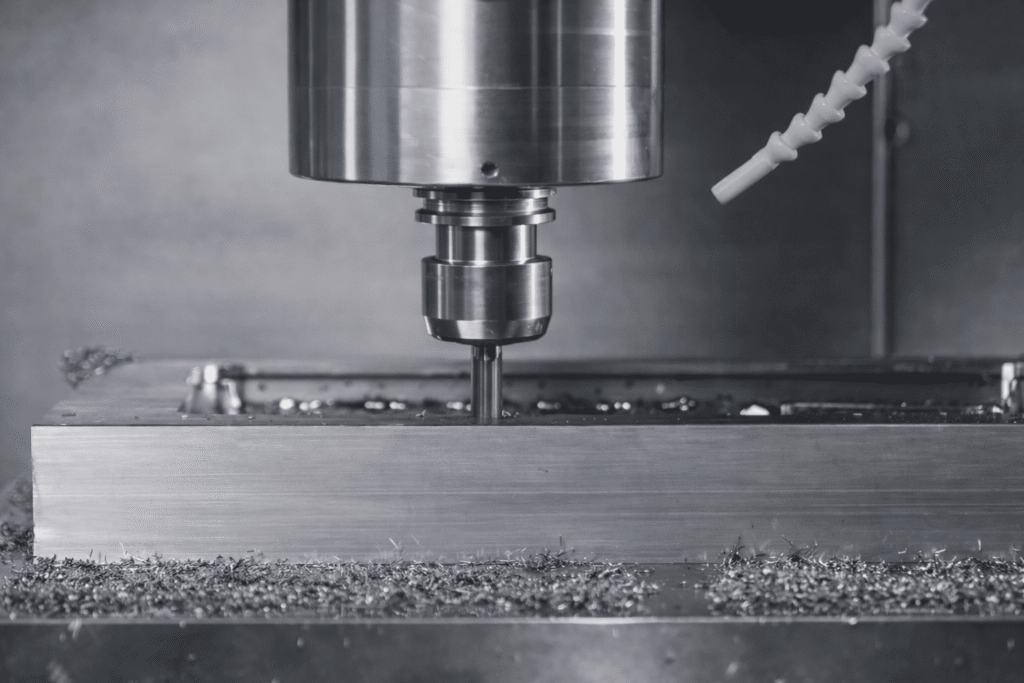
When Should You Use a Spotface?
You should use a spotface when:
- The area around a hole is not perfectly flat
- A washer or bolt head needs proper seating
- You want stable clamping without a deep counterbore
- The part surface is curved, rough, or interrupted
- You want a cleaner assembly surface with minimal extra machining
In simple words, a spotface is used when the joint needs a flat contact area, but the design does not need the fastener head to sit deeply inside the part.
Why Spotfacing Matters in Real CNC Parts
In machining, small details often affect the final part's performance more than people expect.
A bolt does not only need the right hole diameter. It also needs the right surface to press against. If the seating surface is tilted or uneven, several problems can happen:
- Uneven clamping force
- Washer tilt
- Poor alignment
- Unstable fastening
- Local surface damage
- Inconsistent torque behavior during assembly
That is why spotfacing is often used in precision parts instead of leaving the seating condition to chance.
For CNC suppliers working on industrial, medical, automotive, semiconductor, and custom aluminum parts, this feature can improve both assembly quality and customer confidence.
What Is the Difference Between Spotface, Counterbore, and Countersink?
This is one of the most common questions buyers and engineers ask.
Spotface
A spotface is a shallow, flat-bottom circular cut around a hole.
Its main purpose is to create a flat seating surface.
Counterbore
A counterbore is a deeper flat-bottom recess around a hole.
Its purpose is to let a bolt or socket-head fastener sit lower or flush inside the part.
Countersink
A countersink is a conical recess.
It is used for flat-head screws that need to sit flush with the surface.
Comparison
| Feature | Shape | Main Purpose | Typical Use |
| Spotface | Shallow, flat-bottom circular cut | Creates a flat seating area | Bolt heads, washers, uneven surfaces |
| Counterbore | Deeper flat-bottom cylindrical recess | Recesses a fastener head | Socket-head screws, flush assemblies |
| Countersink | Angled, conical cut | Fits flat-head screws | Flush screw installation |
This difference is important because many design mistakes happen when a part only needs a flat seating zone, but the drawing calls for a deeper feature than necessary. Reliable machining references describe the same basic distinction: a spotface levels the seating area, while a counterbore provides both leveling and recess depth.
How Spotfacing Is Done in CNC Machining
The process is usually simple, but it must be accurate.
A typical CNC spotfacing workflow looks like this:
- The hole location is established
- The base hole is drilled or machined
- The machine cuts a shallow circular flat around the hole
- The finished surface is checked for size, flatness, and alignment
Depending on the part design, machinists may use:
- End mills
- Counterbore-style cutters
- Dedicated spotfacing tools
- CNC interpolation methods for controlled geometry
The main goal is not deep cutting. The goal is a clean, centered, flat landing area.
If the spotface is off-center or rough, the fastener may still sit poorly even if the hole diameter is correct.
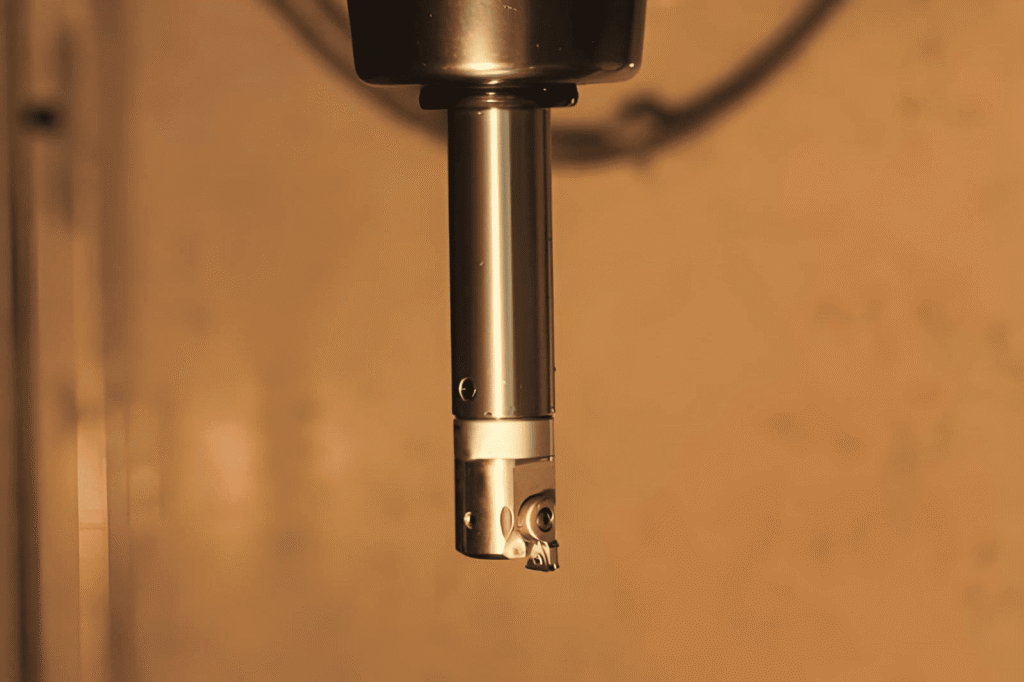
What Materials Commonly Use Spotfacing?
Spotfacing can be used across many materials, including:
- Aluminum
- Stainless steel
- Carbon steel
- Brass
- Titanium
- Engineering plastics in selected applications
In CNC shops, aluminum parts are often use spotfacing frequently because aluminum is widely used for housings, brackets, fixtures, covers, machine accessories, and lightweight industrial parts.
This is relevant for BaiChuan as well, because its site presents CNC machining services across a broad range of materials and industries, along with production examples and quote support for custom parts.
Real Manufacturing Examples Where Spotfacing Makes Sense
The best way to understand spotfacing is through real-world part situations.
1. Vacuum Chambers and Sealed Aluminum Housings
Vacuum chambers and sealed housings often use multiple bolts around covers, flanges, and access points.
If the area around each fastener is not properly prepared, clamping can become inconsistent. Even when sealing comes from a gasket or O-ring, the bolt still needs a reliable seating area to apply even pressure.
On BaiChuan’s website, vacuum chamber-related machining examples are part of the company’s visible industrial focus, which makes this a strong real-use case for explaining spotfacing.
Why spotfacing helps here:
- Creates a cleaner bolt seating area
- Improves consistency during assembly
- Reduces risk from uneven local surfaces
- Supports better fastener contact on precision housings
2. Brake Components and Performance Mechanical Parts
Brake calipers, brackets, and related aluminum parts often depend on stable mounting conditions.
A fastener may not need to be deeply recessed, but it does need to sit squarely and clamp the part with repeatable force. In this kind of part, spotfacing can be more efficient than using a full counterbore when the real need is simply a flat bearing surface.
This is a good example for CNC content because it connects directly to actual engineering behavior rather than generic theory.
3. Medical Equipment Accessories and Machine Assemblies
Medical and lab equipment parts often use aluminum housings, support plates, brackets, and accessories.
These parts usually need:
- Repeatable assembly
- Clean surface finish
- Stable fastener seating
- Controlled part geometry
If the local surface around a hole is not ideal, spotfacing can help the assembly go together more reliably without over-machining the part.
For a CNC supplier serving custom precision work, this makes spotfacing a practical and credible topic rather than just a textbook definition.
4. Electronic Housings and Structural Support Parts
Electronic enclosures, mounting plates, and support structures often include many holes for screws and standoffs.
Some designs need full counterbores. Others only need a flat circular area so the screw head or washer clamps evenly.
That is where spotfacing becomes a more cost-effective choice.
Benefits of Spotfacing in CNC Machining
Spotfacing may look like a minor feature, but it offers several real production advantages.
Key Benefits
- Improves fastener seating
- Supports more even clamping
- Reduces assembly instability
- Removes only a small amount of material
- Can lower unnecessary machining compared to deep recesses
- Helps parts look cleaner and more intentional
- Supports better repeatability in assembled products
In many cases, the feature is small, but the assembly improvement is significant.
Design Tips for Better Spotface Features
A good spotface starts with a clear design decision.
Best Practices
1. Do not make it deeper than necessary
A spotface is normally shallow.
If you make it too deep, you may increase cycle time and remove material without added benefit.
2. Match the diameter to the real fastener or washer
The seating area must support the actual contact zone, not just the hole diameter.
3. Use it where a flat seat is needed, not where flush fastener depth is required
If the fastener head must sit lower in the part, use a counterbore instead.
4. Think about finishing and post-processing
Anodizing, coating, polishing, and assembly conditions can all affect the final function of the seat.
5. Keep the feature centered with the hole
An off-center spotface can weaken the value of the feature and create assembly issues.
Common Spotfacing Mistakes
A lot of drawing and production issues happen because the feature is simple, so people underestimate it.
Common Problems
- Calling for a counterbore when only a spotface is needed
- Choosing the wrong diameter for the washer or fastener head
- Using excessive depth
- Ignoring burr control
- Poor alignment between hole and spotface
- Unclear drawing callouts
- Not thinking about how the part will be assembled
These are small issues on paper, but they can create real cost and quality problems during production.
Is Spotfacing Good for DFM?
Yes, in many situations spotfacing is a smart DFM choice. If the function only requires a flat seating surface, spotfacing is often more efficient than a deeper recess. It reduces extra cutting, avoids unnecessary material removal, and helps maintain simpler part geometry.
From a design-for-manufacturing perspective, that makes it useful because it supports function without adding complexity that the part does not truly need.
Why This Topic Fits BaiChuan’s CNC Audience
BaiChuan positions itself as a precision CNC machining supplier with ISO 9001:2015 certification, custom quote support, and experience across multiple precision industries. Its website also provides contact routes, manufacturing service pages, and industry-oriented machining content, so a blog like this fits naturally into the site’s educational and conversion-focused content strategy.
This type of article is useful because it helps:
- Engineers understand feature selection
- Buyers compare machining options
- Sourcing teams ask better questions
- Potential customers trust the shop’s technical understanding
That is exactly the kind of article that supports both SEO traffic and quote intent.
BaiChuan Contact Information
Below is a clean contact information table you can place inside the article or near the CTA. The company’s website lists this address, primary phone number, and sales email on its homepage, contact page, and quote page.
| Contact Detail | Information |
| Company | BaiChuan Precision / Kunshan Baichuan Precision Components Co., Ltd |
| Address | Building 1, No. 525 Maoxu Road, Kunshan 215312, Jiangsu, P.R. China |
| Phone | +86 185 5119 9566 |
| Additional Phone | +86 158 2828 0404 |
| Additional Phone | +86 182 1300 2051 |
| sales92@partstailor.com | |
| Additional Email | sles88@partstailor.com |
| Additional Email | julia@partstailor.com |
| Quote Page | CNC Machining Quote / Contact form available on website |
Request a Quote for Precision CNC Parts
If your part design includes spotfaces, counterbores, precision holes, or custom-machined mounting features, it helps to work with a supplier that understands how these details affect both machining and assembly.
BaiChuan supports custom CNC machining inquiries, drawing-based production, and quote requests through its website. If you want help reviewing a part with spotface features or similar hole requirements, you can contact the team directly using the details above.
Final Thoughts
Spotfacing may look like a small machining detail, but it plays an important role in how a part performs during assembly. It creates a flat and controlled seating surface around a hole so that bolts, washers, and other fasteners can sit correctly and apply force more evenly. This is especially important in precision parts where assembly reliability matters more than adding unnecessary depth or extra machining features. For engineers, spotfacing is a practical design choice that supports better fit and function. For machinists, it is a precision feature that helps produce cleaner and more assembly-ready parts. For buyers and sourcing teams, it often shows that the part has been designed with real manufacturing and end-use conditions in mind. When used correctly, spotfacing improves fastening stability, supports more consistent assembly, and helps the finished component perform the way it is intended to.
FAQs About Spotfacing in CNC Machining
1. What is a spotface in machining?
A spotface is a shallow, flat-bottom circular cut made around a hole. Its purpose is to create a smooth, flat seating area for a bolt head, nut, or washer.
2. What is the difference between spotface and counterbore?
A spotface is shallow and mainly creates a flat seating surface. A counterbore is deeper and is used when the fastener head needs to sit lower or flush inside the part.
3. When should I use a spotface instead of a countersink?
You should use a spotface when you need a flat seating area for a standard bolt head or washer. You should use a countersink when the design uses a flat-head screw that needs a conical seat.
4. Why is spotfacing important in CNC parts?
Spotfacing improves fastener seating, supports better clamping, and helps avoid assembly issues caused by rough or uneven surfaces. It is especially useful in precision parts where assembly consistency matters.
5. Can spotfacing reduce machining cost?
Yes, in many cases it can. If the part only needs a flat seating area, spotfacing may be more efficient than cutting a deeper counterbore, which can reduce unnecessary machining time and material removal.
6. What industries commonly use spotface features?
Spotface features are common in automotive parts, industrial machinery, medical equipment, electronics housings, aerospace components, and custom aluminum assemblies, where controlled fastener seating is important.
7. Can BaiChuan manufacture custom CNC parts with spotface features?
BaiChuan presents itself as a precision CNC machining supplier with custom quote support, machining services, and industry-focused production capabilities. Customers can send drawings or request a quote through the company website for custom CNC parts.