
Love your wooden beach chair? The sun might not! UV rays can ruin it fast.
To protect your wooden beach chair from the sun, use UV-resistant coatings like marine varnish or spar urethane. Regular cleaning and storage also help.
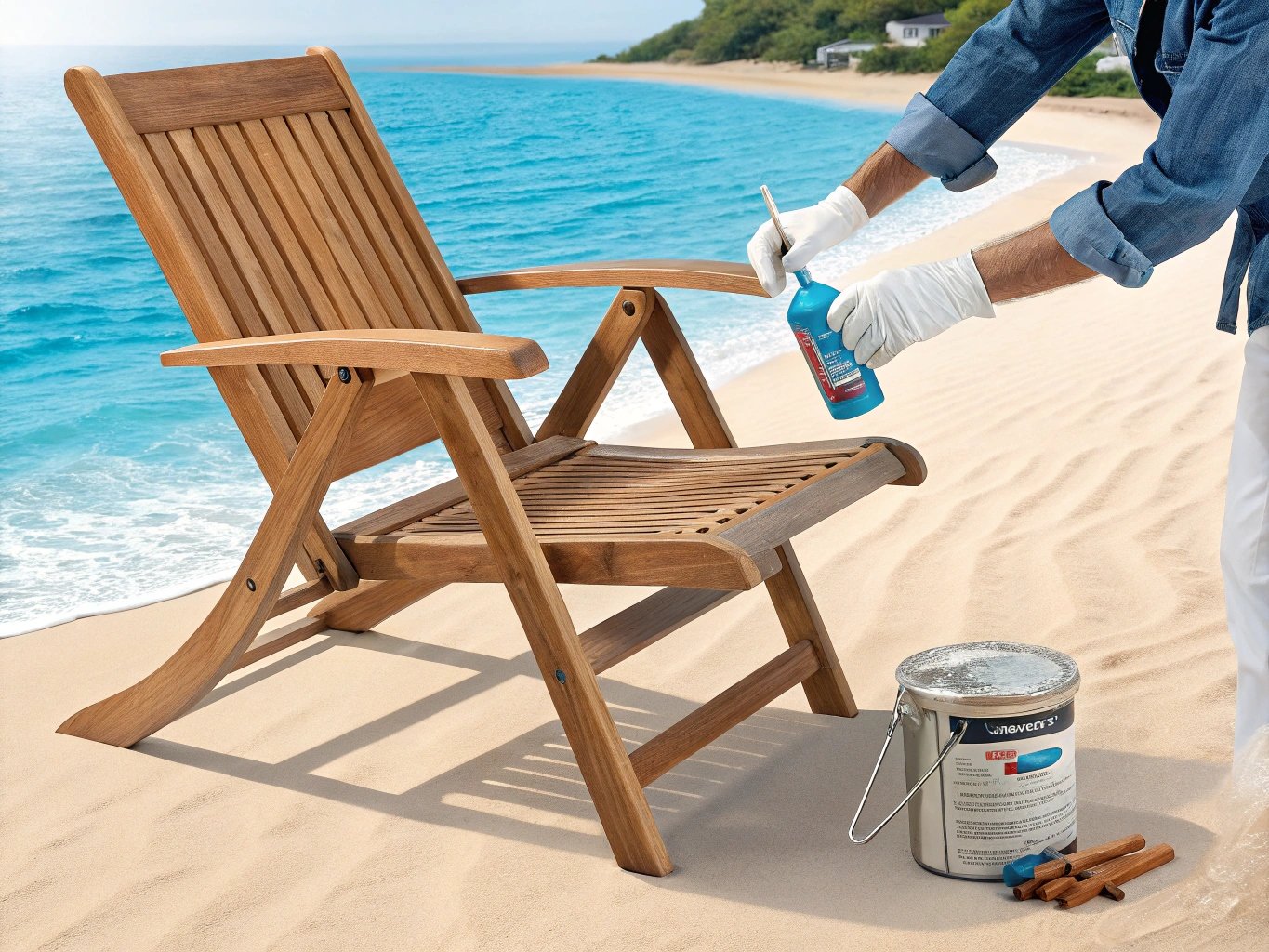
Want to know more? Let's dive into how to keep your chair looking great for years.
The Sun's Harsh Test: Why Your Wooden Beach Chair Needs Sun Protection?
Imagine your chair fading and cracking. That's what the sun can do without protection.
Without sun protection, UV rays cause wood to fade, crack, and weaken. This ruins the chair’s look and strength.
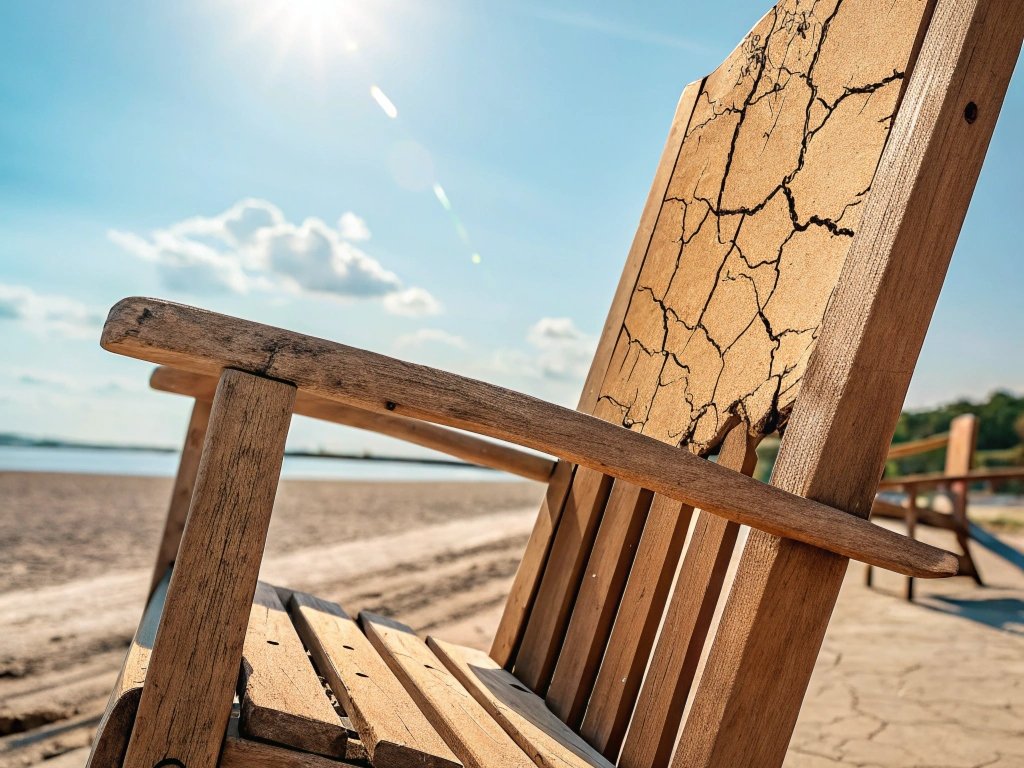
The sun's UV rays are tough on wood. They break down the wood's structure, which causes discoloration and weakens the material.
| Problem | Cause | Solution |
|---|---|---|
| Fading color | UV rays breaking down wood pigments | UV-resistant finish |
| Cracking wood | Loss of moisture and wood structure | Protective coatings to seal and protect wood |
| Weakened structure | Breakdown of wood fibers by UV exposure | Regular maintenance and protective layers |
Without protection, you might need to replace your chair sooner than you'd like. I learned this the hard way when my first beach chair started falling apart after just one summer. Now, I always make sure to apply a good UV protectant.
Protective Film Methods: Three Major Approaches to UV Protection for Wooden Beach Chairs?
Choosing the right protection can feel tricky. There are a few solid ways to go.
Three main ways to protect wooden beach chairs from UV rays are using marine varnish, spar urethane, and specialized UV-resistant wood stains.
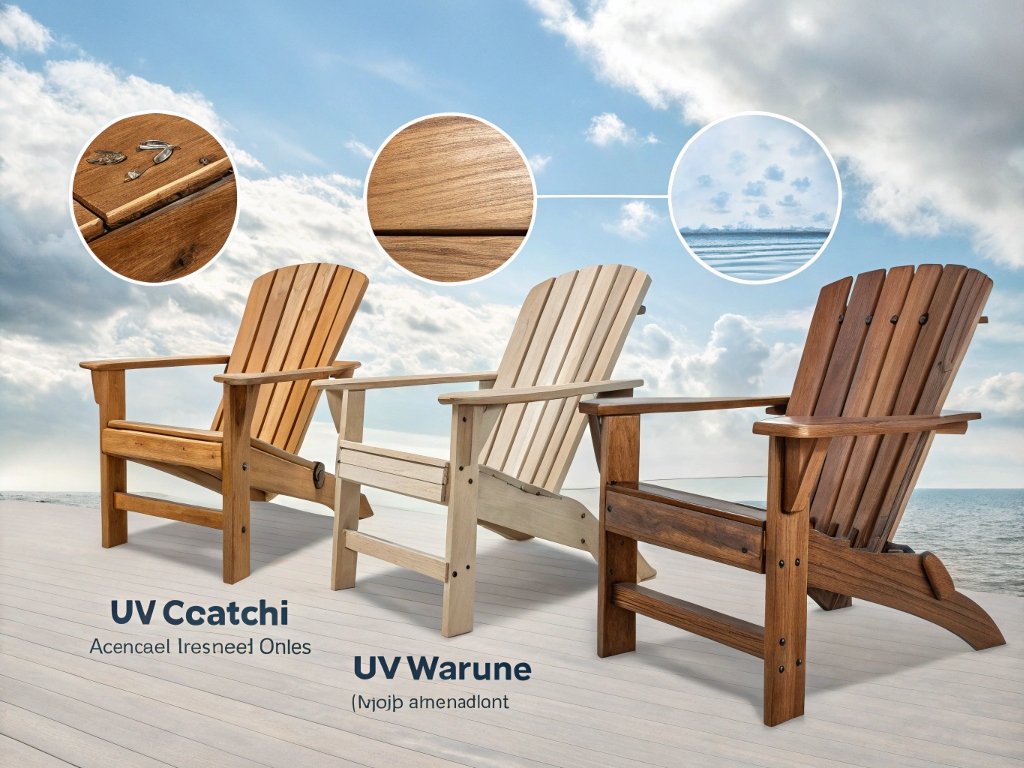
Each method has its pluses and minuses, so it's helpful to understand the options.
| Method | Pros | Cons |
|---|---|---|
| Marine Varnish1 | Excellent UV resistance, durable, glossy finish | Can be brittle, needs many coats |
| Spar Urethane2 | Flexible, good UV protection, resists cracking | Might not be as durable as varnish, can yellow over time |
| UV Wood Stains3 | Adds color, good UV protection, easy to apply | May not provide as much protection as varnish or urethane |
I usually use spar urethane because it's flexible and holds up well against the beach weather. However, if you want the most protection and don't mind some extra work, marine varnish is a great option.
The "Hardcore" Choice: Key Indicators for Durable UV Protection?
Not all products are created equal. Look for these signs of quality.
Key signs of durable UV protection include products labeled "marine grade," high UV resistance ratings, and formulations designed for outdoor use.
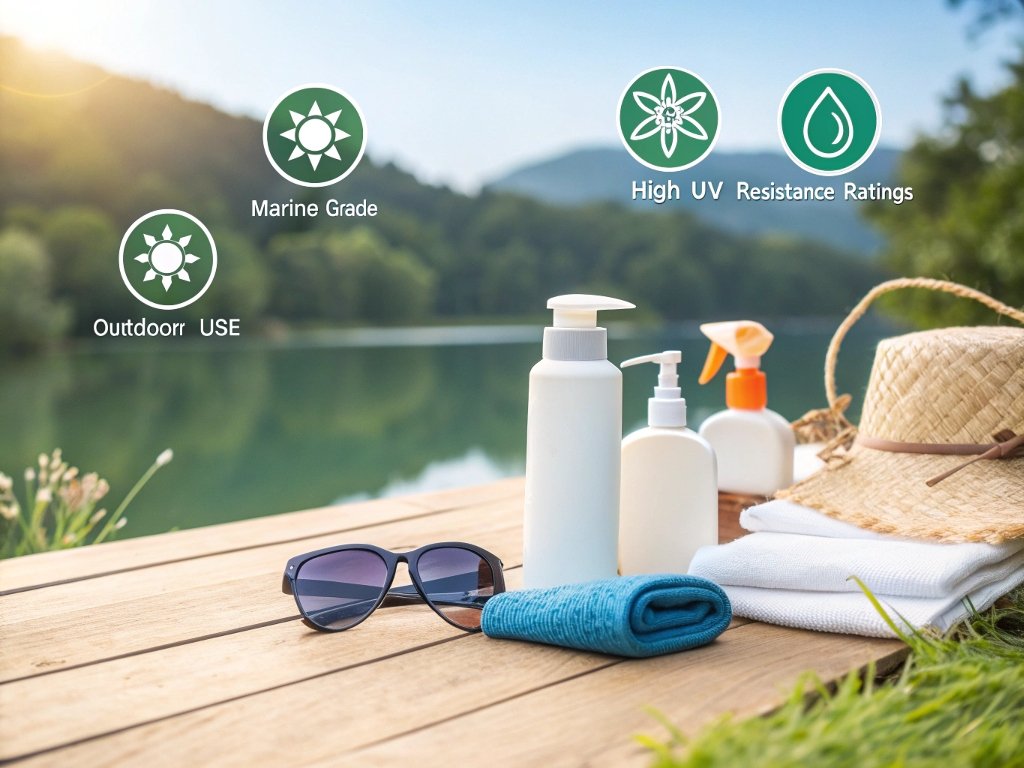
Choosing the right product means checking for specific indicators that show it can handle the sun's harshness.
Consider these factors:
| Indicator | Description | Why it matters |
|---|---|---|
| "Marine Grade" | Designed for boats and marine environments | Withstands extreme weather, salt water, and intense UV exposure |
| UV Resistance | Look for ratings or labels indicating high UV resistance | Shows how well the product blocks UV rays |
| Outdoor Use | Formulated specifically for outdoor applications | Contains additives that protect against weather and UV degradation |
When I'm shopping, I always look for "marine grade" labels. This gives me confidence that the product can handle the sun and sea. I also check reviews to see how others have found the product in real-world conditions.
A Fresh Start: Applying UV Protection to Wooden Beach Chairs—Easy for Beginners?
Don't worry, applying protection is easier than you think.
To apply UV protection, clean the chair, lightly sand it, apply thin, even coats of your chosen product, and let it dry completely between coats.
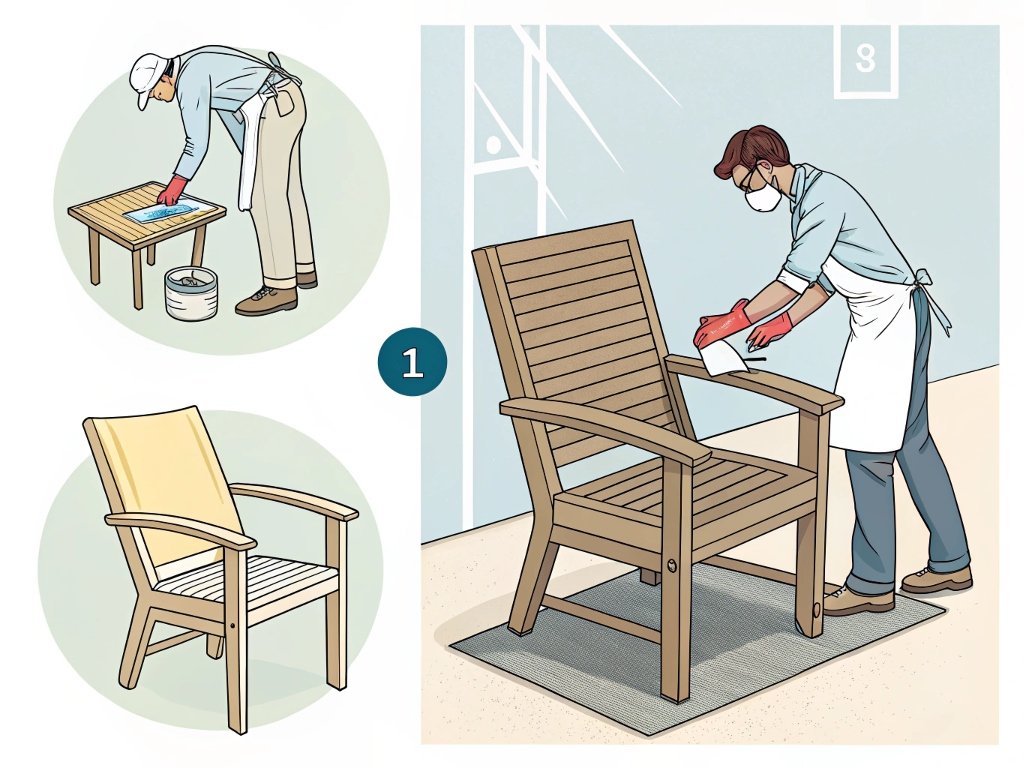
Here’s a step-by-step guide to help you get it right:
- Clean the chair: Remove dirt and grime with soap and water.
- Sand lightly: Use fine-grit sandpaper to create a smooth surface.
- Apply thin coats: Use a brush or spray, following the product directions.
- Let it dry: Allow each coat to dry completely before applying the next.
I remember the first time I tried this, I rushed and ended up with a sticky mess. Now, I take my time and apply thin, even coats. It makes a huge difference in the final result. Usually, two to three coats are enough for good protection.
Long-Term Protection: Daily Maintenance Tips for UV Protection of Wooden Beach Chairs?
Protection doesn't stop after the first coat. Keep it up with regular care.
To maintain UV protection, clean your chair regularly, store it in the shade when not in use, and reapply protective coats every year.
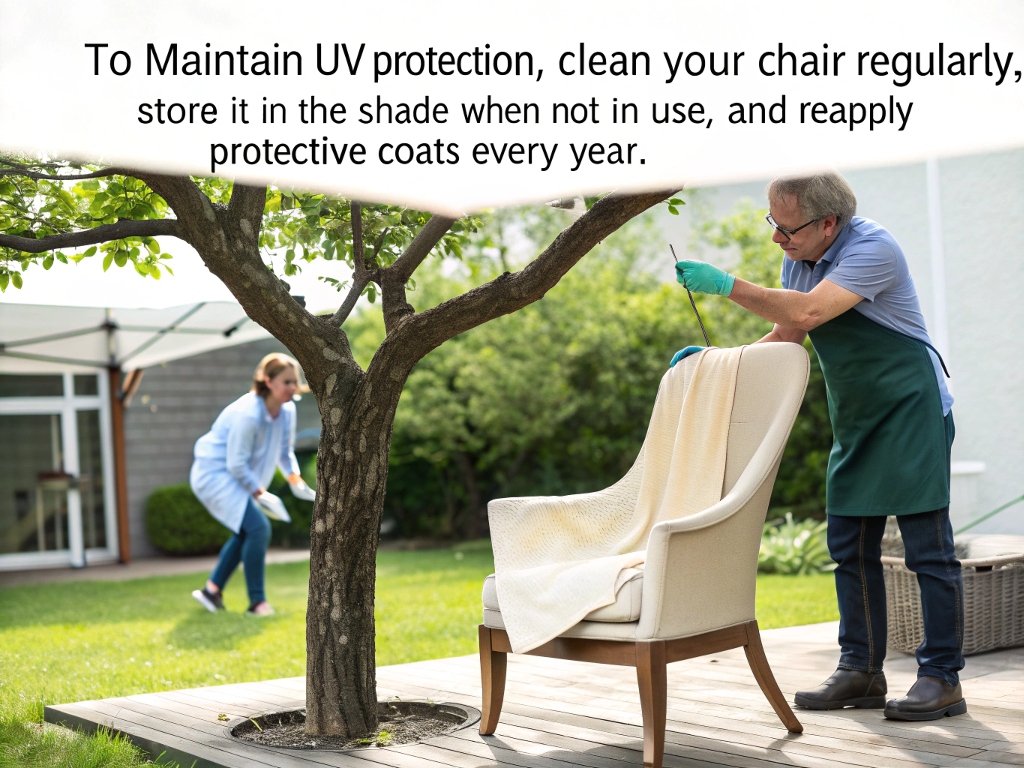
Daily maintenance is key to keeping your chair in top condition and extending the life of the UV protection.
Follow these tips:
| Tip | Description | Why it matters |
|---|---|---|
| Regular Cleaning | Wipe down the chair after each use to remove dirt and salt | Prevents buildup that can degrade the protective finish |
| Shaded Storage | Store the chair in a shaded area or indoors when not in use | Reduces direct UV exposure |
| Annual Reapplication | Reapply a coat of UV protectant every year or as needed | Maintains the protective barrier against UV rays |
I make it a habit to wipe down my chair after each beach trip. It only takes a few minutes, but it keeps the chair looking great. Also, I always store it in the garage when I’m not using it to keep it out of the sun.
Conclusion
Protecting your wooden beach chair is easy with the right steps. Keep it looking great for years!
Learn about Marine Varnish's superior UV resistance and durability, making it a top choice for outdoor wood protection. ↩
Explore the advantages of Spar Urethane, especially its flexibility and UV protection, ideal for outdoor conditions. ↩
Discover how UV Wood Stains can enhance the appearance of wood while providing decent UV protection, perfect for quick applications. ↩