

How To Evaluate CNC Machining Suppliers: 7 Key Questions Regarding Machining Capabilities, Inspection, and Quality Control
1. Introduction
Choosing a CNC machining service can directly affect your production costs, delivery schedules, and part accuracy. But evaluating CNC machining suppliers solely on cost can lead buyers to overlook important factors such as machining capabilities, quality control, and inspection procedures.
Conducting an efficient evaluation of CNC machining suppliers helps you determine whether a manufacturer can meet your technical requirements and maintain consistent quality across multiple orders. Asking the right questions before placing an order can help reduce production risks and identify a reliable CNC machining partner.
2. What Should You Look for in CNC Machining Capabilities?
When evaluating a CNC machining supplier, look beyond the number of machines they operate. Examine whether their equipment specifications, machining procedures, and available production capacity meet your component needs.
However, a supplier with advanced equipment may still lack the necessary tooling, technical expertise, or production capacity to manufacture your parts consistently. Evaluating these factors helps you determine whether the supplier can handle your initial production run and maintain consistent quality across repeat orders.
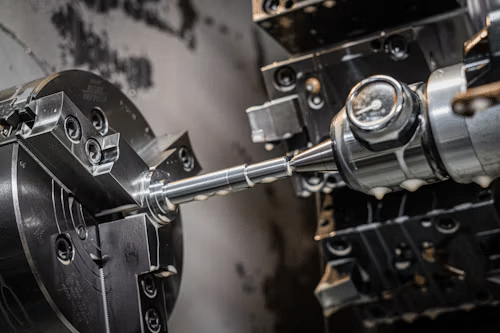
Photo by Sven Daniel on Unsplash
Available CNC Machining Methods and Processes
Start by identifying the CNC machining processes a manufacturer offers. Common options include CNC milling, turning, drilling, and multi-axis machining. Confirm that the supplier has experience with the machining operations your parts require, as each process serves different manufacturing needs and design specifications.
CNC milling service is suitable for producing parts with complex geometries, pockets, slots, and contoured surfaces. It removes material from a workpiece using rotating cutting tools that move along different axes to achieve the required shape and dimensions. In contrast, CNC turning is commonly used to manufacture cylindrical components such as threaded parts, bushings, and shafts. This process involves rotating the workpiece against a cutting tool that feeds along its surface to remove material and achieve the desired dimensions.
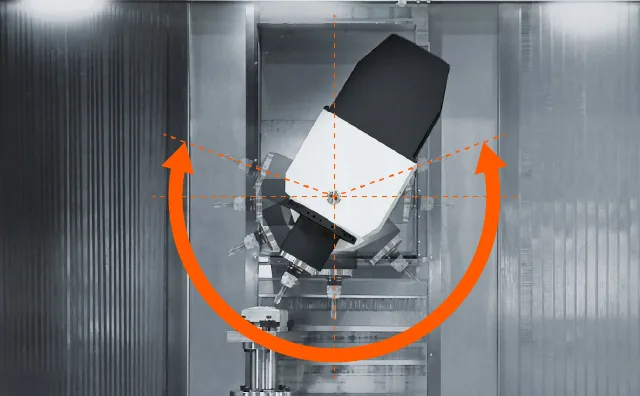
Research indicates that machining strategy significantly influences cutting time and surface quality. You should also check whether the supplier offers 3-, 4-, or 5-axis CNC machining. Machines with additional axes can produce more complex geometries and access multiple part surfaces in fewer setups. However, 3-axis machining remains suitable for many standard components with relatively simple geometries.
Multi-axis machining performance depends on several interacting factors, including machine characteristics, tooling, workholding, and cutting conditions. Machining efficiency can also be influenced by cutting parameters such as radial depth of cut and tool tip radius, which affect material removal rates and machining time.
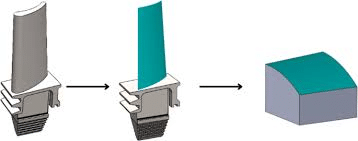
Check whether the required machining processes are performed in-house or outsourced to an external supplier. Outsourcing certain processes can introduce additional scheduling, quality control, and coordination challenges. To assess the supplier's technical experience, request samples of previously manufactured components with similar designs and specifications.
Machine equipment and production capacity
Check whether the supplier's machines can accommodate your production requirements, material specifications, and component dimensions. Key specifications to review include the machine's working envelope, spindle speed and power, axis configuration, tool magazine capacity, and available workholding systems. For example, a five-axis machine may still be unsuitable if your component exceeds its working envelope.
Do not assess a supplier's production capacity solely by the number of machines it operates. Consider its ability to handle your expected order volume, existing workload, setup requirements, tooling availability, and operating hours. A manufacturer may operate enough machines but still have limited production capacity because most of its equipment is already committed to other projects.
Ask about your target delivery date, expected batch size, and expected repeat orders anticipated. Request an explanation of the supplier's production planning procedure and a reasonable lead time estimate. Research on CNC production scheduling highlights how machine availability, setup times, tooling requirements, and job sequencing influence production efficiency
3. Which Component Specifications and Materials Can Your Supplier Manage?
The first step in evaluating a CNC machining supplier is determining whether it can machine your specified materials, component dimensions, and geometric features. Check whether the supplier has experience machining your specific material grade and condition, as well as producing components with similar design requirements. Before providing a quote, the supplier should assess potential manufacturing constraints related to material properties, component geometry, and machining requirements.
Material machinability influences the selection of cutting parameters, tooling, and coolant strategies. Difficult-to-machine materials may require specialized cutting tools, optimized machining parameters, and appropriate coolant strategies to achieve the required surface finish and dimensional accuracy.
Availability and Compatibility of Materials
Find out which materials, such as aluminum alloys, carbon and stainless steels, brass, titanium, or engineering plastics, the supplier regularly machines. Different materials have different machining characteristics that affect tool wear, heat, cutting forces, surface integrity, and production time. The supplier should understand machinability varies with material qualities, condition, and the machining setup.
Verify the supplier's ability to source the grade and condition you specified in design. When your project demands specification, ask for material test certificates or traceability records. Make sure the supplier obtains your approval before substituting any specified material.
Components, Dimensions, and Geometric Complexity
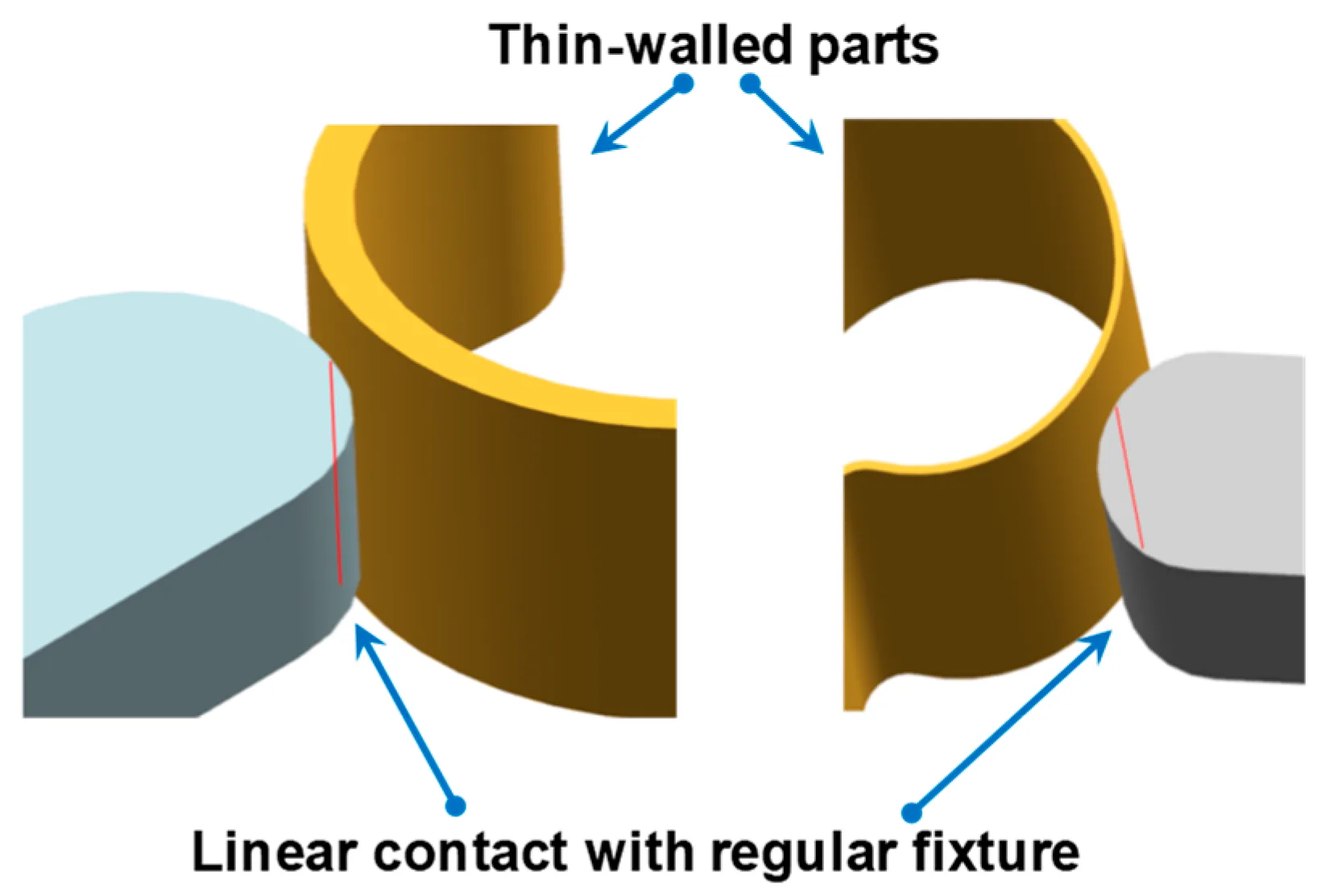
Evaluate the supplier's machine capacity and workholding system to see if they can accommodate your component's size, weight, and important features of your product. Features such as curved surfaces, thin walls, tiny slots, and deep recesses can limit tool access or necessitate extra setup.
As discussed in Why Is 5-Axis CNC Machining Particularly Suitable for Complex Parts?, complex geometries can influence setup planning, tool selection, and machining costs. Provide the supplier with up-to-date 2D engineering drawings and 3D CAD files, including material specifications and dimensional tolerances. Ask the supplier to identify any features that may require specialized fixturing or design modifications before production begins.
4. What Surface Finishes and Machining Tolerances Can Your Supplier Achieve?
When evaluating a CNC machining service, check whether the manufacturer can reliably achieve the surface finish and dimensional tolerances specified in your engineering drawings. A supplier's general capability claims are not sufficient. Inquire about how it will achieve the required accuracy and confirm that it meets the product specifications.
Achieving tighter tolerances and finer surface finishes may increase production costs because it requires additional machining operations, specialized tooling, and more extensive inspection.
Accessible Machining Tolerances
Find out what geometric and dimensional tolerances the supplier can sustain across manufacturing runs. They may include diameter, flatness, parallelism, perpendicularity, and positional accuracy, which are a few characteristics.
Put particular focus on important details, including assembly contacts, mating surfaces, and bearing fittings, because dimensional deviations can affect component fit and performance. Ask the supplier about the measurement and compensating techniques as well as how geometric defects in CNC machine tools impact machining accuracy.
Ask for evidence that the supplier can achieve the required tolerances, along with details of its measurement and inspection methods. Avoid specifying tighter tolerances than the component's function requires, as unnecessary precision can increase production and inspection costs
Surface Finish Capabilities and Requirements
Use a suitable parameter, such as Ra (arithmetic average roughness), given in micrometers (µm), to specify the particular surface roughness. The acceptable surface finish is determined by the component's intended function, particularly required wear resistance, comprising friction, sealing, and fatigue performance.
In recent research, it has been found that surface roughness is influenced by several factors such as cutting tools, feed rate, cutting speed, machine settings, and tool wear. Find out if the supplier can achieve the desired finish directly through machining or if it requires secondary processes like grinding or polishing. Before approving manufacturing, obtain sample measurements or inspection records from similar parts from comparable components to verify that the supplier can consistently meet the required surface finish.
5. What Inspection Tools and Processes Does the Supplier Use to Ensure Part Accuracy
Dimensional accuracy is critical in high-precision CNC manufacturing, particularly when machining materials with different mechanical and thermal properties. Variations in these properties can affect machining behavior and make it more challenging to maintain the required tolerances. In addition, evaluating machine tool accuracy is essential for assessing equipment performance, planning maintenance, and determining whether a machine meets manufacturing requirements.
Machining tests provide a practical way to evaluate machine performance under actual cutting conditions. These tests help manufacturers assess machining quality and cycle time rather than relying solely on theoretical machine specifications. When comparing suppliers, ask how the supplier verifies critical dimensions, identifies defects, and confirms that finished components match your engineering drawings. The inspection methods should suit the part's geometry, tolerance requirements, and production volume.
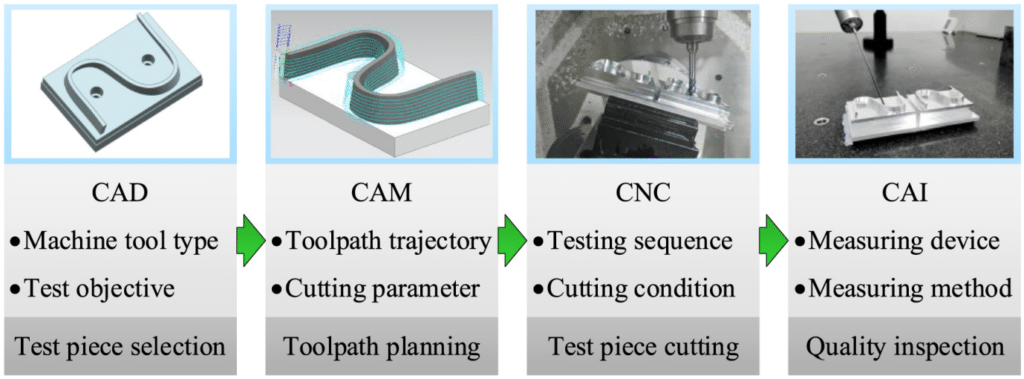
Acceptance test procedure for machine tools.
Equipment for Dimensional Inspection and Measurement
Verify whether the supplier has the necessary tools, such as digital calipers, micrometers, bore gages, height gages, and coordinate measuring machines (CMMs). Manual instruments are useful for checking accessible dimensions, such as external diameters and thicknesses. However, CMMs can measure complicated geometries and confirm dimensional and positional properties.
An experimental study comparing digital vernier calipers and CMMs across five engineering materials found that CMMs provided greater measurement consistency, with standard deviations remaining below 0.0035 mm. Ask the supplier how frequently inspection equipment is calibrated and whether calibration certificates and measurement reports are available for critical features. These records help establish measurement traceability and confirm that finished components meet the specified tolerances.
Procedures for First-Article and Production Inspection
Before starting full production, find out whether the supplier conducts first-article inspection (FAI). This inspection helps detect early on manufacturing problems and confirms that an initial component satisfies the engineering drawing specifications. Additionally, determine whether final inspections conducts before delivery and how often dimensions are checked throughout manufacturing.
Recent research on in-process inspection highlights that machine-mounted probes can identify dimensional deviations during milling, allowing measurement, which eliminates the need for some independent inspection procedures. Ask the supplier for sample inspection reports to understand how measurements are documented, how nonconforming components are identified, and what corrective actions are taken when parts fail to meet specifications.
6. How Does the Supplier Maintain Quality During Production?
Consistent component quality requires more than a successful first-article inspection. When evaluating a CNC machining supplier, examine how the manufacturer controls production processes, monitors variations, and prevents defects during machining. Ask who is responsible for addressing quality issues and how routine quality checks are integrated into production.
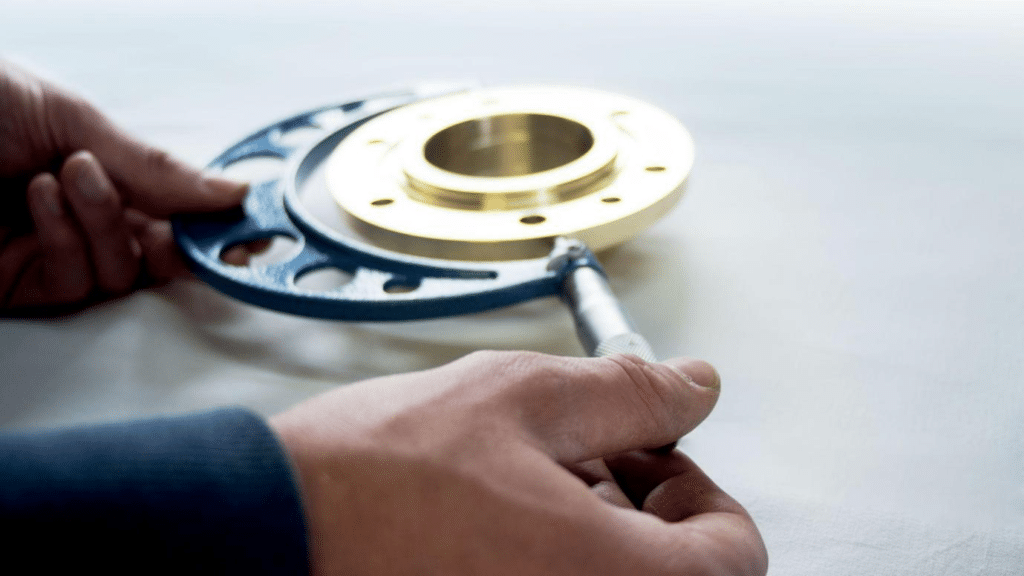
In-Process Quality Inspections
Moreover, determine whether critical dimensions are inspected at defined manufacturing stages rather than only after components are completed. Statistical process control (SPC) helps manufacturers monitor production consistency through control charts, allowing them to identify unusual process variations before they result in defective parts.
Research on statistical process control discusses its application in monitoring manufacturing processes. Some manufacturers use X-bar and R control charts to track process variation and assess stability. Additionally, ask how the supplier monitors cutting conditions and tool wear, as worn tools can affect both surface finish and dimensional accuracy.
These practices help determine whether the supplier can maintain consistent quality across production batches
Defect Prevention and Corrective Actions
Ask how the supplier manages nonconforming components and prevents recurring quality issues. A structured quality management process should include identifying affected parts, segregating them from approved products, investigating the root cause, and implementing appropriate corrective actions. These steps help prevent defective components from moving further through production or reaching customers.
Also, determine how the supplier verifies the effectiveness of corrective actions and ensures that similar problems do not recur. Reviewing how the manufacturer handles customer complaints, production deviations, and rejected components can provide insight into its approach to quality management. A supplier with an effective corrective and preventive action (CAPA) process should demonstrate a systematic approach to resolving existing problems and reducing the risk of future defects.
7. What Quality Documentation and Certifications Does the Supplier Offer?
A CNC machining supplier's documentation and certifications provide useful evidence of its quality management practices and ability to meet product requirements. Request documents that verify material specifications, inspection results, and conformity with your engineering drawings. These records also support traceability and help investigate quality issues that may arise after component delivery.
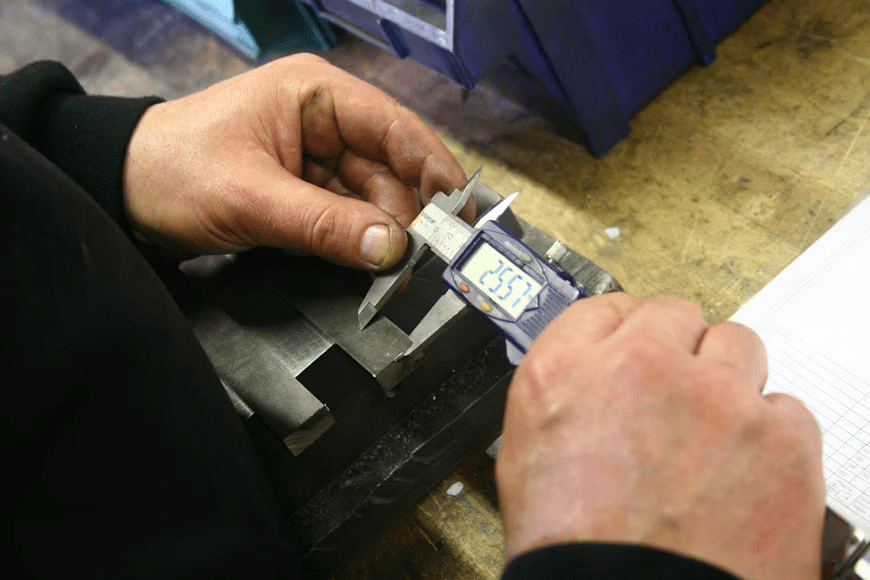
Photo by Hans Westbeek on Unsplash
Certificates of Material and Inspection Reports
Depending on the project requirements, request first-article inspection (FAI) reports, material test certificates, dimensional inspection reports, and certificates of conformity (CoC). Dimensional inspection reports compare actual measurements with drawing specifications, while material test certificates verify the supplied material's grade and relevant properties. A CoC confirms that the delivered components meet the agreed requirements.
For critical components, also ask whether the supplier maintains production batch traceability records and calibration records for its inspection equipment. These documents help establish whether the manufacturer can consistently verify material quality, dimensional accuracy, and product conformity throughout production.
Certifications and Compliance for Quality Management
Check whether the manufacturer holds ISO 9001 certification, which demonstrates that its quality management system has been assessed against internationally recognized requirements. Depending on the industry and customer requirements, additional certifications may also be relevant. For example, AS9100 applies to aerospace quality management, while IATF 16949 addresses quality management requirements in the automotive industry.
When reviewing certification documents, verify their validity, the manufacturing location they cover, the scope of certified activities, and the issuing certification body. However, certification alone does not guarantee that every machined component will meet your specifications. Evaluate the supplier's actual inspection records and documented quality procedures to determine whether its manufacturing processes can consistently meet your requirements.
8. How Does the Supplier Make Sure of Consistent Quality across Repeat Orders?
A supplier's ability to produce a satisfactory first batch does not guarantee consistent results on subsequent orders. When evaluating a CNC machining supplier, examine whether it follows documented manufacturing procedures, maintains controlled machine setups, and uses standardized production parameters.
These practices help ensure that the same component can be manufactured repeatedly with consistent dimensional accuracy and quality across multiple production runs.
Process and Production Consistency
Ask whether the supplier maintains workholding setups, cutting parameters, tooling requirements, and approved CNC programs for subsequent orders. Consistent fixture positioning is particularly important because variations in workpiece location or clamping force can affect dimensional accuracy and machining repeatability.
A review by Hans-Christian Möhring and colleagues, published in CIRP Annals in 2025, that describes how workpiece clamping and fixture design affect process reliability, precision, and repeatability in machining. Additionally, CNC asks how the supplier keeps track of machine status and tool wear between production cycles to prevent variations in CNC machining quality inspection.
Revision Control and Documentation
Production records are equally important for maintaining consistency across repeat orders. Check whether the supplier retains approved material specifications, CNC programs, manufacturing records, inspection reports, and previous engineering drawings. These documents help operators reproduce the approved manufacturing process instead of relying on memory or informal instructions.
Finally, find out how engineering modifications are notified and whether you need to approve updated drawings or specifications before production begins. Prioritize manufacturers who uphold order traceability and adhere to controlled procedures for modifications. This decreases the risk of getting parts with unexpected variations in finishes, dimensions, or materials specifications.
Comparison Table: CNC Machining Supplier Evaluation Checklist
| Evaluation Criteria | What should you check? | Evidence to ask |
|---|---|---|
| Machining capabilities | Available processes, machine types, and production capacity | Machine list and capability details |
| Materials and specifications | Part complexity, dimensions, grades, and supported materials | Material specifications and sample parts |
| Tolerances and surface finishes | Capability to meet specified surface finish standards and tight tolerances | Sample measurements or inspection records |
| Inspection procedures | Measuring equipment and inspection phases | The records of calibration and inspection |
| Production quality control | Defect-prevention techniques and in-process inspections | Quality control data |
| Certifications and documentation | Traceability and corresponding quality certifications | Trustworthy certifications along with significant test outcomes |
| Repeat-order consistency | Manufacturing consistency, revision control, and process records | Verified samples and prior production records |
9. FAQ
1. How Do You Verify the Machining Tolerances Claimed by a Supplier?
Request dimensional inspection reports for comparable components and confirm that the supplier uses calibrated measuring equipment, such as coordinate measuring machines (CMMs), to verify critical dimensions. For new projects, review the first-article inspection (FAI) report and confirm that the initial component meets the specified requirements before authorizing full-scale production.
2. Is CNC Machining Quality Guaranteed by ISO 9001 Certification?
No, ISO 9001 certification indicates a supplier's adherence to an audited quality management system; it does not ensure components are free of flaws. Before choosing a supplier, always check manufacturing controls, inspection records, and real part measurements.
3. How Do You Compare CNC Machining Providers Other Than Cost?
Compare the CNC machining supplier and evaluate its manufacturing controls, inspection records, and actual measurement results to determine whether it can consistently meet your specifications. Reviewing inspection records, previous projects, and production processes can help you identify a supplier that offers the best overall value and long-term reliability, rather than simply the lowest price.
4. Is a CNC Machining Sample Required before Bulk Production?
Yes. Requesting a prototype or sample before bulk production is recommended, particularly for complex or high-precision components. It allows you to verify dimensional accuracy, material specifications, surface finish, and overall compliance with engineering drawings. Reviewing and approving the sample helps identify potential manufacturing issues before they affect the entire production batch.
5. Can one CNC machining supplier manage both mass production and prototyping?
Yes. Many CNC machining suppliers offer both prototyping and large-scale production services. However, verify that the manufacturer has suitable equipment, flexible production capacity, and consistent quality control to handle different order volumes. The ability to maintain dimensional accuracy and repeatable quality from initial prototypes to full-scale production is particularly important.
Final Thoughts
Choosing the best CNC machining supplier takes more than comparing quotes.
Evaluate each manufacturer's machining capabilities and material expertise, feasible tolerances, inspection procedure, and quality management policies. A reliable supplier should meet your technical specifications, maintain consistent production quality, and accommodate future manufacturing requirements.
Whether you need prototypes or large-scale production, BCCN offers CNC machining solutions to support your project requirements. Explore our manufacturing capabilities to find the right solution for your next project.