

Let's start with the basics - how to select the right metal for a vacuum chamber. It's a crucial decision, which affects not only the function but also the cost and lifetime of the vacuum chamber. Especially in semiconductor, photovoltaic, and coating industries, the vacuum chamber is frequently used.
When selecting a material for vacuum chambers, aluminum offers lightweight properties and cost-effectiveness, stainless steel provides durability and corrosion resistance, and titanium stands out for its superior strength-to-weight ratio and exceptional corrosion resistance. These materials each have their unique advantages and disadvantages, making the choice crucial for the success of your vacuum chamber application.
But how do these materials perform under the rigorous demands of a vacuum environment? Let's compare.
Aluminum: Lightweight and Cost-Effective
Aluminum is renowned for its excellent thermal and electrical conductivity, combined with its lightweight nature and affordability. These properties make it an attractive choice for many applications, particularly where weight and budget are significant constraints.
Benefits of Aluminum:
- Cost-Effectiveness: Compared to stainless steel and titanium, aluminum is more budget-friendly, offering a cost-effective solution for vacuum chamber construction.
- Thermal Conductivity: Aluminum's high thermal conductivity is beneficial for applications requiring rapid heat dissipation.
- Lightweight: Its low density makes it ideal for applications where overall equipment weight is a concern.
Drawbacks:
- Softness: Aluminum is more prone to scratching and deformation, which could compromise the vacuum integrity over time.
- Chemical Reactivity: It may react with certain chemicals, limiting its use in environments where chemical exposure is likely.
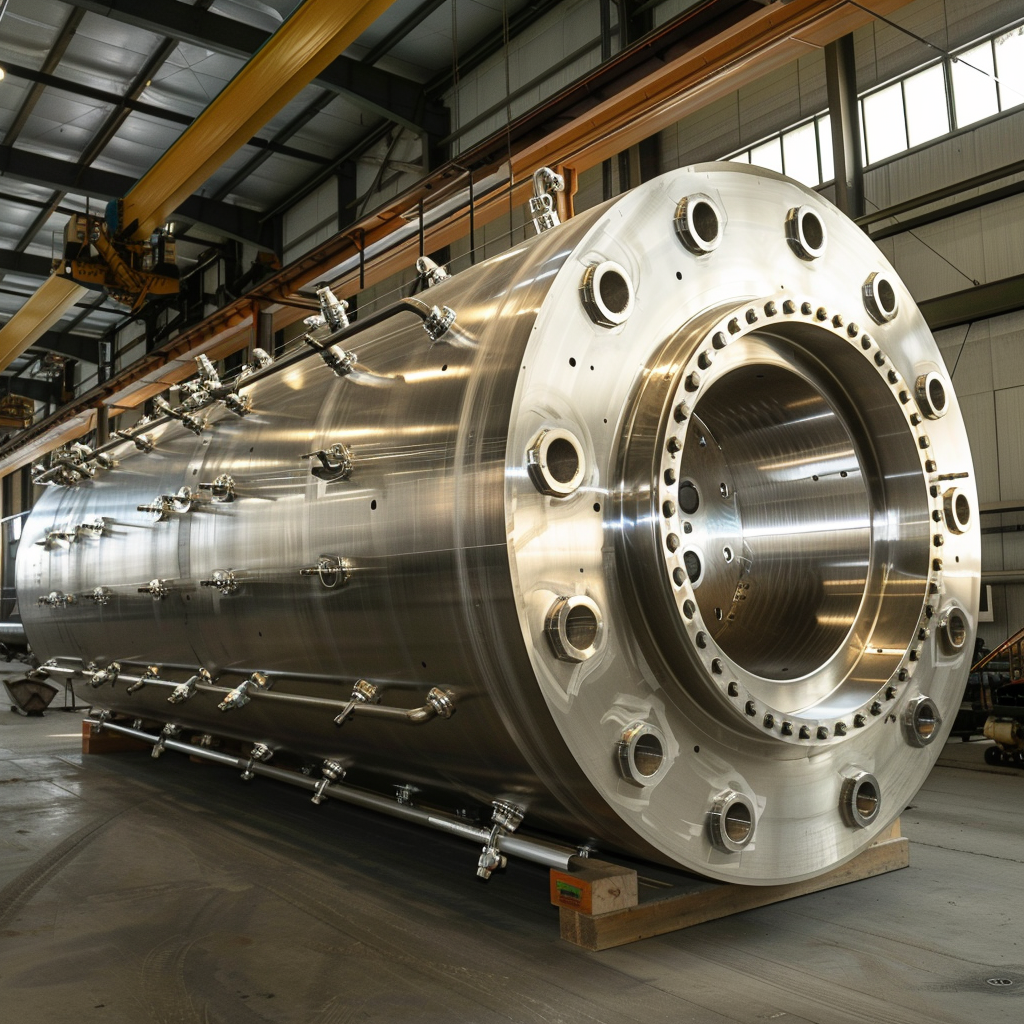
Stainless Steel: The Stalwart of Strength and Durability
Stainless steel is a common choice for vacuum chambers that require durability, strength, and resistance to harsh conditions. Grades like 304 and 316 are particularly popular due to their excellent corrosion resistance.
Benefits of Stainless Steel:
- Durability: Offers long-term durability and resistance to extreme conditions.
- Corrosion Resistance: Highly resistant to corrosion, making it suitable for a wide range of applications.
Drawbacks:
- Cost and Weight: Higher cost and weight compared to aluminum, which may impact design and transportation considerations.
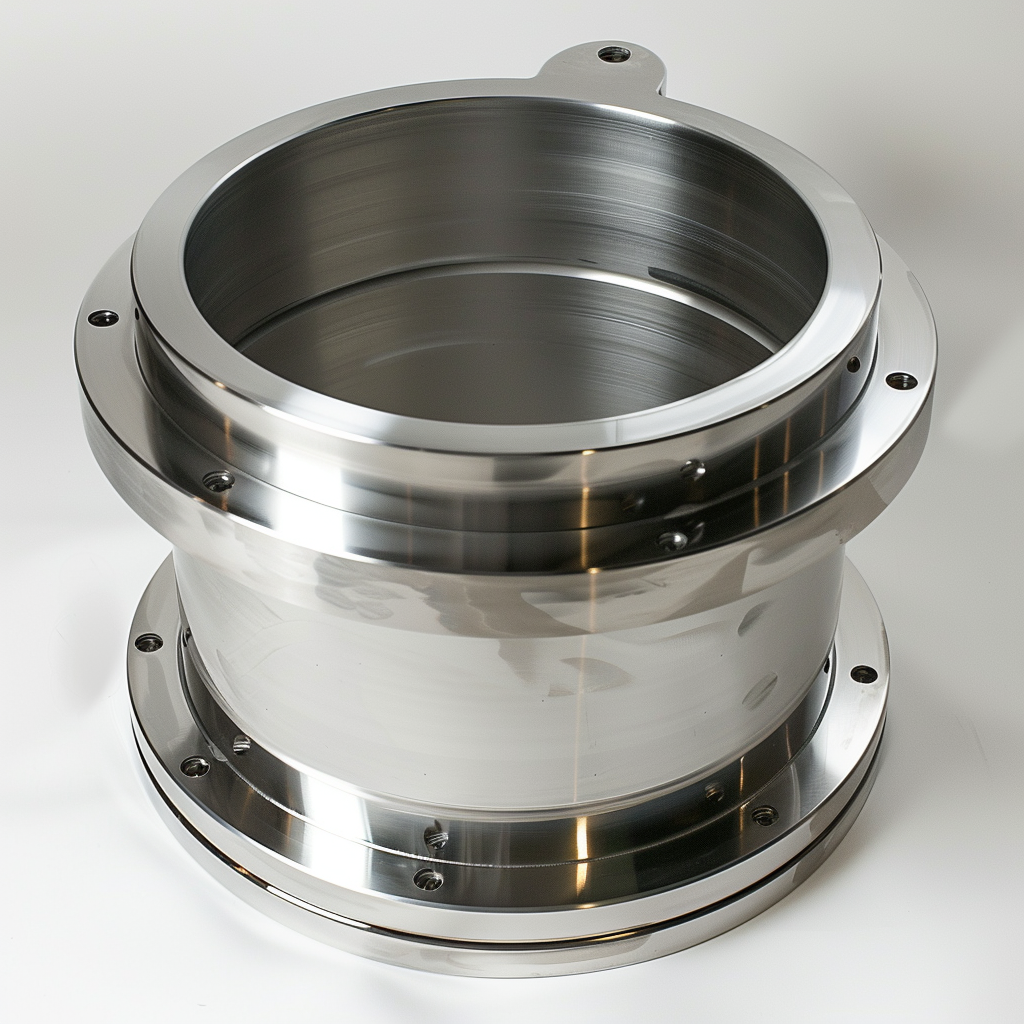
Titanium: The Premium Choice for Strength and Corrosion Resistance
Titanium is unmatched in its combination of strength, lightweight, and corrosion resistance, making it the premium choice for demanding applications.
Benefits of Titanium:
- Strength-to-Weight Ratio: Exceptional strength without the penalty of increased weight.
- Corrosion Resistance: Superior corrosion resistance, even in harsh environments.
Drawbacks:
- Cost: Significantly higher cost than aluminum and stainless steel, limiting its use in more budget-sensitive applications.
| Advantages | Disadvantages | |
| Aluminum | 1. Lightweight. 2. Good corrosion resistance. 3. Excellent thermal conductivity. 4. Cost-effective for certain applications. | 1. Lower strength compared to stainless steel and titanium. 2. Prone to scratching and denting. 3. Limited high-temperature performance. |
| Stainless steel | 1. High tensile strength. 2. Excellent corrosion resistance. 3. Good high-temperature performance | 1. Heavier than aluminum. 2. Higher initial material cost than aluminum. 3. Lower thermal conductivity. |
| Titanium | 1. Superior strength-to-weight ratio. 2. Exceptional corrosion resistance. 3. High-temperature capability. | 1. Significantly higher cost. 2. Challenges in machining and welding. 3. Limited availability. |
How do these materials fare against each other in high-vacuum applications?
In high-vacuum applications, material outgassing rates become a pivotal consideration. Stainless steel and titanium offer lower outgassing rates compared to aluminum, making them more suitable for ultra-high vacuum environments.
What are the considerations for welding and fabrication?
Weldability is crucial for vacuum chamber manufacturing. Stainless steel is generally easier to weld and fabricate than titanium, which requires specialized welding techniques. Aluminum, while easy to machine, poses its own challenges due to its softness and thermal conductivity.
How does the choice of material impact the overall design and usability of the vacuum chamber?
Material choice directly impacts the chamber's design, particularly in terms of wall thickness, structural support, and the incorporation of ports and fittings. Titanium, while offering superior strength and corrosion resistance, may necessitate a redesign of chamber components due to its cost and welding challenges.
Environmental and Economic Considerations
The environmental impact and the total cost of ownership, including maintenance and longevity, are also critical factors. Stainless steel and titanium, with their superior durability and corrosion resistance, may offer better long-term value despite their higher upfront costs.
Conclusion: Making the Informed Choice
The decision between aluminum, stainless steel, and titanium for vacuum chamber construction is not one to be taken lightly. Each material offers a unique set of properties that must be balanced against the specific requirements of your project and operational environment.
Understanding the distinct advantages and limitations of each material will guide you toward making an informed decision, ensuring the success and longevity of your vacuum chamber system.
By considering factors such as corrosion resistance, mechanical properties, vacuum level requirements, and cost, you can select the most appropriate material for your vacuum chamber, optimizing performance and durability for your specific application.