
Manufacturing faces rising demands for tighter tolerances and complex designs. Many companies struggle to find reliable solutions that meet these requirements without compromising quality or delivery times.
Precision CNC machining stands as the backbone of modern manufacturing by delivering repeatable accuracy down to microns. It enables companies to produce complex components with consistent quality across industries from automotive to aerospace, offering unmatched versatility and reliability for mission-critical applications.

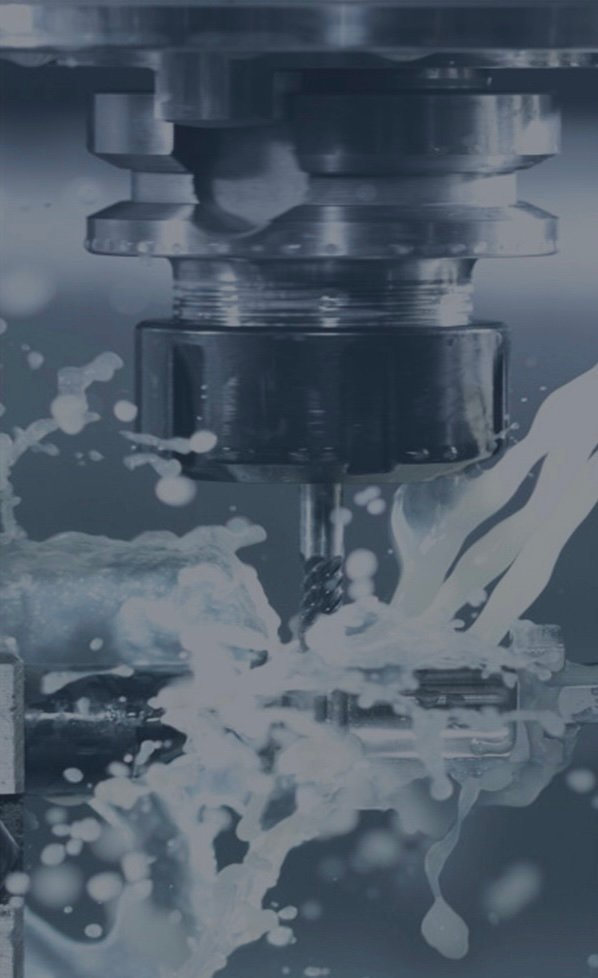
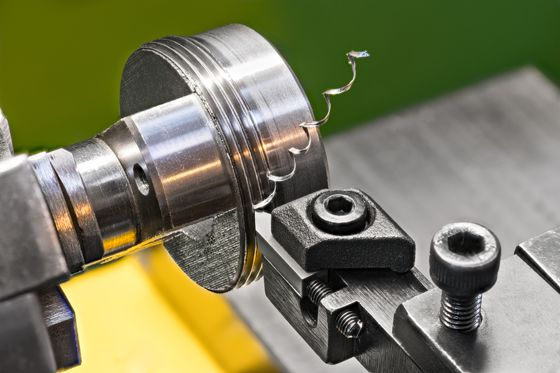
High-precision CNC machining operation
Over my 20 years in the machining industry, I've witnessed how precision capabilities separate successful manufacturers from struggling ones. Let me share what we've learned about the critical role CNC machining plays in today's manufacturing landscape and how to choose the right partner for your needs.
What Are the Essential Factors in Selecting a CNC Machining Partner?
Finding the right CNC machining partner feels overwhelming. Many businesses waste time and money on providers who can't deliver consistent quality or meet critical deadlines.
The ideal CNC machining partner combines technical capability, quality assurance systems, and industry experience. Look for a provider with appropriate machinery specifications for your parts, documented quality control processes, and proven experience in your specific industry to ensure they understand your unique requirements.
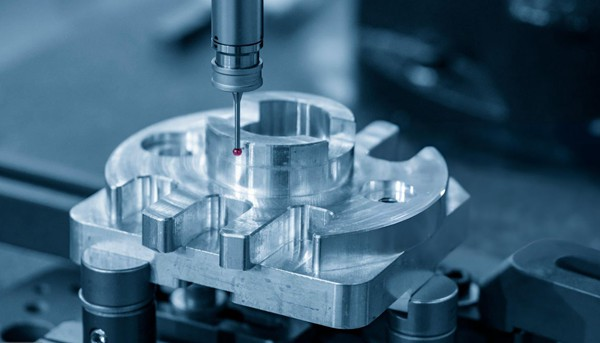
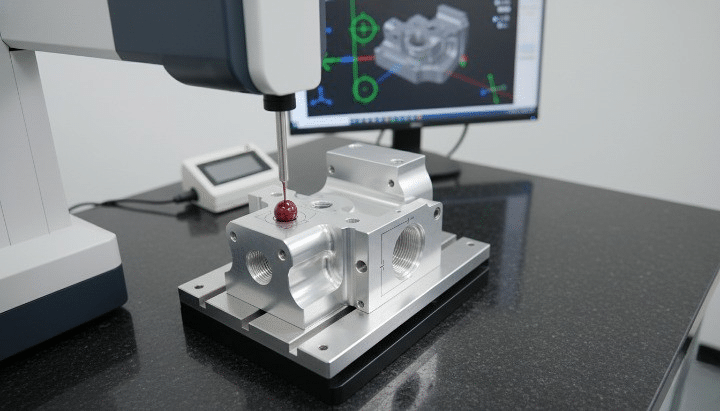
Quality control inspection of precision CNC components
When selecting a CNC machining partner, several critical factors deserve careful consideration. From my experience running our 100-person facility in Kunshan, equipment capabilities form just one piece of the puzzle. We've found that successful partnerships depend on a combination of technical capabilities, quality systems, and communication infrastructure.
Technical capabilities should match your specific needs - not all CNC equipment is suitable for every project. For instance, our 5-axis machines excel at complex geometries for vacuum chambers, while our high-speed machining centers better serve automotive components with tight tolerances. Ask potential partners about their equipment specifications, including axis capabilities, workspace dimensions, and achievable tolerances.
Quality systems reveal much about a machining partner's reliability. Request information about their inspection protocols, measuring equipment, and quality certifications. In our facility, we implement 100% inspection for critical dimensions on semiconductor components, while using sampling methods for less critical features. This balanced approach maintains quality without unnecessary costs.
Communication infrastructure increasingly matters in global manufacturing. Our team maintains dedicated project managers for each industry segment who understand the technical language and requirements specific to that field. The best machining partners offer clear communication channels, responsive project management, and transparent progress reporting.
| Factor | What to Look For | Why It Matters |
|---|---|---|
| Equipment Capabilities | Machine types, axis capabilities, workspace dimensions | Inspection equipment, certifications, and documented processes |
| Quality Systems | Reduces the learning curve and ensures understanding of critical requirements | Ensures consistent quality and compliance with industry standards |
| Industry Experience | Portfolio of similar projects, industry-specific knowledge | Response times, project management systems, and language capabilities |
| Communication | Response times, project management systems, language capabilities | Facilitates smooth project execution and problem resolution |
Why Do Experienced Machinists Matter for Complex Parts?
Complex parts require specialized knowledge that machines alone can't provide. Inexperienced operators often struggle with tool selection, cutting parameters, and fixturing challenges, resulting in costly errors.
Experienced machinists bring invaluable problem-solving skills and intuition developed over years of practice. They understand material behavior, can anticipate machining challenges, and develop optimal toolpaths and fixturing solutions that save time, reduce tool wear, and ensure dimensional accuracy.
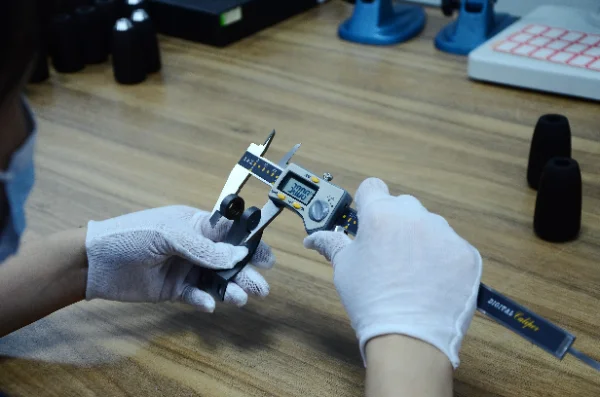
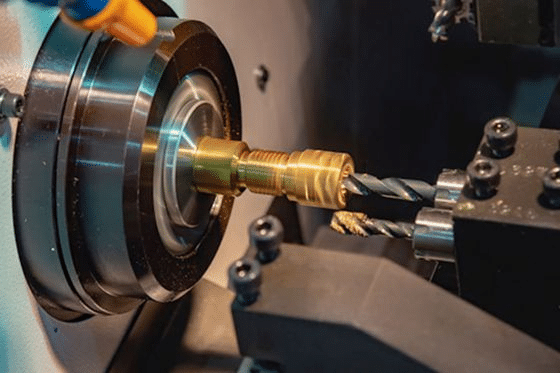
Experienced machinist inspecting a complex machined component
The human element remains irreplaceable in precision manufacturing despite advancing automation. In our Kunshan facility, we've deliberately maintained a core team of veteran machinists with 15+ years of experience alongside our advanced CNC equipment. This combination has proven essential for tackling the most demanding projects, particularly for our semiconductor and medical customers.
Material knowledge represents one crucial advantage experienced machinists bring. Different materials behave uniquely under cutting forces - aluminum allows aggressive cutting but requires careful fixturing to prevent distortion, while titanium demands controlled heat management and specialized cutting strategies. Our senior team members instinctively adjust parameters based on decades of hands-on experience with these materials.
Set-up expertise significantly impacts part quality and production efficiency. Complex components often require multiple operations with precise alignment between each stage. I recall a recent project involving a vacuum chamber component with 0.01mm perpendicularity requirements across three different setups. Our lead machinist developed a custom fixturing solution that maintained alignment across all operations - something no automated system could have devised independently.
Problem-solving abilities distinguish truly valuable machinists. Manufacturing inevitably presents unexpected challenges - material inconsistencies, tool wear variations, or unforeseen design complexities. Experienced machinists don't just follow programs; they actively monitor processes, identify potential issues before they become problems, and develop creative solutions. This human intelligence layer complements our automated systems to deliver consistently excellent results.
| Machinist Skill | Impact on Production | Industry Application |
|---|---|---|
| Material Knowledge | Optimal cutting parameters, reduced scrap | Critical for specialty alloys in aerospace and medical |
| Setup Expertise | Maintains tolerances across operations | Essential for complex vacuum chambers |
| Problem-Solving | Identifies and resolves issues quickly | Reduces costly production delays |
| Process Optimization | Improves cycle times, extends tool life | Enhances competitiveness on high-volume automotive parts |
When Should You Choose CNC Machining Over Alternative Manufacturing Methods?
Manufacturing method selection causes confusion and stress. Choosing wrong wastes resources on inappropriate processes that deliver unsatisfactory results or unnecessary costs.
CNC machining proves optimal when your parts require tight tolerances (±0.025mm), complex geometries, or specialized materials like titanium or Inconel. It's particularly cost-effective for low-to-medium production volumes (1-10,000 units) and when consistent material properties are essential for performance.
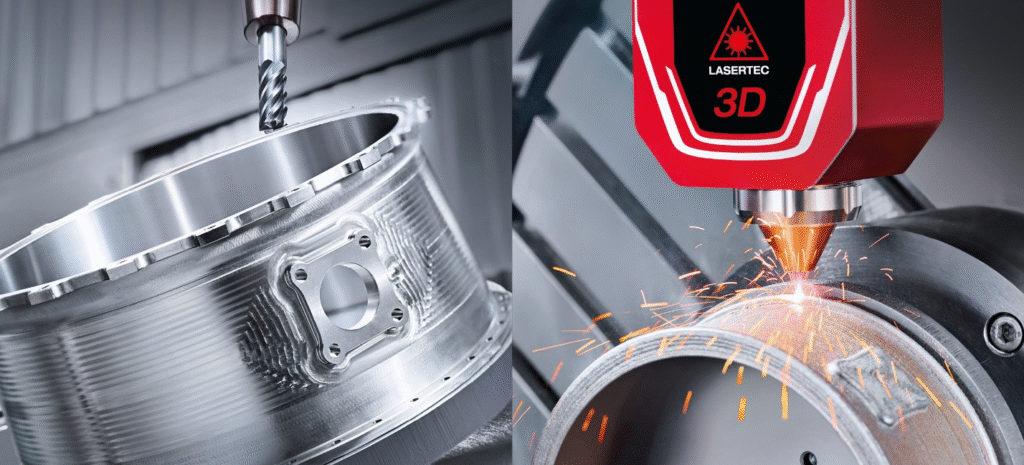
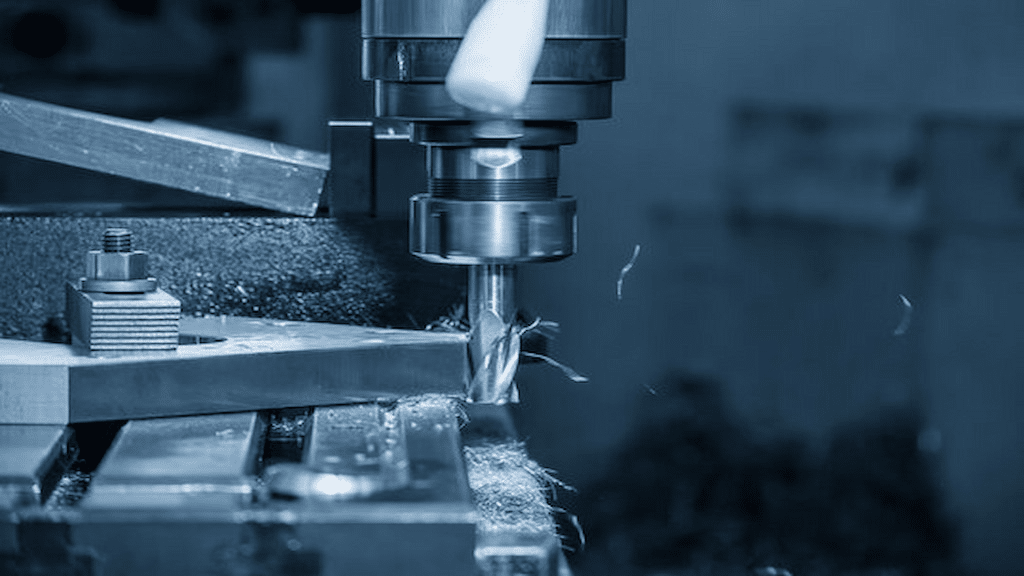
Different manufacturing methods and their appropriate applications
Manufacturing method selection represents one of the most consequential decisions in the product development process. Based on our experience producing components across multiple industries, CNC machining offers distinct advantages in specific scenarios, while other processes may prove more suitable in different circumstances.
Precision requirements often dictate the manufacturing method. When components require tolerances tighter than ±0.05mm, CNC machining typically provides the most reliable solution. For example, the sailboat hardware we produce demands this level of precision to ensure proper fit and functionality in marine environments. In contrast, parts with broader tolerances might be more economically produced through casting or molding processes.
Material considerations significantly influence process selection. CNC machining excels with difficult-to-form materials like titanium alloys, Inconel, and hardened steels - materials commonly required in aerospace and medical applications. These materials often prove challenging or impossible to process through methods like injection molding or stamping. Additionally, CNC machining preserves the base material's properties throughout the part, unlike processes involving melting or significant heat.
Production volume represents another critical factor. Our experience indicates that CNC machining typically proves most cost-effective for volumes between 1-10,000 units, depending on part complexity. At higher volumes, the initial tooling investments for processes like die casting or injection molding become justified through amortization across larger quantities. For automotive customers ordering 100,000+ identical components annually, we often recommend transitioning from machining to other processes as volumes increase.
Complexity and design flexibility must also factor into manufacturing method decisions. CNC machining allows for complex internal features, precise threading, and varied surface finishes within a single setup. However, certain geometries like deep, narrow cavities or extreme undercuts may prove challenging or impossible for machining processes while being achievable through additive manufacturing methods.
| Manufacturing Method | Ideal Volume Range | Typical Tolerances | Material Range | Lead Time |
|---|---|---|---|---|
| CNC Machining | 1-10,000 | ±0.01-0.05mm | Most metals, plastics, composites | Days-weeks |
| Injection Molding | 10,000+ | ±0.1-0.5mm | Thermoplastics, some metals | Weeks-months |
| Die Casting | 5,000+ | ±0.1-0.2mm | Aluminum, zinc, magnesium | Weeks-months |
| 3D Printing | 1-100 | ±0.1-0.5mm | Growing range of materials | Hours-days |
Conclusion
Precision CNC machining remains essential for modern manufacturing by delivering unmatched accuracy, material versatility, and complex geometries. Finding the right machining partner with proper equipment, experienced machinists, and industry-specific expertise ensures your critical components meet performance requirements.