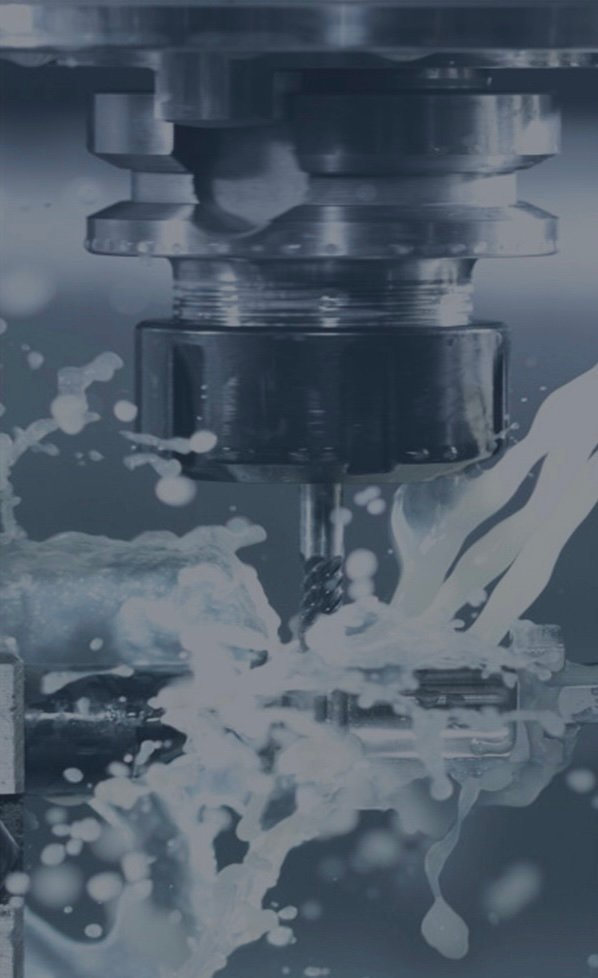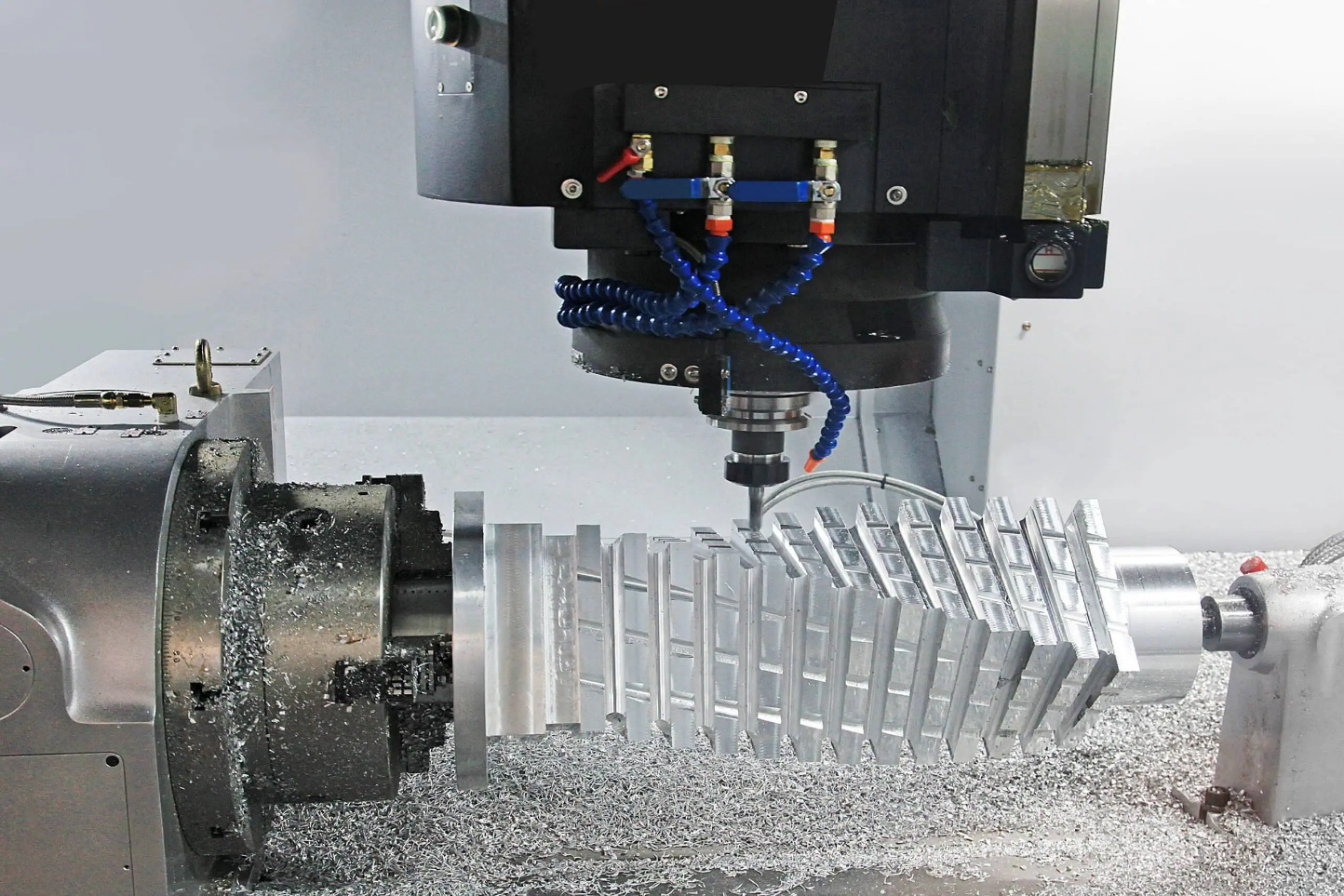

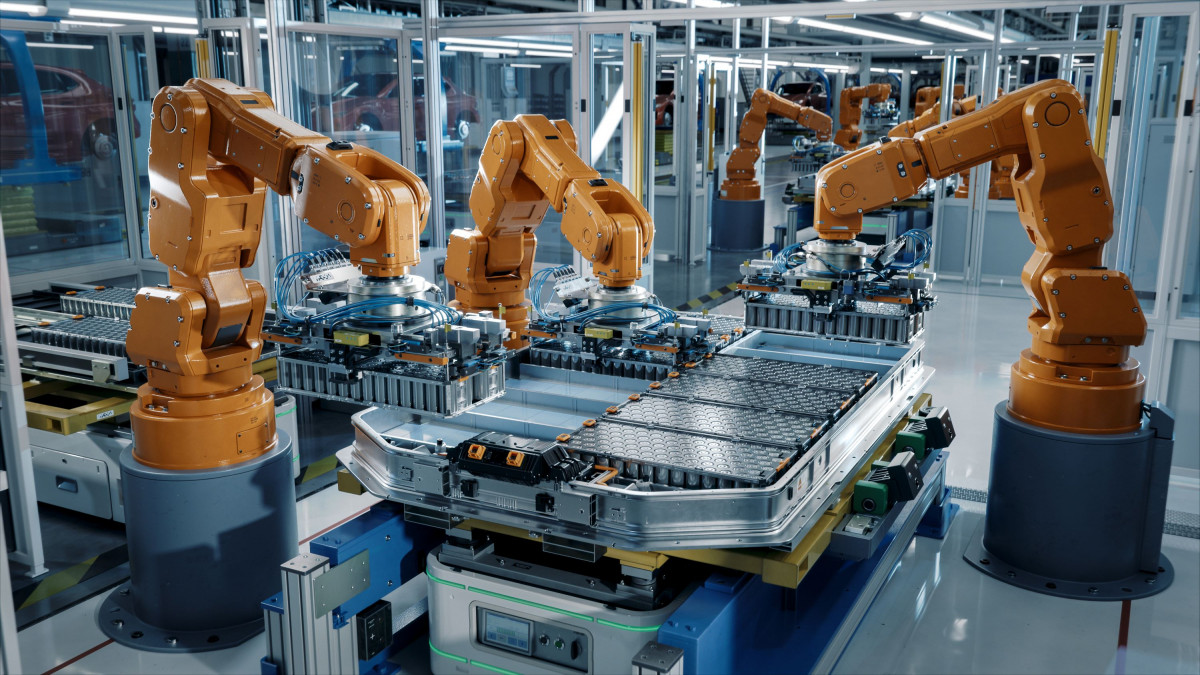
Precision machining is essential in electric vehicle manufacturing because key components operate under high speeds, thermal loads, and tight assembly constraints. Small dimensional errors can directly affect efficiency, noise levels, and long-term reliability, making accuracy and consistency critical from the earliest machining stages.
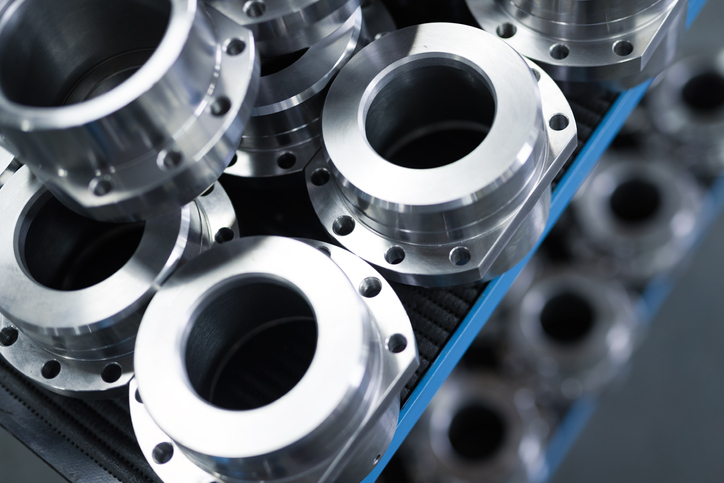
Precision Component Manufacturing in Electric Vehicle Development
EV components differ from those used in internal combustion vehicles in both design and function. Parts such as motor housings, battery enclosures, and thermal plates often combine structural and thermal roles, requiring tighter tolerances and controlled surface finishes. As EV production increases, maintaining this level of precision at scale has become a core manufacturing requirement rather than a specialized capability.
Machining Requirements for EV Motor Housings
EV motor housings play a direct role in performance, reliability, and noise control. They support the electric motor, maintain precise alignment of rotating components, and act as a heat dissipation structure. Any machining error in this part can lead to vibration, efficiency loss, or premature bearing failure. For this reason, motor housings are among the most demanding EV components from a machining perspective.
Role of Motor Housings in EV Performance and Durability
Motor housings provide structural rigidity while protecting internal components from mechanical stress and environmental exposure. They also help manage the heat generated during high-speed operation. In many EV designs, the housing integrates mounting features, cooling interfaces, and bearing seats into a single machined part. This integration increases functional efficiency but leaves little margin for dimensional variation.
Common Materials Used in EV Motor Housings
Lightweight materials are preferred to improve vehicle range and energy efficiency. The most commonly machined materials include:
- Aluminum alloys
Widely used due to their balance of strength, machinability, and thermal conductivity. Alloys such as 6061 and 6082 are common in mid-range EV platforms.
- Magnesium alloys
Selected in premium or performance-focused designs where further weight reduction is required. These materials demand careful machining control due to lower stiffness and higher sensitivity to heat.
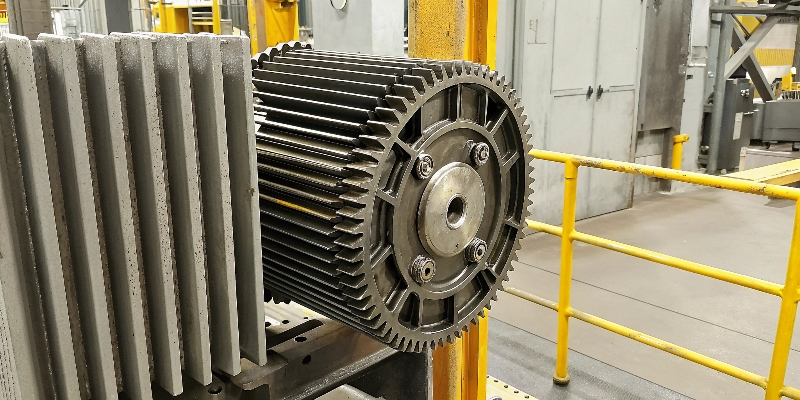
Aluminum for EV Motor Housings
Key Machining Operations
Motor housings typically require multiple precision operations performed in a controlled sequence:
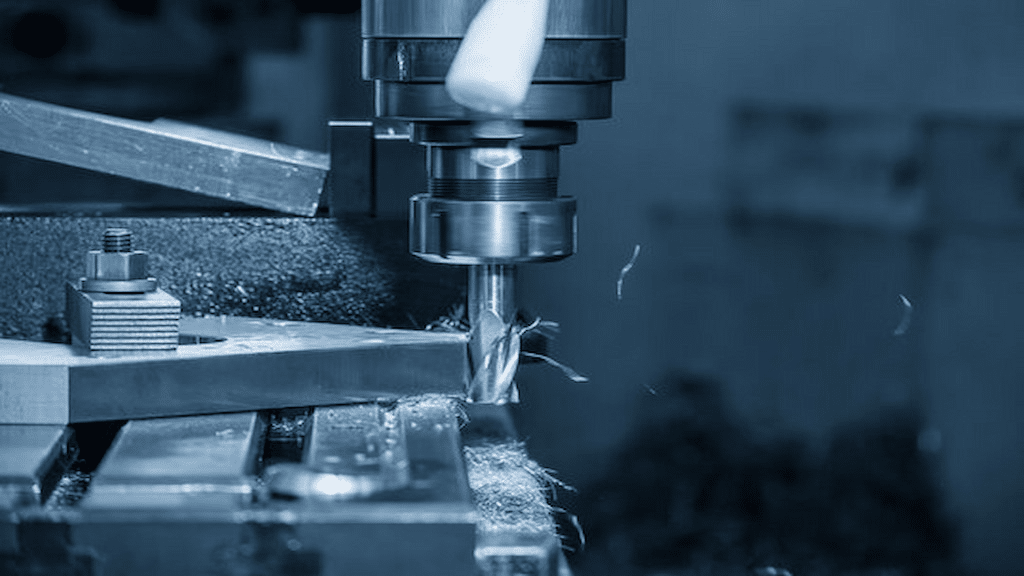
- CNC milling for external profiles, mounting features, and cooling interfaces
- Boring to achieve accurate bearing seat diameters
- Drilling and tapping for fasteners, sensor mounts, and fluid connections
Multi-axis machining centers are often used to maintain positional accuracy across features that must align within tight tolerances.
Critical Tolerance Zones
Certain areas of the motor housing require significantly tighter control than others:
- Bearing seats must maintain concentricity and roundness to prevent uneven wear.
- Shaft alignment zones must remain within microns to avoid vibration at high rotational speeds.
- Mounting interfaces must be flat and square to ensure proper assembly with the motor and drivetrain.
For example, a slight misalignment in a bearing bore can increase noise levels and reduce motor efficiency over time.
Surface Finish Requirements
Surface finish directly affects both vibration control and heat transfer. Smooth internal surfaces reduce friction and noise, while controlled finishes on external cooling interfaces improve thermal performance. Typical Ra values are tighter than those used in ICE engine housings, especially near rotating components.
Common Machining Challenges
EV motor housings present several production challenges:
- Thin-wall sections that increase the risk of deformation during machining
- Material distortion caused by residual stresses and heat buildup
- Thermal expansion affects dimensional stability during long machining cycles
To address these issues, manufacturers often use optimized fixturing, staged roughing and finishing operations, and real-time measurement to maintain consistency across production batches.
Precision Machining of Battery Enclosures
Battery enclosures are among the most critical structural components in an electric vehicle. They protect high-voltage battery cells, support the vehicle chassis, and contribute to overall crash safety. Because these enclosures often span large areas of the vehicle floor, precision machining is essential to maintain dimensional stability, sealing integrity, and consistent fit across assemblies.
Function of Battery Enclosures in EV Safety and Structure
Battery enclosures serve multiple roles beyond simple containment. They act as load-bearing elements in many EV platforms and must withstand mechanical shock, vibration, and environmental exposure. Proper machining ensures accurate interfaces with cooling systems, mounting rails, and protective covers. Even small deviations in flatness or hole position can compromise structural performance or lead to assembly issues.
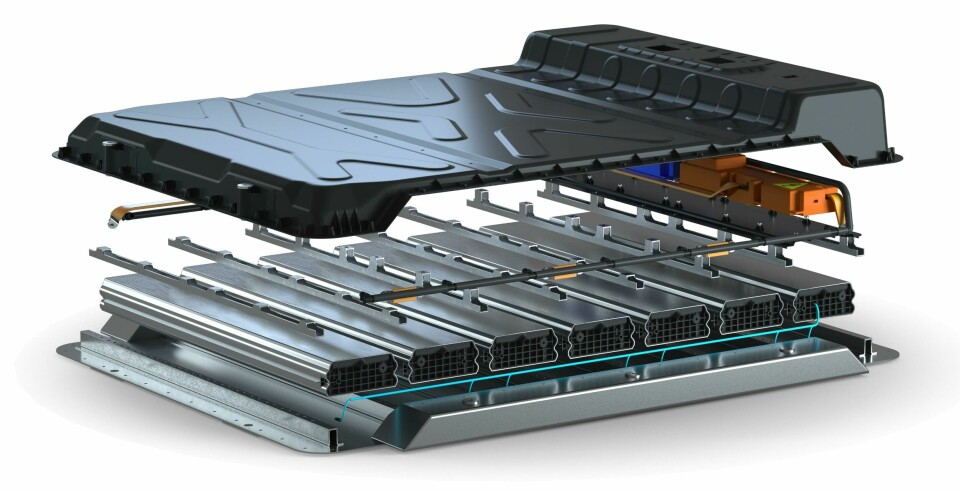
Lightweight battery enclosures
Material Selection and Weight Reduction Goals
Weight reduction remains a primary design objective in EV manufacturing. Common materials include:
- Aluminum alloys
Frequently used due to their favorable strength-to-weight ratio and corrosion resistance. Extruded and cast aluminum sections are often combined and then machined to final dimensions.
- High-strength aluminum composites
Applied in advanced designs where increased rigidity is required without adding mass.
These materials allow manufacturers to reduce vehicle weight while maintaining safety and durability standards.
Machining Challenges in Large Battery Enclosures
The size and geometry of battery enclosures introduce several machining difficulties:
- Maintaining flatness across large surfaces during milling operations
- Managing material stress and distortion after rough machining
- Achieving uniform dimensional accuracy across multiple setup positions
For example, long enclosure rails can warp slightly after material removal, requiring controlled machining strategies and stress-relief processes.
Tolerance Requirements for Sealing and Mounting Features
Battery enclosures must meet strict tolerance standards in critical areas:
- Gasket grooves require consistent depth and width to ensure reliable sealing against moisture and dust.
- Mounting points must align precisely with the vehicle frame to prevent assembly strain.
- Interface surfaces for cooling plates must remain flat to ensure effective thermal contact.
Failure to control these tolerances can result in sealing failures or uneven load distribution.
Surface Finish and Corrosion Resistance
Surface finish plays a key role in sealing performance and corrosion protection. Smooth finishes improve gasket compression and reduce the risk of leaks. Machined surfaces are often prepared for anodizing or coating processes that enhance long-term corrosion resistance, especially in regions exposed to road debris and moisture.
Consistency in High-Volume Production
As EV production scales, consistency becomes as important as precision. Battery enclosures must be machined to the same specifications across thousands of units. Manufacturers rely on standardized machining programs, controlled tooling wear, and in-process inspections to maintain uniform quality. This level of repeatability ensures reliable assembly and long-term vehicle performance.
Thermal Plates and Cooling Components
Effective thermal management is essential for maintaining performance, safety, and service life in electric vehicles. Thermal plates and cooling components regulate temperatures within battery packs, power electronics, and electric motors. Because heat transfer efficiency depends heavily on surface quality and dimensional accuracy, these parts require a high level of machining precision.
Importance of Thermal Management in EV Systems
EV components generate heat continuously during operation, especially under high load or fast charging conditions. If this heat is not removed efficiently, battery degradation accelerates, and electronic components can fail prematurely. Thermal plates help distribute and dissipate heat evenly, allowing the system to operate within controlled temperature ranges. For example, uneven contact between a battery module and a cooling plate can create hot spots that reduce cell lifespan.
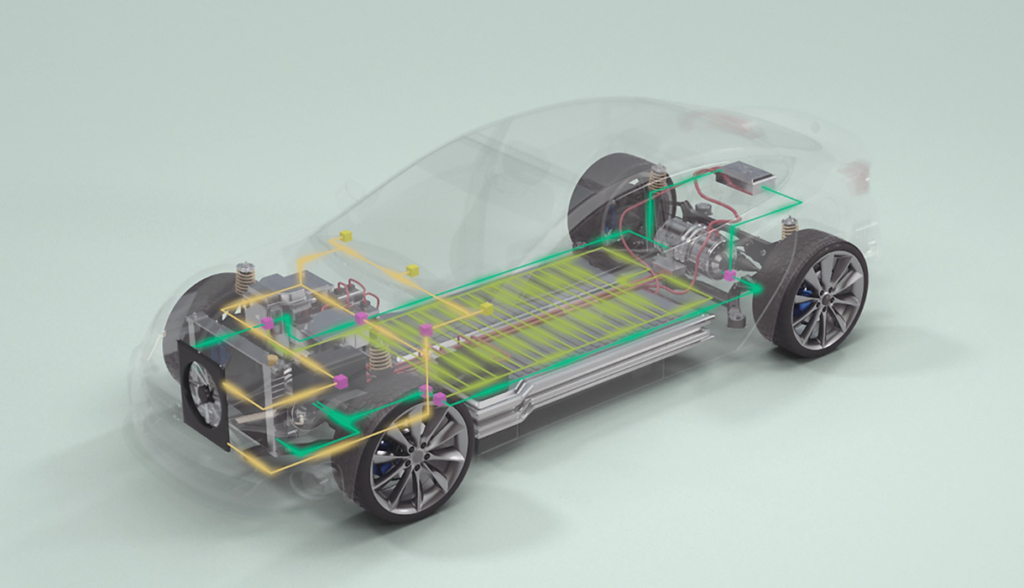
Types of Thermal Plates Used in EVs
Several thermal plate designs are used depending on system requirements:
- Cold plates with internal channels
Used in liquid cooling systems where coolant flows through machined passages.
- Flat heat spreader plates
Applied where passive heat transfer is sufficient, often combined with thermal interface materials.
- Integrated cooling plates
Machined directly into battery enclosure or motor housing components to reduce part count.
Each design places different demands on machining accuracy and process stability.
Machining of Micro-Channels and Internal Paths
One of the most challenging aspects of thermal plate manufacturing is machining internal flow channels. These features must maintain consistent depth, width, and surface quality to ensure uniform coolant flow. CNC milling and drilling are commonly used, sometimes followed by sealing processes such as brazing or friction stir welding. Variations in channel geometry can lead to pressure drops or uneven cooling across the system.
Flatness and Surface Roughness Requirements
Flatness directly affects thermal contact between components. Cooling plates must maintain tight flatness tolerances to ensure full surface contact with battery modules or electronic assemblies. Surface roughness also plays a critical role, as overly rough surfaces reduce heat transfer efficiency while overly smooth surfaces can affect bonding performance with thermal interface materials.
Balancing Precision with Production Speed
As EV production volumes increase, manufacturers must achieve precision without sacrificing throughput. This often involves:
- Optimized tool paths to reduce cycle time while maintaining accuracy
- High-performance cutting tools designed for aluminum alloys
- In-process measurement to detect deviations early
For instance, automated inspection between machining stages can prevent defective plates from reaching final assembly, reducing rework and scrap rates.
Tolerance Demands in High-Precision EV Parts
Tolerance control is a defining factor in the machining of electric vehicle components. Many EV parts operate at high speeds and under continuous electrical and thermal loads, leaving little room for dimensional variation. As a result, tolerance requirements are often tighter than those applied to comparable components in traditional vehicles.
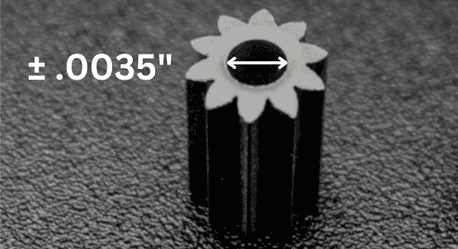
ID Tolerances in Electric Vehicle Parts
Typical Tolerance Ranges for EV Components
EV components commonly require tolerances in the micron range, particularly in rotating and mating features. Examples include:
- Bearing bores in motor housings that must maintain roundness and concentricity within a few microns.
- Flatness tolerances on battery enclosure sealing surfaces that ensure uniform gasket compression.
- Parallelism and positional tolerances on cooling plates that affect thermal contact efficiency.
These requirements demand stable machining processes and consistent environmental control.
Why EV Parts Require Tighter Tolerances
Electric drivetrains operate differently from internal combustion systems. Electric motors run at higher rotational speeds and produce less mechanical damping, making them more sensitive to misalignment. In battery systems, poor dimensional control can lead to uneven pressure distribution or sealing failures. For example, a slightly misaligned motor shaft can increase vibration levels and reduce overall drivetrain efficiency.
Effects of Poor Tolerance Control
Failure to meet tolerance requirements can lead to several performance and reliability issues:
- Increased noise and vibration during vehicle operation
- Reduced energy efficiency due to friction or misalignment
- Higher failure rates in bearings, seals, and electrical connections
These issues often appear early in the vehicle life cycle, increasing warranty costs and reducing customer confidence.
Machining Strategies for Repeatable Accuracy
To achieve consistent tolerances at scale, manufacturers rely on:
- Stable fixturing systems that minimize part movement during machining
- Controlled roughing and finishing sequences to reduce material stress
- Temperature-controlled environments to limit thermal expansion effects
High-volume EV suppliers often validate these strategies through capability studies before full production.
Inspection and Measurement Methods
Accurate inspection is essential to confirm tolerance compliance. Common methods include:
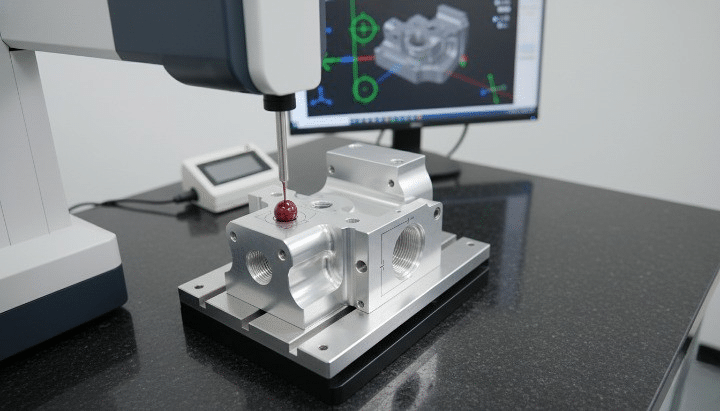
- Coordinate Measuring Machines (CMMs) for dimensional verification of complex geometries
- In-process measurement systems that monitor critical features during machining
- Statistical Process Control (SPC) to track trends and detect deviations early
For instance, continuous SPC monitoring of bearing bore diameters allows manufacturers to adjust tooling before parts fall out of specification.
Surface Finish Standards and Quality Control
Surface finish is a critical quality factor in electric vehicle components, influencing sealing performance, heat transfer, wear behavior, and corrosion resistance. In EV applications, surface requirements are often more demanding because many parts serve multiple functions and operate under continuous thermal and mechanical stress. Achieving the correct surface finish, therefore, requires both controlled machining and disciplined quality practices.
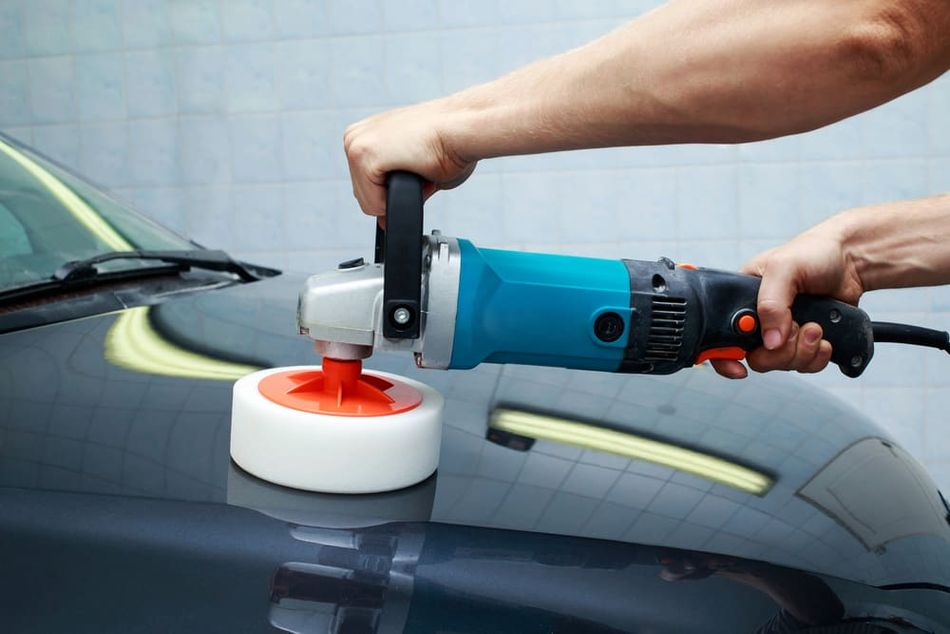
Surface finish in vehicle components
Why Surface Finish Matters in EV Applications
Surface condition directly affects how components interact once assembled. Rough surfaces can accelerate wear or cause sealing failures, while overly smooth surfaces may reduce bonding effectiveness in thermal interfaces. For example, an inconsistent surface finish on a battery enclosure flange can prevent uniform gasket compression, leading to moisture ingress over time.
Ra Requirements for Critical EV Features
Surface roughness values vary depending on function, but EV components typically require tighter control:
- Sealing surfaces often demand low Ra values to ensure reliable gasket performance.
- Cooling interfaces require controlled finishes that promote efficient heat transfer.
- Mating surfaces for motor components must balance smoothness with adequate friction control.
These requirements are usually defined during the design stage and verified throughout production.
Impact of Surface Finish on Wear and Corrosion
Surface finish has a direct influence on component durability. Poorly finished surfaces can trap contaminants or moisture, increasing the risk of corrosion. In moving interfaces, excessive roughness raises friction and accelerates wear. For example, a motor housing bore with an inadequate finish can shorten bearing life even if dimensional tolerances are met.
Finishing Processes in EV Machining
Several finishing operations are commonly applied to meet EV standards:
- Polishing to reduce surface irregularities on sealing and bearing surfaces
- Honing for precise control of surface texture in cylindrical features
- Surface preparation for anodizing or coating to improve corrosion resistance
These processes are carefully integrated into the machining sequence to maintain dimensional accuracy.
Quality Control Practices for High-Precision EV Parts
Consistent surface quality depends on robust inspection and control systems:
- Surface roughness measurement using contact or optical instruments
- Tool wear monitoring to prevent finish degradation during production runs
- Process audits to ensure machining parameters remain within defined limits
In high-volume EV production, combining surface inspections with statistical tracking helps manufacturers maintain stable quality and reduce rework.
Process Planning and Automation in EV Component Machining
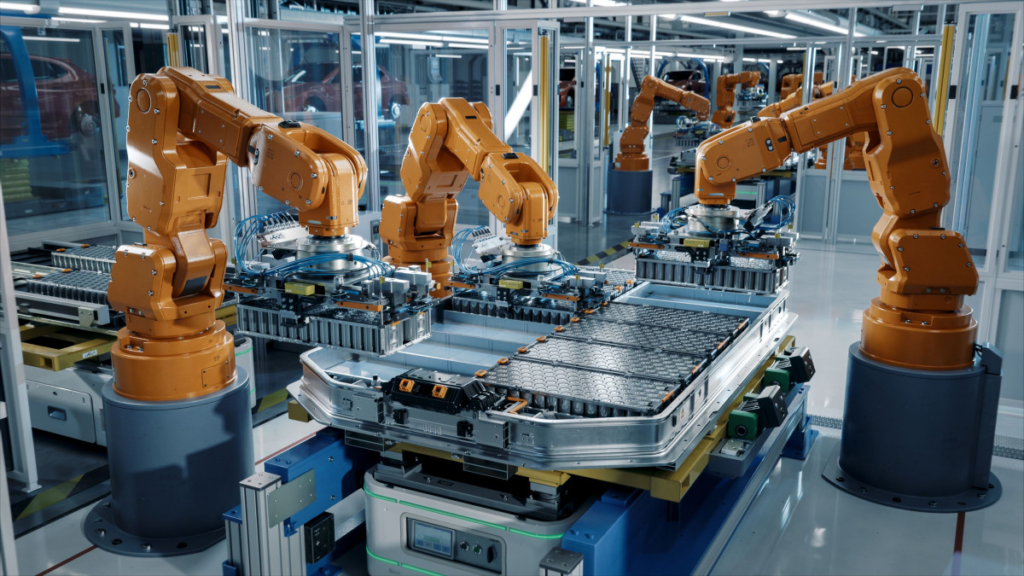
As EV programs move from pilot runs to full-scale production, process planning and automation become essential for maintaining precision, consistency, and cost control. High-precision requirements alone are not sufficient if processes cannot be repeated reliably across thousands of parts. Well-structured process planning, supported by automation, helps manufacturers meet quality targets while controlling cycle time and production risk.
Importance of Process Planning in EV Manufacturing
Effective process planning defines how precision is achieved before the first part is cut. This includes tool selection, machining sequence, fixturing strategy, and inspection points. In EV components, poor planning can lead to cumulative errors across features that must align precisely. For example, machining a motor housing without a stable datum strategy can introduce alignment issues even when individual features are within tolerance.
Role of Automation in Precision and Consistency
Automation reduces human variability and improves repeatability in high-volume EV production. Common applications include:
- Automated loading and unloading to maintain consistent part positioning
- Robotic part handling to reduce damage to finished surfaces
- Closed-loop machining systems that adjust offsets based on measurement feedback
These systems are particularly effective for battery enclosures and thermal plates, where part size and repetition increase the risk of variation.
Tooling and Fixturing Considerations
Precision tooling and fixturing directly affect dimensional stability:
- Rigid fixtures minimize vibration and part movement during machining.
- Modular fixturing systems support faster changeovers between EV variants.
- Tooling designed for aluminum alloys helps maintain surface finish over long production runs.
For instance, dedicated fixtures for thin-walled motor housings can significantly reduce distortion during finishing operations.
Data-Driven Process Control
Modern EV machining relies heavily on production data. Machine sensors, tool monitoring systems, and inspection results are used to identify trends before defects occur. Statistical analysis allows manufacturers to fine-tune parameters such as feed rates and tool life, improving both quality and efficiency. This data-driven approach is increasingly standard among tier-one EV suppliers.
Supporting Scalable EV Production
Automation and structured process planning allow manufacturers to scale production without sacrificing precision. By standardizing machining strategies and integrating inspection into the workflow, EV component suppliers can meet growing demand while maintaining tight tolerances and surface finish requirements.
Conclusion
Machining high-precision parts for electric vehicles requires a level of accuracy, consistency, and process control that goes beyond traditional automotive manufacturing. Components such as motor housings, battery enclosures, and thermal plates perform multiple structural and functional roles, making tight tolerances and controlled surface finishes essential. Achieving this precision depends not only on advanced machining capabilities but also on careful process planning, stable tooling, and reliable inspection methods throughout production.
As EV platforms continue to evolve, manufacturers must balance increasing production volumes with rising quality expectations. Precision machining, supported by automation and data-driven control, will remain a key factor in delivering reliable, efficient, and safe electric vehicles. Suppliers that invest in robust machining strategies and quality systems will be better positioned to meet future design demands and support the long-term growth of the EV industry.