
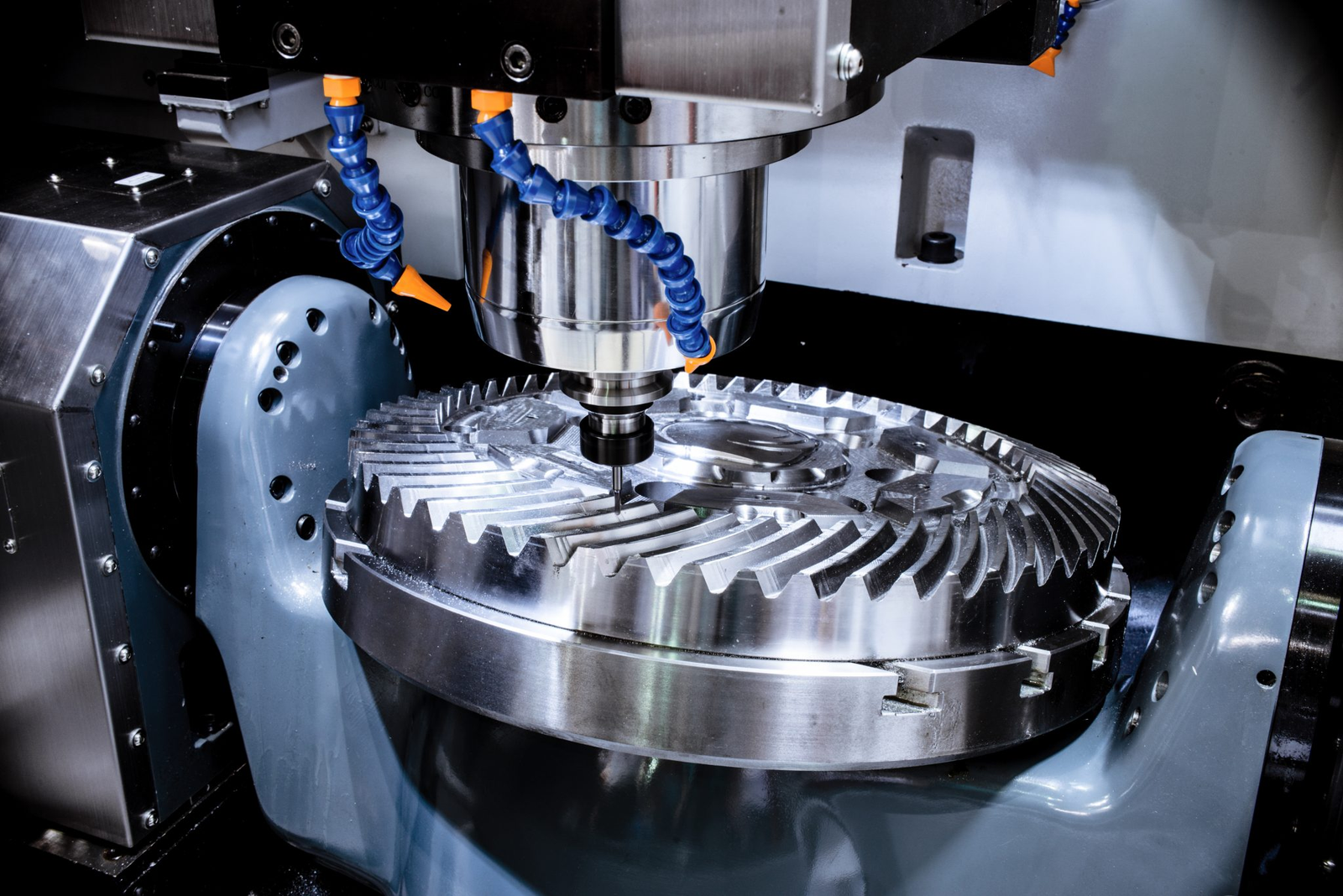
CNC machining is one of the core technologies that powers modern manufacturing. From aerospace components to medical implants, countless precision parts are produced using this method every day. At its foundation, CNC machining relies on computer-controlled systems to remove material from a solid workpiece with exceptional accuracy. As industries demand tighter tolerances, higher efficiency, and consistent quality, automated machining has become essential rather than optional.
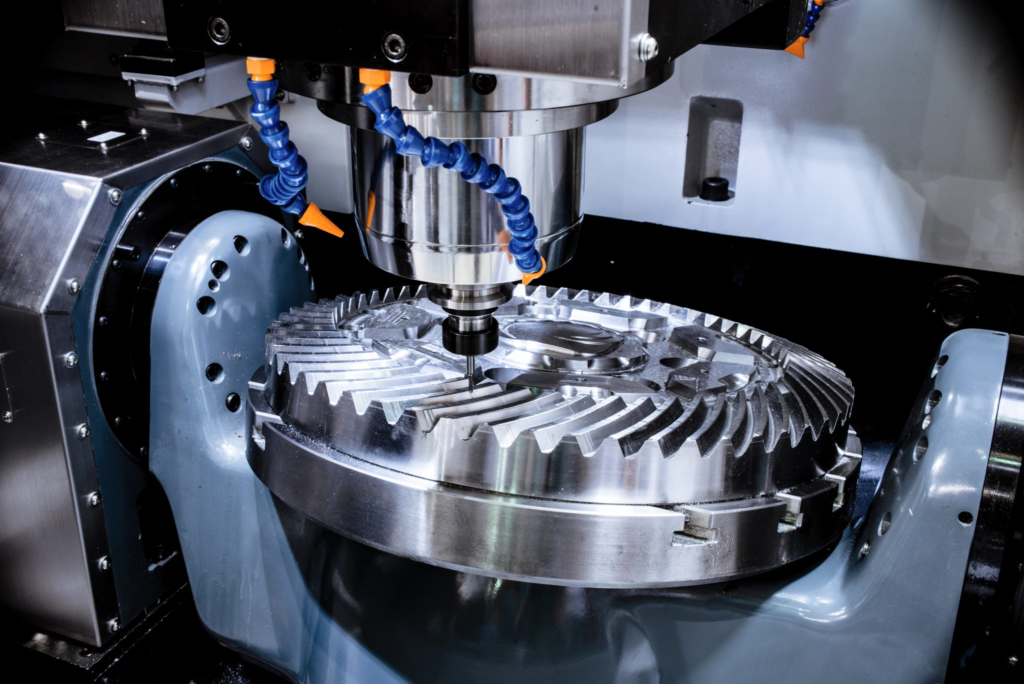
This article explains what CNC machining is, how it works, and why it remains critical across industries. It covers the definition and core principles, the evolution of the technology, the step-by-step machining process, the main types of CNC machines, commonly used materials, practical applications, and key advantages. It also examines current industry trends and the future outlook of CNC machining in an increasingly automated manufacturing environment.
What is CNC Machining?
CNC machining refers to a manufacturing method in which computer-controlled machines remove material from a solid workpiece to produce a finished part. It is a subtractive process, meaning material is cut away rather than added. The process is guided by programmed instructions that control tool movement, cutting speed, and positioning with high precision.
Unlike manual machining, CNC systems execute pre-defined instructions automatically. This ensures consistent results, reduced operator error, and repeatable production quality across batches.
Definition
CNC stands for Computer Numerical Control. It describes the use of computerized systems to control machine tools through coded instructions.
Key characteristics of CNC machining include:
- Subtractive manufacturing process
Material is removed from a solid block, known as a billet or blank, using cutting tools. For example, an aluminum billet can be milled into a lightweight automotive bracket.
- Computer-controlled motion
The machine follows programmed commands that determine tool paths, feed rates, and spindle speeds. This eliminates the variability often seen in manual machining.
- High-dimensional accuracy
CNC machines routinely achieve tolerances within a few microns, which is essential for components such as medical implants or aerospace fittings.
Purpose of CNC Machining
The primary purpose of CNC machining is to produce precision-engineered parts efficiently and consistently. Modern industries rely on CNC technology to meet strict performance and safety standards.
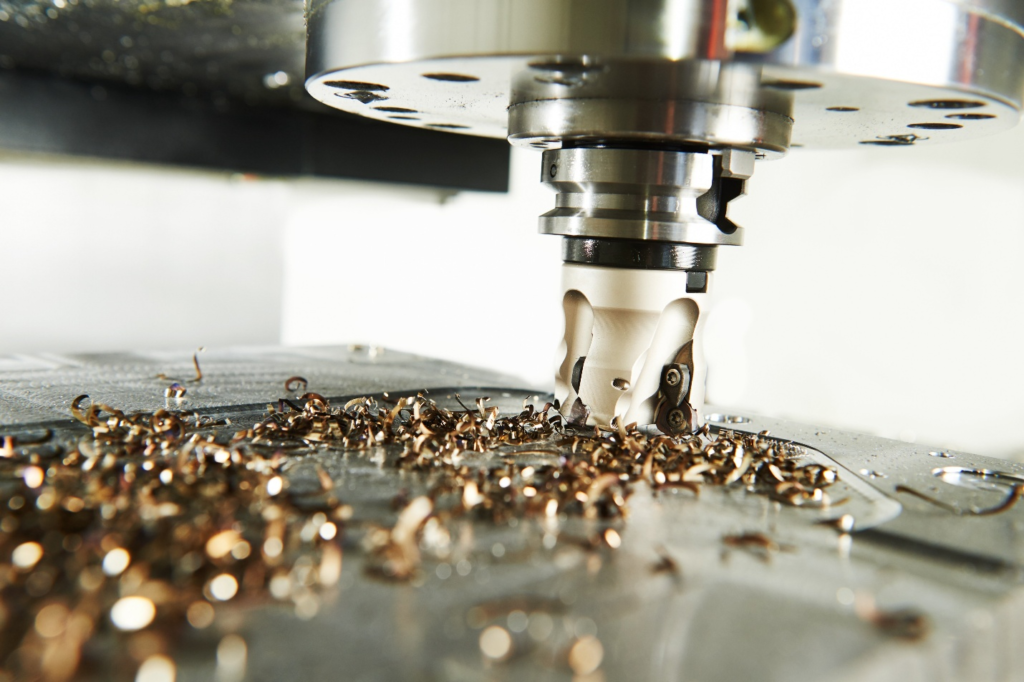
Its main objectives include:
- Producing precision parts
Industries such as aerospace and medical manufacturing require components with exact dimensions and smooth surface finishes.
- Replacing manual machining
Automated control reduces reliance on operator skill alone and increases production speed.
- Ensuring repeatability and tight tolerances
Once programmed, the machine can produce hundreds or thousands of identical parts with minimal variation. For instance, automotive manufacturers use CNC machining to produce engine components that must fit together perfectly across large production runs.
Basic Principle
The fundamental principle of CNC machining follows a clear sequence.
- Digital design
A component is first designed using computer-aided design software. The design defines geometry, dimensions, and tolerances.
- Machine instructions
The design is converted into machine-readable code that specifies how tools should move.
- Automated cutting operations
The CNC machine executes the program by moving along controlled axes, typically X, Y, and Z. Advanced machines may include additional rotational axes for complex geometries.
For example, a medical implant may require micron-level precision to ensure proper fit within the human body. Similarly, an aluminum automotive bracket can be machined from a solid billet using multi-axis milling to achieve structural strength while reducing weight.
Through this combination of digital planning and mechanical execution, CNC machining delivers high accuracy, repeatability, and scalability across industries.
History and Evolution of CNC Machining
CNC machining did not emerge overnight. It developed through decades of innovation driven by the need for higher precision, faster production, and greater consistency. The evolution from manual machining to fully automated, multi-axis systems reflects broader advances in computing and digital design. Understanding this progression helps explain why CNC machining is now central to advanced manufacturing.
Early Numerical Control 1940s to 1950s
The origins of CNC machining can be traced to early Numerical Control systems developed in the late 1940s and early 1950s. One of the pioneers was John Parsons, who collaborated with researchers at MIT to develop a method for controlling machine tools using numerical data.
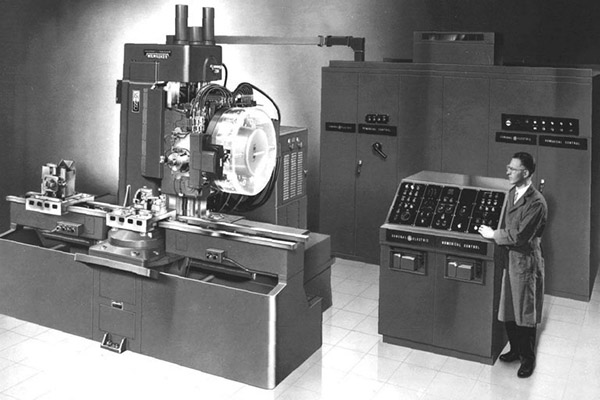
Key features of early NC systems included:
- Punched tape programming
Machine instructions were encoded on punched paper tape. The tape directed machine movements based on pre-defined coordinates. This approach was revolutionary at the time, particularly for complex aircraft components.
- Limited automation
Although automated compared to manual machining, early systems were mechanical and analog in nature. Adjustments were time-consuming and required skilled operators.
- Primary use in aerospace
Early numerical control was adopted by the aerospace industry to produce airfoil profiles and structural components that required consistent accuracy. For example, early aircraft blade manufacturing relied heavily on NC systems to achieve repeatable geometry.
Despite their limitations, these systems laid the foundation for computer-controlled machining.
Transition to Computer Control 1960s to 1980s
As computing technology advanced, traditional NC systems evolved into Computer Numerical Control systems. During the 1960s and 1970s, digital computers replaced analog controllers, significantly increasing flexibility and precision.
This transition introduced several improvements:
- Digital control systems
Computers replaced punched tape readers, enabling faster program changes and improved data storage.
- Integration of CAD and CAM
Computer-aided design and computer-aided manufacturing software allowed engineers to design parts digitally and generate machining instructions directly from 3D models. This reduced manual programming errors and improved efficiency.
- Expanded industrial adoption
Automotive and industrial manufacturing sectors began implementing CNC machines for high-volume production. Engine blocks, transmission housings, and precision molds were increasingly produced using computer-controlled machining.
This period marked the shift from specialized aerospace use to broader industrial adoption.
Modern CNC Systems
Modern CNC machining systems are far more advanced than their early predecessors. Today’s machines combine multi-axis capability, automation, and data integration to support complex manufacturing environments.
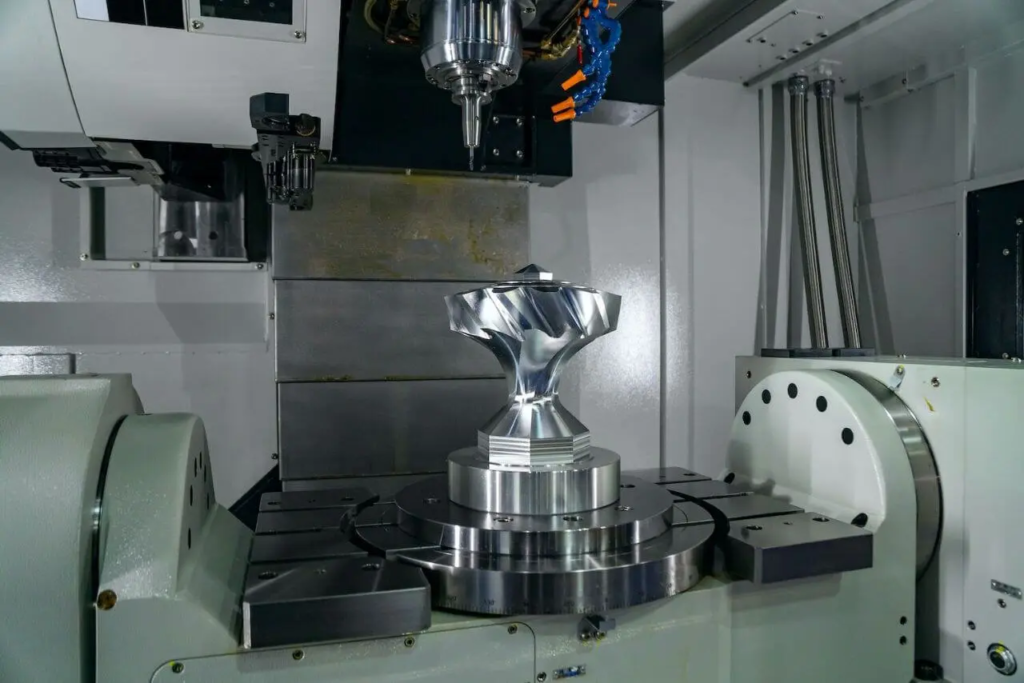
Key characteristics of modern CNC systems include:
- Multi-axis machining
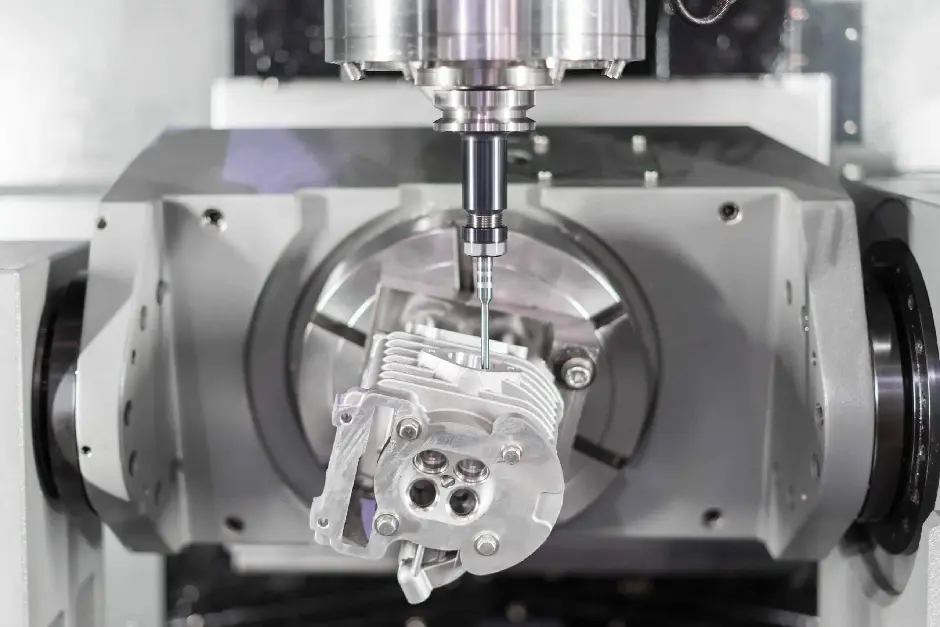
4-axis and 5-axis machines allow tools to approach a part from multiple angles in a single setup. This reduces repositioning errors and increases geometric complexity. For example, modern 5-axis machining enables precise turbine blade production with smooth, continuous contours.
- Automation and robotics integration
CNC machines are often connected to robotic loading systems and automated tool changers. This enables continuous production with minimal manual intervention.
- Smart manufacturing and data tracking
Modern systems collect operational data in real time. Production metrics, tool wear information, and machine performance can be monitored and analyzed to improve efficiency and reduce downtime.
A clear comparison highlights this evolution. Early aircraft blade manufacturing required multiple setups and manual adjustments. In contrast, modern 5-axis machining centers can produce a complex turbine blade in a single setup with significantly higher accuracy and shorter cycle times.
The evolution from punched tape to intelligent, networked machining systems illustrates how CNC technology has become a cornerstone of modern precision engineering.
How CNC Machining Works: Step-by-Step Process
CNC machining follows a structured workflow that transforms a digital concept into a finished physical component. Each stage plays a critical role in ensuring dimensional accuracy, surface quality, and production efficiency. A clear understanding of these steps highlights how digital data is translated into precise mechanical movement.
Stage 1: Creating the CAD Model
The process begins with a digital design created using Computer-Aided Design software. This model defines the part’s geometry, dimensions, tolerances, and surface requirements.
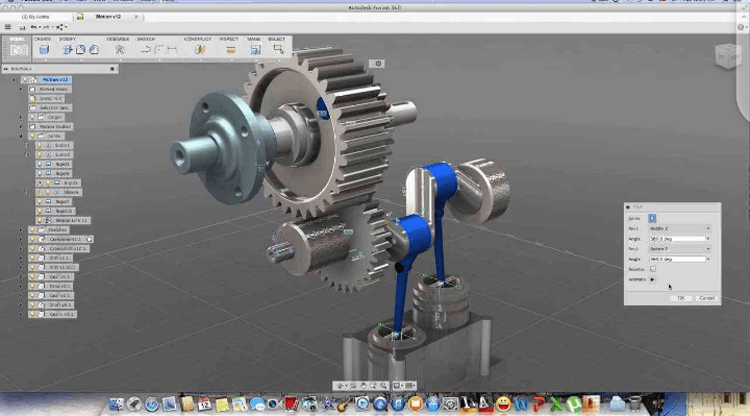
Important elements at this stage include:
- 2D or 3D modeling
Simple components may begin as 2D drawings, but most modern CNC projects rely on 3D models. These models allow engineers to visualize complex features such as pockets, slots, and curved surfaces.
- Tolerance specification
Critical dimensions are assigned allowable variation limits. For example, a medical implant may require tolerance within a few microns to ensure proper fit and function.
- Material considerations
The design may account for material properties such as thermal expansion or hardness, which influence machining strategy.
For instance, a prototype electronic enclosure is modeled in 3D to ensure internal components fit correctly before production begins.
Stage 2: Converting to CNC Program CAM and G Code
Once the CAD model is complete, it is imported into Computer-Aided Manufacturing software. The CAM system generates toolpaths that guide the cutting tools.
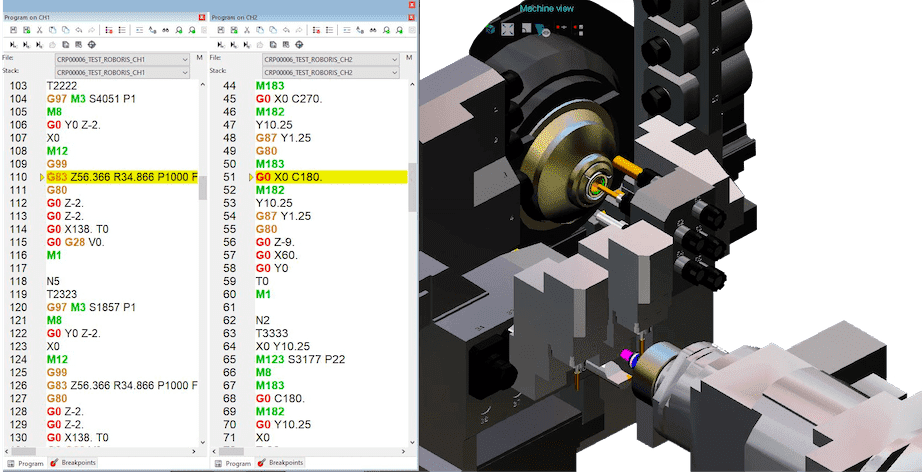
This stage includes:
- Toolpath generation
The CAM software determines how the cutting tool moves across the material. It selects strategies such as contouring, pocketing, or drilling based on geometry.
- Post-processing into G code
The toolpaths are converted into machine-readable instructions known as G code. G code controls movement, speed, and positioning, while M code manages auxiliary functions such as coolant and spindle control.
- Simulation and verification
Most CAM systems allow simulation to detect collisions or errors before machining begins. This reduces the risk of material waste and machine damage.
For example, when producing a precision aluminum housing, the CAM program defines multiple operations, including rough milling, finishing passes, and drilling sequences.
Stage 3: Machine Setup and Workholding
Before machining can begin, the machine must be properly prepared. Set up directly affects part accuracy and production consistency.
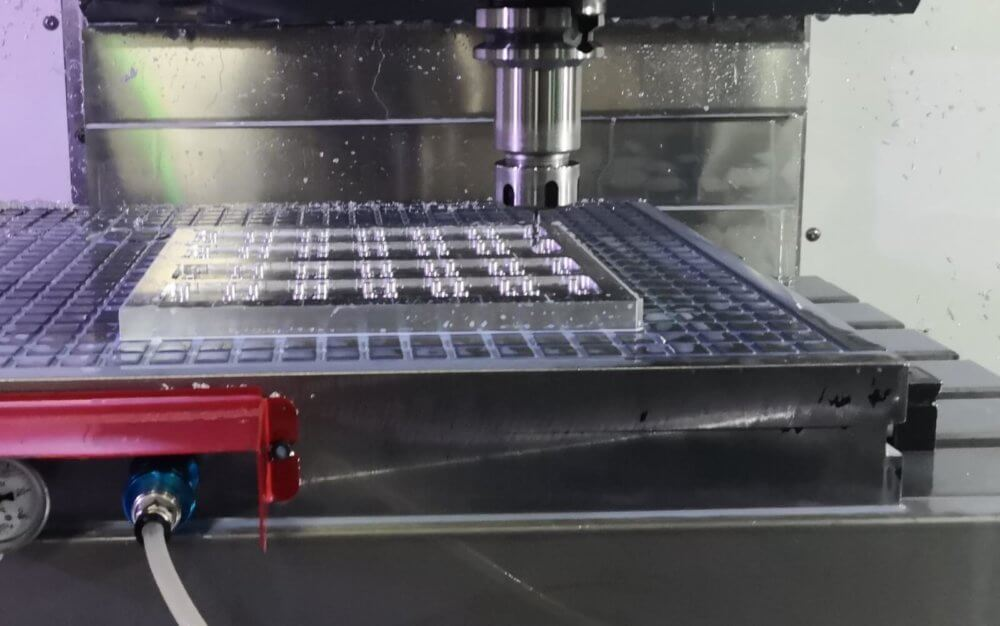
Key setup steps include:
- Securing the workpiece
The material block is clamped using vises, fixtures, or specialized workholding systems. Stability is essential to prevent vibration or movement during cutting.
- Tool selection and calibration
Appropriate cutting tools are installed based on material and design requirements. Tool length and diameter offsets are measured and entered into the system.
- Zero point setting
The machine coordinate system is aligned with the workpiece. This reference point ensures the program executes in the correct position.
Improper setup can lead to dimensional errors even if the program is correct. Therefore, this stage is critical for quality assurance.
Stage 4: Machining Execution
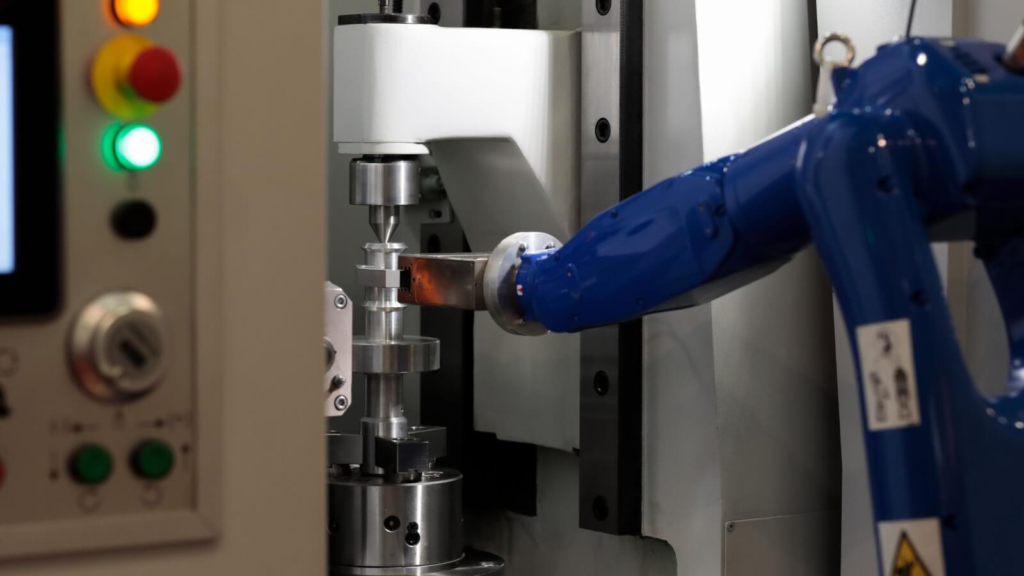
After programming and setup, the CNC machine executes the operation automatically according to the G-code instructions.
During this stage:
- Automated cutting operations
The machine removes material through milling, turning, drilling, or other processes. The spindle speed, feed rate, and tool movements are precisely controlled.
- Continuous monitoring
Operators monitor tool wear, vibration, and coolant flow. Advanced systems use sensors to detect anomalies in real time.
- Inspection and quality control
Finished parts are measured using calipers, micrometers, or coordinate measuring machines to verify compliance with specifications.
As an example, consider a prototype enclosure. The process begins with CAD design, followed by CAM programming. A 3-axis milling machine performs rough and finish passes. Finally, dimensional inspection confirms that mounting holes and internal cavities meet tolerance requirements.
Through these structured stages, CNC machining ensures repeatable, high-precision production from prototype development to full-scale manufacturing.
Main Types of CNC Machines and Operations
CNC machining encompasses several machine types, each designed for specific geometries and manufacturing needs. Selecting the appropriate machine depends on part shape, material, tolerance requirements, and production volume. Understanding these categories clarifies how different operations contribute to precision manufacturing.
CNC Milling
CNC milling is one of the most widely used machining processes. It uses a rotating cutting tool to remove material while the workpiece remains stationary or moves along programmed axes.
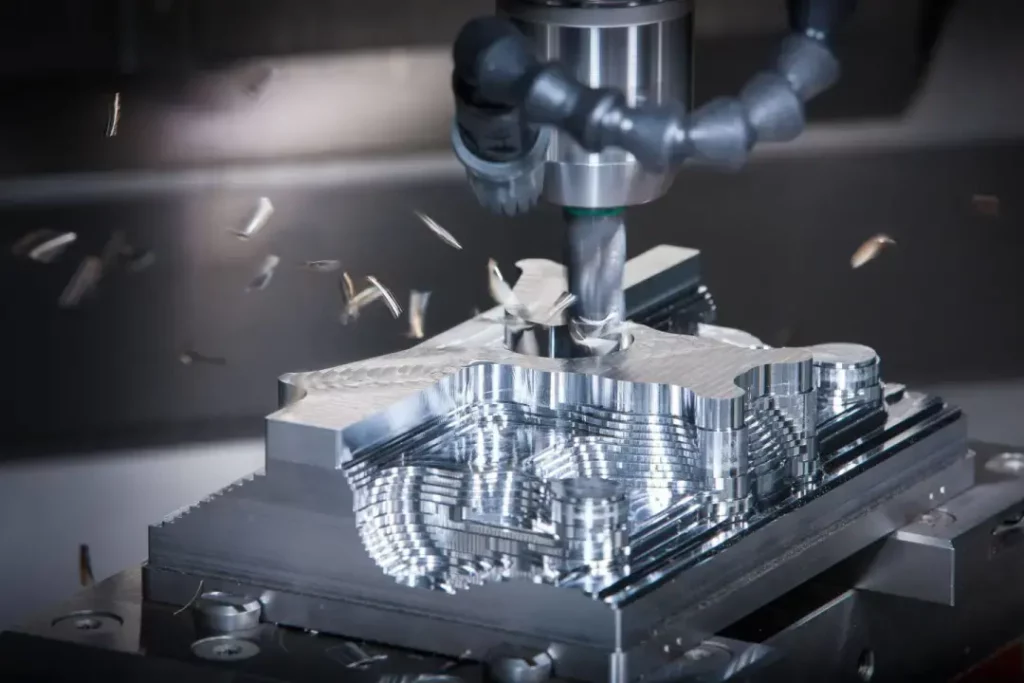
Key characteristics include:
- Rotating multi-point cutting tool
The spindle rotates the tool at high speed while it moves along defined paths to shape the part.
- Multi-axis capability
Standard machines operate on three axes, X, Y, and Z. Advanced systems include 4-axis and 5-axis configurations, enabling complex contours and angled features in a single setup.
- Versatility in geometry
Milling can create slots, pockets, contours, and flat surfaces.
For example, aerospace structural components often require intricate internal cavities and lightweighting features. Multi-axis CNC milling allows these complex geometries to be machined from solid aluminum blocks with high dimensional accuracy.
CNC Turning Lathes
CNC turning differs from milling in that the workpiece rotates while a stationary cutting tool shapes it. This process is ideal for cylindrical or symmetrical parts.
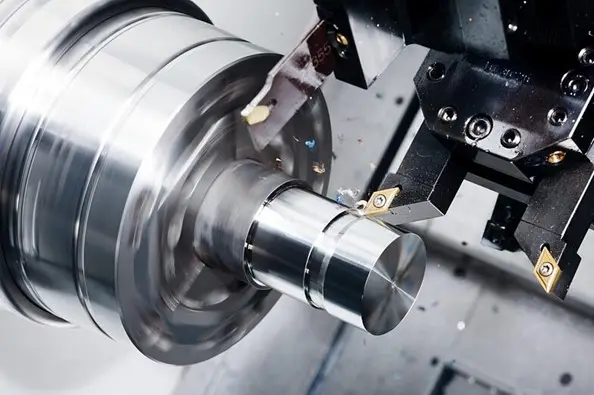
Core aspects include:
- Rotating workpiece
The material spins at controlled speeds while tools remove material along its outer or inner diameter.
- Cylindrical precision
Turning is particularly effective for shafts, bushings, pins, and threaded components.
- High production efficiency
CNC lathes are commonly used in automotive and industrial applications where large quantities of identical cylindrical parts are required.
For instance, motor shafts used in electric vehicles are typically produced using CNC turning to ensure precise diameter and surface finish for proper bearing fit.
CNC Drilling and Tapping
Drilling and tapping operations focus on creating holes and threaded features within a component.
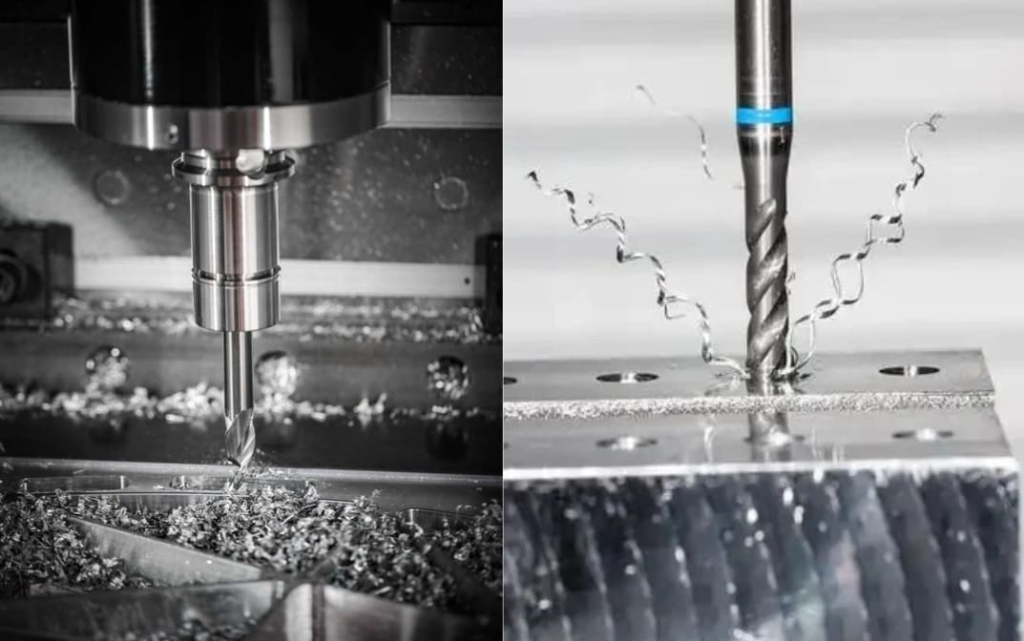
Important elements include:
- Hole creation
CNC drilling ensures accurate positioning and consistent depth across multiple parts.
- Thread formation
Tapping operations produce internal threads for fasteners.
These operations are frequently integrated into milling or turning processes. For example, an aluminum housing may require precisely aligned bolt holes to ensure correct assembly in an electronics enclosure.
CNC Grinding
CNC grinding is used for finishing operations that require extremely tight tolerances and smooth surface finishes.
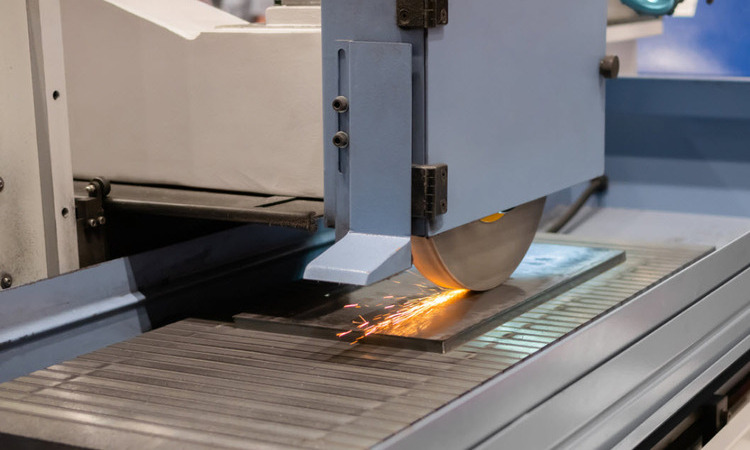
Key features include:
- Abrasive cutting wheels
Material is removed in small increments to achieve precise dimensions.
- High surface quality
Grinding is often applied to hardened materials where milling may not achieve the required finish.
Industries such as aerospace and medical manufacturing rely on CNC grinding for components like bearing surfaces and precision shafts, where micron-level accuracy is critical.
Advanced CNC Technologies
Beyond traditional milling and turning, several advanced CNC technologies address specialized applications.
- Electrical Discharge Machining EDM
Material is removed using electrical sparks. EDM is ideal for hard materials and intricate internal shapes such as mold cavities.
- Laser cutting
A focused laser beam melts or vaporizes material. It is commonly used for sheet metal fabrication with high edge quality.
- Waterjet cutting
High-pressure water mixed with abrasive particles cuts through metals, composites, and stone without generating heat. This is beneficial for materials sensitive to thermal distortion.
- Plasma cutting
An ionized gas jet cuts conductive metals efficiently, often used in heavy industrial fabrication.
A comparison illustrates their differences. Milling is suitable for producing a motor shaft from solid stock when complex features are required. Turning is more efficient if the shaft is primarily cylindrical. For sheet metal components, waterjet cutting avoids heat-affected zones, while laser cutting offers faster speeds and cleaner edges for thinner materials.
Each machine type serves a specific purpose within the broader CNC ecosystem. Together, they provide the flexibility needed to manufacture parts ranging from simple brackets to complex aerospace components with consistent precision.
Materials Used in CNC Machining
Material selection plays a critical role in CNC machining. The chosen material affects machining strategy, tool selection, surface finish, and overall part performance. CNC machines are capable of working with a wide range of materials, making the process suitable for diverse industries and applications.
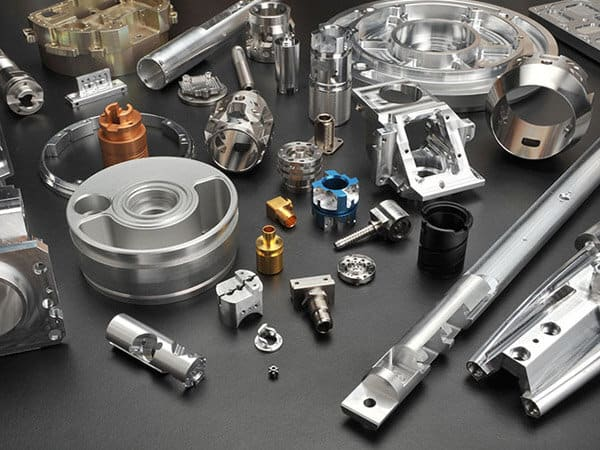
Metals
Metals are the most commonly machined materials due to their strength, durability, and predictable behavior during cutting operations.
Commonly used metals include:
- Aluminum
Aluminum is lightweight, corrosion-resistant, and easy to machine. It is widely used for automotive brackets, heat sinks, and aerospace structural parts. For example, aluminum heat sinks are machined with fine fins to improve thermal performance in electronic devices.
- Stainless steel
Stainless steel offers excellent strength and corrosion resistance. It is frequently used in automotive components, food processing equipment, and medical tools. CNC machining ensures precise dimensions even for complex stainless steel assemblies.
- Titanium
Titanium is valued for its high strength-to-weight ratio and biocompatibility. It is commonly used in aerospace components and medical implants. Although more challenging to machine, CNC systems allow controlled cutting to maintain dimensional accuracy and surface integrity.
- Brass
Brass is easy to machine and provides good electrical conductivity and corrosion resistance. It is often used for precision fittings, connectors, and valves.
Plastics
CNC machining is also well-suited for engineering plastics, particularly when tight tolerances or low-volume production are required.
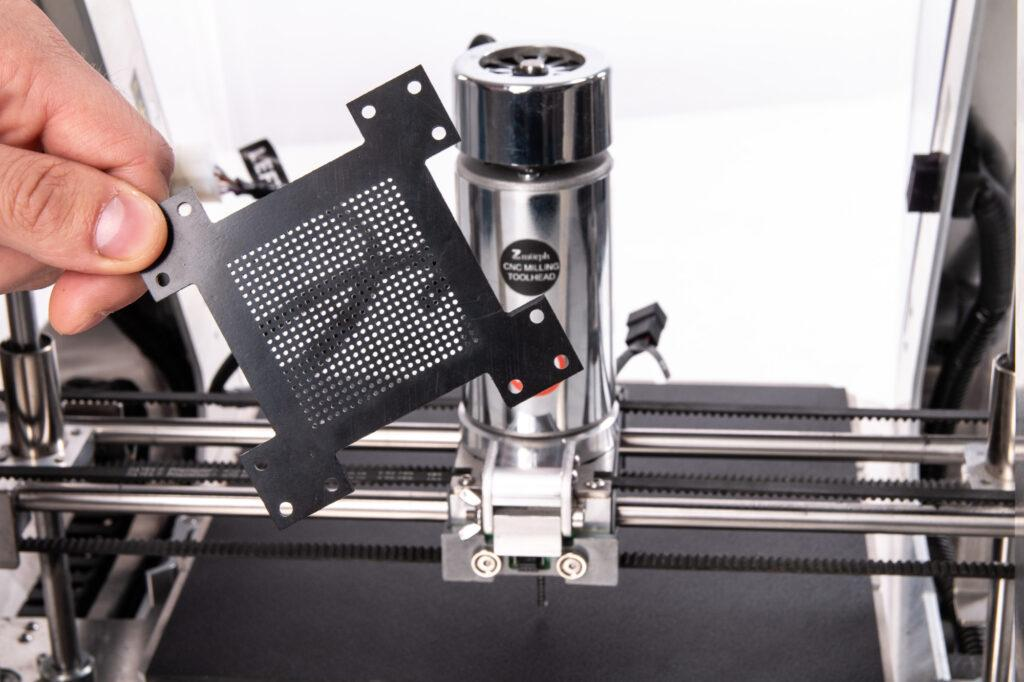
Common plastic materials include:
- ABS
ABS is widely used for prototypes and functional parts due to its impact resistance and ease of machining. It is often chosen for early product testing.
- Nylon
Nylon offers good wear resistance and mechanical strength. It is commonly used for gears, bushings, and sliding components.
- PEEK
PEEK is a high-performance plastic known for its chemical resistance and thermal stability. It is frequently used in medical and aerospace applications. For example, CNC-machined PEEK surgical instruments maintain strength and precision under repeated sterilization.
Other Materials
Beyond metals and plastics, CNC machining can process additional material types for specialized uses.
- Wood
CNC routers are commonly used for furniture components, decorative panels, and architectural elements. The process ensures consistent shapes and repeatable patterns.
- Composites
Composite materials such as carbon fiber reinforced plastics are machined for aerospace and sporting applications. CNC machining allows controlled cutting to maintain fiber integrity.
Material choice directly influences machining parameters and final part quality. For example, a stainless steel automotive component requires slower cutting speeds and robust tooling, while an aluminum part allows faster machining with excellent surface finish. By accommodating a wide range of materials, CNC machining supports applications from lightweight consumer products to high-performance industrial systems.
Advantages, Applications, and Industry Outlook
CNC machining remains a foundational technology in modern manufacturing because it combines precision, efficiency, and scalability. Its advantages extend beyond accuracy, influencing cost control, product reliability, and production flexibility. As industries demand higher performance and faster development cycles, CNC machining continues to expand its role across sectors.
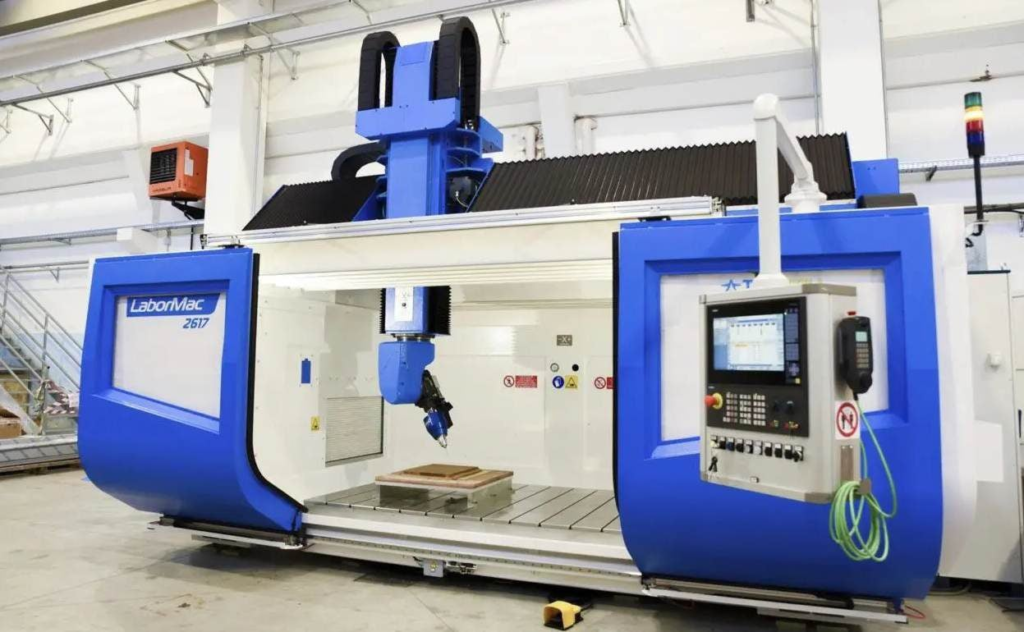
Key Advantages
CNC machining offers measurable technical and economic benefits.
- High precision
CNC machines operate with controlled movements that achieve tight tolerances. This is essential for aerospace engine components where dimensional accuracy directly affects performance and safety.
- Repeatability
Once a program is validated, identical parts can be produced repeatedly with minimal variation. Automotive manufacturers rely on this consistency for components such as engine blocks and transmission housings.
- Reduced human error
Automated execution reduces dependency on manual adjustments. While skilled operators remain important, programmed control ensures predictable outcomes.
- Faster production cycles
Automated tool changes and optimized toolpaths reduce machining time. For example, multi-axis machining can complete complex parts in a single setup, lowering cycle time compared to multiple manual operations.
- Lower long term labor cost
Although initial investment is significant, automation reduces labor intensity over time, especially in high-volume production environments.
- Scalability
CNC machining supports both prototype development and full production runs. A validated program can be scaled from small batches to large quantities without redesign.
These advantages collectively improve manufacturing reliability and operational efficiency.
Applications Across Industries
CNC machining serves a wide range of industries that require precision and durability.
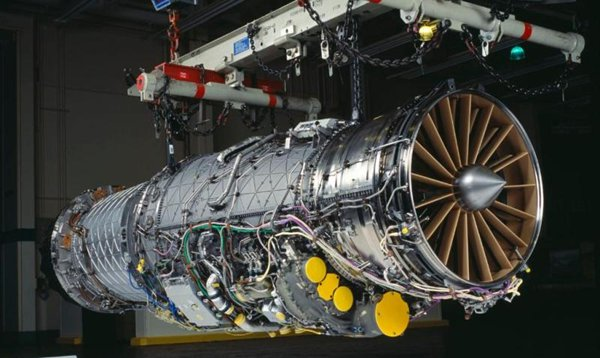
CNC Machining in the Aerospace Industry
- Aerospace
Components such as turbine blades, structural brackets, and landing gear elements demand high-strength materials and tight tolerances. Multi-axis machining enables complex geometries with minimal setup changes.
- Automotive
Engine blocks, cylinder heads, transmission parts, and mounting brackets are commonly machined using CNC systems. Precision ensures proper alignment and long-term performance.
- Medical
Implants, surgical tools, and diagnostic equipment components require strict dimensional control and high-quality surface finishes. Titanium hip implants and stainless steel surgical instruments are typical examples.
- Electronics
CNC machining produces housings, enclosures, and heat sinks. Aluminum heat sinks for power electronics require fine fins and accurate spacing to optimize thermal dissipation.
- Defense and robotics
Precision parts for unmanned systems, guidance mechanisms, and robotic assemblies rely on CNC machining for durability and performance reliability.
The diversity of these applications demonstrates the versatility of CNC technology.
CNC Versus Manual Machining
While manual machining remains useful for simple or low-volume tasks, CNC systems provide clear advantages in productivity and quality consistency.
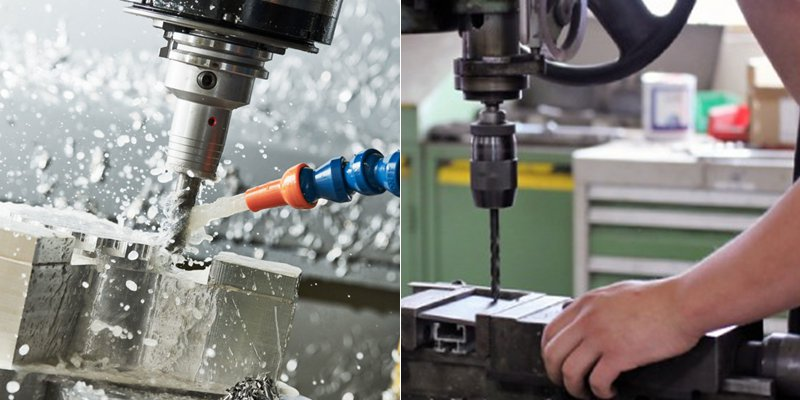
CNC Machining vs Manual Machining
- Productivity comparison
CNC machines operate continuously with minimal intervention. Complex parts that may require several hours of manual machining can be completed more efficiently using programmed automation.
- Quality consistency
Manual processes depend heavily on operator skill. CNC machining standardizes operations, reducing variation between parts.
- Continuous operation capability
CNC systems can operate for extended periods, including overnight shifts when integrated with automated loading systems.
For example, producing a batch of precision shafts manually may result in slight dimensional differences. CNC turning ensures uniform diameter and surface finish across the entire production run.
Industry Trends and Market Growth
CNC machining continues to evolve alongside broader manufacturing advancements.
- Multi-axis machining adoption
5-axis systems are increasingly used for complex parts such as EV motor housings and aerospace components. Fewer setups reduce error and improve surface continuity.
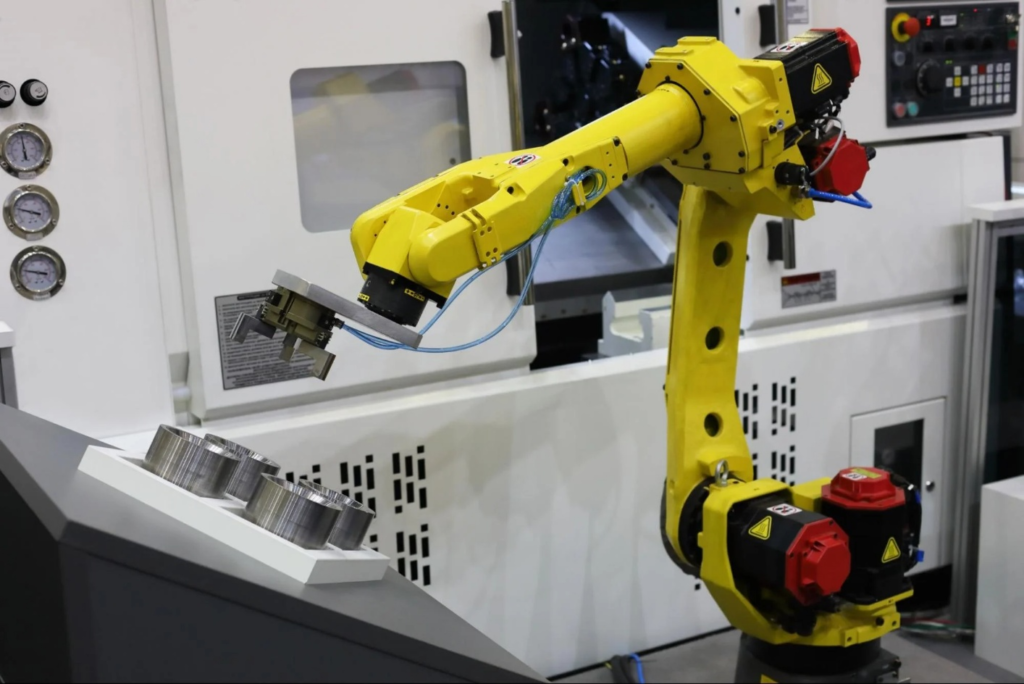
- Automation integration
Robotic loading systems and automated pallet changers enable continuous production. An automated CNC cell with robotic loading can machine parts around the clock with minimal supervision.
- Data-driven manufacturing
Modern CNC machines collect performance data that supports predictive maintenance and process optimization. Real-time monitoring reduces downtime and improves overall equipment effectiveness.
- Growth in emerging sectors
Expanding electric vehicle production and semiconductor manufacturing require precision components. CNC machining supports these industries through accurate metal and plastic part fabrication.
As manufacturing shifts toward smarter and more connected systems, CNC machining remains central to precision engineering. Its adaptability to new materials, automation technologies, and complex geometries ensures continued relevance in both established and emerging markets.
Conclusion
CNC machining stands at the core of modern manufacturing, enabling the production of precise, reliable, and complex components across industries. By combining digital design with controlled mechanical execution, it transforms solid raw materials into high-performance parts with consistent accuracy. From aerospace turbine blades to medical implants and automotive components, CNC technology supports applications where precision and repeatability are essential.
Its ability to scale from rapid prototyping to large production runs makes it suitable for both innovation and mass manufacturing. Continuous advancements in multi-axis systems, automation integration, and data-driven process control are further strengthening its role in smart manufacturing environments. As industries demand tighter tolerances, advanced materials, and faster development cycles, CNC machining remains one of the most versatile and dependable production technologies available today.