Drawing from our 20+ years of precision machining experience, we share practical insights to help you overcome technical challenges in complex parts manufacturing. From material selection to process optimization, we empower your procurement decisions with professional expertise and confidence.

Gratitude to Our Valued Partners

The manufacturing of tapering marine masts has been transformed by CNC technology, which offers accuracy, reliability, and efficiency. CNC procedures provide lightweight, robust, and aerodynamically optimized masts from design and material selection to machining, finishing, and quality inspection.

In regulated CNC manufacturing, inspection documentation carries the same weight as machining precision. FAIRs, PPAP packages, Certificates of Conformance, and material test reports provide objective proof that parts meet design, material, and process requirements.

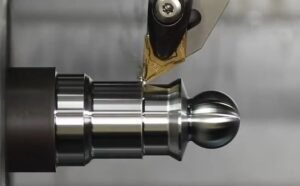
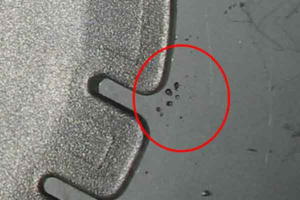
Surface defects in precision CNC parts stem from multiple interrelated factors spanning tooling, parameters, fixturing, and material properties. By systematically addressing these variables and implementing robust quality controls, we consistently produce defect-free components that meet the most demanding specifications.

Selecting a CNC machining supplier is not a purchasing shortcut. It is a technical and strategic decision that directly affects part quality, cost control, delivery performance, and long-term production stability. Suppliers that look similar on paper can perform very differently once real parts, real tolerances, and real schedules are involved.

CNC machining has transformed modern shipbuilding by delivering unprecedented precision, cost efficiency, and material optimization. By implementing the right equipment, programming, and workflows, shipbuilders can create vessels that are stronger, lighter, and more durable than ever before.

Side milling remains essential to CNC machining because it uniquely combines versatility, precision, and efficiency for creating complex geometries. By understanding its principles and optimizing your approach, you’ll achieve superior results that meet the most demanding specifications.

CNC machining is highly effective for both rapid prototyping and production runs, but success depends on understanding how requirements evolve between these stages. Prototyping prioritizes speed, flexibility, and learning, while production demands control, repeatability, and cost efficiency.

Soft machining offers substantial advantages in efficiency, tool life, and cost-effectiveness when producing precision components. By matching the right materials, methods, and manufacturing sequence to your specific requirements, you can optimize production while achieving superior results.

Achieving high precision in carbon fiber machining entails using advanced tools, managing techniques, and following best practices across application areas for optimal performance and cost-efficient outcomes.

Choosing the right CNC machining process begins with a clear understanding of the geometry, tolerance needs, and accessibility challenges within a part. Milling, turning, and multi-axis machining each provide unique strengths, and the most effective method depends on how well those strengths match the features being produced.

Proper corner design in CNC machining is a critical balance between engineering principles and manufacturing constraints. By following material-specific guidelines and understanding application requirements, you’ll achieve components that perform reliably while remaining cost-effective to produce.
We will contact you within 1 working day, please pay attention to the email with the suffix “@partstailor.com”.