
Fabric phenolic cotton sheets are laminated composite materials made by bonding layers of woven cotton fabric with phenolic resin under heat and pressure. The result is a dense, tough material that combines mechanical strength, wear resistance, and electrical insulation. Because of these balanced properties, fabric phenolic has remained a dependable engineering material for decades, even as newer composites have entered the market.

In CNC machining, fabric phenolic cotton sheets are widely used for parts that require durability, dimensional stability, and consistent machining behavior at a reasonable cost. This article explains what fabric phenolic cotton sheets are, how their properties affect CNC machining performance, and the best practices for machining them efficiently and reliably.
What is a Fabric Phenolic Cotton Sheet?
Fabric phenolic cotton sheet is an industrial laminate designed for mechanical and electrical applications where strength, wear resistance, and predictable machining behavior are required.
It is built by stacking multiple layers of cotton fabric and bonding them together using phenolic resin. Under heat and pressure, the resin cures and locks the fabric layers into a solid, rigid sheet. This structure gives the material a unique balance.
The cotton fabric provides toughness and impact resistance, while the phenolic resin contributes hardness, thermal stability, and chemical resistance. The result is a material that machines cleanly and performs reliably in load-bearing and wear-related applications.
Cotton Fabric Layers
The reinforcement in the fabric phenolic comes from woven cotton cloth. The weave style and fabric weight directly influence the final properties of the sheet. Finer weaves produce smoother surfaces and better dimensional control, while coarser weaves improve impact strength and wear resistance.

In CNC machining, these fabric layers help prevent brittle failure. For example, when drilling holes or milling slots, fabric phenolic is less likely to crack compared to paper-based phenolic laminates. This is one reason it is commonly used for gears, bearing components, and structural spacers.
Phenolic Resin Bonding
Phenolic resin is a thermosetting resin known for its heat resistance and mechanical rigidity once cured. During manufacturing, the resin fully penetrates the cotton fabric, ensuring strong bonding between layers.
After curing, the resin does not soften again under heat. This characteristic is important in CNC machining, especially during high-speed milling or drilling, where localized heat can build up. Instead of melting or smearing, fabric phenolic maintains its structure, provided cutting parameters are properly selected.
Manufacturing Process Overview
Fabric phenolic cotton sheets are produced through a lamination and curing process:
- Cotton fabric sheets are impregnated with liquid phenolic resin
- The resin-saturated layers are stacked in a controlled orientation
- Heat and pressure are applied in a press to cure the resin
- The laminated block is cooled and cut into standard sheet sizes
This process ensures uniform thickness, consistent resin content, and stable mechanical properties across the sheet. For CNC machinists, this consistency translates into predictable tool behavior and repeatable part quality.
Common Grades and Standards
Fabric phenolic sheets are available in several grades, typically defined by fabric type, resin formulation, and performance requirements. Common standards include industrial and electrical grades used in mechanical components, insulation parts, and wear surfaces.
For example, fine weave grades are often selected for precision CNC parts that require tight tolerances and smooth finishes. Coarser grades are preferred for heavily loaded components such as gears or wear plates, where surface appearance is secondary to durability.
Key Physical Characteristics
Fabric phenolic cotton sheets exhibit a combination of properties that make them suitable for CNC machining.
- Density
The material has a higher density than most engineering plastics but remains lighter than metals. This makes it suitable for parts where weight reduction is important without sacrificing strength.
- Mechanical Strength
Fabric phenolic offers good compressive and flexural strength. It performs well in applications involving repeated mechanical loading, such as cam followers or guide components.
- Electrical Insulation
Phenolic resin provides excellent electrical insulating properties. This allows the material to serve both structural and insulating roles, such as in electrical panels or motor components that also experience mechanical stress.
Why Cotton Fabric Is Used Instead of Paper or Glass
Cotton fabric is chosen when toughness and machinability are priorities. Compared to paper phenolic, fabric phenolic offers higher impact resistance and better wear performance. Paper-based laminates are easier to machine but tend to be brittle and less durable in moving or loaded parts.
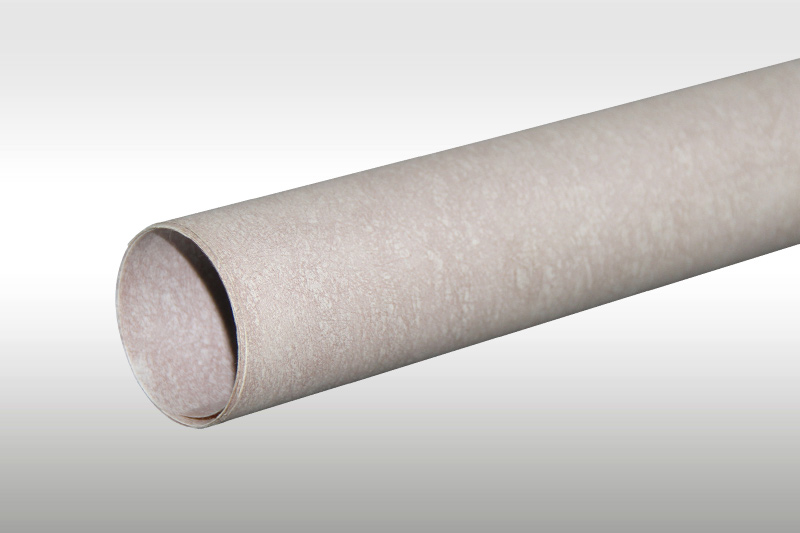
Compared to glass fabric laminates like G10 or FR4, cotton fabric phenolic is easier on cutting tools and produces less abrasive wear. In many CNC shops, fabric phenolic is preferred for gears, bushings, and wear parts where extreme strength is not required but smooth machining and long tool life are important.
This balance of strength, toughness, and machinability is what makes fabric phenolic cotton sheets a practical choice for many CNC-machined components.
Material Properties Relevant to CNC Machining
The machining behavior of fabric phenolic cotton sheets is directly influenced by their mechanical, thermal, and environmental properties. Understanding these characteristics helps CNC machinists choose proper tooling, set realistic tolerances, and avoid common machining issues. While fabric phenolic is forgiving compared to many composites, it still behaves differently from metals and standard plastics.
Mechanical Properties
Fabric phenolic is valued for its balanced mechanical performance rather than extreme strength. The cotton reinforcement gives the material toughness, allowing it to absorb mechanical stress without cracking.
- Impact resistance
Compared to paper phenolic, fabric phenolic handles shock loads more effectively. This makes it suitable for CNC-machined gears, spacers, and housings that experience repeated contact or intermittent loading. In practical terms, drilled holes and milled pockets are less likely to chip at the edges during machining or service.
- Wear resistance
The woven cotton structure provides good wear characteristics, especially in sliding or rotating applications. Bushings, wear strips, and guide components made from fabric phenolic often show stable performance over time when paired with steel shafts or plates.
- Dimensional stability
Fabric phenolic maintains its shape well under mechanical load. While it does not match metals for absolute rigidity, it performs better than many engineering plastics in applications where parts must retain thickness and flatness under pressure.
- Thermal Behavior
Thermal performance plays a significant role during CNC machining, particularly at higher spindle speeds.
- Heat resistance
Phenolic resin is thermoset, meaning it does not soften once cured. This allows fabric phenolic to tolerate higher cutting temperatures than thermoplastics such as nylon or acetal. During milling operations, the material resists smearing and maintains clean edges when tools are sharp.
- Performance under friction
In service, fabric phenolic performs well in moderate friction environments. For example, phenolic gears and wear plates are commonly used in packaging and material handling equipment where heat buildup is controlled, but continuous motion is present.
During machining, however, excessive heat can still cause surface burning or discoloration. This is usually a sign of dull tools or overly aggressive cutting parameters rather than a material failure.
Electrical Properties
From a CNC perspective, electrical insulation is rarely the primary concern, but it influences material selection in many applications. Fabric phenolic offers reliable insulating properties while still being mechanically robust.

This combination is useful in parts such as terminal boards, insulating spacers, and motor components where CNC machining is required to achieve precise geometries without compromising electrical performance.
Moisture Resistance and Limitations
Fabric phenolic resists moisture better than paper-based laminates, but is not completely unaffected by humidity. The cotton fabric can absorb small amounts of moisture over time, which may lead to slight dimensional changes.
In most CNC-machined industrial parts, this effect is minimal. However, in high-humidity environments or outdoor applications, allowances may be needed for tight-tolerance components. For example, press-fit bushings made from fabric phenolic may require additional clearance if they are exposed to moisture during service.
Comparison with Similar CNC Materials
Material selection often involves choosing between fabric, phenolic, and other laminate or composite options.
- Fabric phenolic vs paper phenolic
Paper phenolic is easier to machine and less expensive, but it lacks the toughness and wear resistance of fabric phenolic. In CNC applications involving moving parts or mechanical loads, fabric phenolic offers longer service life and better resistance to cracking.
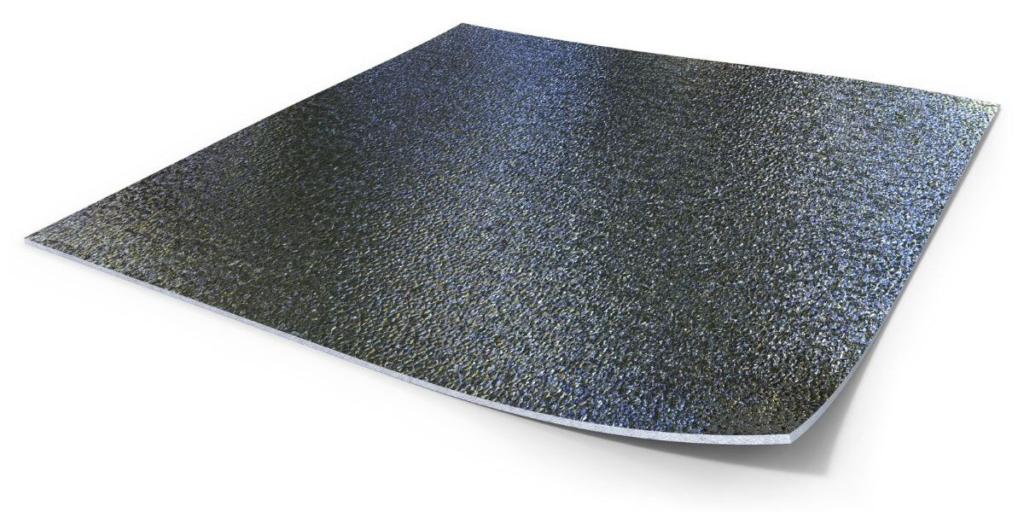
Phenolic Paper Laminated Sheets
- Fabric phenolic vs glass epoxy
Glass epoxy materials such as G10 and FR4 provide higher strength and superior thermal stability, but they are abrasive and significantly harder on cutting tools. In many CNC shops, fabric phenolic is selected when extreme strength is not required and when tool life, machining speed, and surface finish are higher priorities.
By understanding these material properties, machinists can better predict how fabric phenolic cotton sheets will behave during cutting and how finished parts will perform in real applications.
CNC Machining Performance of Fabric Phenolic
Fabric phenolic cotton sheets are generally considered CNC-friendly materials. They machine more easily than glass reinforced laminates and behave more predictably than many filled plastics. When proper tools and parameters are used, machinists can achieve consistent results with minimal scrap and acceptable surface finishes.
Machinability Overview
From a machining standpoint, fabric phenolic cuts cleanly and does not exhibit the stringing or melting seen in thermoplastics. The material breaks into chips or fine particles rather than forming long swarf, which helps maintain stable cutting conditions.
Shops that regularly machine non-metallic materials often describe fabric phenolic as forgiving. Minor deviations in feed or speed are less likely to cause catastrophic failure, although poor practices can still lead to burning or edge damage.
Suitable CNC Operations
Fabric phenolic supports a wide range of CNC operations commonly used for industrial components.
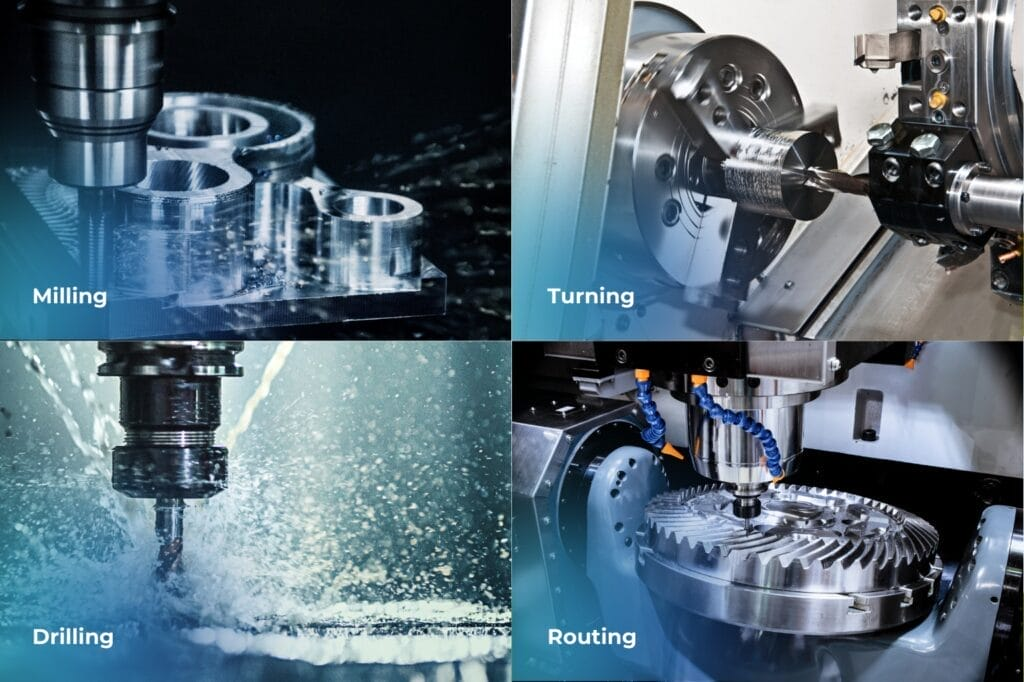
Fabric Phenolic Suitable CNC Operations
- Milling
Milling is the most common operation performed on fabric phenolic sheets. Slotting, pocketing, and contouring can be done with standard carbide end mills. Parts such as wear plates and structural spacers are often milled to final dimensions directly from sheet stock.
- Drilling
Drilling produces clean holes when sharp tools are used. Fabric phenolic resists breakouts better than paper phenolic, especially when backing material is used. This makes it suitable for electrical panels and mechanical brackets that require multiple fastener holes.
- Routing
CNC routing is frequently used for thinner sheets and flat profiles. Fabric phenolic maintains edge integrity during routing, which is important for gasket-like components and insulating panels with complex outlines.
- Turning
Turning operations are possible when fabric phenolic is supplied as rods or tubes. Bushings, rollers, and spacers are commonly produced on CNC lathes, with stable results when cutting depths are controlled.
Tool Wear Characteristics
Compared to glass-reinforced laminates, fabric phenolic is relatively easy on cutting tools. Carbide tools maintain their edges longer, while high-speed steel tools can also be used for lighter production or prototyping.
Tool wear tends to appear gradually rather than suddenly. A slight increase in cutting force or surface discoloration is often the first sign that a tool is losing sharpness.
Surface Finish Quality
Surface finish on fabric phenolic is generally acceptable for functional parts, though it rarely matches the smoothness of machined plastics like acetal. Fine weave grades produce smoother finishes, while coarser grades may show visible fabric patterns after machining.
For example, a CNC-machined phenolic gear may show a textured surface but still perform reliably in service. Cosmetic appearance is usually secondary to function in these applications.
Chip Formation and Dust Considerations
Fabric phenolic produces small chips and fine dust during machining. Unlike metal chips, these particles are lightweight and can become airborne.
Effective dust extraction is recommended, particularly during high-speed milling or routing. In shops machining phenolic regularly, vacuum systems and enclosure guards are commonly used to maintain cleanliness and protect operators.
Tolerance Holding Capability
Fabric phenolic can hold moderate tolerances when machining conditions are stable. It is well-suited for parts requiring consistent thickness, hole positioning, and flatness.
However, it is not ideal for extremely tight tolerance applications where micron-level accuracy is required. In such cases, secondary finishing or alternative materials may be more appropriate. For most mechanical and electrical components, fabric phenolic provides sufficient dimensional control for reliable assembly and long-term performance.
Best Practices for CNC Machining Fabric Phenolic Sheets
Consistent results when machining fabric phenolic depend less on advanced equipment and more on disciplined setup and process control. Although the material is forgiving, following proven best practices helps improve surface quality, extend tool life, and reduce rework. These guidelines are based on common shop experience with laminated composites.
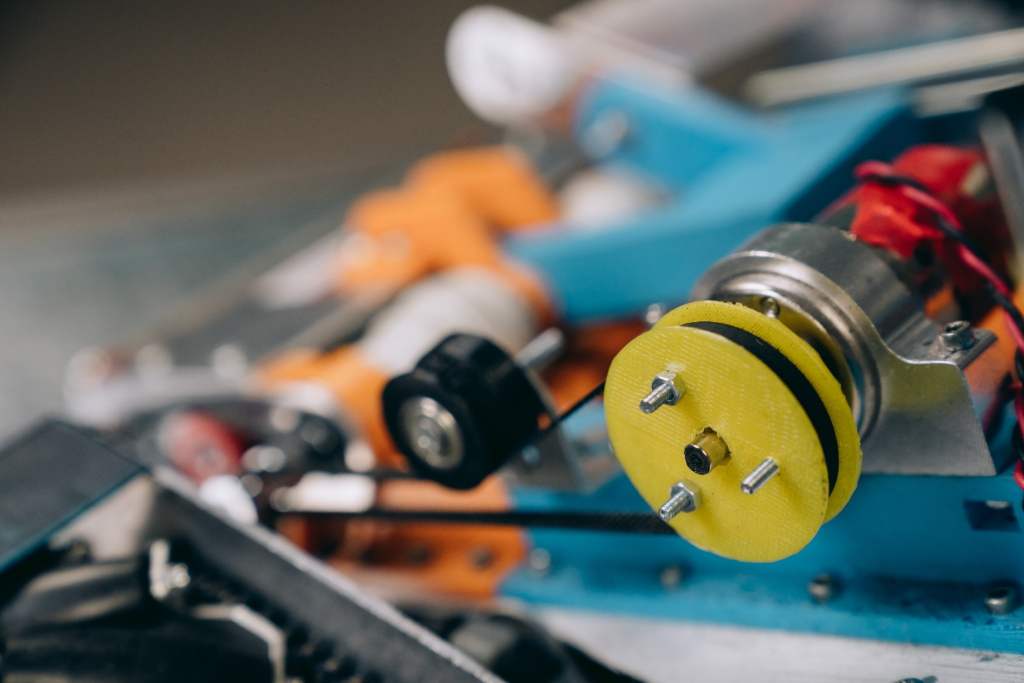
Recommended Cutting Tools
Tool selection has a direct impact on cut quality and heat generation.
- Carbide vs HSS
Carbide tools are preferred for most CNC operations due to their edge retention and stability at higher speeds. They are especially effective for milling and routing thicker phenolic sheets. High-speed steel tools can still be used for drilling or low-volume work, but they dull faster and require closer monitoring.
- Tool geometry tips
Sharp cutting edges are critical. Tools with positive rake angles and polished flutes tend to cut more cleanly and reduce heat buildup. Straight flute or compression style cutters are often used in routing applications to control edge chipping.
Cutting Parameters
Fabric phenolic responds best to controlled cutting conditions rather than aggressive material removal.
- Spindle speed
Moderate to high spindle speeds work well, provided the tool remains sharp. Excessively low speeds can cause tearing, while very high speeds increase the risk of surface burning.
- Feed rate
A steady feed rate helps prevent rubbing. Too slow a feed often leads to discoloration and poor surface finish. Many shops find success by starting with conservative feeds and increasing gradually until chips form cleanly.
- Depth of cut
Shallow to moderate depths of cut are recommended, particularly during finishing passes. Heavy cuts increase heat and may promote delamination in thicker laminates.
Cooling and Lubrication
Unlike metals, fabric phenolic is typically machined dry.
- Dry machining vs air blast
Dry cutting is standard practice, as liquid coolants can be absorbed by the cotton fabric and affect dimensional stability. An air blast is often used to clear chips and reduce heat at the cutting zone. This approach is common when machining precision parts such as electrical insulators or bearing components.
Dust Control and Safety Precautions
Machining phenolic generates fine dust that should not be ignored. Dust extraction systems help maintain a clean workspace and reduce airborne particles.
Operators usually wear appropriate respiratory protection when machining large volumes. Enclosed CNC machines with vacuum extraction provide the best control, especially during high-speed routing.
Common Machining Issues and How to Avoid Them
Most problems encountered when machining fabric phenolic are process-related rather than material defects.
- Chipping
Chipping at edges often results from dull tools or excessive feed rates. Using sharp cutters and supporting the workpiece properly helps maintain edge integrity.
- Burning
Surface burning is a sign of excessive heat. This can be corrected by increasing the feed rate, reducing the spindle speed, or replacing worn tools.
- Delamination
Delamination is rare with quality material, but it may occur if cuts are too aggressive or if the laminate is poorly supported. Reducing the depth of cut and ensuring rigid fixturing usually resolves the issue.
By applying these best practices, CNC shops can machine fabric phenolic cotton sheets efficiently while maintaining part quality and process reliability.
Applications and When to Choose Fabric Phenolic
Fabric phenolic cotton sheets are selected not because they are the strongest or most advanced material available, but because they offer a reliable balance of strength, wear resistance, machinability, and cost. In CNC machining, this balance often matters more than peak performance on a single property.

Fabric phenolic cotton sheets Applications
Typical CNC-Machined Applications
Fabric phenolic is commonly used for parts that experience mechanical contact, moderate loads, or repeated motion.
- Gears
Phenolic gears are widely used in packaging machines, conveyors, and light-duty power transmission systems. They run quietly, resist wear, and do not require lubrication in many applications. CNC machining allows accurate tooth profiles while maintaining material integrity.
- Bushings and bearings
Bushings made from fabric phenolic perform well in dry running or lightly lubricated conditions. They are often used in equipment where metal-to-metal contact would cause excessive wear or noise.
- Wear plates and guides
In sliding or guiding applications, fabric phenolic provides consistent wear behavior and protects mating metal components. CNC-machined wear strips are common in material handling and processing equipment.
- Electrical components
Terminal boards, insulating spacers, and mounting plates benefit from the combination of electrical insulation and mechanical strength. CNC machining allows precise hole patterns and complex outlines required for assemblies.
Advantages of Fabric Phenolic in CNC-Machined Parts
- Good machinability compared to glass-reinforced laminates
- Lower tool wear than G10 or FR4 during milling and drilling
- High impact resistance due to cotton fabric reinforcement
- Stable performance in sliding and wear applications
- Suitable for dry-running components such as gears and bushings
- Reliable electrical insulation combined with mechanical strength
- Reduced noise and vibration in moving assemblies
- Cost-effective alternative to metals for moderate load applications
- Available in multiple grades to suit precision or wear-focused parts
Limitations of Fabric Phenolic
- Lower strength and stiffness compared to glass epoxy laminates
- Not suitable for high-temperature continuous service
- Limited resistance to strong chemicals and solvents
- Can absorb moisture in high-humidity environments
- Not ideal for very tight tolerance or high precision assemblies
- Surface finish is functional rather than cosmetic
- Generates fine dust during machining that requires proper extraction
Conclusion
Fabric phenolic cotton sheets remain a practical and CNC-friendly material for a wide range of industrial applications. Their combination of toughness, wear resistance, electrical insulation, and stable machining behavior makes them well-suited for gears, bushings, wear components, and structural parts.
For CNC machinists and engineers, the value of fabric phenolic lies in its balance. It offers reliable performance without the machining challenges of abrasive composites or the cost of metals. When selected and machined correctly, fabric phenolic provides an efficient solution that balances performance, machinability, and long-term service life.