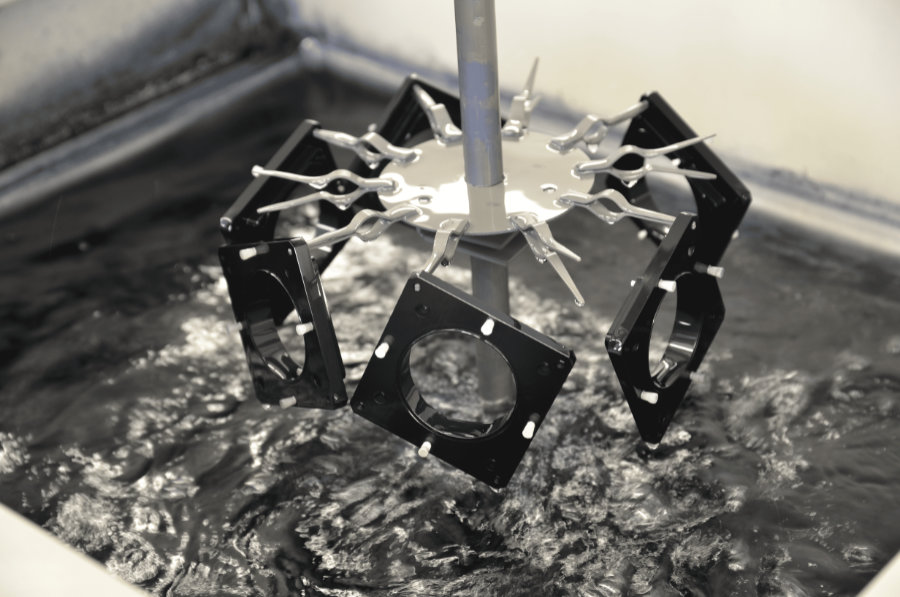

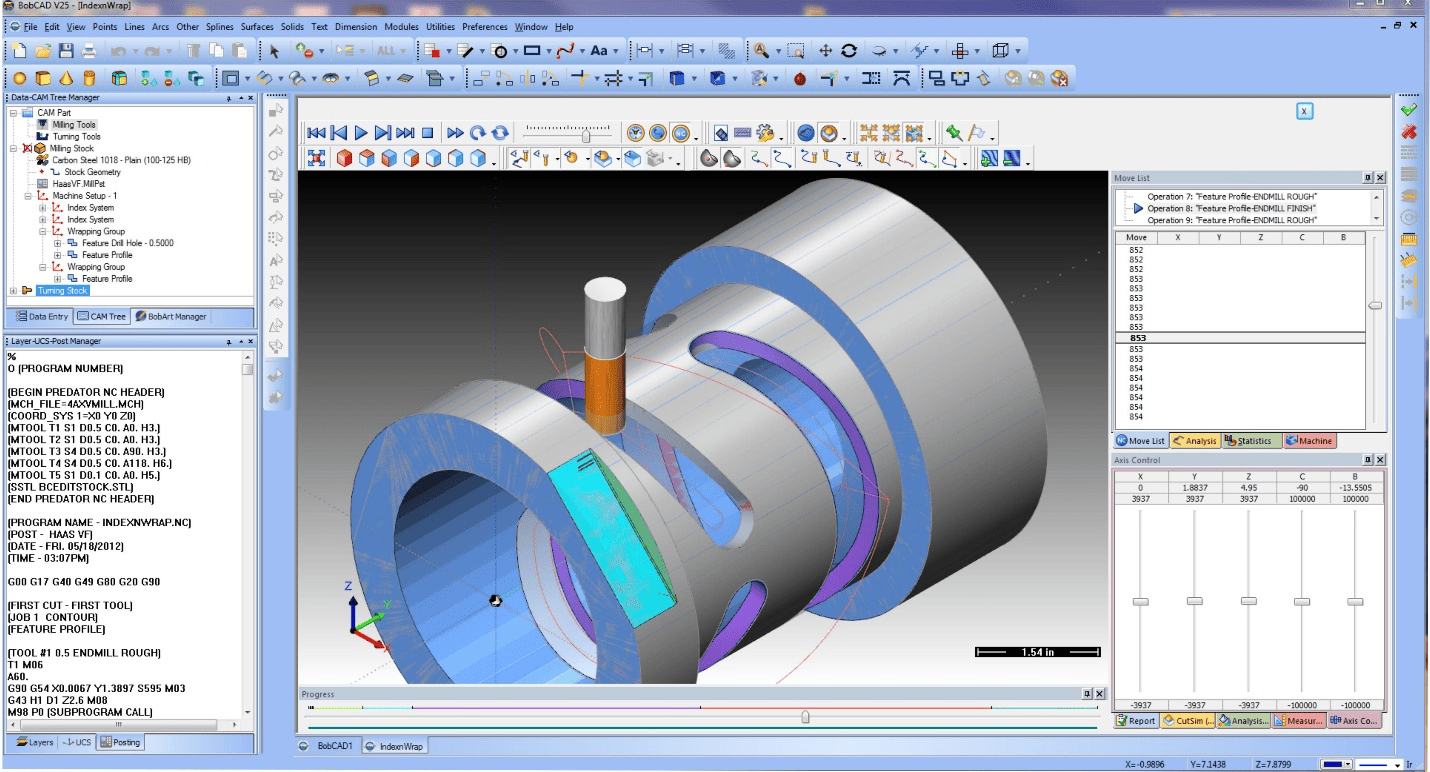
CNC machining is a widely used manufacturing process that shapes materials by removing excess material from a workpiece. During this process, waste is commonly generated in the form of metal chips, scrap pieces, and leftover stock material. These byproducts occur as cutting tools remove layers of material to achieve the desired shape, size, and surface finish of a component.
Minimizing waste in CNC machining is important for both economic and environmental reasons. Reducing unnecessary material removal helps manufacturers lower production costs, improve operational efficiency, and use raw materials more responsibly. For example, when aluminum blocks are machined to produce aerospace brackets, large volumes of metal chips are removed. Without careful planning and efficient machining strategies, a considerable portion of valuable material may be lost during the process.
Design Optimization in CNC Machining
Design decisions made before production begins have a direct impact on the amount of material that will be removed during machining. When parts are designed without considering machining efficiency, the process often requires excessive cutting, additional setups, and unnecessary material removal. Careful design planning helps manufacturers reduce waste while maintaining the required strength and functionality of the component.
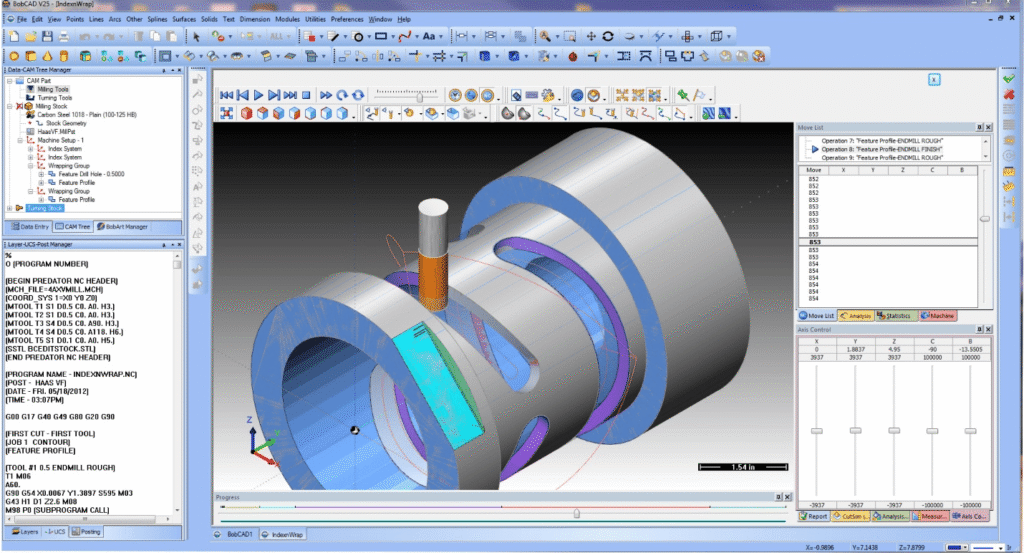
CAD simulation of a CNC machining design
Modern engineering teams rely on digital design tools and manufacturing principles to ensure that parts are optimized before they reach the machine shop. Several design approaches help reduce material waste while improving machining efficiency.
CAD and CAM Simulation
Computer-aided design and computer-aided manufacturing software allow engineers to test machining processes before production starts. These simulations show how cutting tools interact with the material and reveal areas where excessive material removal may occur.
Running a simulation often highlights opportunities to simplify the design or adjust machining strategies. As a result, manufacturers can avoid unnecessary cutting and reduce material loss.
For instance, when designing an aerospace bracket, an engineer may notice through simulation that certain areas contain more material than required. By slightly reducing the thickness of those sections, the final component remains structurally sound while requiring less raw material during production. Over large production runs, even small adjustments like this can lead to substantial material savings.
Design for Manufacturability (DFM)
Design for Manufacturability focuses on creating components that are easy and efficient to machine. When a design contains complex shapes, deep cavities, or difficult angles, the machining process often becomes slower and generates more waste.
Applying DFM principles helps designers simplify part geometry and reduce the amount of material that must be removed.
Some practical design considerations include:
- Simplifying internal features
Complex internal cavities often require specialized tools and multiple machining passes. By simplifying these features or adjusting their dimensions, engineers can reduce the amount of cutting required.
- Avoiding extremely thin walls
Thin sections can lead to machining errors or tool vibration, which may result in damaged parts. Maintaining reasonable wall thickness improves machining stability and reduces scrap rates.
- Using standard hole sizes and radii
Standard tool sizes allow manufacturers to machine features efficiently without requiring custom tooling. This helps reduce machining time and unnecessary material removal.
A good example can be seen in industrial pump housings. Instead of designing intricate internal cavities that require extensive machining, engineers often simplify the internal structure while preserving fluid flow performance. This adjustment reduces both machining complexity and material waste.
Optimizing Part Orientation
The orientation of a workpiece during machining also affects how efficiently material is removed. Proper positioning allows multiple features to be machined in a single setup, which reduces both machining time and the risk of errors.
Reorienting a part during the design stage can significantly improve machining efficiency. When features are aligned with the machine's cutting direction, tools can remove material more effectively and with fewer passes.
Consider a mechanical component that contains holes, pockets, and surface features on multiple sides. If the part is poorly oriented, the machinist may need several separate setups to complete the job. Each additional setup increases machining time and may lead to unnecessary cutting.
By rotating the design during the planning stage, engineers can sometimes align several features on the same machining plane. This allows the part to be completed with fewer operations, which reduces both production time and material waste.
Efficient Material Selection and Stock Management
Material planning plays an important role in reducing waste during CNC machining. The size, type, and quantity of raw material used at the beginning of production determine how much excess material must be removed later. When material is poorly selected or inaccurately estimated, machining operations often produce larger volumes of scrap.
Manufacturers, therefore, focus on selecting suitable materials and managing stock carefully before machining begins. Proper planning allows them to reduce unnecessary material removal while maintaining production efficiency.
Choosing the Right Raw Material
Selecting the appropriate raw material is one of the simplest ways to reduce machining waste. When the initial stock size closely matches the final part dimensions, less cutting is required, and fewer chips are produced during machining.
Engineers often review several factors before selecting the material:
- Material dimensions that closely match the finished part
Using stock material that is much larger than necessary increases the amount of cutting required. When the stock size is closer to the final component size, the machining process becomes more efficient. For example, selecting an aluminum bar with dimensions similar to the final bracket can significantly reduce the volume of chips produced.
- Material grades suited to the application
Different materials behave differently during machining. Some alloys generate excessive chips or require multiple cutting passes. Choosing a material that machines cleanly can reduce waste while improving tool life.
- Standard material forms
Standard bars, sheets, or billets are widely available and often sized to suit common machining operations. Using these standard forms helps reduce material trimming and unnecessary removal during production.
In the aerospace industry, for instance, manufacturers often select aluminum billets that closely match the shape of the final component. This approach reduces the amount of raw material that must be removed during machining.
Inventory and Stock Control
Effective inventory management also helps prevent material waste. Poor stock planning can result in overordering raw materials, which may eventually become obsolete or unused.
Manufacturers rely on digital systems to monitor material usage and maintain accurate inventory records. These systems allow production teams to plan purchases based on actual demand rather than rough estimates.
Several practical methods help improve stock management:
- Digital inventory tracking
Many facilities use inventory management software to track incoming materials, stock levels, and usage patterns. This information helps purchasing teams order only what is required for upcoming production cycles.
- Material forecasting based on production schedules
By aligning raw material orders with confirmed production plans, manufacturers reduce the risk of excess stock remaining unused.
- Clear labeling and storage systems
Proper storage and identification of materials prevent confusion between different material grades or sizes. This reduces the chances of incorrect material being cut or discarded.
For example, a machining facility that produces medical device components may track titanium bar usage through a digital inventory system. By analyzing past production data, the facility can determine exactly how much material is needed for each batch. This prevents unnecessary stock accumulation and reduces the amount of unused material that might otherwise become scrap.
Nesting and Part Consolidation
Another effective way to reduce waste in CNC machining is through better part planning. When multiple components are produced from the same material sheet or block, the arrangement of those parts plays a major role in how efficiently the material is used. Careful planning allows manufacturers to maximize the usable area of raw materials and reduce leftover sections that cannot be reused.
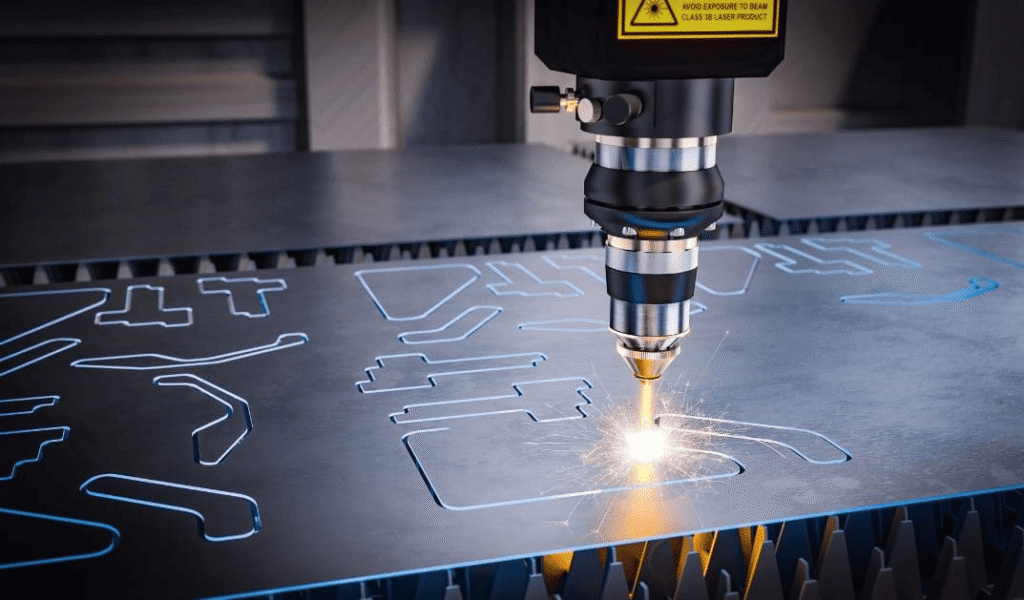
nested CNC parts on a metal sheet
Two strategies are widely used to improve material utilization during production. These approaches focus on arranging parts efficiently and simplifying the number of components required in an assembly.
Nesting Optimization
Nesting refers to the process of arranging multiple parts within a single sheet, plate, or block of material so that the unused space is minimized. Modern CNC facilities often rely on specialized software to perform this task because manual planning rarely achieves the same level of efficiency.
Nesting software evaluates the geometry of each component and determines how they can be placed together with minimal gaps between them. The result is a layout that uses as much of the available material as possible.
Several practical advantages come from proper nesting:
- Maximizing usable material area
Parts are arranged closely together so that large empty spaces are avoided. This ensures that more components can be produced from the same sheet of metal.
- Reducing leftover scrap pieces
When parts are arranged randomly, irregular pieces of unused material often remain. Nesting software reduces these leftover sections, which lowers overall material waste.
- Improving cutting efficiency
A well-organized layout allows cutting tools to follow shorter paths between parts. This improves machining efficiency while also reducing production time.
A common example can be seen in sheet metal machining. When producing multiple small brackets from an aluminum sheet, nesting software arranges each bracket in a way that leaves very little unused space between them. As a result, manufacturers can produce more parts from a single sheet while generating less scrap.
Combining Multiple Components
Part consolidation is another method that helps reduce both material waste and production complexity. Instead of machining several separate components and assembling them later, engineers sometimes redesign the product so that multiple functions are integrated into a single part.
This approach reduces the number of individual pieces that must be machined. Fewer parts also mean fewer setups, less machining time, and less material removed overall.
Several benefits can be achieved through part consolidation:
- Lower material consumption
When separate components are combined into one piece, the amount of raw material required for each individual part decreases.
- Reduced machining operations
Fewer components mean fewer machining cycles and fewer cutting passes, which helps limit the amount of material removed.
- Simplified assembly processes
Reducing the number of parts also decreases assembly time and lowers the risk of alignment or fastening issues.
In the automotive industry, this concept is frequently used when designing structural housings. A component that originally consisted of three machined pieces may be redesigned as a single integrated housing. This change eliminates additional machining steps and reduces the amount of scrap material produced during manufacturing.
Strategic Machining Techniques
Machining strategies influence how efficiently material is removed during CNC operations. Even when a design and material are well planned, inefficient cutting methods can still generate unnecessary waste. Selecting the right machining techniques allows manufacturers to remove material in a controlled and efficient manner while maintaining part quality.
Modern CNC systems provide several advanced cutting strategies that help improve material utilization. These methods focus on maintaining stable cutting conditions, reducing excessive passes, and minimizing machining errors.
High Speed Machining
High-speed machining improves efficiency by allowing cutting tools to remove material quickly while maintaining accuracy. By increasing spindle speeds and optimizing feed rates, the cutting process becomes smoother and more controlled.
This approach helps reduce waste in several ways:
- More efficient material removal
Faster cutting speeds allow tools to remove material in fewer passes. This reduces unnecessary cutting time and prevents excessive material removal.
- Improved surface finish
Smooth cutting reduces the need for additional finishing operations, which often remove more material than necessary.
- Reduced tool pressure on the workpiece
Controlled cutting conditions prevent distortion in softer materials, which lowers the risk of producing defective parts.
In automotive manufacturing, high-speed milling is commonly used when producing aluminum engine components. The technique removes large volumes of material quickly while maintaining precise dimensions.
Adaptive Toolpaths
Adaptive toolpaths allow CNC machines to adjust cutting paths based on the shape and complexity of a part. Instead of following rigid movements, the tool continuously adapts its motion to maintain consistent cutting conditions.
This method improves machining efficiency because the cutting tool remains engaged with the material in a controlled manner.
Key advantages of adaptive toolpaths include:
- Consistent tool engagement
The cutting tool maintains steady contact with the material, which prevents sudden tool loads and reduces unnecessary cutting.
- Improved chip evacuation
Chips are removed more effectively, which prevents them from interfering with the cutting process.
- Lower risk of excessive material removal
Controlled tool movement ensures that only the required amount of material is removed.
For example, when machining curved surfaces on aerospace components, adaptive toolpaths allow the cutting tool to follow complex geometries while maintaining steady cutting conditions. This approach improves precision and reduces waste caused by inaccurate machining.
Precision Machining
Precision machining focuses on achieving accurate dimensions and tight tolerances during the first machining cycle. When parts are produced accurately from the start, manufacturers avoid additional machining passes and reduce the likelihood of scrapping defective components.
Precision machining relies on several important practices:
- Accurate machine calibration
Well calibrated CNC machines maintain consistent cutting accuracy throughout the production cycle.
- Stable cutting parameters
Correct feed rates and spindle speeds ensure smooth cutting and prevent dimensional errors.
- Careful inspection during production
Periodic measurements allow operators to detect small deviations before they result in defective parts.
Precision is particularly important in industries that require strict quality standards. Medical device manufacturing provides a clear example. Components such as surgical instruments must meet precise tolerances. When machining is accurate from the beginning, fewer parts are rejected, and material waste is significantly reduced.
Tool Management and Maintenance
The condition of cutting tools directly affects the quality of machined parts and the amount of material waste generated. Worn or poorly maintained tools can produce rough surfaces, dimensional errors, and even damaged components. Regular monitoring and maintenance of tools ensures that machining remains efficient and reduces unnecessary scrap.
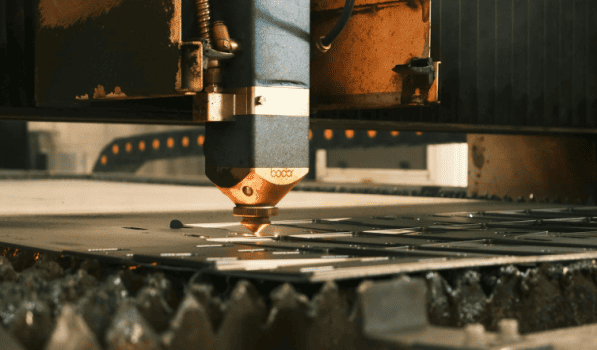
Implementing structured tool management practices helps manufacturers maintain consistent cutting performance and extend tool life, which in turn minimizes material waste.
Tool Life Monitoring
Monitoring tool wear allows manufacturers to replace or resharpen tools before they start producing defective parts. CNC systems can track tool usage and performance, providing real-time data on cutting efficiency.
Practical ways to monitor tool life include:
- Recording cutting hours or cycles
Tracking the number of hours a tool has been in operation helps determine when it is approaching the end of its effective life.
- Visual inspections
Regularly checking for chipping, dull edges, or surface damage allows operators to catch tool wear early.
- Using sensor-based monitoring
Advanced CNC machines can detect changes in cutting forces or vibrations, which may indicate tool degradation.
For example, in precision machining of aerospace components, a worn cutting tool may produce burrs or uneven surfaces. By monitoring tool life, operators can replace the tool before defects occur, reducing wasted material and rework.
Regular Maintenance and Calibration
Consistent maintenance and calibration of CNC machines and tools are essential for keeping machining operations accurate. Even minor misalignments or buildup of debris can lead to dimensional errors, excessive material removal, or part rejection.
Key maintenance practices include:
- Cleaning and lubrication
Removing chips and applying lubrication reduces friction and prevents tool overheating, which improves cutting performance.
- Machine calibration
Ensuring that machine axes, spindles, and fixtures are correctly aligned maintains precision and prevents unnecessary material removal.
- Scheduled inspections
Routine checks of tool holders, collets, and cutting inserts help detect wear or misalignment before it affects production quality.
For instance, a CNC facility producing high-precision medical devices may inspect cutting tools after a fixed number of machining cycles. This ensures consistent accuracy, reduces part defects, and limits material scrap.
Waste Recycling and Responsible Disposal
Even with careful planning and efficient machining, some waste is unavoidable. Proper recycling and disposal methods help reduce the environmental impact of CNC operations and make use of leftover materials wherever possible. Implementing responsible practices ensures that scrap and used fluids are managed efficiently, turning potential waste into a valuable resource.
Recycling strategies not only support sustainability but also lower operational costs by reintroducing materials into the production cycle.
Scrap Metal Recycling
Metal chips and offcuts from CNC machining can be collected and reused in new manufacturing processes. By separating metals based on type and purity, manufacturers can recycle a significant portion of waste material.
Key practices for metal recycling include:
- Collecting chips directly at the machining site
Using dedicated bins or conveyors ensures that metal shavings are gathered before mixing with other waste, maintaining material quality.
- Segregating metals by type
Aluminum, steel, and titanium should be kept separate to maintain consistency during melting or reprocessing.
- Melting and reusing scrap
Recycled metal chips can be melted and formed into new billets or bars, reducing the need for fresh raw material.
For example, aerospace manufacturers often recycle aluminum chips from bracket production. These chips are cleaned, melted, and remade into new billets, allowing the material to re-enter the supply chain and reducing overall costs.
Coolant and Lubricant Recycling
Machining fluids such as coolants and lubricants are essential for cutting efficiency and tool life, but they can become contaminated with metal particles and debris. Recycling these fluids prevents unnecessary disposal and conserves resources.
Effective recycling strategies include:
- Filtration systems
Removing metal particles and contaminants allows the coolant or lubricant to be reused in subsequent machining cycles.
- Monitoring fluid quality
Regularly checking pH, concentration, and contamination levels ensures fluids remain effective and reduces the risk of part defects.
- Safe disposal of unusable fluids
Fluids that cannot be reused should be disposed of according to environmental regulations to prevent pollution.
In precision CNC shops, filtration units separate metal particles from used coolant. This allows the same coolant to be reused multiple times, reducing chemical waste and operating costs while maintaining cutting performance.
Recycling both metal and machining fluids not only supports environmental responsibility but also contributes to more cost-effective manufacturing over time.
Conclusion
Minimizing waste in CNC machining requires careful planning, efficient processes, and responsible practices at every stage of production. From optimizing part design and material selection to using advanced machining strategies and maintaining tools, each step contributes to reducing excess material removal and improving overall efficiency. Techniques such as nesting, part consolidation, and adaptive toolpaths help maximize material usage while maintaining precision and quality.
Even with these measures, some waste is inevitable. Recycling scrap metal and machining fluids ensures that leftover materials are reused whenever possible, supporting sustainability and lowering production costs. By combining thoughtful design, precise machining, and responsible disposal practices, manufacturers can reduce waste, save resources, and create more environmentally friendly and cost-effective operations.