
What Machining Strategies Optimize Production of Lightweight Sailboat Cleats and Blocks?
Optimizing lightweight marine hardware production requires specialized materials, advanced multi-axis machining techniques, and rigorous quality control.

Optimizing lightweight marine hardware production requires specialized materials, advanced multi-axis machining techniques, and rigorous quality control.
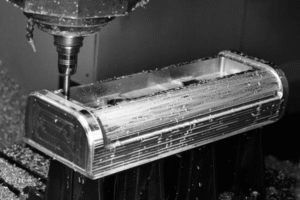
In a nutshell, components created by CNC machining provide the exacting strength and peace of mind that are critical in marine applications. They are far more enduring and precise than any cast or welded parts.
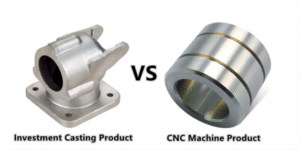
The precision, dimensional accuracy, and material integrity provided by CNC machining ensure that rudder stocks can withstand the intense stress loads and harsh conditions of competitive sailing.
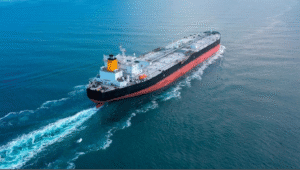
The introduction of CNC machining has transformed the marine sector by offering micron-level precision, repeatable tolerances, and durable edge finishes able to withstand saltwater corrosion, biofouling, and extreme pressure.
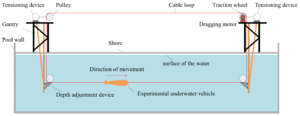
Achieving precision tolerances in sailboat winch manufacturing demands specialized knowledge in material selection, vibration control, quality verification, marine-specific adaptations, and advanced finishing techniques.
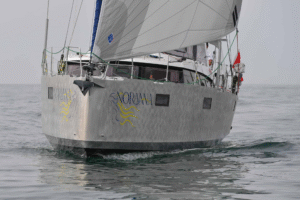
Compared to stainless steel, titanium, or composite alternatives, anodized aluminum consistently delivers the best performance-to-cost ratio, especially when weight, customization, and visual appeal matter.
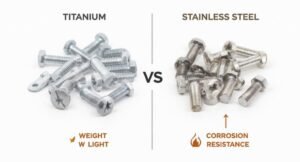
While 316L stainless steel remains a cost-effective option for many applications, titanium’s exceptional longevity, minimal maintenance, and superior safety margin make it the clear choice for critical sailing hardware despite higher initial costs. Your specific sailing needs should guide this important material decision.

Alright! So, CNC technology ensures that marine vessels are modern, safe, resilient, and operating at peak performance. Well, for engineers, boat builders, and fleet managers, the durability and performance that comes with CNC-grade rigging, is really worth investing.
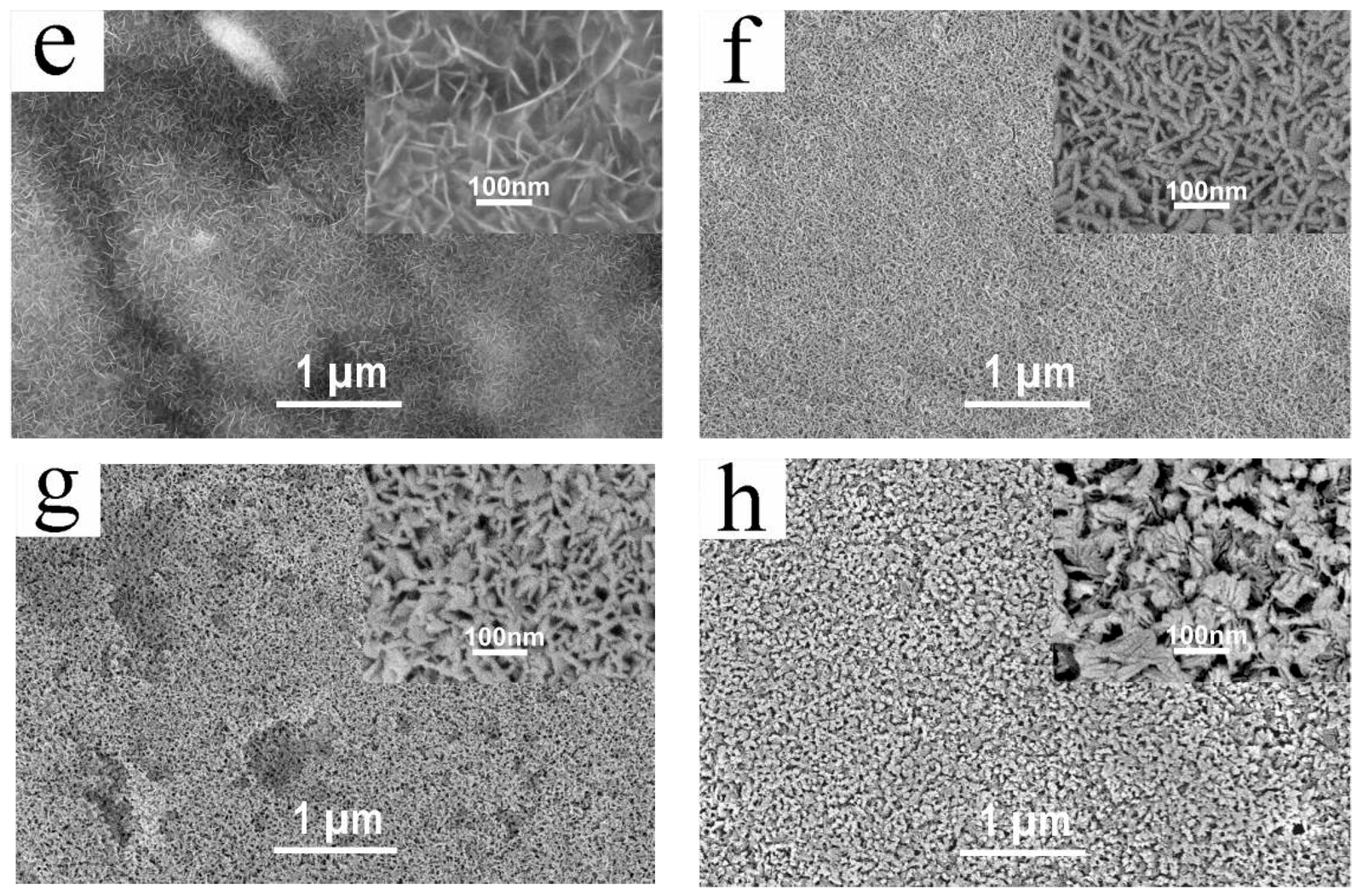
The optimal marine aluminum alloy choice depends on specific exposure conditions and performance requirements. 5000-series alloys excel underwater, while 6061-T6 offers better machinability for above-waterline components. Proper surface treatments are essential for maximizing component lifespan in harsh saltwater environments.
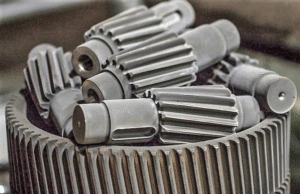
Nitriding is an effective technique for improving the strength and durability of various metal components. It enhances surface hardness, minimizes wear, and retains the original shape of the component.
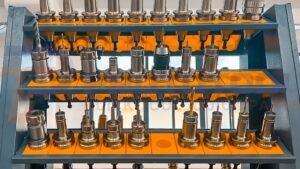
Custom CNC lathe tooling represents a strategic investment that can transform your manufacturing capabilities, not just a production expense.
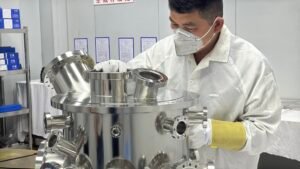
Welding quality concerns keeping you up at night? Visual inspection serves as your first defense against costly defects, catching problems before they become catastrophic failures.