
Metal selection can make or break your manufacturing project. Wrong alloy choice leads to poor performance, premature failure, and wasted resources. I've seen countless projects derailed by this simple mistake.
CNC machinable alloys fall into four main categories: aluminum, steel, titanium, and copper alloys. Each offers distinct advantages based on its unique properties - aluminum for lightweight applications, steel for strength and durability, titanium for strength-to-weight ratio, and copper alloys for thermal conductivity.
After 15 years in precision manufacturing, I've learned that successful projects start with proper material selection. Let's explore the most common alloy families and how their specific properties match different applications, helping you make informed decisions for your next project.
Which Aluminum Alloys Provide the Best Machinability for Precision Parts?
Many engineers choose aluminum based solely on weight, overlooking crucial machinability factors. This oversight can result in excessive tool wear, poor surface finishes, and dimensional inaccuracies that compromise part performance.
The best aluminum alloys for precision CNC machining are 6061-T6, 7075-T6, and 2024-T3. 6061-T6 offers excellent machinability with good strength and corrosion resistance. 7075-T6 provides superior strength but is slightly more challenging to machine. 2024-T3 balances high strength with good machinability for aerospace applications.
When selecting aluminum alloys for precision parts, several factors must be considered beyond simple machinability ratings. In our factory, we frequently work with these three primary aluminum grades that dominate precision manufacturing:
6061-T6 is our workhorse aluminum alloy, accounting for approximately 70% of our aluminum machining projects. Its balanced properties make it ideal for general-purpose applications. The T6 temper designation indicates it has been solution heat-treated and artificially aged, giving it excellent mechanical properties while maintaining good machinability. The silicon and magnesium content create a material that cuts cleanly with minimal built-up edge on cutting tools. We typically run this material at higher speeds (up to 1000 SFM) with moderate feeds, achieving surface finishes as fine as 32 RMS without additional finishing operations.
7075-T6 serves our high-strength applications, particularly in aerospace and high-performance automotive parts. Its zinc content (5.1-6.1%) significantly increases strength but creates challenges during machining. We've found that sharp, properly coated cutting tools and adequate cooling are essential when working with this alloy. Despite being more difficult to machine than 6061, its superior mechanical properties (tensile strength up to 83,000 psi compared to 6061's 45,000 psi) make it irreplaceable for load-bearing components.
2024-T3 fills the middle ground in our aluminum machining operations. Its copper content provides excellent fatigue resistance while maintaining good machinability. We've successfully used this alloy for complex aerospace components where fatigue life is critical. When machining 2024, we pay special attention to chip evacuation, as the material tends to produce long, stringy chips that can interfere with cutting operations if not properly managed.
| Alloy | Tensile Strength (ksi) | Machinability Rating | Best Applications |
|---|---|---|---|
| 6061-T6 | 45 | 90% | General purpose, structural |
| 7075-T6 | 83 | 70% | Aerospace, high-load components |
| 2024-T3 | 65 | 80% | Aircraft structures, gears |
How Do Different Steel Grades Compare for CNC Manufacturing Processes?
Steel selection mistakes can lead to broken tools, damaged machinery, and production delays. I've seen companies waste thousands on scrapped parts because they underestimated the machinability differences between steel grades.
Different steel grades vary significantly in CNC manufacturability. Low-carbon steels (1018, 1045) offer excellent machinability and lower tool wear. Alloy steels (4140, 4340) provide better mechanical properties but require slower cutting speeds. Stainless steels (303, 304, 316) offer corrosion resistance but vary greatly in machinability, with 303 being the easiest to machine.
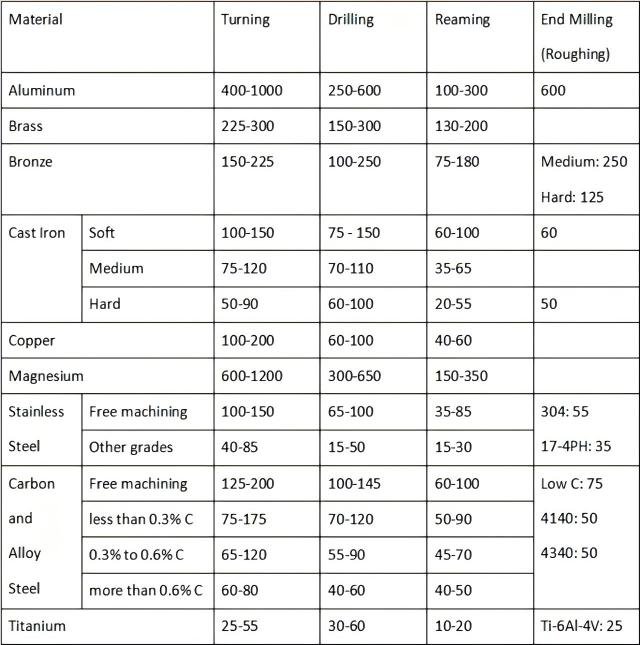
Steel remains the most widely used material in manufacturing for good reason—its versatility spans virtually every industry. However, this versatility comes with significant complexity when considering CNC machinability. In our machine shop, we categorize steels into three main families to simplify the selection process.
Low-carbon steels, particularly 1018 and 1045, form the foundation of many general-purpose applications. The 1018 grade contains 0.18% carbon, making it relatively soft and extremely machinable—we can achieve high material removal rates with minimal tool wear. Our operators prefer this material for high-volume production runs where tooling costs are a major consideration. The 1045 grade (0.45% carbon) offers better hardness after heat treatment while still maintaining good machinability. We've found that maintaining sharp cutting tools and appropriate cutting fluid concentration (typically 8-10% for soluble oils) significantly extends tool life when machining these materials.
Alloy steels like 4140 and 4340 present more significant machining challenges but deliver superior mechanical properties. The addition of chromium, molybdenum, and nickel improves hardenability and strength but reduces machinability by approximately 20-30% compared to low carbon steels. When machining 4140 in our facility, we reduce cutting speeds by about 25% compared to 1045 steel and pay particular attention to built-up edge formation on cutting tools. For critical aerospace and automotive components, we often use 4340 for its excellent combination of strength and toughness, despite its higher machining cost. We've developed specific cutting parameters for these materials, including lower speeds, rigid toolholding, and high-pressure coolant to manage the heat generated during cutting.
Stainless steels present the greatest machining challenge due to their work-hardening characteristics and lower thermal conductivity. We primarily work with austenitic (303, 304, 316) and martensitic (410, 420) grades. The 303 grade, with added sulfur, machines almost like a free-cutting steel, and is our preferred choice when corrosion resistance requirements allow. For marine applications, we typically recommend 316 stainless steel despite its poorer machinability, as its molybdenum content provides superior corrosion resistance in saltwater environments. When machining 316, we use special geometries with positive rake angles and maintain constant feeds to prevent work hardening.
| Steel Type | Machinability Rating | Cutting Speed Relative to 1212 Steel | Typical Applications |
|---|---|---|---|
| 1018 (Low Carbon) | 78% | 70% | General structural, shafts |
| 4140 (Alloy) | 65% | 55% | Gears, axles, machine parts |
| 316 (Stainless) | 45% | 40% | Marine, chemical processing |
What Properties Make Titanium Alloys Ideal for Specialized Applications?
Titanium's reputation as "impossible to machine" keeps many manufacturers from using this exceptional material. This fear means missed opportunities for creating lighter, stronger, and more corrosion-resistant components that outperform traditional materials.
Titanium alloys combine exceptional strength-to-weight ratio, biocompatibility, and corrosion resistance, making them ideal for aerospace, medical implants, and marine applications. Ti-6Al-4V (Grade 5) accounts for 50% of all titanium usage, offering excellent mechanical properties. CP titanium grades provide superior corrosion resistance, while beta titanium alloys deliver the highest strength for specialized applications.
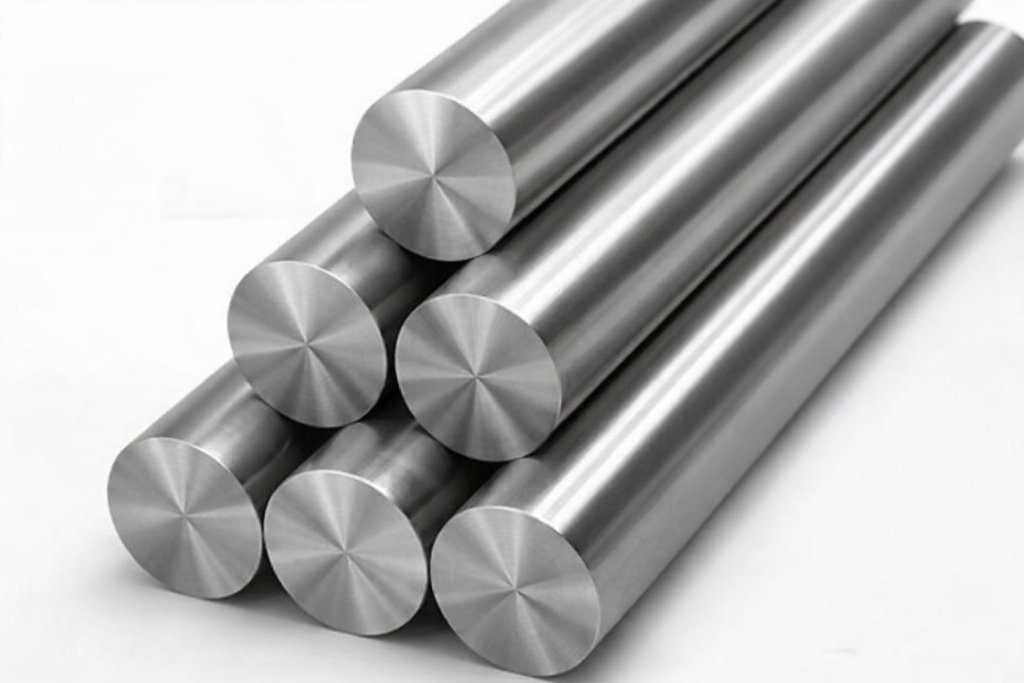
Titanium's remarkable properties have established it as the material of choice for the most demanding applications, despite its reputation for machining difficulty. In our precision manufacturing operations, we work with three main titanium alloy categories, each with distinct characteristics and machining considerations.
The workhorse Ti-6Al-4V (Grade 5) dominates our titanium machining work, particularly for aerospace and high-performance automotive components. This alpha-beta alloy achieves its exceptional balance of properties through the addition of 6% aluminum and 4% vanadium, resulting in a material half the weight of steel but with comparable strength. The machining challenges with Ti-6Al-4V stem from its low thermal conductivity (about 1/7 that of aluminum) and high chemical reactivity with cutting tools. We've developed specialized machining protocols involving lower cutting speeds (typically 100-150 SFM), rigid setups with minimal tool overhang, and high-pressure coolant directed precisely at the cutting edge. Even with these precautions, we plan for tool changes approximately 5 times more frequently than when machining steel.
Commercially pure (CP) titanium grades (Grades 1-4) serve applications where maximum corrosion resistance is paramount. We frequently machine these materials for chemical processing equipment, marine components, and certain medical implants. The primary machining difference compared to Ti-6Al-4V is their increased gumminess, which requires extremely sharp cutting tools to prevent material buildup on cutting edges. We've found that maintaining high feed rates relative to cutting speeds helps penetrate the work-hardened layer that forms during machining. For precision components in CP titanium, we often perform a light annealing treatment before final machining passes to relieve internal stresses and improve dimensional stability.
Beta titanium alloys, such as Ti-15V-3Cr-3Al-3Sn and Ti-10V-2Fe-3Al, represent the frontier of titanium performance. These alloys offer the highest strength-to-weight ratios in the titanium family but come with proportionately greater machining challenges. We reserve these materials for the most demanding aerospace applications where weight savings justify their premium cost and processing difficulty. When machining beta titanium alloys, we employ specialized PVD-coated carbide tools with carefully optimized geometries and cutting parameters approximately 30% lower than those used for Ti-6Al-4V. The investment in specialized tooling and extended machining times is offset by the exceptional performance characteristics of the finished components.
| Titanium Type | Strength-to-Weight Ratio | Relative Machinability | Primary Applications |
|---|---|---|---|
| Ti-6Al-4V (Grade 5) | 100% (baseline) | 100% (baseline) | Aerospace, implants |
| CP Grade 2 | 70% | 120% | Chemical processing, marine |
| Ti-15-3-3-3 (Beta) | 130% | 80% | Aerospace structural, springs |
Conclusion
Choosing the right alloy for CNC machining requires balancing machinability, mechanical properties, and cost. With our extensive experience across aluminum, steel, and titanium alloys, we can help you select the optimal material for your specific application requirements.