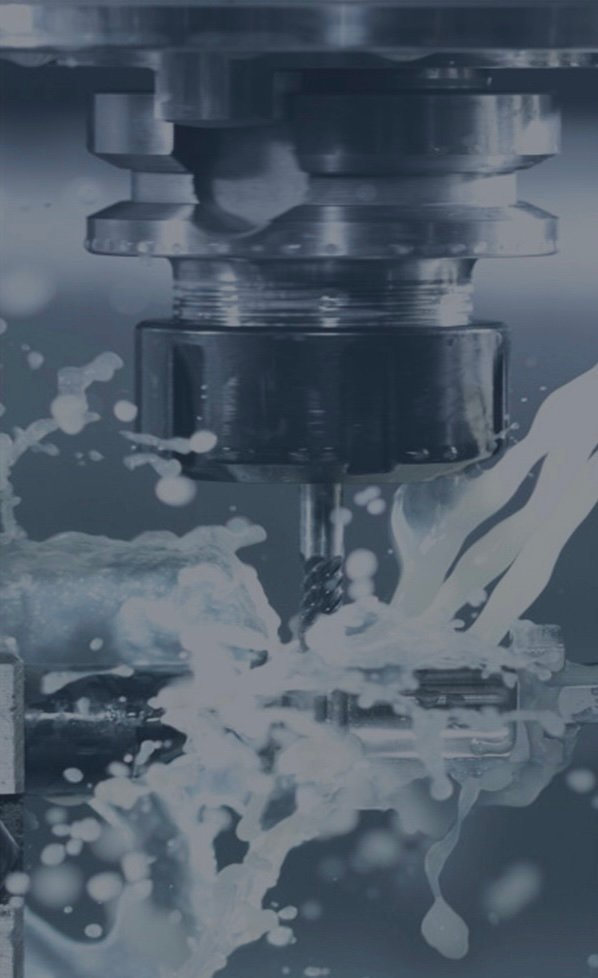

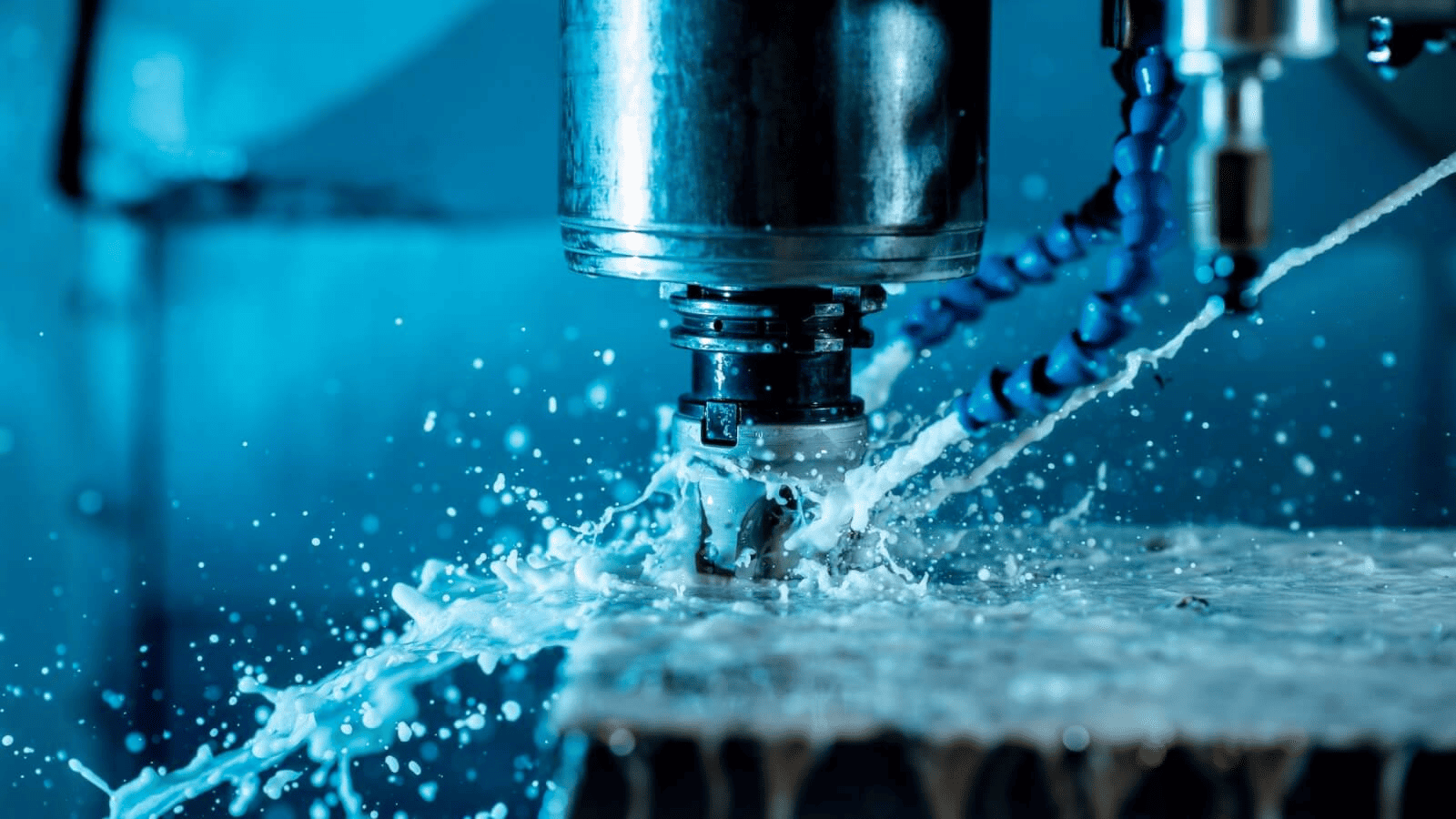
CNC waterjet cutting is a modern machining process that uses a high-pressure stream of water, often combined with abrasive particles, to cut a wide range of materials with exceptional precision. It is widely used in manufacturing because it can produce clean, accurate cuts without generating heat or causing material distortion. This makes it especially valuable for industries that require tight tolerances and high-quality finishes.
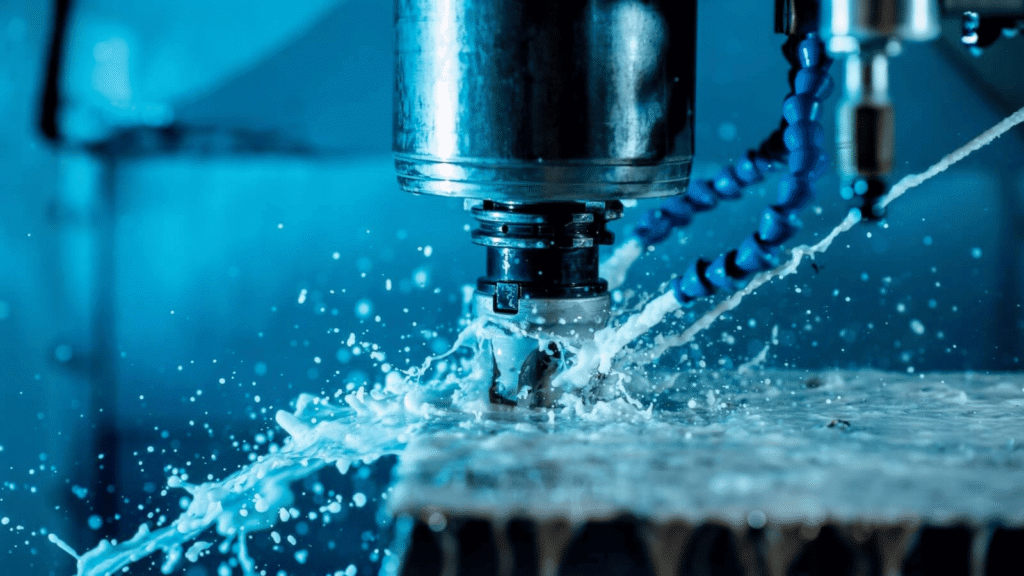
One of the key strengths of CNC waterjet cutting is its ability to cut without direct contact or thermal impact. Unlike traditional cutting methods, it does not alter the material’s internal structure, ensuring consistent performance and durability. This combination of precision, versatility, and reliability has made waterjet cutting an essential solution in modern fabrication and industrial applications.
What Is CNC Waterjet Cutting?
CNC waterjet cutting is a machining process that uses a focused stream of high-pressure water to cut materials with high accuracy. For harder materials such as metals or stone, abrasive particles are added to the water stream to increase cutting power. The entire process is guided by a CNC system, which ensures that each cut follows a precise digital design.
To understand how the system works in practice, it helps to look at its core components.
- High-pressure pump
This is the heart of the system. It pressurizes water to extremely high levels, often exceeding 50,000 psi. The pressure determines the cutting capability, especially when working with thick or dense materials. A stable pump ensures consistent performance throughout the operation.
- Cutting head and nozzle
The pressurized water travels through a small nozzle that focuses it into a thin, high-velocity jet. When abrasives are required, they are introduced at this stage. The design of the nozzle directly affects the precision and quality of the cut, particularly for intricate shapes.
- CNC control system
The CNC system directs the movement of the cutting head based on programmed instructions. It allows for complex geometries and repeatable accuracy. Operators can rely on it to produce identical parts across multiple production cycles with minimal variation.
In industrial settings, this process is commonly used to cut stainless steel sheets into precise components. For example, manufacturers often rely on waterjet systems to produce machine parts that require clean edges and exact dimensions without additional finishing.
How the Waterjet Cutting Process Works
The effectiveness of CNC waterjet cutting comes from a well-coordinated process that combines digital design with controlled mechanical execution. Each stage plays a specific role in achieving accurate and clean cuts across different materials. Understanding this sequence helps explain why the method is both reliable and adaptable in industrial environments.
The process typically follows a clear progression from design to final cut.
- Designing the shape using CAD
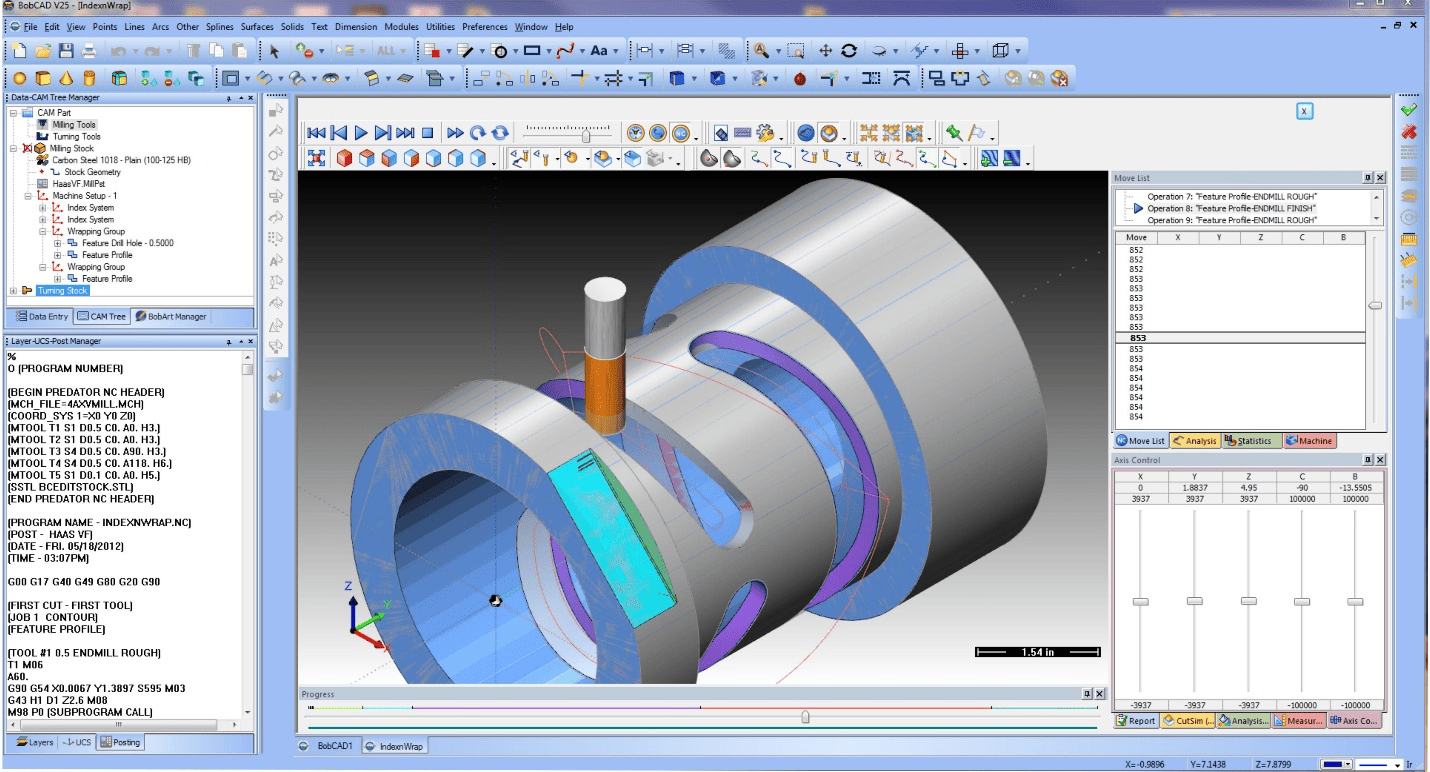
The process begins with a digital design created in CAD software. Engineers define the exact dimensions and geometry of the part, whether it is a simple outline or a complex pattern. This step ensures that the final output matches the required specifications.
- Converting the design into CNC instructions
Once the design is finalized, it is translated into CNC code. These instructions guide the movement of the cutting head, controlling speed, direction, and cutting path. This conversion allows the machine to reproduce designs with consistent accuracy.
- Generating a high-pressure water stream with abrasives
The system then produces a focused stream of high-pressure water. For tougher materials, abrasive particles such as garnet are added to enhance cutting strength. This combination allows the jet to penetrate dense surfaces without mechanical force.
- Material removal through controlled erosion
As the jet contacts the material, it removes particles through erosion rather than melting or tearing. This approach preserves the integrity of the material while producing smooth and precise edges.
A practical example can be seen in the production of decorative glass panels. Manufacturers often use waterjet cutting to create detailed patterns and fine curves that would be difficult to achieve with traditional methods. The process allows for both precision and flexibility, even when working with fragile materials.
How Waterjet Cutting Improves Speed and Accuracy
CNC waterjet cutting is known for delivering both speed and precision, which are critical in modern production environments. Its performance comes from a combination of non-contact cutting, controlled motion, and efficient material removal. These factors work together to reduce errors while maintaining consistent output across large batches.
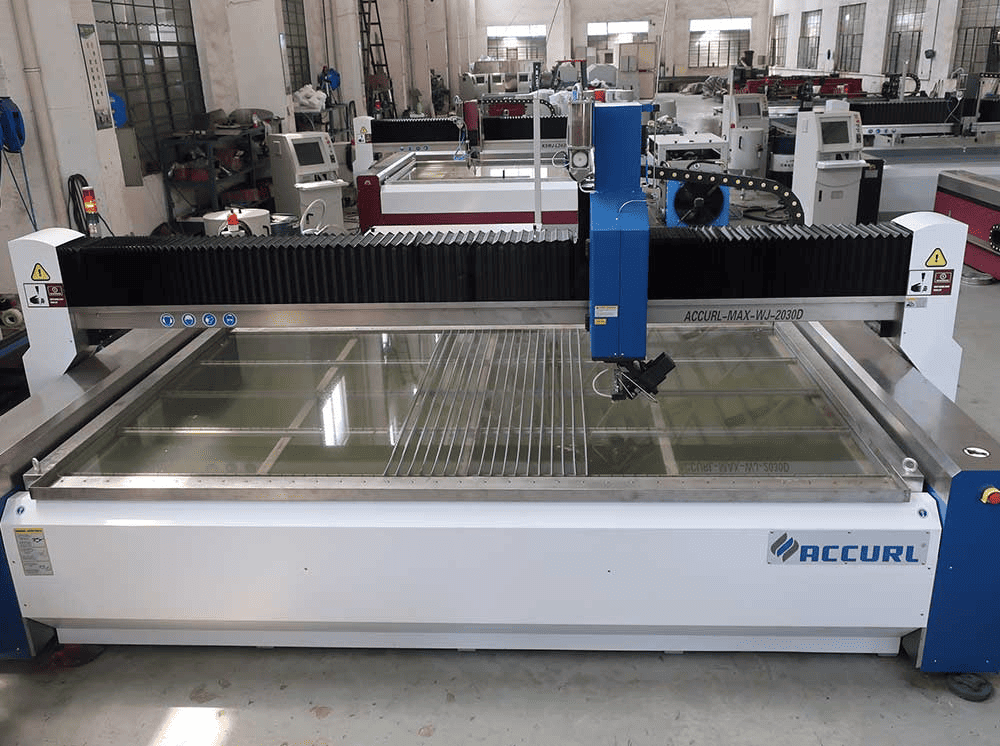
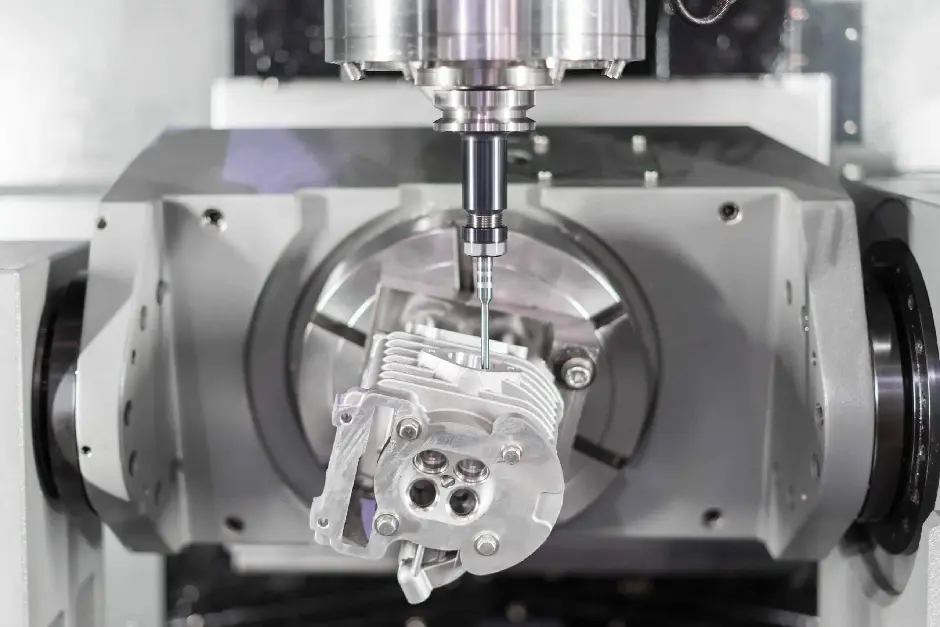
Waterjet Cutting Machine with 5 Axis Waterjet CNC Cutting
Several technical features contribute to this level of efficiency.
- Non-contact cutting reduces tool wear
The cutting process does not rely on physical tools touching the material. This eliminates tool degradation, which is common in traditional machining. As a result, performance remains stable over time, and there is less need for frequent maintenance or tool replacement.
- High-speed cutting with abrasive materials
When abrasive particles are added, the waterjet gains the ability to cut through hard materials quickly. This improves production speed without compromising accuracy. Operators can process metals, ceramics, and composites in shorter time frames compared to many conventional methods.
- CNC-controlled multi-axis movement for precision
Advanced CNC systems allow the cutting head to move along multiple axes. This enables the creation of complex shapes, sharp corners, and detailed patterns with high accuracy. Even intricate designs can be executed with minimal deviation from the original CAD model.
- Thin kerf width reduces material loss
The waterjet produces a very narrow cut, known as the kerf. This reduces material waste and allows parts to be placed closer together during cutting. Over large production runs, this efficiency leads to significant cost savings.
In automotive manufacturing, these advantages are especially clear. Waterjet systems are often used to produce components such as brackets and panels with consistent quality. The ability to maintain tight tolerances while reducing waste helps manufacturers meet both performance and cost targets.
Key Advantages of Waterjet Cutting
Waterjet cutting stands out because it addresses many of the limitations found in traditional machining methods. Its ability to cut a wide range of materials while preserving their properties makes it a preferred choice in industries where quality and consistency are essential. These advantages become even more apparent when working with sensitive or high-value materials.
A closer look at its strengths explains why it is widely adopted.
- No heat generation during cutting
The process relies on high-pressure water rather than heat. This prevents thermal distortion, discoloration, or hardening of the material. It is especially useful when working with metals that must retain their original structure and strength.
- Preserves material properties
Since there is no heat-affected zone, the internal composition of the material remains unchanged. This is critical for components that require precise mechanical performance, such as aerospace parts or medical equipment.
- Suitable for delicate and heat-sensitive materials
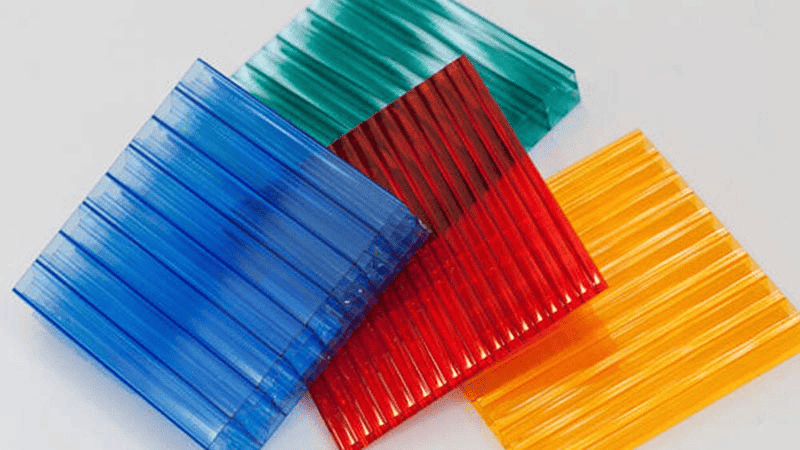
Materials like glass, plastics, and certain composites can be damaged by high temperatures. Waterjet cutting allows these materials to be shaped without cracking, melting, or warping, which improves the final quality of the product.
- Low mechanical stress on the workpiece
The absence of direct cutting force reduces the risk of deformation. Thin or fragile materials can be processed without bending or breaking, which is often a concern with conventional cutting tools.
A practical example can be seen in the production of plastic components. Manufacturers often choose waterjet cutting to shape plastic parts because it avoids melting and maintains clean edges. This reduces the need for additional finishing and ensures that the parts meet strict quality standards.
Materials Suitable for Waterjet Cutting
One of the most practical strengths of CNC waterjet cutting is its ability to handle a wide variety of materials without requiring major adjustments to the system. This flexibility allows manufacturers to use a single process across different projects, which improves efficiency and reduces setup time.
The range of compatible materials covers both industrial and creative applications.
- Metals such as steel and aluminum
Waterjet cutting is widely used for metals because it produces clean edges without heat distortion. It works well for both thin sheets and thicker plates, making it suitable for structural parts, machine components, and precision fittings.
- Non-metals such as glass, stone, rubber, and composites
The process is equally effective for materials that are brittle or flexible. Glass can be cut into detailed shapes without cracking, while rubber and composites can be shaped without tearing or fraying. This makes waterjet cutting a reliable option across diverse material types.
- Consistent performance across mixed materials
In some projects, different materials need to be cut within the same production cycle. Waterjet systems can handle this without significant changes in tooling. This is particularly useful in industries where assemblies combine metals with non-metal components.
A good example can be seen in architectural design. Fabricators often use waterjet cutting to create custom stone patterns for flooring or wall features. The process allows for precise detailing while maintaining the natural texture and strength of the material, which is difficult to achieve with conventional cutting methods.
Common Applications Across Industries
CNC waterjet cutting is used across a wide range of industries because it combines precision with material flexibility. Its ability to produce accurate cuts without heat or mechanical stress makes it suitable for both functional components and detailed design work. As production demands continue to evolve, many sectors rely on waterjet systems to maintain quality while meeting tight deadlines.
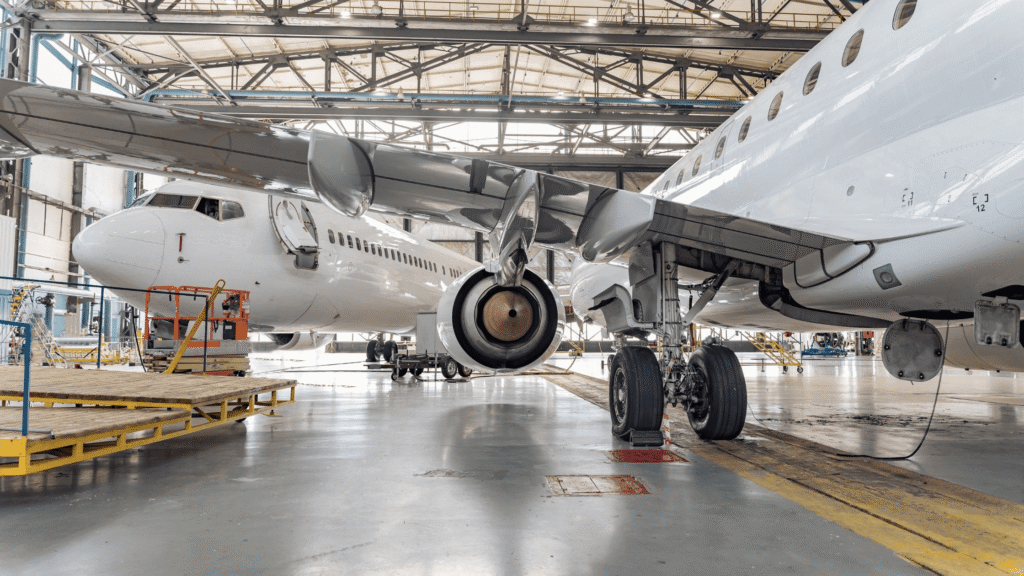
Water Jet Cutting for the Aerospace Industry
The applications vary depending on industry needs, but several areas stand out.
- Manufacturing and fabrication
In general manufacturing, waterjet cutting is used to produce parts with precise dimensions and clean edges. Fabricators often rely on it for cutting metal sheets, gaskets, and custom components that require minimal post-processing.
- Aerospace and automotive
These industries demand high accuracy and material integrity. Waterjet cutting is used for components that must meet strict tolerances without heat distortion. It is particularly useful for cutting lightweight alloys and composite materials used in modern vehicle and aircraft design.
- Construction and architecture
In construction, waterjet systems are used to shape materials such as stone, tiles, and metal panels. Architects benefit from the ability to create custom patterns and complex designs that enhance both structural and visual elements.
- Creative and artistic work
Beyond industrial use, waterjet cutting is also valued in design and art. Artists and designers use it to create detailed engravings and decorative pieces in metal, glass, or stone. The precision of the process allows for intricate patterns that are difficult to achieve manually.
For example, decorative metal panels used in interior design often feature complex patterns cut with waterjet technology. These designs require both accuracy and consistency, which the process delivers without compromising the material’s finish.
Limitations and Considerations of Waterjet Cutting
While CNC waterjet cutting offers many advantages, it is important to understand its limitations in practical use. Recognizing these factors helps manufacturers choose the right process for specific applications and avoid unexpected inefficiencies.
Several considerations often influence decision-making in real-world production.
- Higher operational costs in certain cases
Waterjet systems require significant energy to generate high pressure, and abrasive materials add to the running cost. For simple or high-volume cuts on thin materials, other methods may sometimes be more cost-effective.
- Slower cutting speed for very thick materials
Although waterjets can cut thick materials, the speed decreases as the thickness increases. This can impact productivity when working with heavy metal plates compared to processes designed specifically for thick-section cutting.
- Abrasive consumption and maintenance needs
Abrasive particles such as garnet are consumed during the process and must be replenished regularly. In addition, components like nozzles and mixing tubes wear over time and require maintenance to maintain cutting quality.
- Moisture-sensitive materials require extra care
Some materials can be affected by water exposure. In such cases, additional precautions such as protective coatings or controlled environments may be needed to prevent damage.
For example, in large-scale metal fabrication, companies sometimes combine waterjet cutting with other methods. They may use waterjets for precision sections and switch to faster thermal cutting for less critical areas. This balanced approach helps optimize both cost and efficiency.
Safety and Operational Best Practices
CNC waterjet cutting is a powerful tool, but it requires careful handling to ensure safety and maintain consistent performance. Proper procedures and training help prevent accidents and reduce equipment wear, which is especially important in industrial environments.
Key practices to follow in everyday operations include:
- Operator training and protective equipment
Operators should receive proper training on machine setup, programming, and emergency procedures. Safety glasses, gloves, and protective clothing are essential to protect against high-pressure water and abrasive particles.
- Regular equipment inspection
Components such as pumps, nozzles, and hoses should be checked frequently for wear or damage. Early detection of issues prevents unexpected downtime and ensures consistent cut quality.
- Proper handling of abrasives
Abrasive materials need to be stored and handled carefully to avoid dust hazards and contamination. Correct disposal or recycling of spent abrasives also supports workplace safety and environmental responsibility.
- Maintaining a clean and organized workspace
Waterjet operations generate water mist and spent material, which can create slippery surfaces. Keeping the area clean and organized minimizes the risk of accidents and allows operators to work efficiently.
For example, aerospace manufacturers often operate waterjet machines in enclosed, climate-controlled areas with strict safety protocols. This ensures that high-precision components are produced safely while protecting both operators and equipment from unnecessary wear.
Future Trends in Waterjet Technology
Waterjet cutting continues to evolve as manufacturers look for higher efficiency, tighter tolerances, and more sustainable operations. Ongoing improvements in hardware and software are expanding what the technology can achieve, making it more competitive with other advanced cutting methods.
Several developments are shaping the future of this process.
- Higher cutting speeds through improved pump systems
New pump designs are increasing pressure stability and output, which allows faster cutting without sacrificing quality. This helps manufacturers reduce cycle times, especially in high-volume production.
- Greater precision with advanced CNC controls
Modern CNC systems are becoming more refined, with better motion control and error correction. This leads to improved accuracy in complex geometries and reduces the need for secondary finishing.
- Automation and robotic integration
Waterjet systems are increasingly being integrated with robotic arms and automated material handling. This reduces manual intervention and allows continuous operation, which is essential for large-scale manufacturing environments.
- Use of AI for optimizing cutting performance
AI-driven software is beginning to play a role in optimizing cutting paths, adjusting parameters in real time, and reducing material waste. These systems can learn from previous operations to improve efficiency over time.
- Sustainability improvements
Efforts are being made to reduce water consumption and recycle abrasive materials. Closed-loop systems and better filtration technologies are helping companies lower their environmental impact while maintaining performance.
A clear example of these advancements can be seen in automated production lines where robotic waterjet systems handle cutting tasks with minimal human input. These setups improve consistency and throughput, particularly in industries that require continuous and precise manufacturing processes.
Conclusion
CNC waterjet cutting has established itself as a reliable and versatile solution in modern manufacturing. Its ability to produce precise cuts without heat or mechanical stress makes it suitable for a wide range of materials and applications. From intricate decorative designs to high-tolerance industrial components, waterjet technology delivers consistent quality while minimizing waste and preserving material integrity.
As the technology continues to evolve, advancements in CNC controls, automation, and sustainability will expand its capabilities even further. For manufacturers and designers seeking precision, efficiency, and flexibility, waterjet cutting remains an essential tool that meets both current and future production demands.