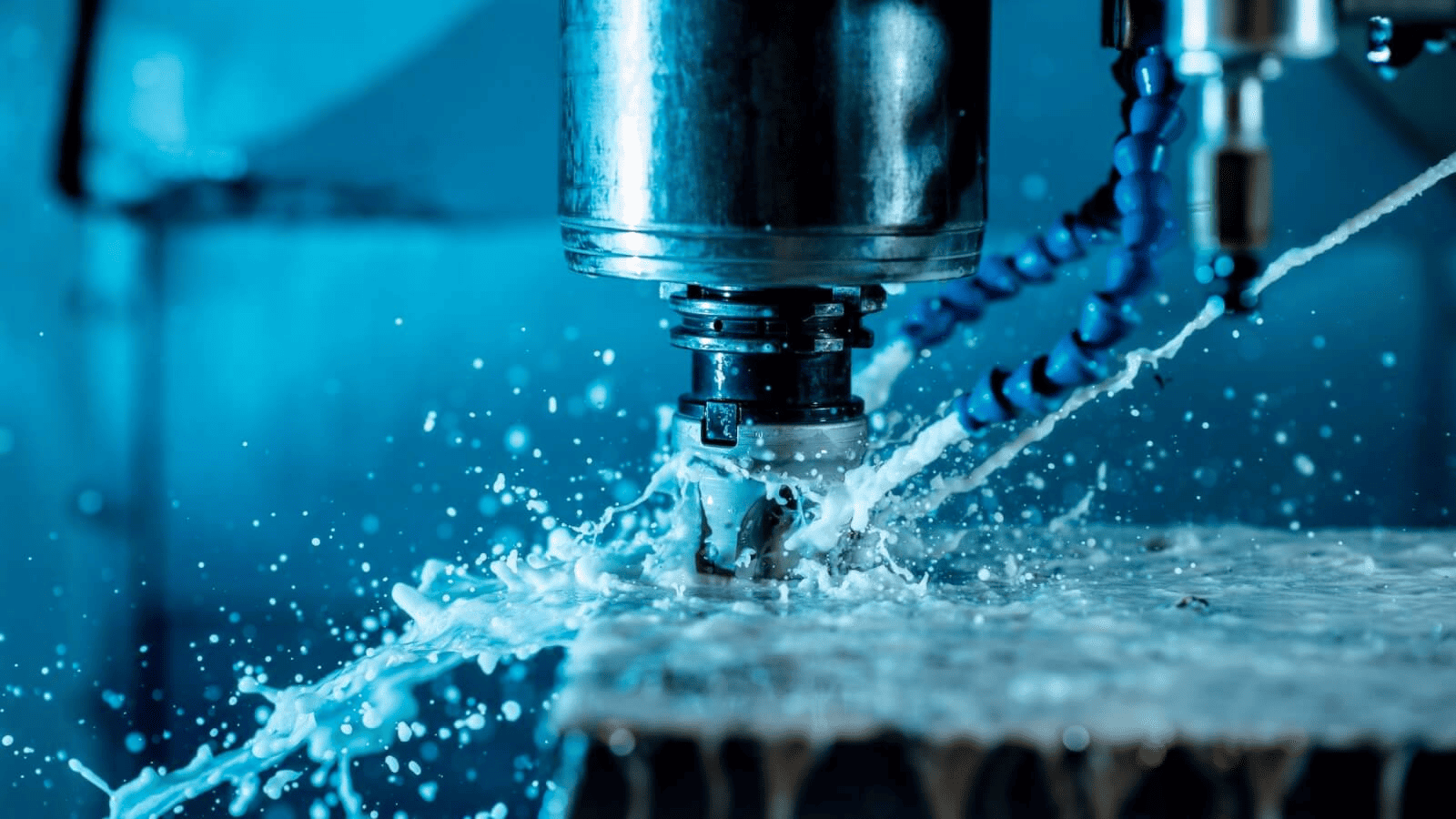

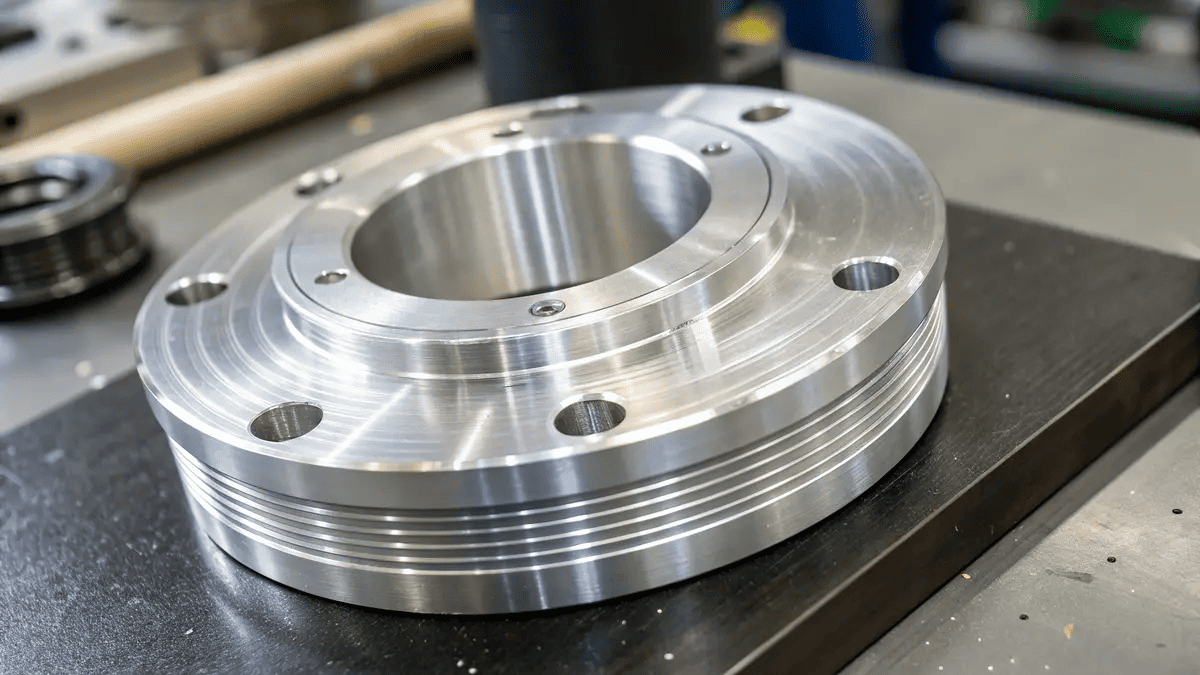
Computer Numerical Control machining, commonly known as CNC machining, is a manufacturing process that uses pre-programmed software to control cutting tools and shape materials with high precision. In the marine industry, CNC machining plays a critical role in producing complex and reliable components such as shafts, propellers, valves, and structural parts. These components must meet strict performance standards, as even minor defects can affect the safety and efficiency of vessels operating in demanding conditions.
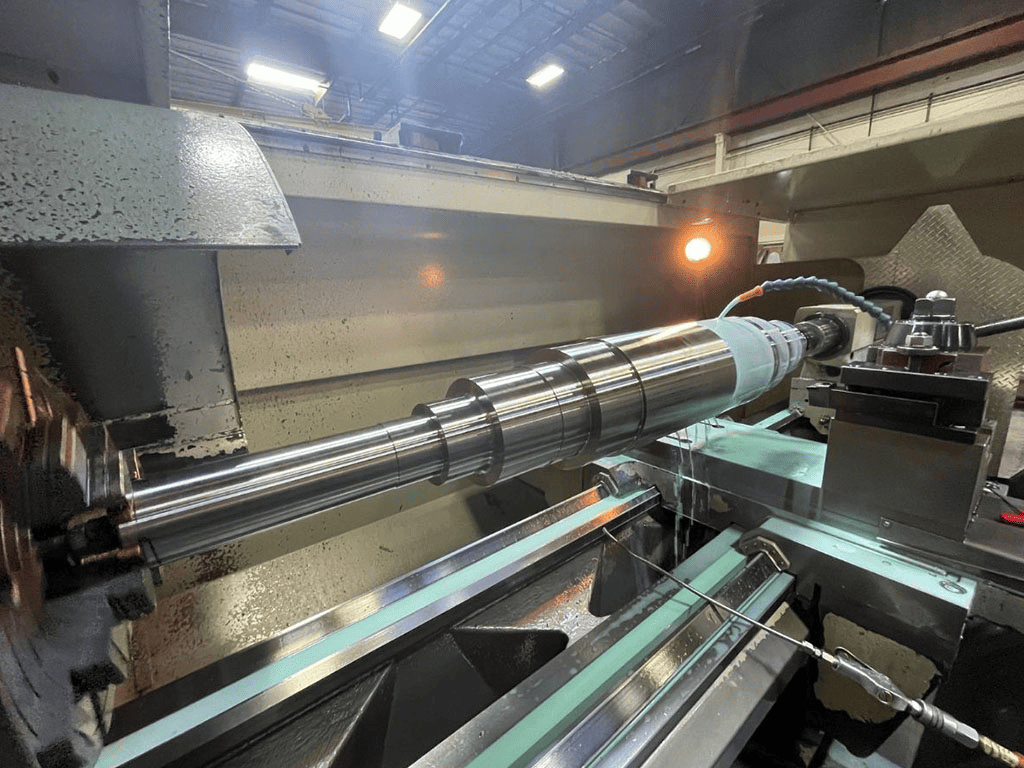
CNC Machining for the Marine Industry
Material selection is especially important in marine applications due to constant exposure to saltwater, fluctuating temperatures, pressure, and mechanical wear. Choosing the wrong material can lead to corrosion, premature failure, and increased maintenance costs. This article explores the most commonly used materials in CNC machining for marine environments and explains why each one matters, supported by practical examples and real-world applications.
Why Material Selection Matters in Marine CNC Machining
Material choice is one of the most important decisions in marine CNC machining. Unlike many other industries, marine components operate in a harsh and unpredictable environment. A part that performs well on land may fail quickly at sea if the material is not suited for these conditions. This makes it essential to understand how different materials behave when exposed to moisture, salt, pressure, and continuous motion.
A few key factors explain why this decision carries so much weight.
- Constant exposure to saltwater
Saltwater is highly corrosive and can degrade many metals over time. Materials that are not corrosion-resistant tend to develop rust or surface damage, which weakens structural integrity. For instance, using a lower-grade steel for underwater fittings can lead to rapid deterioration within months.
- Mechanical stress from waves and vibration
Marine components are rarely static. Waves, engine movement, and operational loads create continuous stress on parts. Materials must be strong enough to handle repeated loading without cracking or deforming. Propeller shafts and engine mounts are good examples where both strength and fatigue resistance are critical.
- Temperature changes and UV exposure
Marine environments often involve shifts in temperature, along with direct sunlight. Some materials expand, contract, or degrade under these conditions. Plastics, for example, may lose strength if not properly selected, while certain metals can become more prone to fatigue over time.
- Balancing cost and durability
There is always a trade-off between upfront cost and long-term performance. Cheaper materials may reduce initial expenses but often lead to higher maintenance and replacement costs. On the other hand, investing in high-quality materials can extend service life and reduce downtime.
A simple example highlights the importance of this balance. Consider a propeller made from a material with poor corrosion resistance. Over time, surface pitting can develop, which disrupts water flow and reduces efficiency. Eventually, the propeller may fail, leading to costly repairs and operational delays. Choosing a more suitable material from the start avoids these issues and ensures consistent performance.
Stainless Steel (Grades 316 and 304)
Stainless steel remains one of the most widely used materials in marine CNC machining. It offers a reliable balance of strength, durability, and resistance to corrosion. These qualities make it suitable for both structural and functional components that must perform consistently in wet and saline conditions. Among the available grades, 304 and 316 are the most commonly used, though their performance differs in marine environments.
Key Properties
Stainless steel is valued for its ability to maintain structural integrity even under demanding conditions. Its chromium content forms a protective oxide layer on the surface, which helps resist corrosion.
- Strong resistance to corrosion
This is the primary reason stainless steel is used in marine parts. While both 304 and 316 offer corrosion resistance, their effectiveness varies depending on exposure. In coastal or submerged conditions, 316 performs better due to its enhanced composition.
- High strength and durability
Stainless steel can withstand heavy loads and repeated stress without significant deformation. This makes it suitable for load-bearing components such as shafts and fasteners.
- Low maintenance requirements
When properly selected, stainless steel components require minimal upkeep. This reduces long-term operational costs, especially for parts that are difficult to access.
Why 316 is Preferred Over 304
Although 304 stainless steel performs well in many environments, it is less effective in areas with high salt exposure. Grade 316 contains molybdenum, which improves its resistance to chloride corrosion. This makes it the preferred choice for marine applications, especially for parts that are submerged or frequently exposed to seawater.
For example, underwater fittings made from 304 may show signs of pitting after extended use, while 316 maintains its surface integrity for a much longer period. This difference becomes more noticeable in vessels that operate continuously in saltwater conditions.
Common CNC Machined Parts
Stainless steel is used across a wide range of marine components where strength and corrosion resistance are essential.
- Shafts
Propeller shafts require high strength and resistance to both mechanical stress and corrosion. Stainless steel, particularly grade 316, ensures long service life in such applications.
- Fasteners
Bolts, nuts, and screws are constantly exposed to moisture. Using stainless steel prevents rust formation and ensures that these components remain secure over time.
- Valves and fittings
Marine valves must handle pressure while resisting corrosion. Stainless steel provides the reliability needed for fluid control systems.
A common real-world application can be seen in boat railing systems. These are often made from 316 stainless steel to maintain appearance and strength despite constant exposure to salt air and water.
Limitations
Despite its advantages, stainless steel is not without drawbacks. It is generally more expensive than materials like aluminum, which can increase project costs. In addition, it is harder to machine, leading to longer production times and higher tooling wear. These factors must be considered when selecting materials for large-scale or cost-sensitive projects.
Aluminum Alloys (5052, 6061, 5083)
Aluminum alloys are widely used in marine CNC machining when weight reduction is a priority. They offer a practical balance between corrosion resistance, machinability, and cost. While aluminum is not as strong as steel, its lighter weight makes it highly valuable in applications where efficiency and fuel consumption matter.
Different grades of aluminum behave differently in marine conditions. Selecting the right alloy ensures better performance and longer service life.
Key Properties
Aluminum stands out for its versatility and ease of use in machining processes. It is often chosen for components that require both structural support and reduced mass.
- Lightweight structure
Aluminum significantly reduces the overall weight of marine vessels. This directly improves speed and fuel efficiency, especially in smaller boats and high-performance crafts.
- Good corrosion resistance
Aluminum naturally forms a protective oxide layer, which helps resist corrosion. While it does not match stainless steel in harsh saltwater exposure, certain grades perform well in marine settings.
- High machinability
Compared to harder metals, aluminum is easier to machine. This reduces production time and tooling costs, making it suitable for large-scale manufacturing.
Differences Between Common Grades
Each aluminum grade offers specific advantages depending on the application and environment.
- 5052 aluminum
This grade provides good corrosion resistance and is often used in moderately exposed marine environments. It is suitable for sheet-based components and panels.
- 6061 aluminum
Known for its strength and versatility, 6061 is commonly used in structural parts. However, it offers slightly lower corrosion resistance compared to marine-focused grades.
- 5083 aluminum
This grade is specifically designed for marine use. It performs well in direct seawater exposure and maintains strength over time. For this reason, it is often preferred for critical structural components.
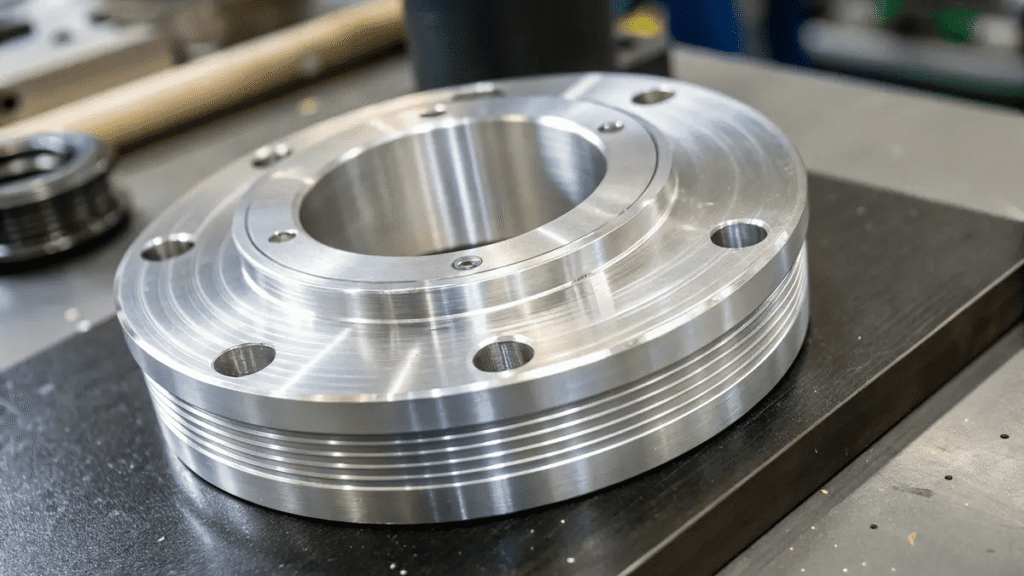
Optimizing 5083 Aluminum Machining for Perfect Finishes
For example, a boat hull made from 5083 aluminum can better withstand prolonged contact with seawater compared to one made from 6061. This reduces the risk of corrosion-related damage and extends the lifespan of the vessel.
Common Applications
Aluminum alloys are used in various marine components where reducing weight improves overall performance.
- Hull components
Lightweight hull structures improve speed and reduce fuel consumption. Aluminum is often used in small to medium-sized vessels for this reason.
- Deck structures
Deck panels and support structures benefit from aluminum’s balance of strength and weight. It allows easier handling during installation and maintenance.
- Housings and enclosures
Engine housings and equipment enclosures are often machined from aluminum due to its machinability and corrosion resistance.
A practical example can be seen in modern marine frames. Using aluminum instead of heavier metals reduces overall vessel weight, which leads to better fuel efficiency and easier maneuverability.
Limitations
Aluminum alloys have lower strength compared to stainless steel, which limits their use in high-load applications. They are also more prone to surface damage and wear over time, especially in areas with constant friction. In highly corrosive environments, additional coatings or treatments may be required to maintain performance.
Brass and Bronze Alloys
Brass and bronze alloys have a long history in marine applications, particularly in components that operate in direct contact with seawater. These materials are valued for their natural resistance to corrosion and their ability to perform reliably in moving parts. In CNC machining, they are often selected for components where smooth operation and long-term durability are essential.
Although both brass and bronze are copper-based alloys, bronze is generally preferred for marine use due to its superior resistance to saltwater corrosion.
Key Properties
These alloys offer a combination of durability and performance that is difficult to achieve with many other materials.
- Excellent corrosion resistance
Bronze performs especially well in seawater environments. It resists rust and degradation even after long exposure, making it suitable for submerged components.
- Natural anti-fouling characteristics
Bronze tends to resist the buildup of marine organisms such as algae and barnacles. This helps maintain efficiency in moving parts like propellers.
- Good wear resistance
These materials handle friction well, which makes them ideal for components that experience constant motion or contact.
Why Bronze is Preferred in Marine Environments
While brass is used in some marine fittings, it is more susceptible to a process known as dezincification, where zinc leaches out over time. This weakens the material and can lead to failure. Bronze, on the other hand, maintains its structural integrity in similar conditions.
For example, a seawater valve made from standard brass may show signs of weakening after extended exposure, while a bronze valve continues to function reliably with minimal degradation.
Common CNC Machined Parts
Brass and bronze alloys are commonly used in components where both corrosion resistance and smooth mechanical performance are required.
- Propellers
Bronze is one of the most widely used materials for marine propellers. It provides a smooth surface finish, good strength, and resistance to corrosion, which helps maintain consistent performance in water.
- Bushings
Bushings made from bronze reduce friction between moving parts. They are often used in rotating assemblies where durability is critical.
- Bearings
Bronze bearings perform well in marine environments due to their wear resistance and ability to operate with minimal lubrication.
A clear example can be seen in commercial and recreational vessels that rely on bronze propellers. These propellers maintain their shape and efficiency over time, even with constant exposure to seawater and mechanical stress.
Limitations
The main drawback of brass and bronze alloys is their higher material cost compared to alternatives like aluminum. In addition, they are heavier, which may not be ideal for applications where weight reduction is important. These factors often limit their use to specific components rather than entire structures.
Titanium
Titanium is often selected for marine CNC machining when performance requirements are exceptionally high. It offers a rare combination of strength, low weight, and resistance to aggressive environments. Although it is not as commonly used as steel or aluminum due to its cost, it becomes the preferred option in critical applications where failure is not acceptable.
In marine settings, titanium performs reliably even under prolonged exposure to saltwater and extreme pressure. This makes it especially valuable in advanced and deep-sea operations.
Key Properties
Titanium stands out because it maintains its properties in conditions where many other materials begin to degrade.
- High strength-to-weight ratio
Titanium provides strength comparable to steel while being significantly lighter. This makes it suitable for components that must handle heavy loads without adding unnecessary weight.
- Exceptional corrosion resistance
It resists corrosion in seawater far better than most metals. Even in highly saline environments, titanium maintains its surface integrity without requiring protective coatings.
- Long service life
Due to its resistance to wear and corrosion, titanium components often last much longer than those made from conventional materials. This reduces maintenance and replacement frequency.
Suitability for Harsh Marine Environments
Titanium is particularly useful in environments where exposure conditions are severe and continuous. Deep-sea applications involve high pressure, low temperatures, and corrosive conditions that can quickly damage standard materials.
For instance, subsea equipment used in offshore oil exploration often relies on titanium components. These parts remain stable and functional even after extended deployment at significant depths.
Common Uses
Titanium is typically reserved for high-value applications where its benefits justify the cost.
- Subsea components
Parts used in underwater systems must resist both corrosion and pressure. Titanium ensures long-term reliability in such conditions.
- High-performance fasteners
Fasteners made from titanium provide strong and corrosion-resistant connections. They are often used in critical assemblies where failure could lead to major operational issues.
A practical example can be seen in offshore oil platforms, where titanium components are used in areas exposed to continuous seawater contact. These components help maintain system integrity and reduce the need for frequent maintenance.
Limitations
Titanium is significantly more expensive than most other materials used in marine CNC machining. Its machining process is also more complex, requiring specialized tools and expertise. These factors limit its use to applications where performance and durability outweigh cost considerations.
Engineering Plastics (Delrin, Nylon, PTFE)
Engineering plastics are increasingly used in marine CNC machining for components that do not require high structural strength but benefit from low friction and corrosion resistance. Unlike metals, these materials do not rust or degrade when exposed to water, which makes them useful in specific functional roles within marine systems.
They are often selected to complement metal parts rather than replace them. In many designs, plastics help reduce wear, noise, and maintenance by acting as protective or low-friction elements.
Key Properties
Engineering plastics offer practical advantages in applications where smooth operation and resistance to environmental effects are more important than load-bearing capacity.
- Corrosion resistance
Plastics such as PTFE and nylon remain unaffected by saltwater. This makes them suitable for parts that are constantly exposed to moisture or submerged conditions.
- Low-friction performance
Materials like PTFE provide a naturally smooth surface, which reduces friction between moving parts. This improves efficiency and extends the life of adjacent components.
- Lightweight structure
Plastics are significantly lighter than metals. This simplifies handling and installation, especially in assemblies with multiple small components.
Common Materials and Their Roles
Different engineering plastics are chosen based on the specific performance required in a marine environment.
- Delrin
Delrin offers good stiffness and dimensional stability. It is often used for precision parts that must maintain shape under moderate load.
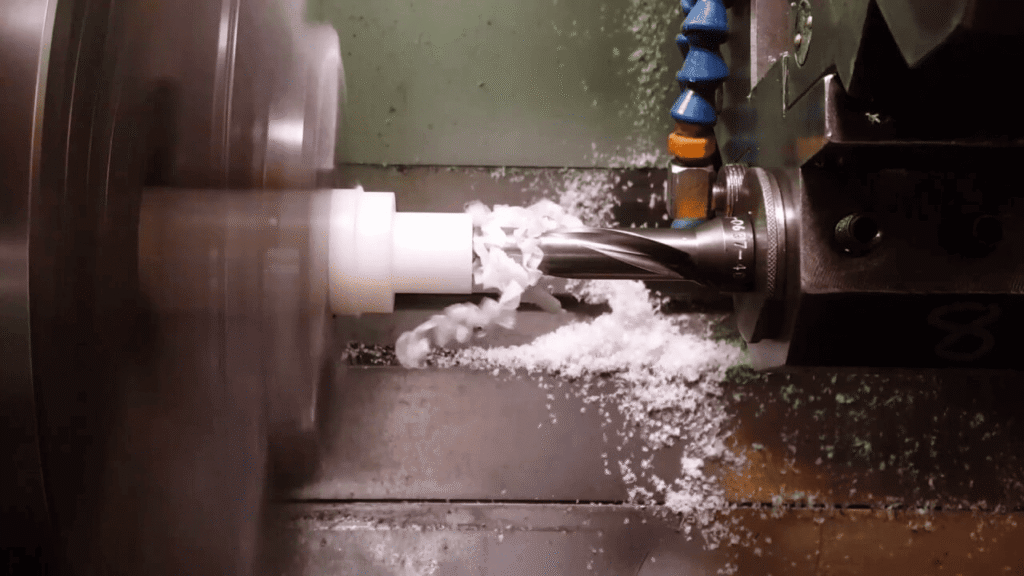
- Nylon
Nylon provides good wear resistance and is commonly used in bushings and guides. It performs well in applications where repeated motion is involved.
- PTFE
PTFE is known for its extremely low friction. It is widely used in seals and bearings where smooth movement is essential.
For example, PTFE bushings are often used in water-lubricated systems. These bushings allow components to move smoothly without requiring additional lubrication, which is particularly useful in marine environments where oil-based lubricants may not be practical.
Common Applications
Engineering plastics are used in various supporting roles within marine systems.
- Seals
Plastic seals prevent leakage while resisting corrosion. They are commonly used in pumps and fluid handling systems.
- Bearings
Plastic bearings reduce friction and operate quietly. They are ideal for applications where noise reduction is important.
- Insulators
Plastics act as electrical insulators, protecting systems from unwanted conductivity and corrosion-related issues.
A practical example can be found in small marine pumps, where plastic components help reduce wear on metal parts. This extends the overall lifespan of the system while keeping maintenance requirements low.
Limitations
Engineering plastics have lower strength compared to metals, which limits their use in load-bearing applications. They are also less resistant to high temperatures, which can affect performance in certain conditions. For this reason, they are best used in combination with stronger materials rather than as primary structural components.
Comparing Materials: Quick Selection Guide
| Material | Strength | Corrosion Resistance | Cost Level | Common Use Example |
| Stainless Steel 316 | High | Excellent | Medium | Shafts, fasteners |
| Aluminum 5083 | Medium | Good | Low | Hull structures |
| Bronze | Medium | Excellent | High | Propellers |
| Titanium | Very High | Outstanding | Very High | Subsea equipment |
| Engineering Plastics (PTFE) | Low | Excellent | Low | Bearings, seals |
Material selection in marine CNC machining usually depends on the operating environment and budget balance. In smaller vessels, aluminum or stainless steel is often enough for structural and functional parts. In contrast, offshore platforms and deep-sea equipment rely more on titanium or super duplex steels due to extreme exposure conditions.
A simple way to think about it is this. When cost control is important, aluminum and standard stainless steel are commonly used. When performance and lifespan are the priority, titanium, bronze, and super duplex materials become more relevant choices.
Conclusion
Material selection in marine CNC machining directly shapes how well a component performs in real-world conditions. Every environment at sea brings its own challenges, from constant saltwater exposure to mechanical stress and long operating hours. The materials covered in this article each offer different strengths that help address these demands in practical ways.
Choosing the right material is always about balance. Cost, durability, and operating conditions need to work together rather than compete. When the right decision is made early in the design stage, it reduces maintenance issues, extends service life, and improves the overall reliability of marine systems.