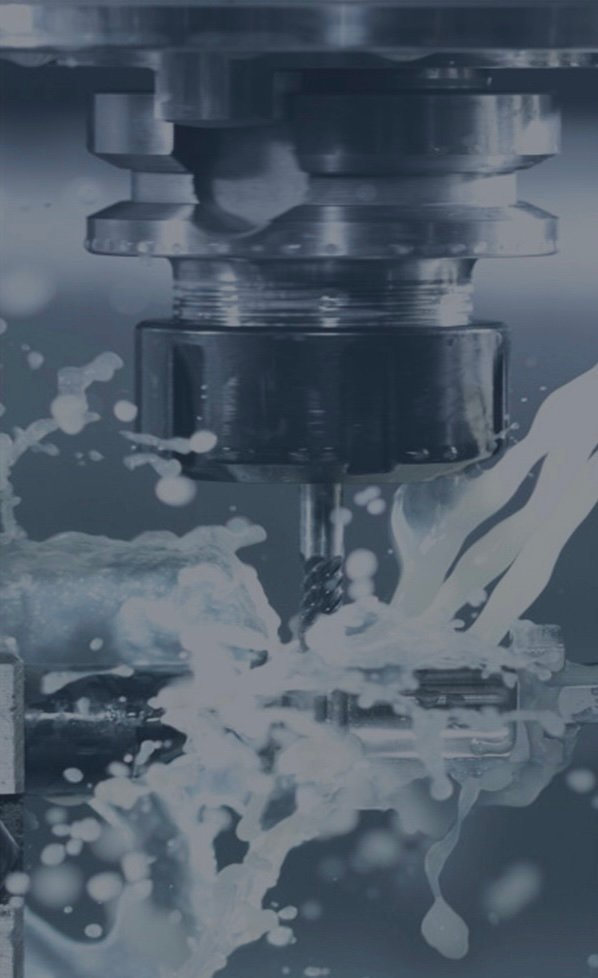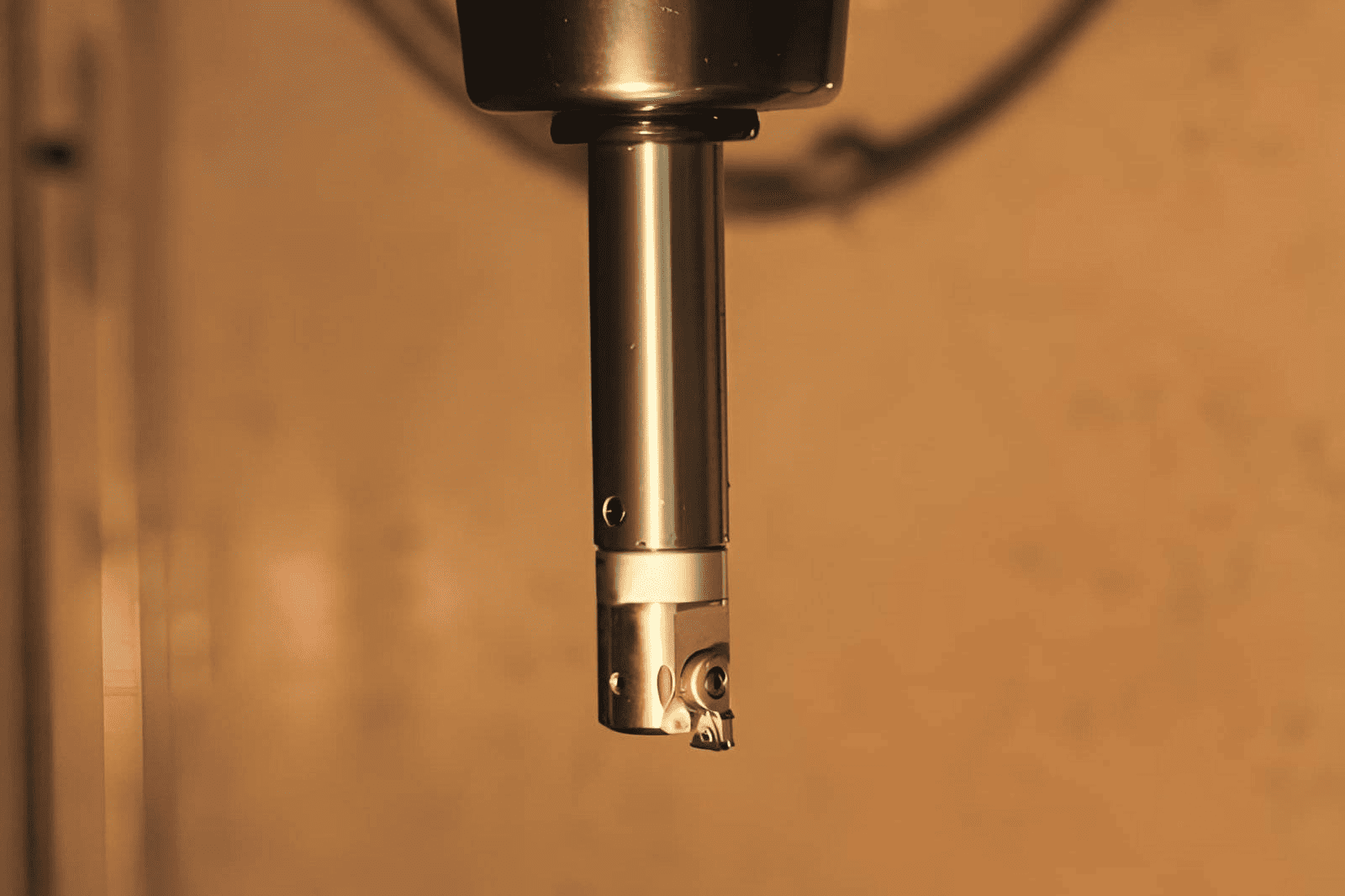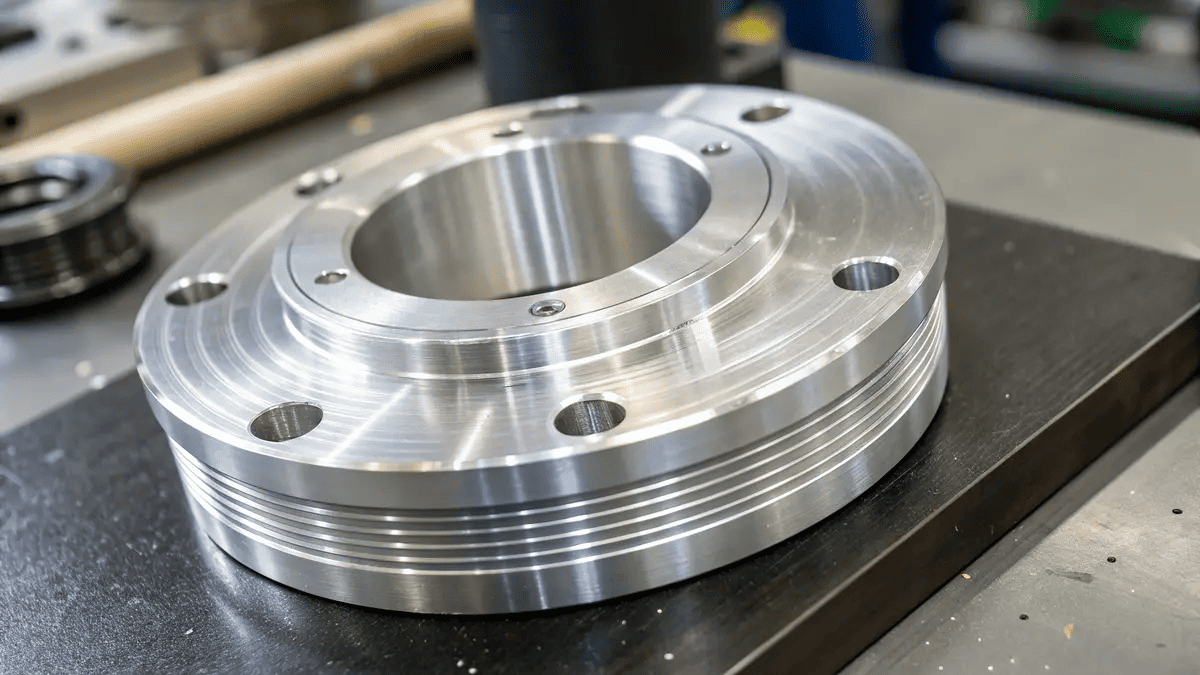

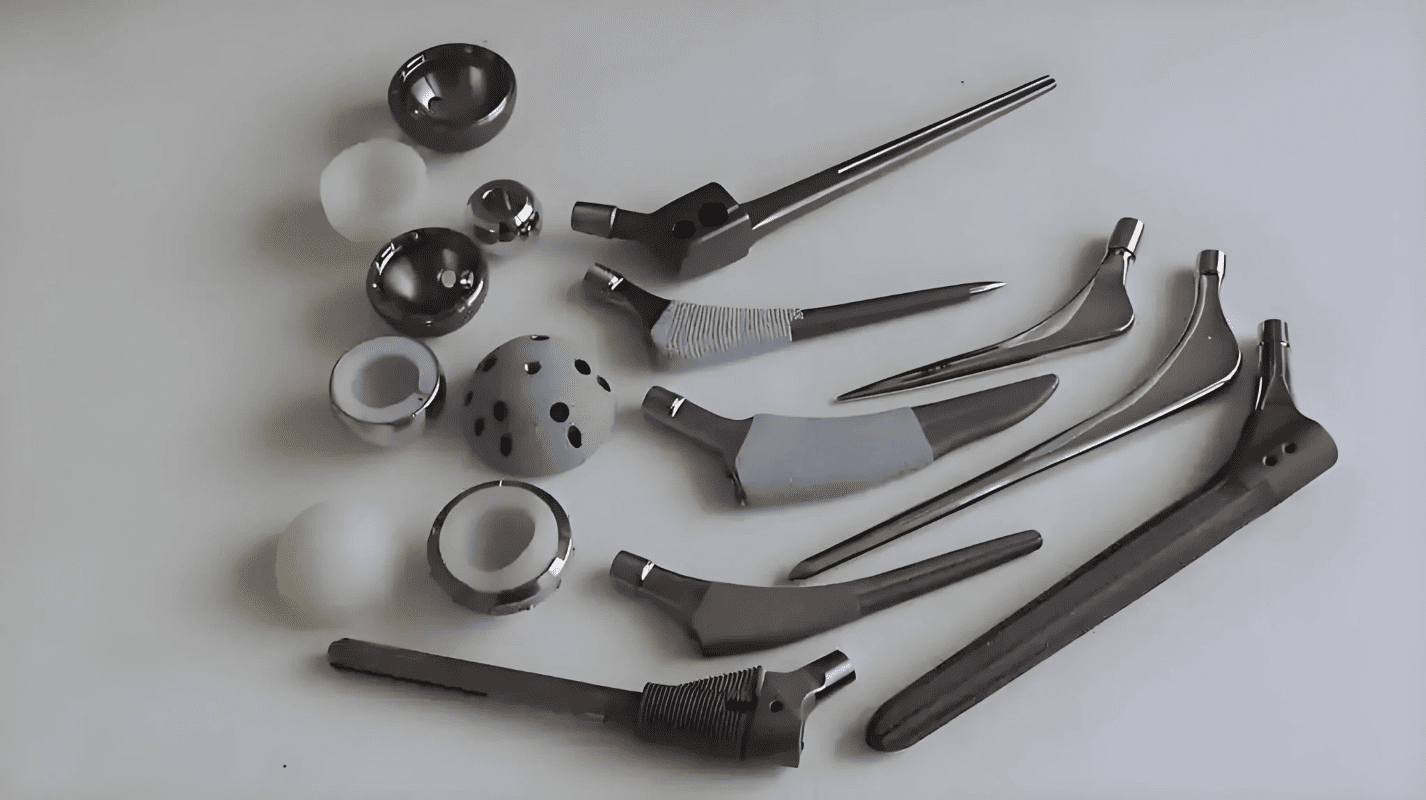
CNC machining plays a central role in the production of modern medical devices, where accuracy and consistency directly affect patient outcomes. It allows manufacturers to create highly precise components such as surgical tools, implants, and diagnostic parts with tight tolerances that traditional methods cannot reliably achieve. Because these parts often interact directly with the human body, even the smallest deviation can lead to serious complications.
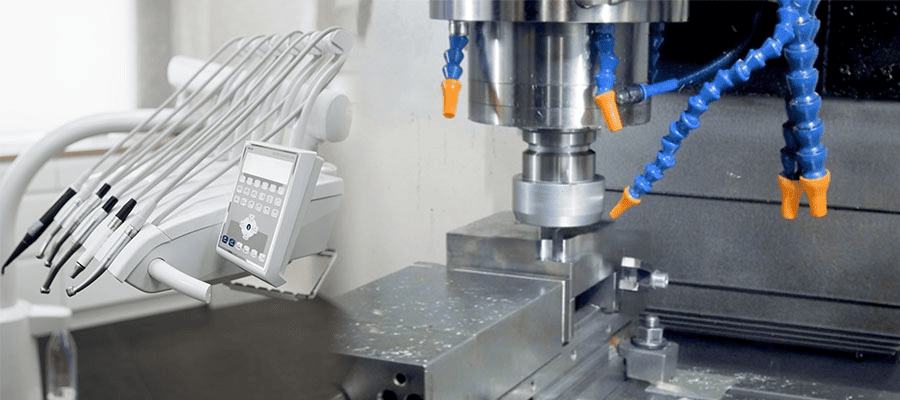
How CNC Machining Is Transforming The Medical Device Industry
In medical manufacturing, there is no room for error, which is why strict standards, carefully selected biocompatible materials, and complete traceability are essential throughout the production process. Every stage, from raw material sourcing to final inspection, must be controlled and documented. This article explores how ISO 13485 sets the foundation for quality systems, how biocompatible materials are selected for safety, and why traceability is critical in maintaining trust and compliance in healthcare manufacturing.
What Is Medical Device CNC Machining?
Medical device CNC machining refers to the use of computer-controlled machines to manufacture highly precise components used in healthcare applications. These components often require extreme accuracy because they are used in surgical procedures, implants, and diagnostic systems where performance directly affects patient safety and treatment success.
This process is widely used in the medical industry because it offers consistent repeatability, excellent surface quality, and the ability to produce complex geometries that are difficult to achieve with conventional manufacturing methods. It also supports both small batch prototyping and large-scale production, which makes it highly flexible for different stages of medical device development.
Some of the most common applications in this field include:
- Surgical instruments such as forceps, clamps, and scalpels
These tools require smooth finishes and precise alignment to ensure reliable performance during procedures.
- Orthopedic implants like hip joints, bone plates, and spinal components
These parts must match the patient's anatomy closely to support proper healing and long-term integration.
- Dental components such as crowns, abutments, and implant screws
Accuracy here is critical for comfort, fit, and durability inside the oral environment.
To better understand its precision requirements, consider a titanium bone screw used in orthopedic surgery. It must be machined to micron-level accuracy so that it fits perfectly into bone structures without causing stress or instability. Even a minor deviation in thread geometry or diameter can affect surgical outcomes and recovery time.
Medical CNC machining therefore, stands as a foundational process in modern healthcare manufacturing, where precision is not just a technical requirement but a direct contributor to patient safety.
Why Compliance Matters in Medical Manufacturing
Medical manufacturing operates under far stricter control compared to most other industries because the products are directly linked to human health and safety. Unlike general industrial components, medical devices must perform reliably inside the human body or in critical clinical environments where failure is not an option.
This is why compliance is not treated as a formality but as a core requirement throughout design and production. Every process must be controlled, validated, and documented to ensure that the final product meets regulatory expectations and performs safely in real-world use.
Patient safety and risk control
In medical CNC machining, even minor defects can have serious consequences. A small surface irregularity or dimensional error can affect how a device interacts with tissue or other biological systems. This makes risk control a central part of the manufacturing process.
- A slightly rough implant surface may increase the chance of bacterial adhesion, which can lead to post-surgical complications
- A misaligned surgical tool may reduce precision during an operation, increasing procedural risk
- A poorly fitted orthopedic component can lead to discomfort or long-term instability after implantation
These risks are the reason manufacturers invest heavily in controlled machining environments and inspection systems.
Regulatory expectations in global markets
Medical devices must meet strict regulatory frameworks depending on the market in which they are sold. These frameworks ensure that manufacturers follow consistent quality and safety standards.
- FDA regulations in the United States focus on product safety, performance validation, and manufacturing controls
- EU MDR requirements in Europe place strong emphasis on traceability, clinical evaluation, and post-market surveillance
- Local health authorities in other regions often align with these international standards to maintain consistency in medical safety
For example, a CNC-produced orthopedic plate intended for export must pass documentation and testing requirements that prove material safety, machining accuracy, and process consistency.
Real-world manufacturing impact
Compliance also influences how manufacturers design their production workflow. A certified medical CNC facility does not rely only on machining accuracy but builds systems around quality assurance.
For instance, if a dental implant component is produced, the manufacturer must ensure that every stage, from raw material verification to final sterilization, follows documented procedures. This reduces variability and ensures that each batch meets the same safety standards.
This level of control is what allows medical CNC machining to support life-critical applications with consistent reliability.
Understanding ISO 13485 in CNC Machining
ISO 13485 is a quality management standard specifically designed for the medical device industry. It sets the framework for ensuring that medical products are consistently manufactured to meet safety, regulatory, and performance requirements. In CNC machining, this standard plays a direct role in how parts are designed, produced, inspected, and documented.
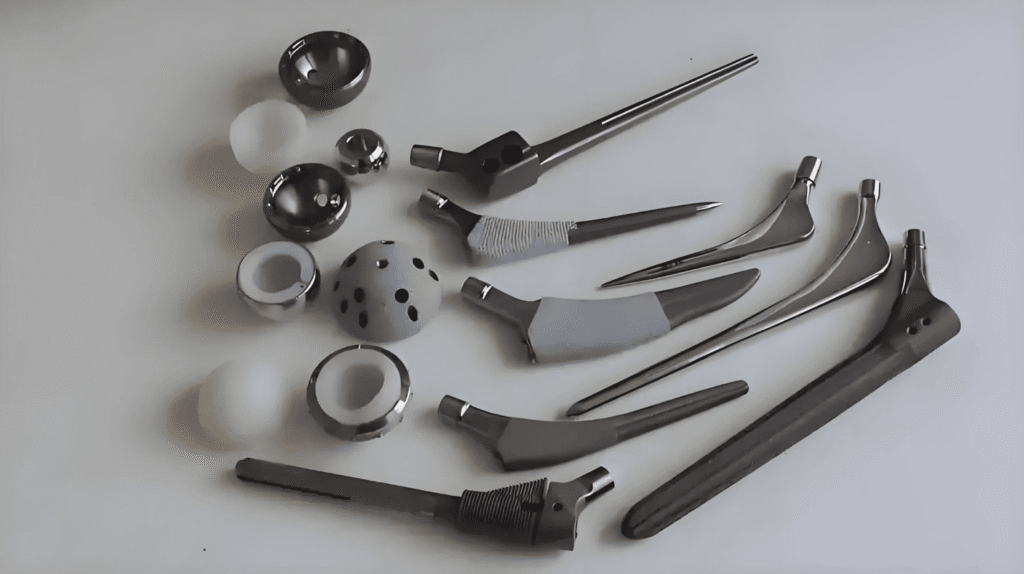
ISO 13485 Medical Manufacturing
For manufacturers, ISO 13485 is not just about certification. It shapes the entire production mindset, ensuring that every machining step is controlled and repeatable, especially when producing components that will be used in surgical or implant applications.
Quality management systems in practice
A strong quality management system defines how work is carried out across the production line. It ensures that processes are standardized rather than dependent on individual judgment.
- Each machining operation follows documented procedures that define cutting parameters, tooling, and inspection points
- Raw materials are verified before production begins to confirm medical-grade compliance
- Finished parts go through structured inspection routines before being approved for use
For example, when producing a surgical clamp, the machining sequence, finishing process, and inspection criteria are all defined in advance. This reduces variability between batches and improves consistency.
Risk control and process stability
ISO 13485 also focuses heavily on identifying and controlling risks during production. This is especially important in CNC machining, where tool wear, machine calibration, and material behavior can affect final output.
- Machines are calibrated at scheduled intervals to maintain dimensional accuracy
- Production parameters are monitored to detect deviations early in the process
- Potential failure points are reviewed before scaling production
A practical example is titanium machining for orthopedic implants. Since titanium reacts strongly to heat, uncontrolled cutting conditions can alter surface quality. Under ISO 13485, these risks are managed through predefined cutting speeds, tool selection guidelines, and monitoring systems.
Documentation and traceability foundation
Documentation is a core requirement under ISO 13485. Every stage of production must be recorded in a way that allows full product history tracking.
- Material certificates are stored for each batch of raw stock used
- Machine logs record operational settings during production runs
- Inspection results are documented and linked to individual parts or batches
For instance, a batch of spinal screws produced in a CNC facility can be traced back to the exact material lot, machine setup, and operator responsible. This level of detail becomes critical if a quality issue ever needs investigation or recall.
ISO 13485 therefore, acts as the backbone of controlled medical CNC manufacturing, ensuring that precision is matched with accountability and consistent quality control.
Key Requirements for ISO 13485 Certification
Meeting ISO 13485 requirements goes beyond general quality control. It requires manufacturers to build a structured system that governs how every medical CNC machining process is planned, executed, and reviewed. This system ensures that consistency is maintained not just in production output but across documentation, training, and continuous improvement activities.
In CNC machining environments, these requirements directly influence how workshops operate on a daily basis, especially when producing components such as implants, surgical tools, and diagnostic equipment parts.
Documentation and controlled processes
Clear documentation forms the backbone of ISO 13485 compliance. It ensures that every action in production is traceable and repeatable.
- Standard operating procedures define how each machining task should be performed, from setup to finishing
- Work instructions guide operators on machine settings, tooling selection, and inspection steps
- Inspection records document measurement results for each production batch, creating a reliable quality history
For example, when manufacturing a set of orthopedic plates, the exact machining parameters, such as spindle speed and feed rate, are recorded and stored. This allows any future review to understand exactly how each part was produced.
Process validation and production control
Before full-scale production begins, processes must be validated to confirm that they consistently produce parts that meet specifications. This is especially important for high-precision medical components.
- Machining processes are tested under real production conditions to confirm stability
- Equipment calibration is performed regularly to maintain dimensional accuracy over time
- Production runs are monitored to detect variations in tool wear or material behavior
A practical example is CNC machining of titanium dental implants. Before approval, sample parts are tested to ensure thread accuracy and surface finish remain consistent across multiple production cycles.
Non-conformance handling and corrective actions
ISO 13485 also requires manufacturers to address any deviation from defined standards in a structured way. This ensures that issues are not only corrected but also prevented from recurring.
- Deviations in measurements are documented and analyzed to identify root causes
- Affected batches are evaluated to determine whether they meet safety requirements
- Corrective actions are implemented to adjust machining parameters or improve workflows
For instance, if a batch of surgical drill bits shows inconsistent tip geometry, the manufacturer investigates tool wear patterns and adjusts replacement schedules to prevent similar issues in future production.
Continuous improvement systems
Quality management under ISO 13485 is not static. It requires ongoing refinement of processes based on data and performance feedback.
- Internal audits are conducted to review compliance and identify process gaps
- Feedback from inspections is used to refine machining strategies
- Training programs are updated to reflect process changes and new standards
An example can be seen in CNC facilities producing spinal implants, where repeated audit findings may lead to improvements in surface finishing techniques or inspection frequency.
These requirements work together to ensure that medical CNC machining remains consistent, controlled, and aligned with global regulatory expectations.
Biocompatible Materials Used in CNC Machining
Material selection is one of the most critical decisions in medical CNC machining because the chosen material directly affects how a device interacts with the human body. Biocompatible materials are designed to perform safely inside or on the body without triggering harmful reactions.
In CNC machining, these materials must also maintain stability during cutting, shaping, and finishing processes. This makes both material properties and machining behavior equally important when producing medical components.
What biocompatibility means in medical use
Biocompatibility refers to how well a material performs when exposed to biological systems. It must not cause toxicity, inflammation, or rejection when used in medical applications.
- Materials used in implants must remain stable inside the body over long periods without degrading
- Surgical instruments must maintain surface safety even after repeated sterilization cycles
- Temporary devices must not release harmful residues during their functional life
For example, a hip implant made from a non-compatible material could trigger inflammation, leading to discomfort or implant failure. This is why material testing and certification are mandatory before production.
Common materials used in CNC medical manufacturing
Several materials are widely used in medical CNC machining because they combine strength, durability, and biological safety.
- Titanium and its alloys are preferred for implants due to high strength, corrosion resistance, and compatibility with bone integration
- Stainless steel is commonly used for surgical instruments because it offers durability and cost efficiency while maintaining sterilization resistance
- PEEK is used in lightweight implants and spinal devices because it provides flexibility and a bone-like mechanical response
- Medical-grade plastics such as PTFE and UHMWPE are used in joint components and disposable medical parts
A practical example is a titanium dental implant that integrates with the jawbone over time. Its ability to bond naturally with bone tissue makes it one of the most reliable materials for long-term dental restoration.
Key factors in selecting medical-grade materials
Choosing the right material involves balancing mechanical performance with biological safety and manufacturing feasibility.
- Strength and durability determine whether a component can withstand mechanical loads inside the body
- Corrosion resistance ensures the material remains stable in biological fluids
- Compatibility with sterilization methods ensures the device remains safe after repeated cleaning cycles
For instance, PEEK is often selected for spinal cages because it provides enough strength while remaining lightweight and compatible with imaging techniques, unlike some metals.
Material behavior during CNC machining
Biocompatible materials also respond differently during machining, which affects tool selection and production strategy.
- Titanium generates heat quickly, requiring controlled cutting conditions to prevent tool wear
- PEEK can deform under excessive pressure, which demands careful feed rates and sharp tooling
- Stainless steel requires stable machining conditions to maintain surface finish and dimensional accuracy
An example can be seen in orthopedic plate production, where titanium’s hardness requires specialized cutting tools and coolant systems to maintain precision without damaging the material structure.
Material selection in medical CNC machining, therefore, goes beyond availability. It requires a careful balance between patient safety, performance requirements, and manufacturing control.
Challenges in Machining Biocompatible Materials
Working with biocompatible materials in CNC machining requires a different level of control compared to standard industrial metals or plastics. These materials are selected for safety and performance inside the human body, but that same complexity often makes them more difficult to machine with consistency.
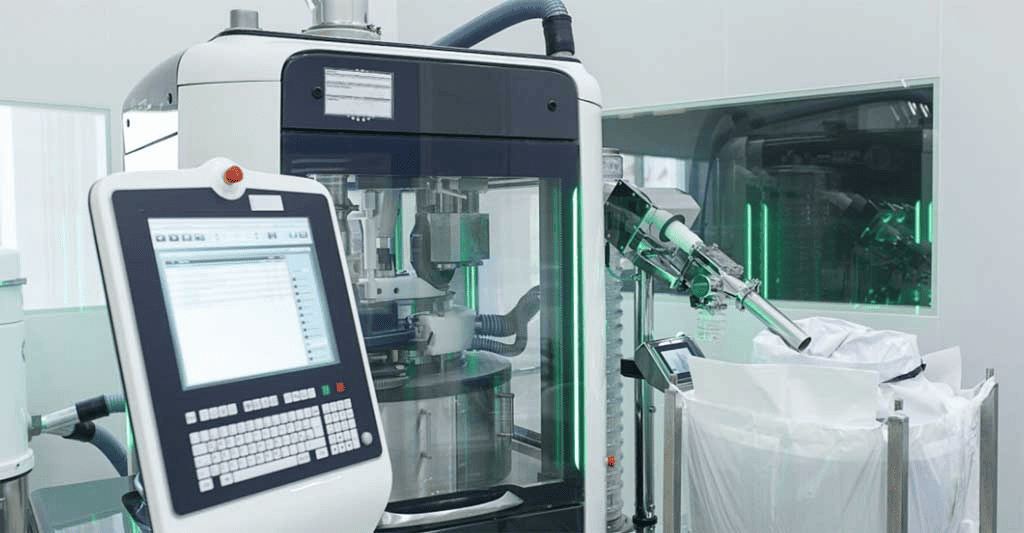
Manufacturers must carefully balance precision, tool life, surface quality, and thermal control to achieve reliable results, especially when producing medical components that demand tight tolerances and flawless finishes.
Material behavior during cutting
Each biocompatible material reacts differently under machining forces, which directly affects production strategy.
- Titanium tends to generate high heat during cutting, which can accelerate tool wear and affect surface integrity
- PEEK softens under heat and pressure, making it sensitive to deformation if machining parameters are not controlled
- Stainless steel requires stable cutting conditions to avoid work hardening and maintain dimensional accuracy
For example, when producing a titanium bone plate, excessive heat buildup can slightly alter surface texture, which may impact how the implant interacts with surrounding tissue.
Tool wear and selection challenges
Tool performance plays a major role in maintaining precision when working with medical-grade materials. Poor tool selection can quickly lead to inconsistencies in surface finish and dimensional accuracy.
- Cutting tools must be selected based on hardness and thermal resistance of the material being processed
- Tool coatings are often used to reduce friction and extend tool life during long production runs
- Frequent tool inspection is necessary to detect wear before it affects part quality
A practical case is machining stainless steel surgical instruments, where dull tools can create micro-imperfections that may reduce sterilization efficiency or comfort during use.
Cooling and lubrication control
Thermal management is essential in medical CNC machining because heat can alter both material structure and surface performance.
- Controlled coolant systems help maintain stable cutting temperatures during titanium machining
- Specialized lubricants reduce friction and improve surface finish in high-precision parts
- Improper cooling can lead to dimensional drift or surface discoloration
For instance, in PEEK machining, excessive heat without proper cooling can cause edge deformation, which directly affects fit in implant assemblies.
Surface finish requirements
Medical components often require extremely smooth surfaces to ensure safety, comfort, and functional reliability. Achieving this level of finish can be challenging with biocompatible materials.
- Polishing and secondary finishing processes are often required after initial machining
- Surface roughness must meet strict limits depending on whether the part is an implant or a surgical tool
- Consistency across batches is closely monitored to maintain uniform performance
An example is orthopedic joint components, where a smooth surface reduces friction between moving parts and improves long-term durability inside the body.
These challenges highlight why machining biocompatible materials requires not only technical capability but also strict process control and continuous monitoring throughout production.
Conclusion
Medical CNC machining plays a critical role in producing devices that require high precision, reliability, and safety. From surgical instruments to implants, every component must be manufactured with strict attention to detail to ensure it performs correctly inside clinical environments. The combination of advanced machining technology and controlled production systems allows manufacturers to meet these demanding requirements with consistency.
ISO 13485, biocompatible material selection, and full traceability work together to form the foundation of safe medical manufacturing. These practices ensure that every product can be verified, tracked, and trusted from raw material to final application. When manufacturers follow these standards closely, they not only maintain regulatory compliance but also strengthen confidence in the quality and safety of the medical devices they produce.