
Yachts operate in some of the most demanding environments for engineered components. Constant exposure to saltwater, high humidity, and changing temperatures creates ideal conditions for corrosion. Over time, even strong metals can weaken if they are not properly selected and protected.
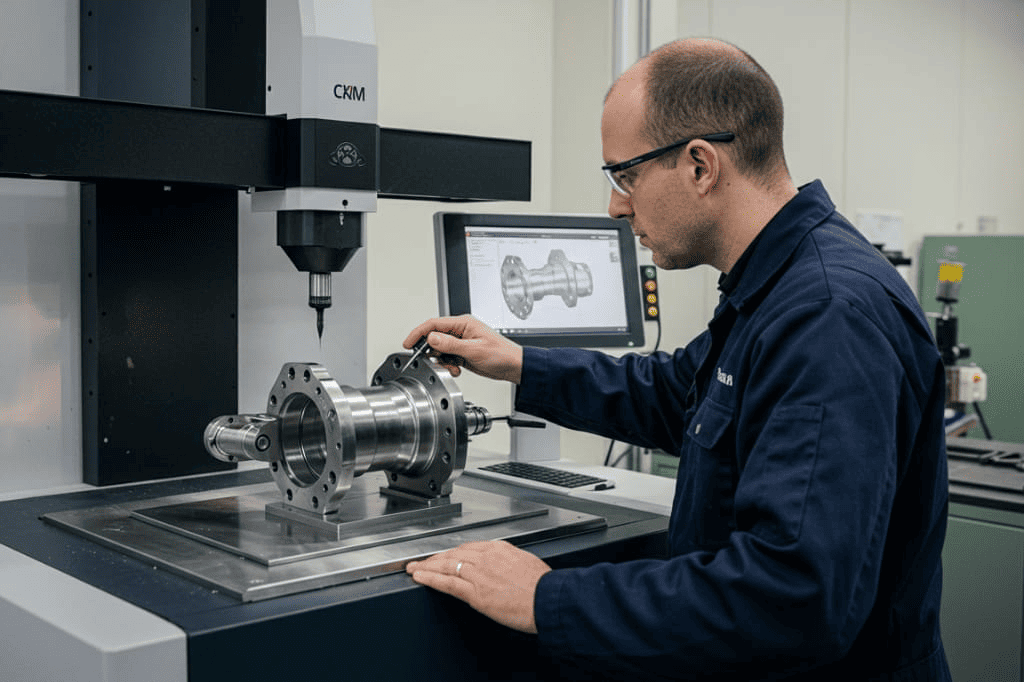
CNC-machined parts used in marine applications must therefore be carefully engineered from the material stage itself. The choice of metal and surface treatment plays a direct role in durability, safety, and long-term performance. Without the right protection, small components can fail early and lead to costly repairs or structural issues.
Why Corrosion Is a Major Challenge in Marine CNC Parts
Marine environments are uniquely harsh for metals. Saltwater, constant moisture, temperature swings, and sunlight all work together to accelerate corrosion. For CNC-machined parts on yachts, even minor material degradation can compromise both appearance and structural safety.
Several factors make corrosion particularly challenging:
- Saltwater exposure: Sodium chloride in seawater aggressively attacks metals, causing pitting and surface weakening over time. For example, stainless steel fasteners may appear strong initially but develop rust when in contact with dissimilar metals.
- Electrochemical reactions: When different metals are in contact, galvanic corrosion can occur. An aluminum deck fitting touching a stainless steel bolt can corrode faster than either metal alone.
- Environmental stresses: Constant moisture, UV radiation, and temperature fluctuations create conditions that accelerate wear and surface fatigue.
- Maintenance and cost implications: Corrosion increases the frequency of inspections, repairs, and part replacements. This can lead to higher long-term costs and risks if structural components fail unexpectedly.
Understanding these challenges is essential before selecting materials and treatments for marine CNC parts. Proper choices can significantly extend the service life of components and improve the overall reliability of a yacht.
Key Requirements for Maritime CNC Components
CNC parts used on yachts are not just about precision manufacturing. They must also meet strict performance expectations because failure in a marine setting can quickly become expensive and risky. Every component needs to balance durability, compatibility, and long-term resistance to harsh conditions.
When designing or selecting these parts, a few core requirements consistently guide material and engineering decisions:
- Strong resistance to corrosion over time
Marine components are constantly exposed to salt spray and humidity. Materials must resist surface degradation even after long exposure. For example, deck hardware that remains exposed throughout the sailing season should not develop pitting or discoloration after repeated contact with seawater.
- Mechanical strength under load and vibration
Yacht structures experience continuous movement from waves and engine vibration. CNC parts such as brackets and fittings must maintain structural integrity under these forces. A weak joint in a railing system, for instance, can gradually loosen if the material lacks fatigue resistance.
- Low maintenance requirements in real conditions
Onboard maintenance opportunities are limited, so parts should remain stable without frequent intervention. Components like hatch hinges or fasteners are expected to perform reliably with minimal servicing, even in long offshore trips.
- Material compatibility across assemblies
Different metals used together can trigger galvanic corrosion if not properly selected. For example, combining aluminum frames with stainless steel fasteners requires careful isolation to prevent accelerated wear at contact points.
These requirements work together to ensure CNC-machined marine parts perform consistently in demanding environments. Even small design decisions at this stage can significantly influence lifespan and maintenance effort later on.
Common Corrosion-Resistant Materials Used in Yacht CNC Parts
Selecting the right material is the first step in protecting CNC parts from the harsh marine environment. The choice depends on factors such as corrosion resistance, strength, weight, and cost. Several metals and alloys are commonly used in yachts due to their proven performance in saltwater conditions.
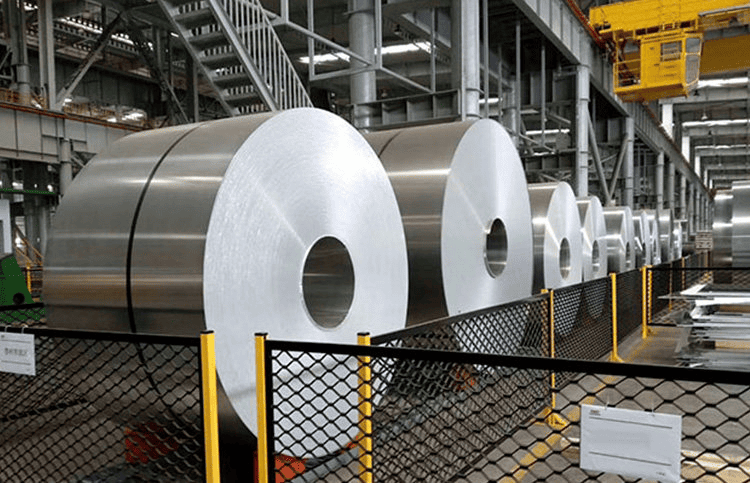
Stainless Steel (316 and 316L)
Stainless steel is one of the most widely used materials for marine CNC parts. Its chromium and molybdenum content give it excellent resistance to rust and pitting.
- Applications: Fasteners, rails, brackets, and deck hardware
- Benefits: High strength and durability, reliable corrosion resistance in saltwater
- Example: 316 stainless steel bolts are often used in deck fittings where both load-bearing capacity and resistance to corrosion are required
Marine-Grade Aluminum (5083, 6061)
Aluminum is lightweight and versatile, making it ideal for structural and decorative components. Marine-grade alloys resist corrosion better when treated with anodizing or protective coatings.
- Applications: Frames, panels, and decorative trim
- Benefits: Lightweight, good corrosion resistance after surface treatment, easy to machine
- Example: CNC-machined aluminum panels on yacht interiors provide a balance of aesthetics and durability
Titanium
Titanium is used when both strength and superior corrosion resistance are critical. Its high cost limits its use to essential components.
- Applications: Propeller shafts, high-performance fasteners, and structural supports
- Benefits: Extremely high corrosion resistance, low weight, excellent strength-to-weight ratio
- Example: Titanium fasteners are used in high-stress areas where failure is not an option
Brass and Bronze
Brass and bronze offer good natural resistance to seawater and are traditionally used for marine fittings.
- Applications: Valves, pump components, propellers, and decorative fixtures
- Benefits: Reliable corrosion resistance, easy to cast and machine, visually appealing finish
- Example: Bronze propellers and CNC-machined pump parts remain durable in continuous contact with water
Choosing the right material at the design stage ensures long-term performance and reduces the risk of corrosion-related failures in marine applications. Each material has specific strengths that make it suitable for different parts of a yacht, balancing cost, weight, and durability.
Material Comparison
When choosing materials for marine CNC parts, it helps to compare their performance side by side. Each material behaves differently in saltwater, so understanding these differences makes selection more practical and application-focused.
Below is a simple comparison of commonly used materials in yacht CNC components:
| Material | Corrosion Resistance | Strength | Weight | Cost | Typical Use |
| Stainless Steel 316 | High | High | Medium | Medium | Fasteners, rails |
| Aluminum 5083 / 6061 | Medium to High (with treatment) | Medium | Low | Low to Medium | Panels, frames |
| Titanium | Very High | Very High | Low | High | Critical components |
| Bronze / Brass | High | Medium | Medium | Medium | Valves, propellers |
Each material brings a different balance of properties, which is why selection depends heavily on where the part will be used on the yacht. For example, lightweight aluminum is often preferred for interior structures, while stainless steel is more common in load-bearing deck fittings. Titanium, although expensive, is chosen for critical parts where failure is not acceptable, such as high-stress fasteners or propulsion-related components.
Surface Treatments to Improve Corrosion Resistance
Even when corrosion-resistant materials are used, surface treatments play an important role in extending the life of CNC-machined parts. In marine environments, coatings and finishing processes act as a protective barrier between metal surfaces and saltwater exposure. This extra layer often determines how well a component performs over the years of service on a yacht.
Several surface treatments are commonly applied in marine CNC manufacturing:
Anodizing for Aluminum
Anodizing strengthens the natural oxide layer on aluminum, making it more resistant to corrosion and wear. It also improves surface hardness and appearance.
- Applications: Interior panels, exterior trims, and structural aluminum parts
- Benefits: Improved corrosion resistance, better surface durability, decorative finish options
- Example: Anodized aluminum handrails on yachts maintain their finish even after prolonged exposure to sea air
Passivation for Stainless Steel
Passivation removes surface contaminants and enhances the natural corrosion resistance of stainless steel. It helps the metal form a more stable protective layer.
- Applications: Fasteners, fittings, and welded stainless steel assemblies
- Benefits: Cleaner surface, improved resistance to rust, longer service life
- Example: Passivated stainless steel bolts used in deck installations resist rust formation even in high-salinity environments
Powder Coating
Powder coating adds a durable protective layer that shields metal from moisture, UV exposure, and scratches. It also allows for color customization.
- Applications: Railings, brackets, and exposed structural parts
- Benefits: Strong surface protection, UV resistance, aesthetic flexibility
- Example: Powder-coated yacht railings maintain both appearance and protection in harsh sunlight and salt spray conditions
Electroplating
Electroplating applies a thin metal layer, such as nickel or chrome, to improve corrosion resistance and surface hardness.
- Applications: Decorative fittings, knobs, and exposed hardware
- Benefits: Enhanced wear resistance, improved appearance, added corrosion protection
- Example: Chrome-plated CNC-machined fittings are commonly used in visible yacht interiors for both protection and design consistency
These surface treatments are often used in combination with corrosion-resistant materials. Together, they significantly improve durability and reduce maintenance needs in demanding marine environments.
Advanced Protective Coatings for Harsh Marine Environments
In more demanding marine conditions, basic surface treatments are often not enough. Yacht components that remain constantly exposed to seawater or sit below the waterline require additional protection. Advanced coatings add a stronger barrier that helps prevent long-term damage and biological buildup.
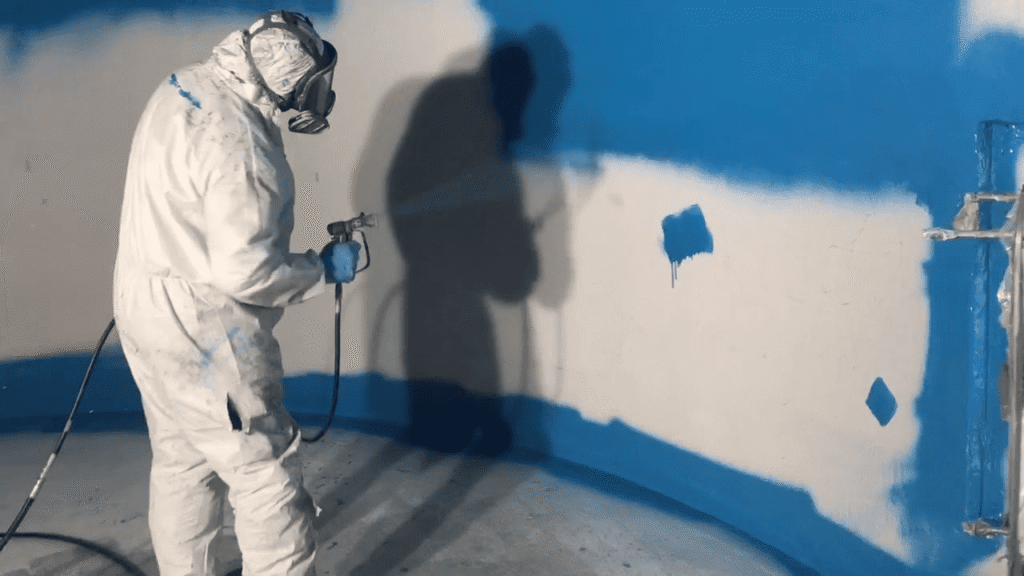
Different coating solutions are used depending on the environment and the role of the CNC part:
- Marine anti-corrosion coatings
These coatings are designed to block direct contact between metal surfaces and seawater. They are often applied to structural components and exposed fittings. For example, protective coatings on deck-mounted CNC brackets help reduce surface pitting after long sailing periods.
- Ceramic-based coatings
Ceramic coatings offer high hardness and strong resistance to both corrosion and abrasion. They are commonly used in parts exposed to constant friction or water flow. A typical use case is on propulsion-related housings where both durability and smooth surface performance matter.
- Anti-fouling coatings
These coatings are especially important for underwater parts. They prevent marine organisms such as algae and barnacles from attaching to surfaces. For instance, propeller housings and underwater CNC-machined fittings are often treated with anti-fouling layers to maintain efficiency and reduce drag.
These advanced coatings are often selected based on operating conditions rather than material alone. In many yacht applications, they act as the final layer of protection that ensures components remain stable and functional in extreme marine environments.
Design Considerations to Reduce Corrosion Risks
Material selection and coatings are only part of the solution. The actual design of CNC-machined parts plays a major role in how well they resist corrosion over time. Poor design choices can trap moisture, accelerate galvanic reactions, and shorten component life even when high-quality materials are used.
To reduce these risks, marine CNC designs often focus on a few practical principles:
- Preventing galvanic contact between dissimilar metals
When two different metals are in direct contact, corrosion can speed up at the connection point. Designers often isolate materials using nylon washers, gaskets, or insulating layers. For example, aluminum panels are frequently separated from stainless steel fasteners using plastic spacers to slow down corrosion at the joint.
- Improving drainage and moisture control
Standing water is one of the main causes of long-term corrosion damage. CNC parts are often designed with drainage paths or slight slopes so water does not accumulate. A common example is deck fittings that are shaped to allow seawater to flow away instead of collecting around bolt holes.
- Using smooth surface finishes
Rough surfaces tend to trap salt, dirt, and moisture, which accelerates corrosion. CNC machining allows for smoother finishes that reduce buildup. For instance, polished marine brackets are easier to clean and maintain compared to rough cast surfaces.
- Applying seals and protective barriers at joints
Seals help block direct exposure to seawater in sensitive areas. Silicone gaskets or marine-grade sealants are often used around fasteners and joints. A typical case is hatch assemblies where sealed edges prevent water from entering internal structures.
Good design practices work together with material and coating choices. When all three are aligned, CNC parts can perform reliably for long periods even in constant marine exposure.
Maintenance Practices for Long-Term Performance
Even the best materials and coatings need proper care to perform well in marine environments. Regular maintenance helps slow down corrosion, preserve surface quality, and extend the lifespan of CNC-machined yacht components. Without consistent upkeep, even high-grade parts can degrade faster than expected.
In practice, maintenance for marine CNC parts usually focuses on a few key routines:
- Routine cleaning to remove salt buildup
Salt deposits are one of the main drivers of surface corrosion. Freshwater washing after exposure to seawater helps prevent buildup. For example, deck fittings and railings are often rinsed after each trip to reduce salt crystallization on the surface.
- Regular inspection for early surface changes
Small signs of corrosion can develop before visible damage appears. Checking fasteners, joints, and exposed parts helps catch issues early. A common case is spotting slight discoloration on stainless steel bolts before rust spreads further.
- Reapplication of protective coatings when needed
Coatings gradually wear down over time, especially in high-exposure areas. Recoating ensures continued protection against moisture and UV exposure. For instance, powder-coated railings may require periodic touch-ups after long seasonal use.
- Proper storage during downtime
When yachts are not in use, components still benefit from controlled storage conditions. Covering exposed parts or keeping vessels in dry dock reduces continuous exposure to moisture. This helps prevent slow corrosion during off-season periods.
Consistent maintenance does not eliminate corrosion completely, but it significantly slows its progression. When combined with good design and material selection, it ensures CNC parts remain reliable over many years of marine service.
Maintenance Practices for Long-Term Performance
Even with strong materials, protective coatings, and careful design, marine CNC parts still need consistent maintenance. The yacht environment is always active, and small amounts of salt, moisture, and debris gradually affect surfaces over time. Regular care helps slow down wear and keeps components functioning as intended.
In real-world use, maintenance usually follows a few simple but important habits:
- Freshwater rinsing after exposure to seawater
Salt is one of the fastest drivers of corrosion. Rinsing parts like railings, fasteners, and deck fittings with fresh water helps remove salt deposits before they start reacting with the metal. For example, yachts that are cleaned after every trip often show fewer surface stains on stainless steel hardware.
- Routine visual inspection of exposed components
Early signs of corrosion are often subtle, such as slight discoloration or dull patches. Checking high-stress areas like joints, bolts, and brackets allows issues to be addressed early. A small stain on a deck fitting, if ignored, can slowly spread into deeper surface damage.
- Timely reapplication of protective layers
Coatings and finishes naturally wear down, especially in high-contact areas. Reapplying protective layers helps restore resistance against moisture and UV exposure. For instance, powder-coated metal surfaces may need touch-ups after extended seasonal use.
- Proper protection during storage periods
When yachts are not in use, exposure to humidity can still affect metal parts. Covering exposed hardware or keeping vessels in controlled dry storage reduces slow corrosion. This is especially important for yachts stored during long off-seasons.
Consistent maintenance does not prevent corrosion entirely, but it significantly slows its progression. When combined with the right materials and design choices, it ensures CNC-machined parts remain reliable and visually intact for years in marine environments.
Conclusion
CNC-machined components used in yachts must be built with long-term exposure in mind. The marine environment is constantly aggressive, and without the right material selection and protection strategies, even high-quality parts can degrade faster than expected.
A reliable outcome comes from combining corrosion-resistant materials, effective surface treatments, and practical design choices. When these three areas work together, CNC parts are better able to withstand saltwater, moisture, and continuous environmental stress. For example, a well-treated aluminum or stainless steel component can maintain both function and appearance far longer than an untreated part in the same conditions.
In marine applications, durability is not achieved through a single decision. It is the result of careful engineering choices made at every stage, from material selection to finishing and maintenance.