
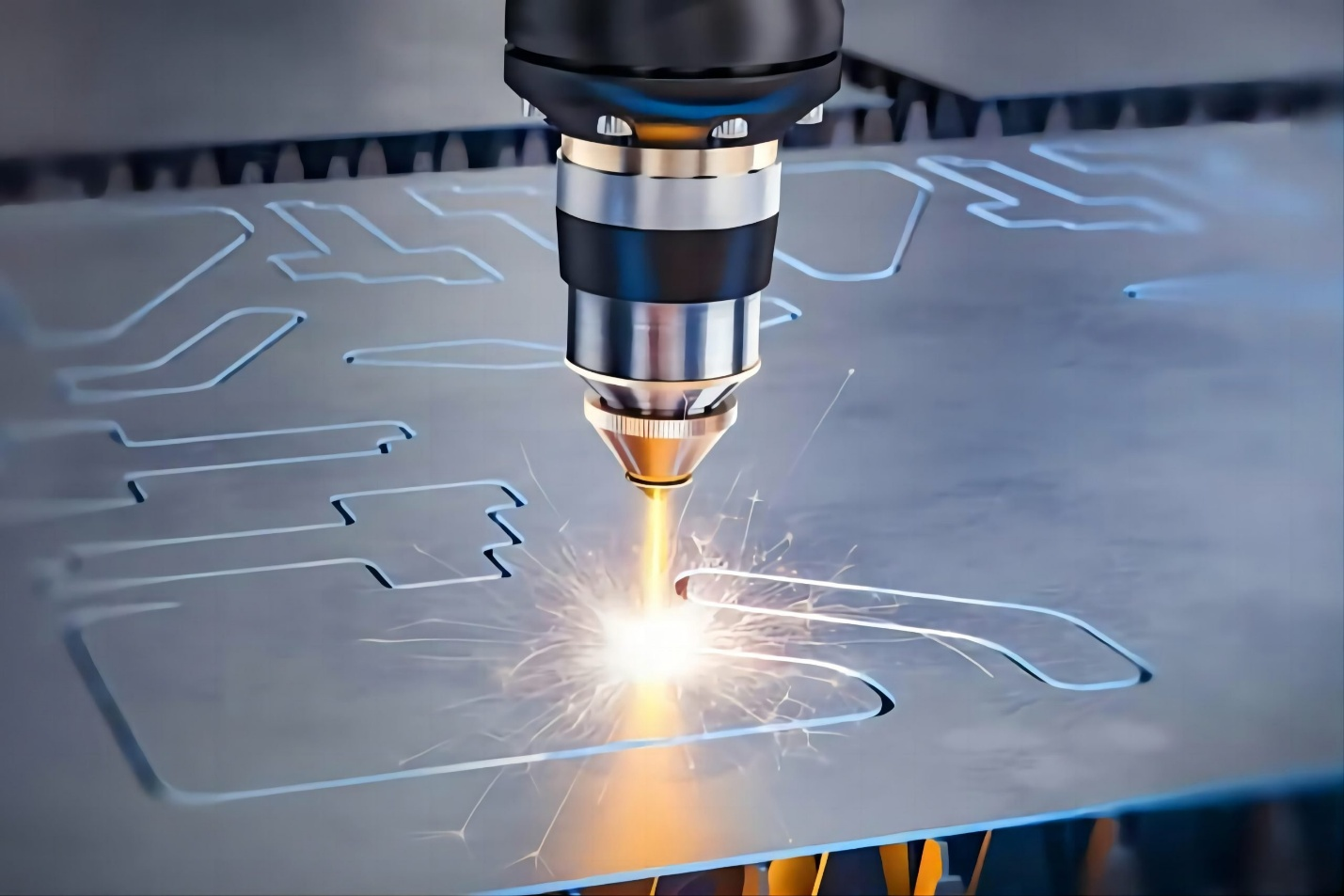
Laser-based marking has become a standard process across manufacturing, design, and customization work. From industrial part identification to creative product finishes, lasers offer precision, consistency, and speed that traditional marking methods cannot match. However, the terms laser etching and laser engraving are often used interchangeably, even though they describe two different processes with distinct outcomes.
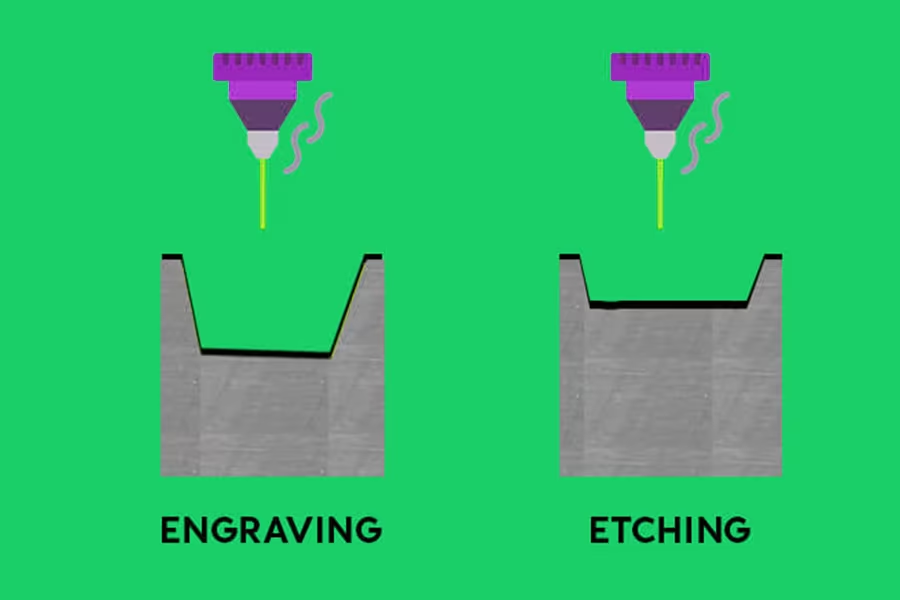
Laser engraving and laser etching
This article aims to clarify the difference between laser etching and laser engraving in practical terms. It focuses on how each method works, how deeply it affects the material, how durable the results are, and where each technique is best applied.
What Is Laser Etching?
Laser etching is a marking process that changes the surface of a material using concentrated heat. Rather than cutting into the material, the laser rapidly heats the top layer, causing a visible reaction. This reaction may discolor the surface, slightly melt it, or create a raised texture depending on the material. Because the change happens at the surface level, laser etching is fast and well-suited for high-volume marking where deep material removal is not required.
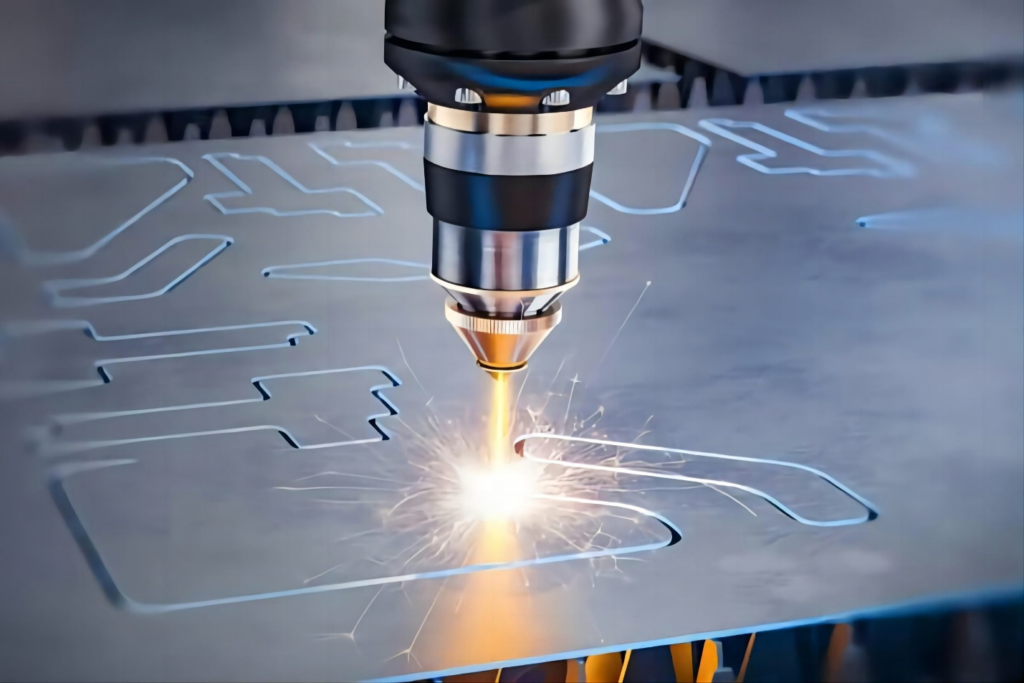
In industrial settings, laser etching is often used for part identification, logos, barcodes, and compliance markings. In creative work, it is commonly seen on coated metals, anodized aluminum, and plastics, where clean contrast is more important than depth.
How Laser Etching Works
Laser etching relies on thermal energy rather than cutting force. The laser beam is focused onto the surface and moved according to a digital design. The heat alters the surface chemistry or structure, which creates contrast that is easy to see and read.
The process typically follows this pattern:
- A laser beam heats the surface rapidly, but for a very short duration
- The material reacts through oxidation, color change, or slight expansion
- The result is a visible mark without significant material removal
For example, when etching stainless steel, the laser can create dark, high-contrast markings through controlled oxidation. On plastics, the heat may foam the surface slightly, producing a light-colored mark against a darker base.
Surface-Level Material Reaction
Laser etching affects only the top layer of a material. The heat causes localized expansion or chemical change rather than cutting away material. This is why etched markings often appear slightly raised or textured instead of recessed.
Because the process is heat-based:
- The surrounding material remains structurally intact
- There is minimal stress on thin or delicate parts
- The marking process is typically faster than engraving
This surface reaction makes etching ideal for applications where structural integrity must remain unchanged, such as electronic components or thin metal housings.
Typical Depth and Texture
Laser etching produces very shallow marks, often measured in microns rather than millimeters. The depth is usually just enough to create contrast and tactile variation without compromising the material.
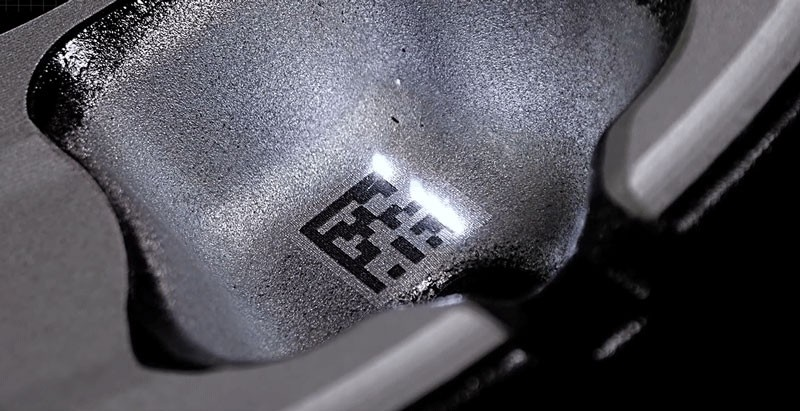
The texture depends on both the material and the laser settings:
- Metals often show a smooth or slightly matte finish
- Plastics may develop a foamed or grainy texture
- Coated surfaces reveal the underlying layer through controlled heat exposure
These characteristics make etched markings easy to scan, visually clean, and consistent across large batches.
Common Materials Used
Laser etching performs best on materials that respond visibly to heat without requiring deep cuts. In practice, it is widely used on:
- Metals such as stainless steel, aluminum, and titanium
- Anodized or powder-coated surfaces
- Plastics used in industrial and consumer products
For instance, serial numbers on aluminum enclosures are often etched rather than engraved to maintain a smooth finish while ensuring readability.
Visual and Durability Characteristics
Etched markings are clear and precise, but are not designed for extreme wear conditions. Since the mark sits at or near the surface, aggressive abrasion or repeated friction can reduce visibility over time.
That said, laser etching offers strong durability for many real-world uses:
- Industrial labels exposed to moderate handling
- Logos and branding on consumer goods
- Barcodes and QR codes that need consistent contrast
When used in appropriate environments, etched markings remain legible for years while keeping production time and cost under control.
What Is Laser Engraving?
Laser engraving is a process that permanently removes material to create recessed markings. Unlike etching, which alters the surface through heat, engraving uses the laser’s energy to cut into the material itself. The result is a mark with measurable depth that can be felt as well as seen. This makes laser engraving a preferred option when durability and long-term readability are critical.
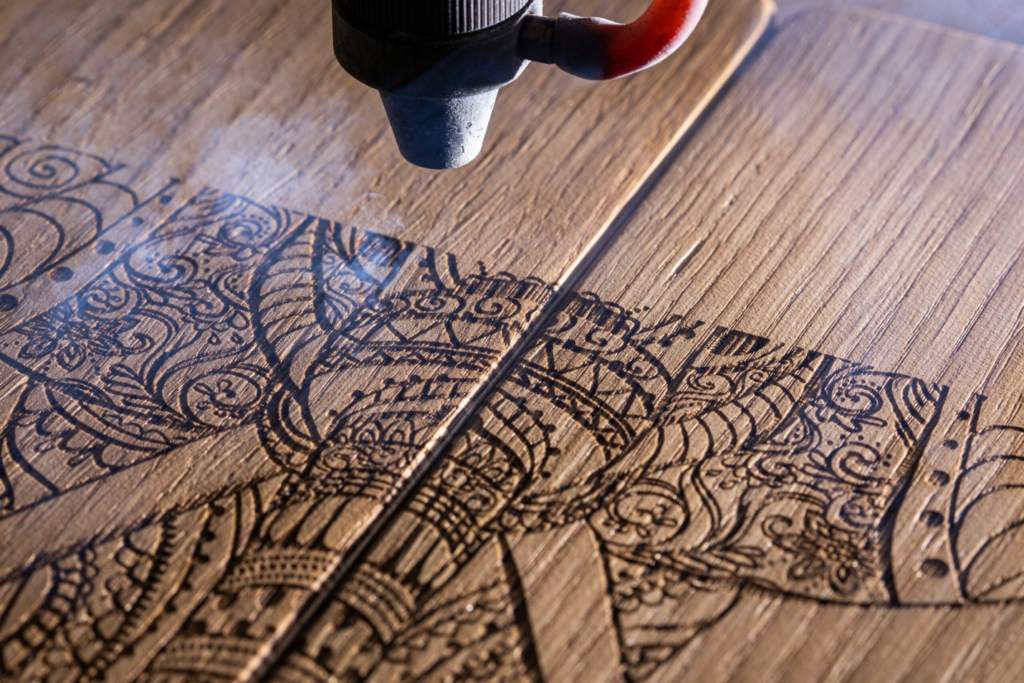
Engraving is commonly used in industrial components, tools, and nameplates where markings must survive friction, weather exposure, or repeated handling. It is also widely adopted in creative and decorative work, especially when texture and depth are part of the design value.
How Laser Engraving Works
Laser engraving relies on high-powered laser pulses that vaporize or burn away material. The laser follows a programmed path, removing layers of material until the desired depth is achieved.
The process typically involves:
- Concentrated laser energy focused on a precise point
- Controlled passes that remove material layer by layer
- A recessed cavity that matches the design geometry
For example, engraving a serial number on a steel machine part involves cutting the characters deep enough that they remain readable even after years of wear or repainting.
Deeper Cuts into the Material
One defining feature of laser engraving is depth control. Operators can adjust laser power, speed, and number of passes to achieve shallow marks or deep recesses, depending on functional needs.
This depth offers practical advantages:
- Markings remain intact even after surface abrasion
- Paint, coatings, or dirt do not obscure the engraved area
- The mark remains legible even if the surface finish changes
This is why engraved markings are common on tools, molds, and industrial assets that undergo frequent use.
Texture, Depth, and Permanence
Engraved surfaces have a distinct tactile quality. The removed material creates grooves, channels, or cavities that add both visual and physical depth.
Depending on the material:
- Metals produce clean, sharp edges with a matte interior
- Wood develops a burned, textured look that adds contrast
- Glass forms frosted recesses that scatter light
These characteristics make engraving especially attractive for decorative items such as plaques, awards, and custom signage, where depth enhances perceived quality.
Suitable Materials for Engraving
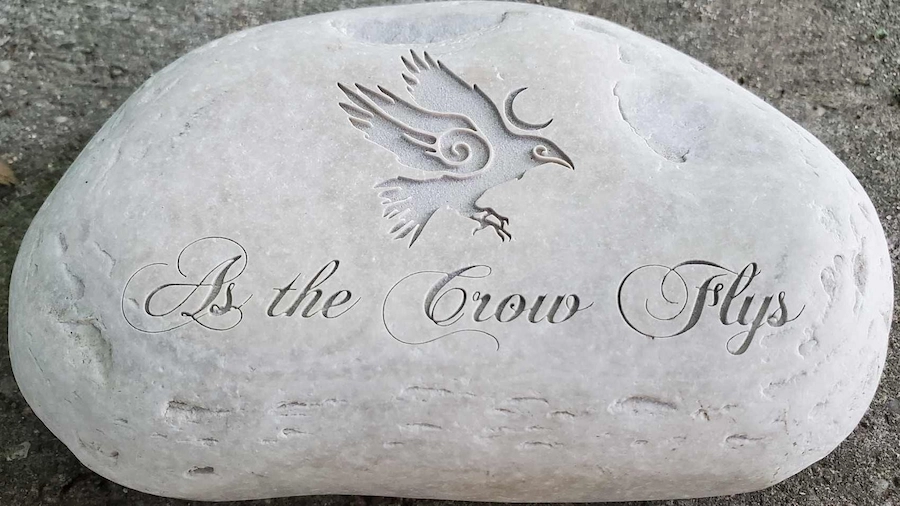
Laser engraving performs best on materials that can withstand focused heat without warping or melting excessively. In practice, it is commonly used on:
- Metals such as steel, brass, aluminum, and titanium
- Wood products ranging from hardwoods to plywood
- Glass, stone, and ceramics for architectural or artistic use
For instance, engraved brass nameplates are widely used in industrial control panels because they remain legible in harsh environments.
Long-Term Wear Resistance
Engraved markings offer excellent resistance to wear because the information is physically cut into the material. Even if the surface becomes scratched or exposed to chemicals, the recessed mark remains protected.
This level of durability makes engraving suitable for:
- Outdoor equipment exposed to the weather
- Safety labels that must remain readable over time
- Identification markings required by regulatory standards
In applications where failure to read a label could lead to safety or compliance issues, engraving is often the only acceptable choice.
Key Technical Differences Between Etching and Engraving
While laser etching and laser engraving may look similar at a glance, their technical differences are significant. These differences affect how long a mark lasts, how it behaves under stress, and how suitable it is for specific environments. Understanding these distinctions helps avoid costly mistakes, especially in industrial production or regulated applications.
At a technical level, the contrast comes down to how the laser interacts with the material. Etching alters the surface through heat, while engraving physically removes material. That single difference influences depth, speed, durability, and overall performance.
Depth of Marking
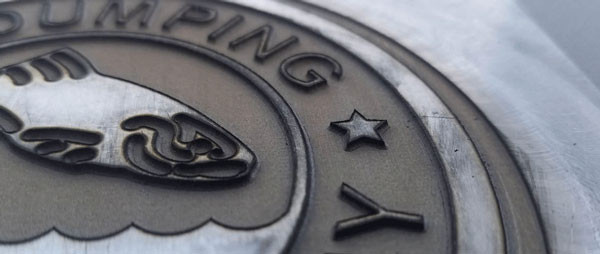
Depth is one of the most noticeable differences between the two processes.
- Laser etching produces very shallow marks that sit at or just below the surface
- Laser engraving creates recessed marks with measurable depth
For example, an etched QR code on anodized aluminum works well for packaging or inventory tracking, but an engraved serial number on a steel component remains readable even after years of abrasion.
Material Removal vs Surface Alteration
The way each method changes the material defines its behavior over time.
- Etching relies on heat to change color, texture, or surface chemistry
- Engraving removes material by vaporizing or burning it away
Because engraving removes material, it permanently alters the part. Etching leaves the base structure intact, which can be beneficial when dimensional accuracy matters.
Time and Power Requirements
Production speed and energy usage often influence process selection.
- Etching typically uses lower power and higher speed
- Engraving requires more power and slower passes to achieve depth
In high-volume manufacturing, etching is often chosen for part numbers or logos because it reduces cycle time. Engraving is slower but justified when permanence is required.
Precision and Detail Capability
Both methods are precise, but they excel in different ways.
- Etching works well for fine lines, small text, and dense data such as barcodes
- Engraving supports bold lettering and designs where depth enhances clarity
For instance, microtext on electronic components is often etched, while large identification plates favor engraving for readability at a distance.
Durability and Lifespan of Markings
Durability becomes critical in harsh environments.
- Etched marks perform well under light to moderate handling
- Engraved marks withstand abrasion, chemicals, weather, and repainting
This is why aerospace, automotive, and heavy equipment industries often specify engraving for safety and compliance markings.
Side-by-Side Technical Comparison
| Feature | Laser Etching | Laser Engraving |
| Marking depth | Very shallow | Deep and recessed |
| Material interaction | Surface alteration | Material removal |
| Processing speed | Faster | Slower |
| Power requirement | Lower | Higher |
| Wear resistance | Moderate | High |
| Best use cases | Identification, branding, traceability | Permanent labeling, harsh environments |
This comparison highlights that neither method replaces the other. Each serves a specific purpose depending on performance expectations and operating conditions.
Material Compatibility and Performance
Material choice plays a decisive role in whether laser etching or laser engraving delivers reliable results. Each material responds differently to heat and material removal, which directly affects mark clarity, consistency, and long-term performance. Selecting the wrong method for a given material can lead to poor contrast, deformation, or reduced durability.
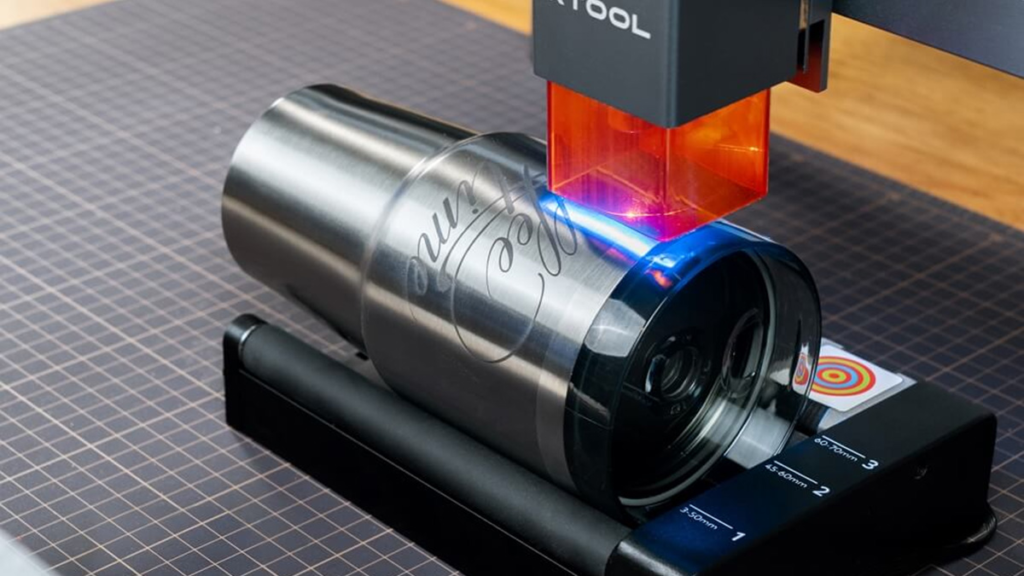
Laser Engraving Machine For Stainless Steel Bottles Cups
In practice, experienced manufacturers often decide on the marking method only after testing how a specific material behaves under laser exposure. The sections below explain how etching and engraving perform across commonly used materials.
Metals
Metals are widely compatible with both etching and engraving, but the performance outcome differs.
- Laser etching on metals produces high-contrast marks through oxidation or surface discoloration
- Laser engraving cuts into the metal, creating recessed characters that resist wear
For stainless steel parts used in food processing equipment, etching is often chosen for clean, corrosion-resistant labeling. In contrast, engraved markings are preferred on heavy machinery components that face constant abrasion.
Plastics
Plastics respond quickly to laser heat, which makes process control essential.
- Etching works well on many plastics by creating color contrast or surface foaming
- Engraving can melt or deform softer plastics if power settings are not carefully managed
Consumer electronics housings frequently use laser etching for logos and regulatory symbols because it maintains surface smoothness. Engraving is typically reserved for harder plastics where depth is required, and heat distortion can be controlled.
Wood
Wood behaves differently from metals and plastics due to its organic structure.
- Laser engraving removes material and produces a burned, textured appearance
- Laser etching is less common on wood because surface-only marking offers limited contrast
Decorative signage, furniture branding, and custom gifts often rely on engraving because depth enhances visual appeal and gives a handcrafted feel. Fine detailing is possible, but wood density and grain direction must be considered to maintain consistency.
Glass and Coated Surfaces
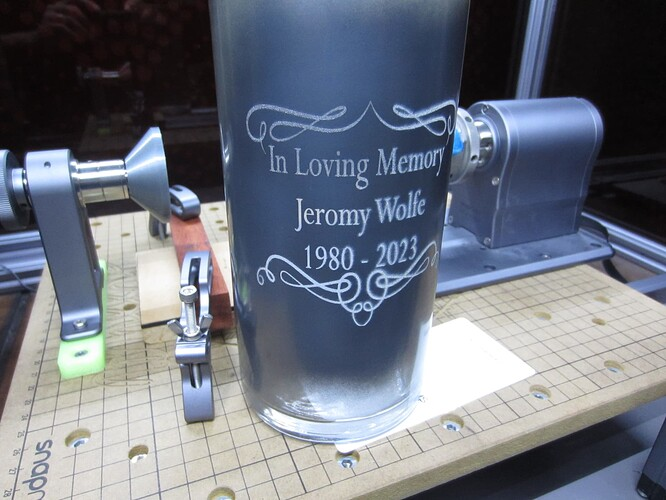
Etching Glass with 10 Watt Laser
Glass and coated materials require careful handling due to their sensitivity to heat.
- Etching on coated surfaces exposes the base layer without penetrating the substrate
- Engraving on glass creates frosted, recessed markings through controlled micro-fracturing
For example, anodized aluminum panels are frequently etched to reveal clean logos without damaging the base metal. Glass awards and architectural panels often use engraving to achieve a permanent, tactile finish.
Heat Sensitivity and Deformation Risks
Heat management is a critical factor across all materials.
- Etching uses lower energy and reduces the risk of warping thin or delicate parts
- Engraving concentrates energy over longer durations, increasing thermal stress
Thin plastics, laminated materials, and coated surfaces usually perform better with etching. Thicker, more heat-resistant materials can tolerate engraving without compromising structural integrity.
Understanding these material-specific behaviors helps ensure that the chosen marking method delivers consistent quality while minimizing defects and rework.
Use Cases and Industry Applications
The practical choice between laser etching and laser engraving is often driven by how and where the marked part will be used. While both methods deliver precision, their performance diverges once factors such as wear, compliance, aesthetics, and production scale are considered. In many industries, the decision is less about preference and more about meeting functional requirements.
Real-world applications highlight why one method is selected over the other, even when the same material is involved.
Manufacturing and Industrial Labeling
Industrial environments place heavy demands on marking durability and consistency.
- Laser etching is commonly used for part numbers, batch codes, and internal tracking
- Laser engraving is chosen for asset tags, safety warnings, and permanent identification
For example, electronic components inside control panels are often etched because the markings are protected from abrasion. In contrast, engraved serial numbers on machine frames remain readable even after repainting or surface wear.
Branding and Product Customization
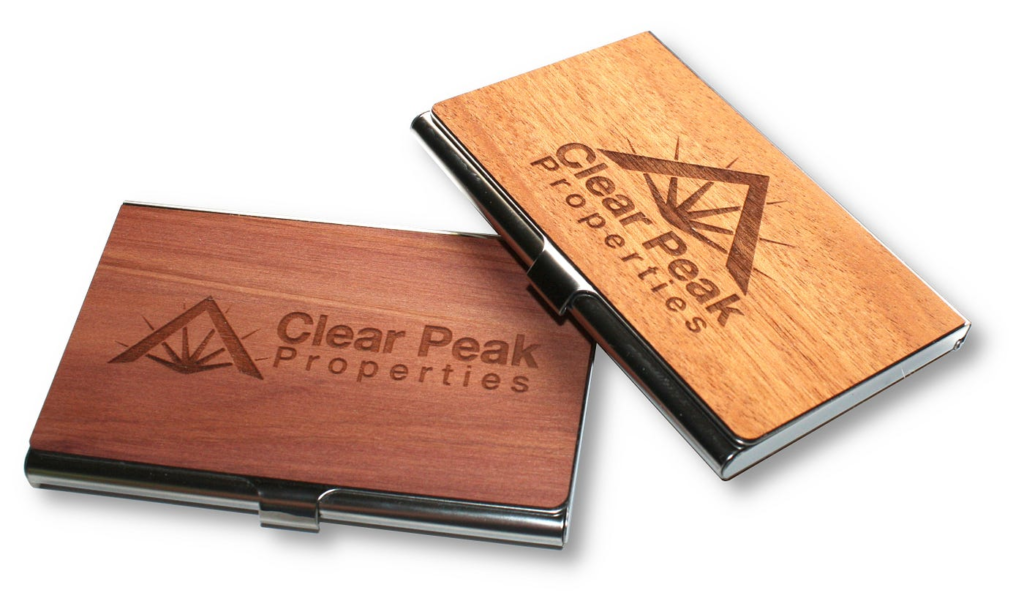
Laser Engraving Wooden Promotional Products
Brand visibility and surface finish matter in consumer-facing products.
- Etching supports clean logos and fine text without altering the product profile
- Engraving adds depth and texture that enhances perceived quality
Personalized drinkware often uses engraving to create a tactile, premium feel. Cosmetic packaging and promotional items frequently rely on etching to maintain smooth surfaces while achieving strong contrast.
Jewelry and Decorative Work
Creative industries often balance appearance with material value.
- Engraving is favored for precious metals, where depth signals craftsmanship
- Etching is used for subtle patterns, serial marks, or design accents
For instance, engraved rings and pendants retain their detail over decades of wear. Etched markings are sometimes used on plated or coated jewelry where deep cuts could compromise the finish.
Signage and Identification Plates
Legibility over time is critical for signs and plates.
- Etched signage works well indoors or in low-contact environments
- Engraved plates perform reliably outdoors and in high-traffic areas
Industrial nameplates, control panels, and outdoor signs often rely on engraving to ensure text remains visible despite weather exposure or routine cleaning.
When Etching Is Preferred and When Engraving Is Required
The final decision often comes down to usage conditions rather than appearance alone.
- Etching suits high-speed production, thin materials, and detailed graphics
- Engraving is necessary when markings must survive abrasion, chemicals, or long-term exposure
In regulated industries such as aerospace and automotive manufacturing, engraving is frequently specified to meet traceability and safety standards. In contrast, etching remains a cost-effective solution for branding and identification where extreme durability is not required.
These use cases show that both methods play essential roles across industries. The key is aligning the marking process with the functional demands of the final product.
Choosing the Right Method for Your Project
Choosing between laser etching and laser engraving depends on practical requirements rather than terminology. The right method aligns with how the marked item will be used, handled, and maintained over time.
Several factors usually guide the decision:
- Design intent: Etching suits clean, surface-level visuals, while engraving adds depth and permanence.
- Material behavior: Thin or heat-sensitive materials respond better to etching, whereas dense materials tolerate engraving well.
- Durability needs: Etching works for light to moderate use, but engraving is better for harsh environments.
- Production constraints: Etching offers faster cycle times and lower energy use, which benefits large-scale production.
- Compliance requirements: Engraving is often required where markings must remain legible for the lifetime of the product.
When these factors are evaluated together, the choice becomes clear and avoids unnecessary cost or performance trade-offs.
Conclusion
Laser etching and laser engraving serve different purposes, even though they are often grouped under the same category of laser marking. Etching modifies the surface to create fast, high-contrast marks that work well for identification, branding, and large-scale production. Engraving removes material to form deep, permanent markings that hold up under wear, exposure, and long-term use.
Neither method is universally better. The right choice depends on material type, durability requirements, and how the marked product will be used over time. When selected based on function rather than assumption, both laser etching and laser engraving deliver reliable, professional results.