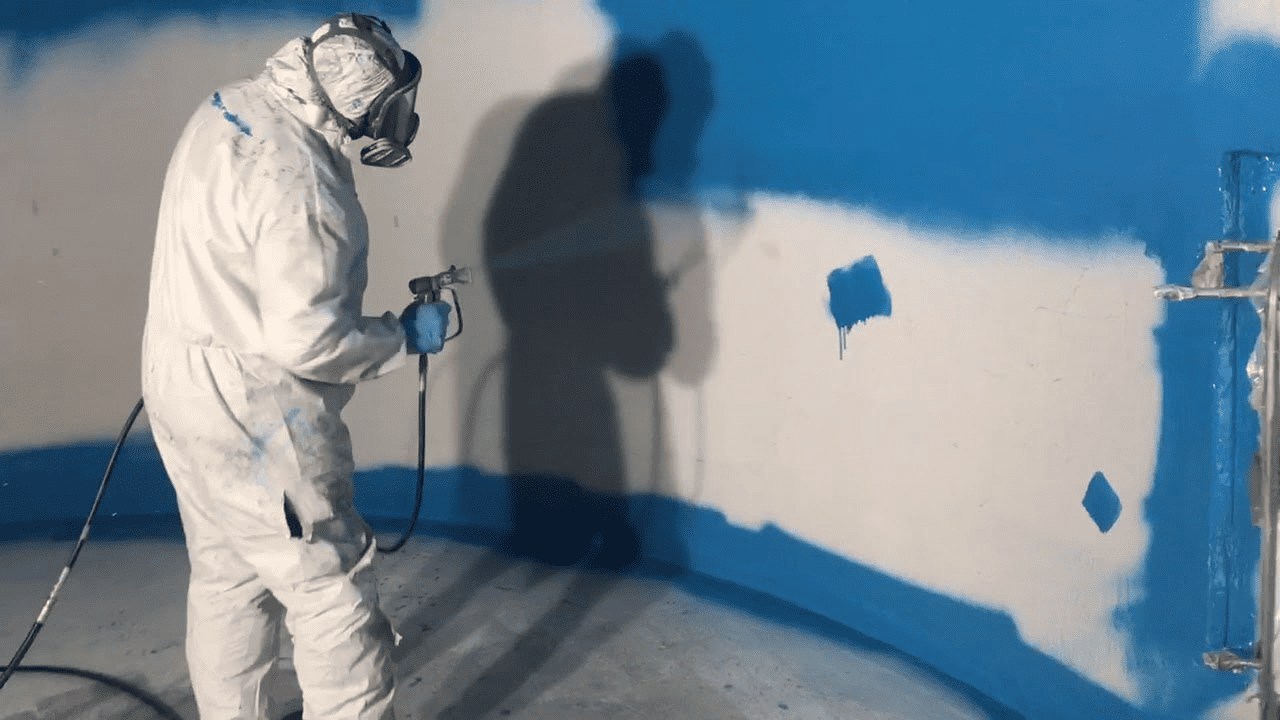

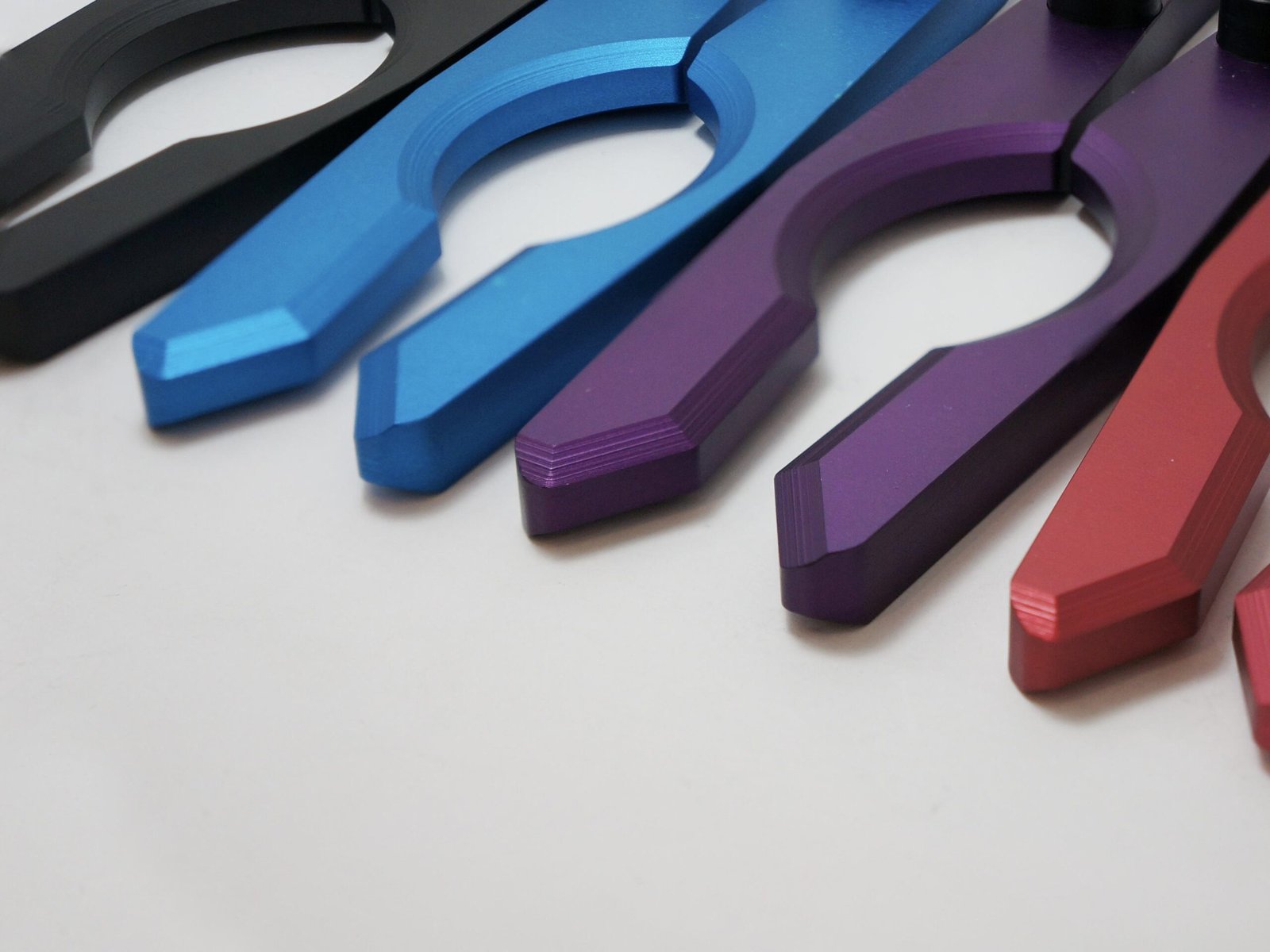
Poor surface treatments cause premature part failure, coating delamination, and inconsistent appearance. We've seen perfectly machined components rejected because of substandard finishing that compromised both function and aesthetics.
Optimal surface treatment results stem from proper material preparation, appropriate technique selection, and strict process control. By understanding material properties, maintaining consistent parameters, and implementing thorough quality inspections, manufacturers can achieve surface treatments that enhance both aesthetic appeal and functional performance.
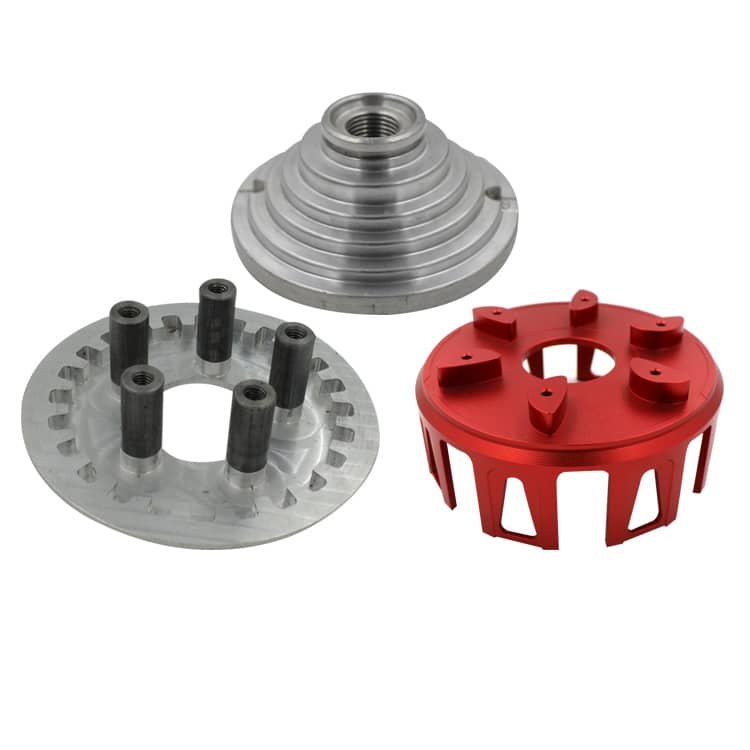
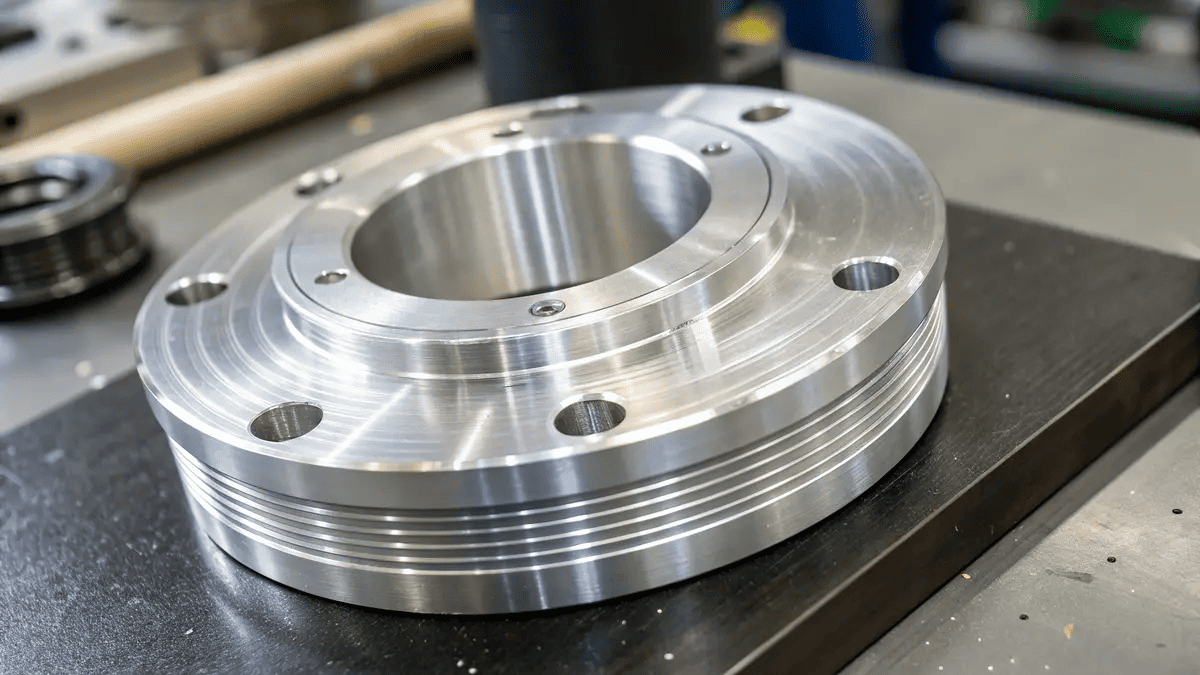
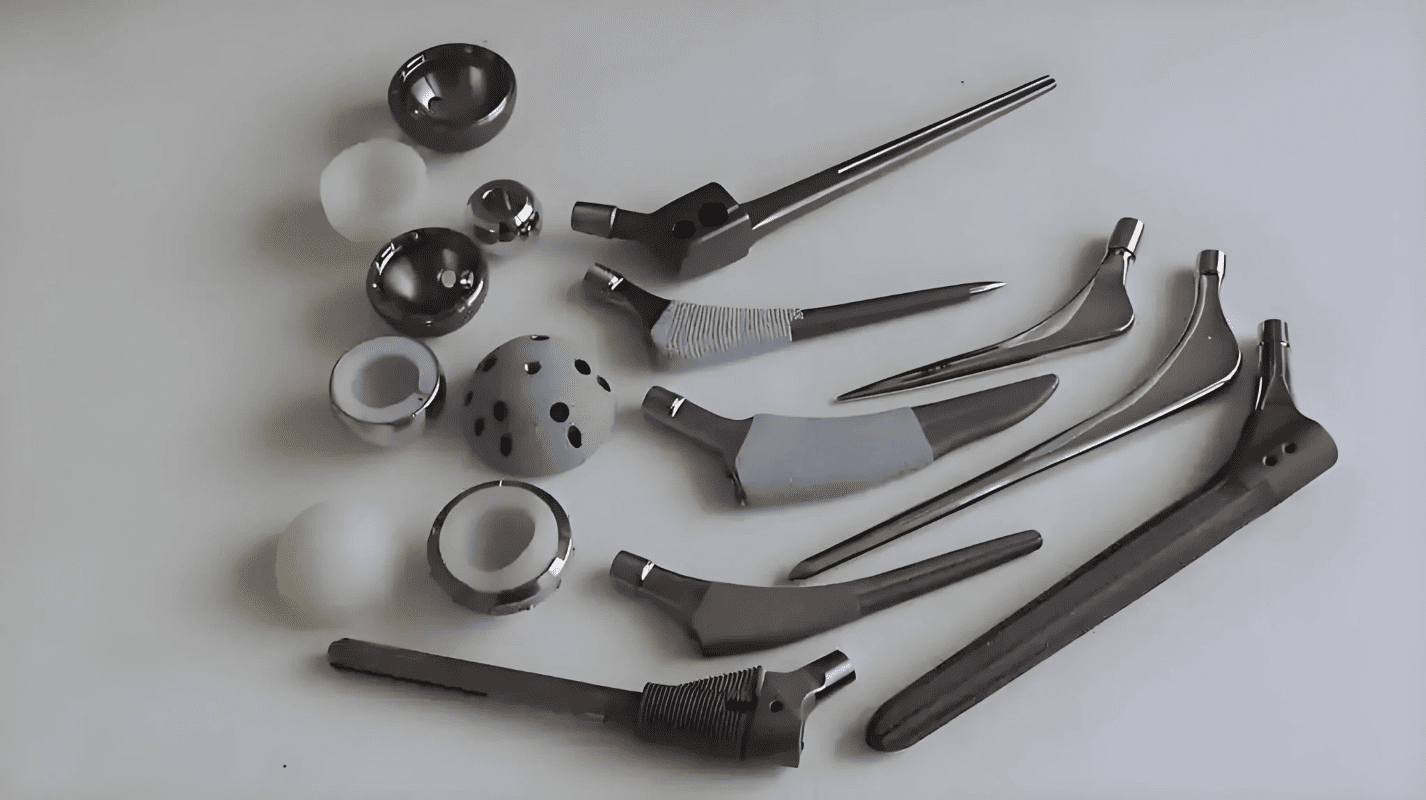
Various surface treatments on CNC-machined components
Surface treatments represent the final frontier in precision machining – where a component's performance characteristics are ultimately defined. In our factory, we've refined our approach to surface treatments over years of working with demanding industries like aerospace and medical device manufacturing. Let's explore the critical factors that contribute to achieving exceptional surface treatment results.
What Material Factors Affect Surface Treatment Quality in Precision Machining?
Material inconsistencies cause unpredictable plating adhesion, irregular anodizing colors, and uneven hardness profiles. I've witnessed aluminum parts from the same batch showing vastly different anodizing results due to minor alloy variations.
Material composition significantly influences surface treatment success. Factors like alloy purity, internal stress, hardness variations, and previous heat treatments all affect how materials respond to surface treatments. Materials with consistent microstructure typically yield more uniform and predictable surface treatment results.
Material selection stands as perhaps the most fundamental factor affecting surface treatment quality in precision machining. In our experience working with various materials across different industries, we've developed a deep understanding of how material properties interact with surface treatments.
The chemical composition of the base material creates the foundation for surface treatment success. Aluminum alloys, for instance, respond differently to anodizing based on their specific composition – 6061 produces more consistent colors than 7075 due to its more uniform distribution of alloying elements. Similarly, steel parts with varying carbon content can show dramatic differences in case hardening depth and hardness profiles.
Thermal history also plays a crucial role. Parts that have undergone previous heat treatments may have altered surface characteristics that affect adhesion properties. We've found that proper documentation of a material's thermal history is essential for predicting surface treatment outcomes.
Surface cleanliness represents another critical factor. Even microscopic contaminants like oils, oxides, or residual machining compounds can prevent proper adhesion or cause defects in the coating. In our facility, we've implemented rigorous cleaning protocols using ultrasonic cleaners and specialized detergents to ensure surfaces are properly prepared.
| Material Factor | Impact on Surface Treatment | Mitigation Strategy |
|---|---|---|
| Alloy Composition | Affects color consistency, hardness, adhesion | Specify tight material composition tolerances |
| Thermal History | Can create internal stresses, affect coating adhesion | Document and control heat treatment processes |
| Surface Contamination | Prevents uniform coating adhesion | Implement multi-stage cleaning protocols |
| Material Porosity | Causes uneven absorption of treatments | Select appropriate sealing methods |
How Does Part Geometry Impact Surface Treatment Consistency in CNC Components?
Complex geometries create recessed areas where solutions pool, edges where coatings thin, and sharp corners where treatments fail. We recently struggled with a hydraulic manifold design where internal passages received inconsistent electroplating.
Part geometry significantly affects surface treatment uniformity. Features like deep holes, internal corners, and varying cross-sections can create challenges for the even distribution of surface treatments. Simple design adjustments like adding flow holes, avoiding sharp transitions, and maintaining consistent wall thickness can dramatically improve treatment results.
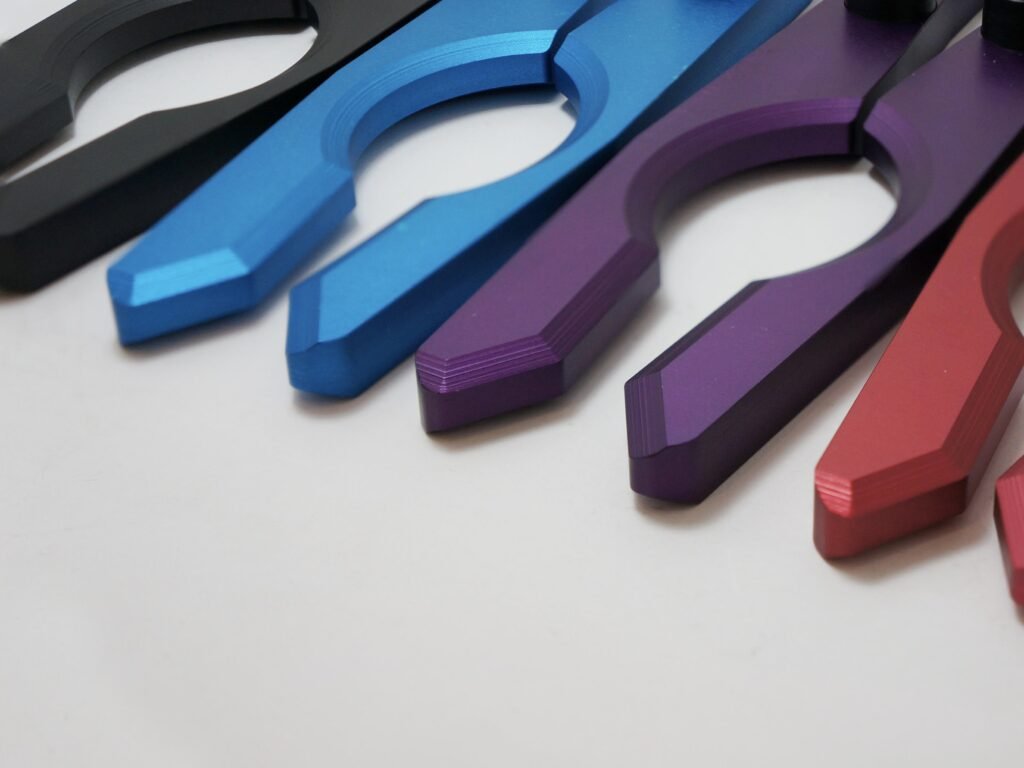
Complex CNC part geometry affecting surface treatment
Part geometry presents unique challenges when applying surface treatments to precision-machined components. Having processed thousands of complex parts, we've identified several geometric factors that consistently influence treatment uniformity.
Edge effects remain one of the most common issues we encounter. Sharp external edges tend to build up excessive coating material during electroplating processes, while internal corners often receive insufficient coverage. We recommend designing parts with slight edge breaks or radii whenever possible to promote more uniform coating distribution.
Deep recesses and blind holes pose particular difficulties for surface treatment penetration. Electrical field lines concentrate at opening edges during electroplating, resulting in thicker deposits at entrances while leaving inner surfaces with minimal coverage. Our solution involves using specialized conforming anodes or implementing pulse plating techniques to achieve more uniform deposition in these challenging areas.
Varying cross-sectional thicknesses within a single component create another common problem. During heat-based treatments like nitriding or carburizing, thinner sections heat and cool at different rates than thicker regions, potentially causing distortion or inconsistent case depths. We carefully analyze part geometry before treatment to develop custom fixturing and process parameters that account for these variations.
Surface area ratios between different part features also affect treatment uniformity. In electrochemical processes, high surface area features draw more current than low surface area sections, resulting in uneven deposition. Our engineers use computational modeling to predict these effects and adjust process parameters accordingly.
| Geometric Feature | Treatment Challenge | Design Recommendation |
|---|---|---|
| Sharp Edges | Coating buildup or thinning | Implement 0.2-0.5mm radii |
| Deep Blind Holes | Poor solution exchange | Add bleed holes when possible |
| Varying Wall Thickness | Uneven heat treatment | Design with consistent cross-sections |
| Complex Internal Features | Limited line-of-sight for some processes | Consider the treatment method during the design phase |
How Can CNC Machining Companies Ensure Surface Treatment Uniformity?
Inconsistent surface treatments lead to customer rejections, wasted materials, and production delays. We once had to scrap an entire batch of aerospace components because of spotty anodizing that failed inspection.
Ensuring surface treatment uniformity requires systematic process controls, including consistent part preparation, parameter monitoring, proper jigging and fixturing, and statistical process control. Regular testing, documentation of procedures, and operator training are also essential elements in maintaining consistent surface treatment results.
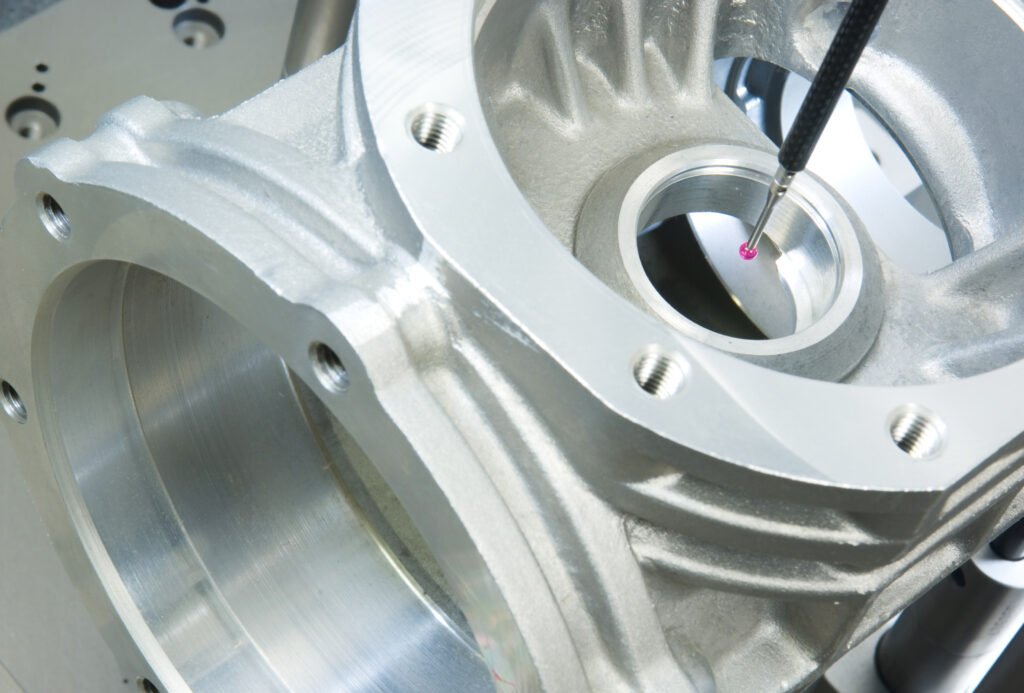
Quality inspection of surface-treated machined parts
Process control represents the cornerstone of surface treatment uniformity in our manufacturing operations. Through years of refining our protocols, we've established several critical approaches that consistently deliver superior results across diverse component types.
Pre-treatment preparation stands as perhaps the most underappreciated yet crucial step. We've implemented standardized cleaning procedures specific to each material type – aluminum parts undergo alkaline cleaning followed by acid etching, while steel components receive ultrasonic cleaning with specialized surfactants. This meticulous preparation eliminates microscopic contaminants that could interfere with treatment adhesion.
Bath chemistry control remains fundamental for consistent electroplating results. Our laboratory technicians monitor solution parameters, including pH, temperature, and metal concentration, daily, making adjustments to maintain optimal operating conditions. We've found that even minor deviations in bath chemistry can significantly impact coating appearance and performance.
Custom fixturing design represents another key element in our approach. Each part family receives dedicated fixtures that ensure consistent electrical contact points for plating processes or optimal orientation for spray applications. This attention to fixturing detail eliminates common issues like uneven current distribution or solution pooling.
Statistical process control (SPC) helps us identify trends before they become problems. By tracking key metrics like coating thickness, hardness, and adhesion strength, we can detect process drift early and make corrections before producing non-conforming parts. Our quality team regularly analyzes this data to drive continuous improvement initiatives.
| Process Control Element | Implementation Method | Quality Impact |
|---|---|---|
| Bath Chemistry Monitoring | Daily testing and recording | Ensures consistent deposit properties |
| Fixturing Design | Custom racks with consistent contact points | Eliminates uneven current distribution |
| Process Parameter Documentation | Detailed work instructions with acceptable ranges | Reduces operator variability |
| Statistical Sampling | Regular testing of coating properties | Identifies trends before failures occur |
What Are the Latest Surface Treatment Technologies for Precision-Machined Components?
Traditional surface treatments often use hazardous chemicals, produce inconsistent results, and waste energy. Many of our customers were frustrated by antiquated finishing processes until we introduced newer technologies.
Modern surface treatment technologies focus on environmental sustainability, process efficiency, and enhanced performance characteristics. Innovations include plasma electrolytic oxidation, physical vapor deposition (PVD), and advanced polymer coatings. These technologies offer improved wear resistance, corrosion protection, and aesthetic qualities with reduced environmental impact.
The surface treatment landscape has evolved dramatically in recent years, with several emerging technologies transforming how we approach finishing for precision-machined components. As a company committed to innovation, we've invested in several cutting-edge processes that deliver superior performance while meeting increasingly stringent environmental regulations.
Physical Vapor Deposition (PVD) coatings represent one of our most significant advancements. Unlike traditional wet chemical processes, PVD creates exceptionally thin (1-5 micron) coatings with remarkable hardness and wear resistance. We've successfully implemented PVD for critical components in high-wear applications, extending part life by up to 300% compared to conventional treatments. The process also eliminates the need for hazardous chemicals, aligning with our sustainability initiatives.
Plasma electrolytic oxidation (PEO) has revolutionized our approach to treating lightweight metals. This process creates ceramic-like oxide layers on aluminum and magnesium that far outperform traditional anodizing in terms of hardness and wear resistance. For our customers in the aerospace and automotive sectors, PEO-treated components have demonstrated exceptional performance in demanding environments while maintaining tight dimensional tolerances.
Advanced polymer-based coatings provide another innovation we've adopted. These specialized formulations offer excellent chemical resistance, low-friction properties, and can be applied in precisely controlled thicknesses. The ability to customize these coatings for specific performance requirements has opened new possibilities for components operating in extreme conditions.
Automated process control systems represent a technological leap in consistency and quality. Our newest treatment lines incorporate real-time monitoring of critical parameters, automated dosing systems for chemistry maintenance, and data logging capabilities that enable complete process traceability. This automation has not only improved quality but also reduced process variation by eliminating human factors.
| Technology | Key Benefits | Ideal Applications |
|---|---|---|
| PVD Coatings | Superior hardness, thin layers, environmentally friendly | Cutting tools, wear components, decorative finishes |
| Plasma Electrolytic Oxidation | Excellent wear resistance, corrosion protection | Lightweight metals in demanding environments |
| Advanced Polymer Coatings | Chemical resistance, customizable properties | Fluid handling components, chemical equipment |
| Automated Process Controls | Consistency, traceability, reduced variation | High-volume production, critical components |
Conclusion
Achieving optimal surface treatments requires understanding material properties, part geometry, implementing strict process controls, and embracing innovative technologies. By mastering these fundamentals, we deliver precision components with surface treatments that consistently meet the most demanding requirements.