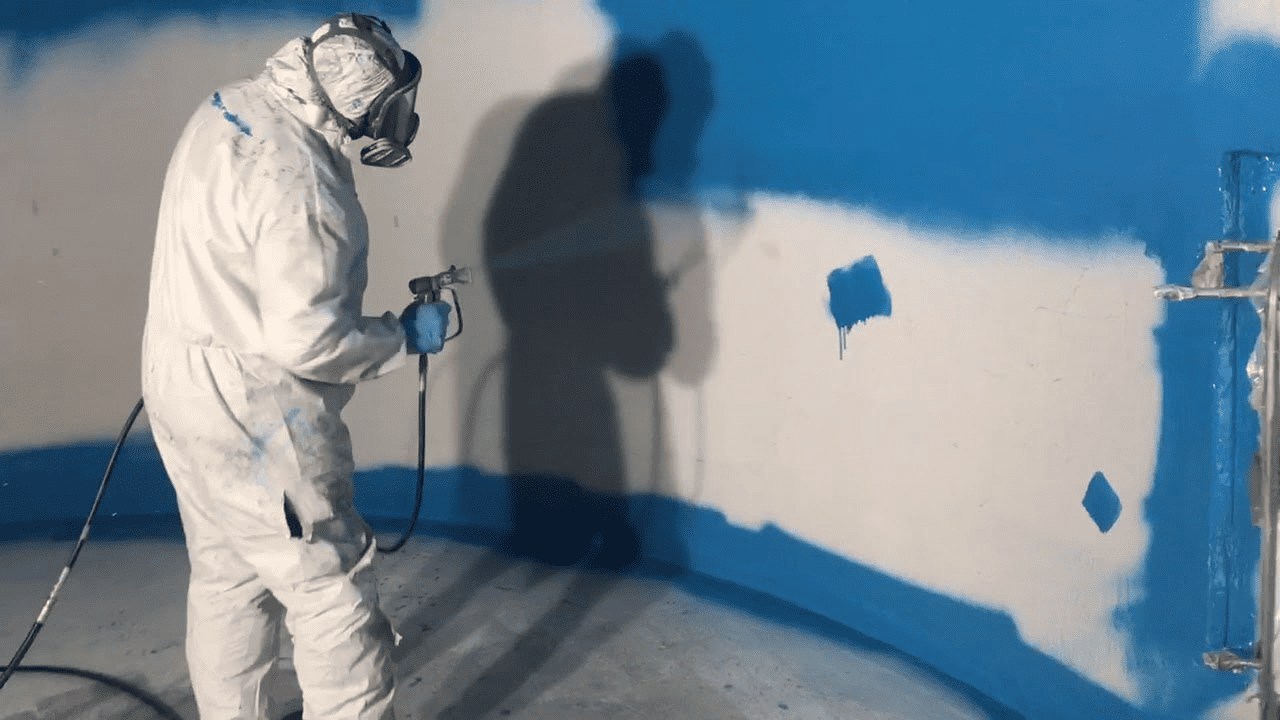

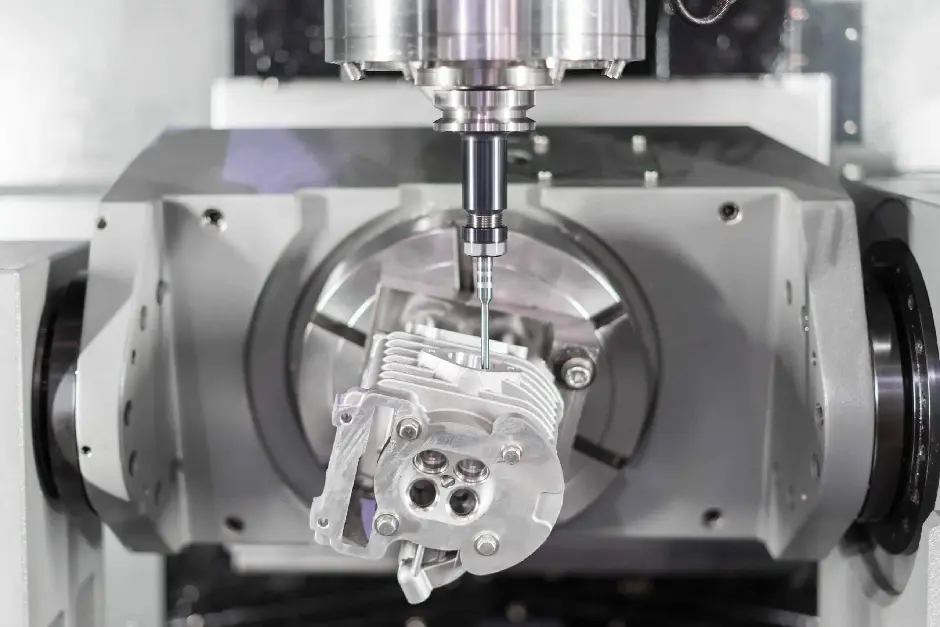
When buyers compare CNC machining suppliers, they usually start with tolerances, material options, and lead time. That makes sense, but it misses a critical part of the performance: surface finishing. The final finish often decides whether a part seals correctly, resists corrosion, handles repeated motion, meets medical cleanliness expectations, or delivers the premium appearance a customer expects. Surface finish is not just a visual detail after machining. In many applications, it is a functional engineering requirement.
This is why choosing the right high precision surface finishing process matters. The best option depends on the part’s material, geometry, end use, target roughness, and inspection standard. Grinding is commonly selected when tight dimensional control and consistent texture matter. Lapping is used when flatness and fine finish are critical. Mechanical polishing improves appearance and can refine contact surfaces. Electropolishing is widely used on stainless steel parts that need improved cleanliness and corrosion resistance. Anodizing, passivation, plating, and bead blasting each solve different problems and should be chosen based on application rather than habit.
What is high-precision surface finishing in CNC machining
High precision surface finishing includes the post machining steps used to improve the surface condition of a part after milling, turning, boring, or grinding. Depending on the application, these steps may target roughness, flatness, parallelism, corrosion resistance, cleanliness, reflectivity, wear behavior, or appearance. In other words, the machining process creates the geometry, while the finishing process helps the part reach its final functional state.
It is also important to separate the three terms that buyers often mix together. Surface finish is the overall result on the part surface. Surface roughness is the measurable texture, often described using parameters such as Ra or Rz. Coatings and conversion layers, such as anodizing or plating add protection, appearance, or conductivity, but they are not the same thing as texture control. Renishaw notes that surface texture includes roughness, waviness, and lay, while surface finish usually refers mainly to the roughness aspect.
Precision buyers care about this distinction because surface condition directly affects sealing faces, bearing seats, sliding interfaces, tight fits, visible consumer parts, and sanitary stainless components. SKF also notes that the texture of bearing seats affects smoothing and therefore influences whether the intended fit is actually achieved in service.
Why surface finish matters more than many buyers realize
A fine finish is not automatically the best finish. The correct finish is the one that supports the function of the part. In rotating assemblies, surface texture influences fit behavior and wear. In sealing systems, a poor mating surface can drive leakage. In stainless medical or clean process components, microscopic irregularities can create contamination traps. In visible housings, the finish shapes how customers judge quality before the product is ever used.
Wrong finish decisions create two kinds of cost. Over specifying finish can add grinding, lapping, polishing, inspection, and handling steps that were never needed. Under specifying finish can be worse because it may lead to leakage, unstable fits, rejected appearance, coating problems, or shortened service life. NSK warns that poor fit conditions can lead to creep, wear, heat, and damage at bearing interfaces. NASA’s cryogenic valve work shows how sealing surface performance can become a mission level issue when leakage control is critical.
Buyer takeaway: smoother is not always better. Machine Design notes that in some plain bearing shaft applications, surfaces that are too smooth can actually increase adhesion and friction, while overly rough surfaces increase abrasion. The right finish must match the tribology, fit, and environment of the application.
Main high-precision surface finishing techniques compared
Precision grinding
Grinding is one of the most reliable ways to produce consistent dimensional control and a refined finish on cylindrical or flat precision surfaces. It is widely used for shafts, bearing seats, raceways, hardened steels, and tool components. NSK states that grinding of bearing ring surfaces creates precision, while superfinishing is used to further reduce roughness. SKF likewise treats ground seats as the normal assumption for many shaft seat recommendations.
The main advantage of grinding is control. It is especially strong when a part needs both dimensional accuracy and a repeatable working surface. Its limitation is geometry. It is less flexible than some other methods for complex internal features or awkward three-dimensional forms.
Lapping
Lapping is used when flatness, fine finish, and tight parallelism are more important than simple material removal speed. Stahli explains that lapping can achieve very high accuracy and cites practical examples around 0.1 micron flatness and 0.1 micron Ra in controlled conditions. It also notes that the flatness of the working plate is copied onto the workpiece, which is why the process is so valuable for sealing faces and ultra flat parts.
This makes lapping a strong choice for valve seats, sealing faces, optical supports, ceramic components, and semiconductor-related precision parts. Its limitation is cost and speed. It is slower and more specialized than standard machining or grinding, so it should be used where the function truly justifies it.
Mechanical polishing
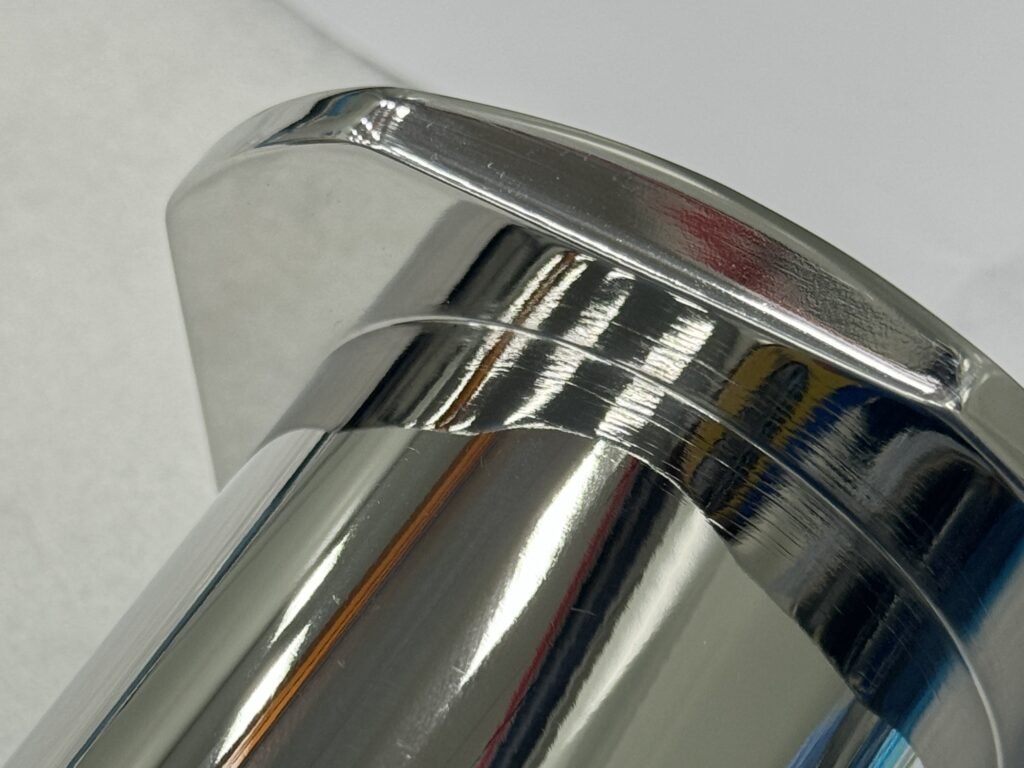
Mechanical polishing uses abrasives to reduce peaks, improve reflectivity, and create a more uniform or decorative appearance. It is common on visible metal parts, molds, and low-friction contact surfaces. It can also be combined with earlier steps, such as grinding or lapping, to refine the final finish.
The benefit is flexibility. The limitation is process control. Polishing can round edges or change small features if it is not carefully managed, which is why it should not be treated as a purely cosmetic afterthought on precision parts.
Electropolishing
Electropolishing is an electrochemical finishing process that removes a controlled microscopic layer of metal. Electropolishing Systems describes it as a way to create a corrosion resistant, bright surface and notes that it is widely used on stainless steel as well as some exotic metals. Medical Design Briefs also describes electropolishing as a finish of choice for many medical device components because it improves finish, micro deburrs, and supports corrosion resistance.
Electropolishing is especially valuable for stainless parts in medical, bioprocessing, semiconductor, and sanitary service. Its limitation is that it is material-specific and not ideal for every alloy or geometry.
Passivation
Passivation is not a roughness reduction method in the same way as grinding, lapping, or electropolishing are. Instead, it is a chemical treatment used mainly on stainless steel to remove free iron and support a stable passive layer. Best Technology explains that passivation adds corrosion resistance through controlled chemical treatment, and its case studies show it is used after machining and laser marking on medical parts made from 17-4, 304, and 316 stainless.
This is why passivation is often paired with a texture refining process rather than replacing one.
Anodizing
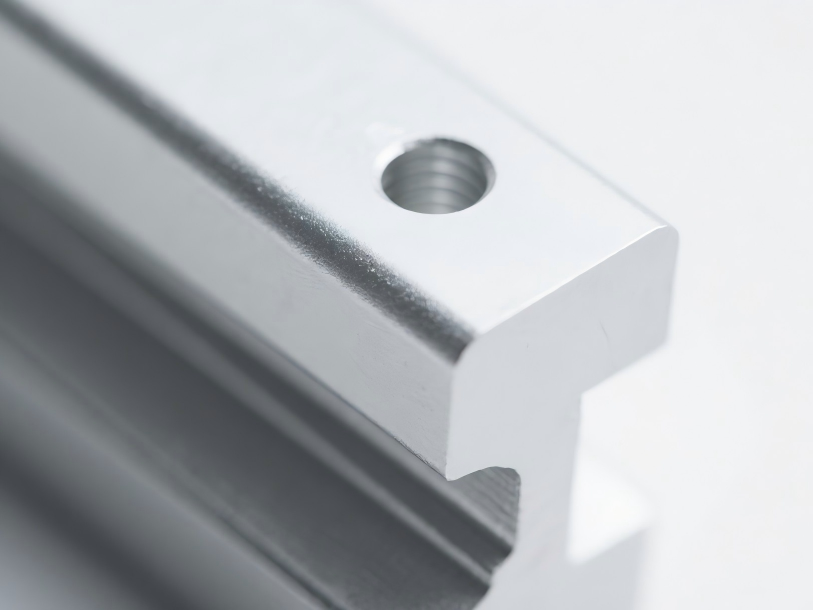
Anodizing creates a controlled oxide layer on aluminum. It is commonly chosen for electronics housings, lightweight industrial parts, and aerospace aluminum components when corrosion resistance, wear resistance, color, or a premium surface appearance is needed. Electropolishing Systems lists clear, color, and hard anodize options under MIL-A-8625 on its capabilities page, which reflects how widely anodizing is used as a functional and cosmetic finish in aluminum manufacturing.
The limitation is that anodizing adds thickness and does not replace precision texture control where ultra fine flatness or roughness is required.
Bead blasting and specialty coatings
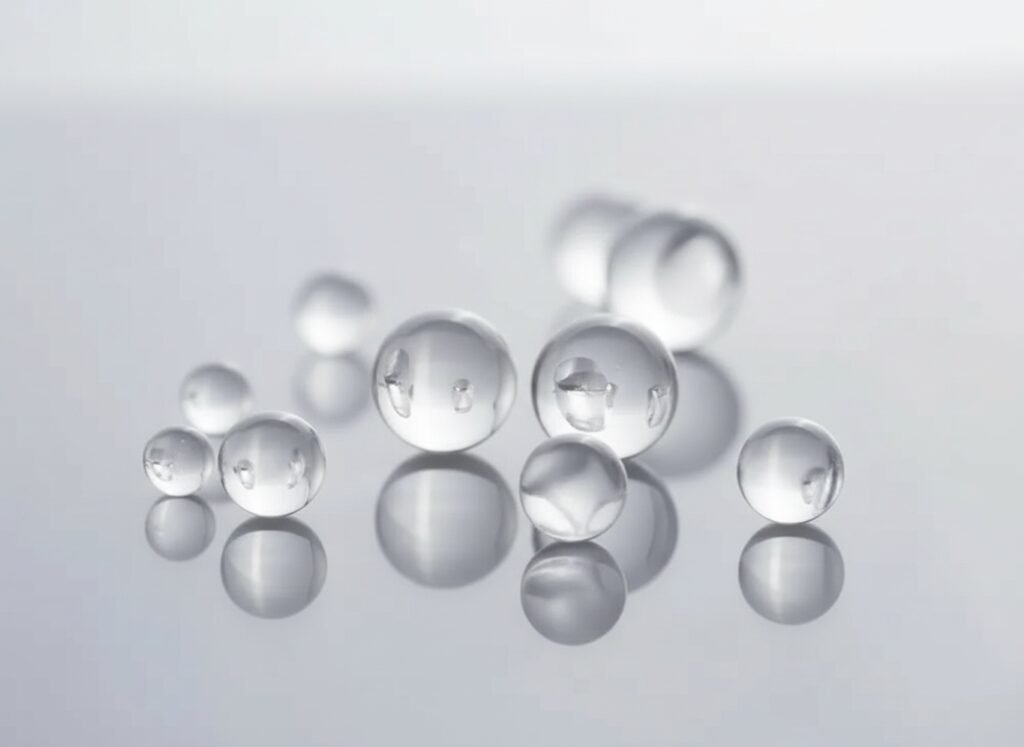
Bead blasting creates a uniform matte texture and helps hide light machining marks, making it popular for visible housings and non critical cosmetic surfaces. It can be very effective when followed by anodizing on aluminum. Plating and specialty coatings are used where corrosion resistance, conductivity, wear, or decorative appearance are the priority. The key is to remember that these are application-driven choices, not universal upgrades.
Comparison
| Technique | Primary goal | Best for | Main strength | Main limitation |
| Grinding | Tight tolerance and controlled finish | Shafts, bearing fits, hardened parts | Strong dimensional control | Less suited to complex geometry |
| Lapping | Ultra flatness and fine finish | Smoother and better-looking surfaces | Exceptional flatness | Slower and more specialized |
| Mechanical polishing | Clean, bright, corrosion-resistant surface | Visible parts, molds, refined contact areas | Cosmetic and tactile improvement | Can alter edges if uncontrolled |
| Electropolishing | Corrosion resistance and microscopic smoothing | Stainless medical and sanitary parts | Not a true ultra-precision finish | Material and geometry dependent |
| Passivation | Corrosion protection | Functional stainless parts | Minimal dimensional change | Little direct roughness change |
| Anodizing | Protection and appearance | Aluminum housings and lightweight parts | Corrosion resistance and color options | Adds layer thickness |
| Bead blasting | Uniform matte texture | Cosmetic surfaces | Consistent appearance | Not a true ultra precision finish |
The table above is a practical guide, but the final choice should still be based on the drawing, functional surface, and inspection requirements.
Understanding surface roughness before you specify a finish
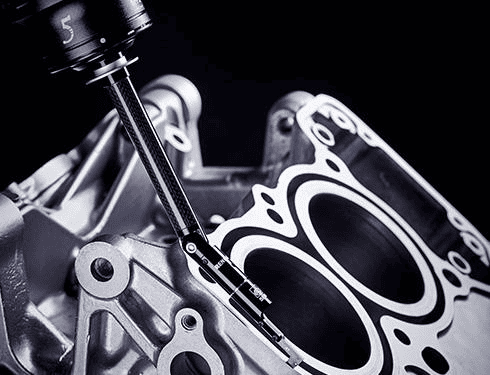
Image Source: SFP2 surface finish probe for the REVO® system
Most buyers will encounter Ra, and many engineers will also consider Rz depending on the function and standard. Renishaw explains that roughness measurement is only one part of surface texture analysis, and that lay, waviness, and measurement direction also matter. This is why a finish callout should never be written in isolation from the actual working surface.
Measurement method matters too. Surface finish inspection has traditionally required handheld sensors or separate dedicated equipment, but Renishaw notes that automated CMM based inspection is now also used for integrated reporting. In practical terms, that means precision suppliers should define where the measurement is taken, in what direction, on what cutoff, and on which surface. Blanket finish requirements across all faces usually increase cost without improving performance.
Engineering tip: specify finish by function. Call out the sealing face, sliding surface, bearing seat, or cosmetic face instead of applying the same Ra target to the whole part.
How to choose the right finish for your application
If dimensional accuracy is the priority, grinding and in some cases lapping are usually the best starting points. SKF and NSK both connect seat quality and fit reliability to appropriate surface texture and geometry.
If corrosion resistance is the priority, the answer depends on the material. Stainless parts often use passivation or electropolishing. Aluminum parts often use anodizing. Where conductivity, wear, or special appearance is needed, engineered plating may be more appropriate.
If cosmetic appeal is the priority, polishing, bead blasting, brushed finishes, and anodized color finishes are common choices. Apple’s product materials pages repeatedly highlight the role of precision aluminum enclosures and anodized aluminum surfaces in premium consumer products, which is one reason cosmetic aluminum finishing remains such a major CNC market segment.
If the part is medical or sanitary stainless steel, electropolishing plus passivation is often the stronger route because it combines improved microscopic smoothness with improved corrosion resistance.
If the part relies on leak tight flat mating surfaces, lapping or controlled grinding should be evaluated early. NASA’s low leakage cryogenic valve research shows how sealing surface quality becomes critical when leakage must be minimized under demanding conditions.
Professional practical cases with real-world references
Aerospace sealing surfaces
NASA’s work on low leakage cryogenic valves highlights a real engineering problem: internal leakage occurs when sealing surfaces do not create a sufficiently tight seal. NASA reported improved internal leakage performance by orders of magnitude in testing of its low leakage valve concepts. This is not a simple “better-looking finish” story. It is a reminder that mating surface quality directly affects whether a system works at all. In a blog for your buyers, this is a strong example of why flatness and sealing face finishing deserve special attention in aerospace, cryogenic, and fluid control parts.
Stainless medical parts after machining
Best Technology’s passivation case studies show real stainless medical parts being cleaned and passivated after machining and laser marking, including 17 4, 304, and 316 grades. Medical Design Briefs also notes that electropolishing is often selected when manufacturers want micro deburring, improved finish, and corrosion resistance. Together, these sources reflect a common real world process chain for medical stainless components: machine first, refine the surface if needed, then use passivation or electropolishing to support corrosion resistance and cleanliness.
Precision shafts and bearing seats
SKF states that the surface texture of a bearing seat should be limited to secure the required fit, and its recommendations assume ground shaft seats in many cases. NSK similarly warns that if the fit is reduced by roughness or operating effects, clearance can develop and damage can follow. This makes precision grinding a practical, real example rather than a textbook one. For shafts, spindles, and bearing fits, finishing is tied directly to performance stability and wear risk.
Premium aluminum housings
Apple’s public product materials pages describe precision aluminum unibody enclosures and anodized aluminum surfaces across major consumer devices. That does not mean every CNC housing should copy a consumer electronics finish, but it is a real market example of why bead blasting, controlled machining marks, and anodizing matter so much in commercial products. The finish becomes part of the brand experience.
Flat and optical support components
ZEISS and Stahli both point to lapping and polishing as essential methods where high specification optical and ultra flat surfaces are required. ZEISS describes precision optical manufacturing and coating work as dependent on very demanding surface requirements, while Stahli explains how lapping can produce fine surfaces with high flatness. For ceramic supports, optical mounts, and semiconductor related flat parts, lapping remains one of the most credible process choices available.
Real Surface Finishing Examples from BCCNCMilling
Example 1: Semiconductor square vacuum chamber
For semiconductor applications, a square vacuum chamber requires more than dimensional accuracy. Surface cleanliness and finish consistency matter because contamination control is critical. On BCCNCMilling, this type of part is shown with ultrasonic cleaning, which is a practical example of how post machining finishing supports performance in precision industries.
Example 2: Electronic component part with anode surface
Anodized electronic parts show how aluminum components can combine corrosion resistance with a clean, professional appearance. This is a useful example when discussing cosmetic and protective finishing for electronics housings and related precision components.
Example 3: Motorcycle brake caliper with sandblasted finish
A motorcycle brake caliper is a good real world example of why finish selection is not only about looks. Sandblasting can improve the uniformity of the visible surface while supporting the final coated appearance of the component.
Example 4: Injection moulding component with polished finish
Polished mould related parts demonstrate where mechanical polishing matters for smoother surfaces, refined appearance, and better functional contact in tooling applications.
Common mistakes when specifying surface finish
One common mistake is asking for the smoothest possible finish without knowing what the part actually does. Another is forgetting that coatings and anodizing change dimensions. A third is assuming all stainless parts need electropolishing when some only need passivation, or assuming all aluminum parts need anodizing when some working surfaces need tighter texture control first. The last major mistake is not specifying how the finish will be measured. If the inspection method, surface location, and acceptance criteria are not defined, disputes can happen even when both sides think they followed the drawing.
Which surface finishing technique is best for CNC machining
There is no single best high precision surface finishing technique for CNC machining. Grinding is strong for dimensional precision and consistent working surfaces. Lapping is best when ultra flatness or fine sealing contact matters. Mechanical polishing helps when cosmetic refinement or smoother contact is needed. Electropolishing is often the strongest option for stainless parts that need improved cleanliness and corrosion performance. Passivation protects stainless steel without major dimensional change. Anodizing is ideal when aluminum parts need protection and appearance. The right answer depends on material, function, target roughness, and production requirements.
Conclusion
Comparing high precision surface finishing in CNC machining is not about ranking one process above all others. It is about matching the finish to the job the part must do. In real production, the best results come from thinking about machining, finishing, inspection, and end use together. That is how manufacturers reduce leakage, protect fits, improve corrosion resistance, and deliver the right appearance without overspending on unnecessary post-processing.
If your part requires controlled roughness, dependable finishing quality, and application-specific process planning, the smartest move is to work with a CNC supplier that can review the drawing, identify the truly critical surfaces, recommend the right finishing route, and verify the result before shipment.
FAQ
What is the best surface finish for precision CNC parts?
The best finish depends on the function. Grinding is common for precision fits, lapping for ultra flat faces, electropolishing for sanitary stainless, and anodizing for aluminum protection and appearance.
What is the difference between grinding and lapping?
Grinding is mainly used for accurate material removal and controlled working surfaces. Lapping is a more specialized finishing process used to achieve a very fine finish and flatness.
Is electropolishing better than mechanical polishing?
Not always. Electropolishing is stronger for stainless cleanliness and corrosion performance. Mechanical polishing is often stronger for appearance control and some tactile finishes.
Does anodizing improve surface smoothness?
Anodizing mainly adds a protective oxide layer and appearance options. It does not replace grinding, lapping, or polishing when precise roughness control is required.
What surface finish is best for stainless steel CNC parts?
For general corrosion protection, passivation may be enough. For sanitary, medical, or ultra-clean stainless parts, electropolishing is often preferred.
How is surface roughness measured in CNC machining?
It is typically measured with profilometry or other metrology methods, and the result is reported as parameters such as Ra or Rz. Measurement direction and location matter.
Can tighter finish requirements increase cost?
Yes. Finer finish requirements may add machining time, secondary finishing, inspection, and handling. That is why the finish should be specified only where function requires it.
Which finish is best for cosmetic aluminum parts?
Bead blasting plus anodizing is a very common commercial combination for matte, uniform aluminum housings.
How do I specify surface finish on a CNC drawing?
Call out the critical surface, the roughness target, and ideally the measurement basis rather than assigning the same finish to every face.
When should I use passivation after machining?
Use passivation when stainless steel parts need improved corrosion resistance after machining, cleaning, or marking, especially in medical, food, marine, and industrial applications.