
How Five-Axis CNC Machining Simplifies the Production of Complex Components
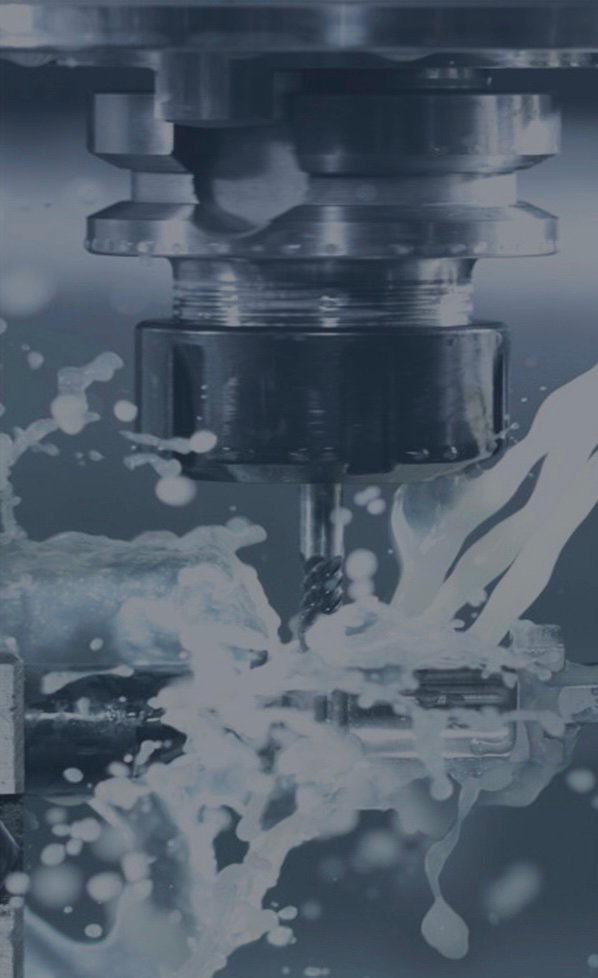
Five-axis CNC machining simplifies the production of complex components by allowing cutting tools to reach multiple surfaces and angled features with fewer setups. Manufacturing parts with curved profiles, deep cavities, and precise geometric details can be difficult with conventional machining methods. Each time a workpiece must be repositioned, manufacturers face additional setup time and a greater risk of alignment errors.
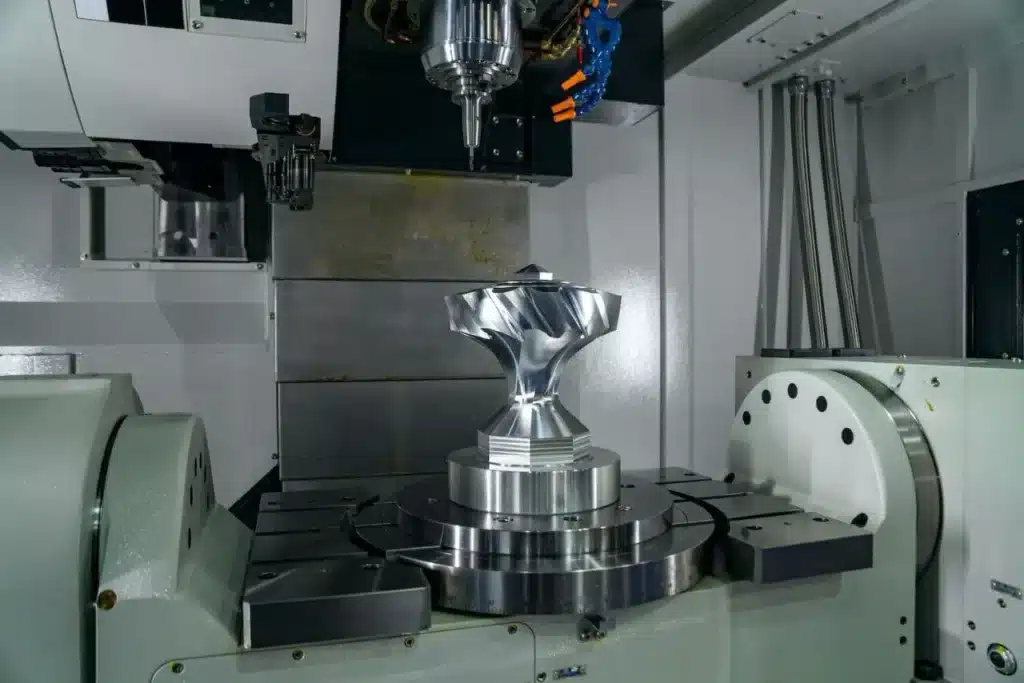
Five-axis CNC machines combine three linear axes, X, Y, and Z, with two rotational axes to machine components from different angles. This movement allows manufacturers to produce complex features in fewer operations while maintaining the dimensional relationships between machined surfaces. For industries such as aerospace, automotive, medical equipment, and marine engineering, this capability can improve production efficiency, support high accuracy, and reduce the need for repeated manual handling.
Understanding Five-Axis CNC Machining
Five-axis CNC machining uses five directions of movement to produce complex components with fewer tool repositioning steps. The machine moves the cutting tool or workpiece along three linear axes and rotates it around two additional axes. This combination allows the tool to reach angled surfaces, curved profiles, and features that are difficult to machine using conventional three-axis equipment.
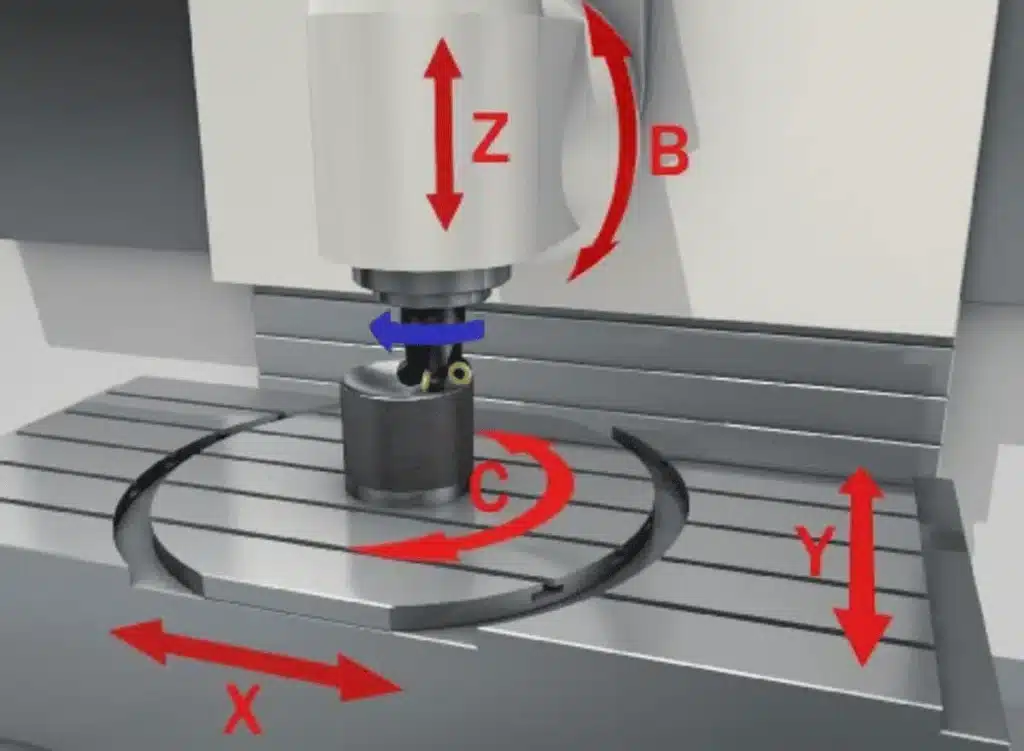
The Five Axes of Movement
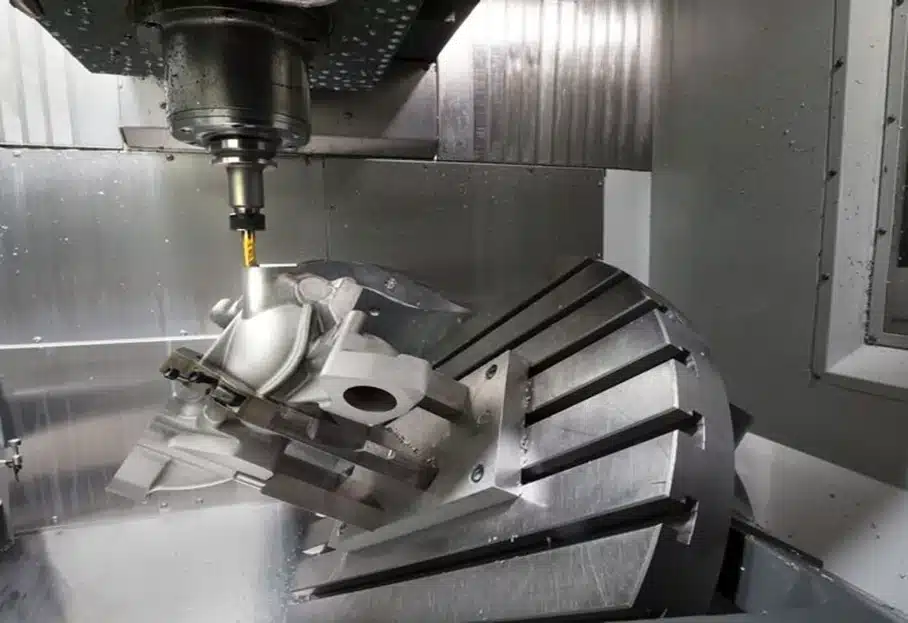
The five axes work together to control the position and angle of the cutting tool.
- X-axis: Moves the tool or workpiece from left to right.
- Y-axis: Controls movement from front to back.
- Z-axis: Moves the tool up and down.
- Two rotational axes: Tilt or rotate the tool or workpiece to reach different surfaces and cutting angles.
For example, when machining an aerospace bracket with holes on angled faces, a three-axis machine may require several setups to reach each surface. A five-axis machine can often access these features in fewer setups by rotating the tool or workpiece.
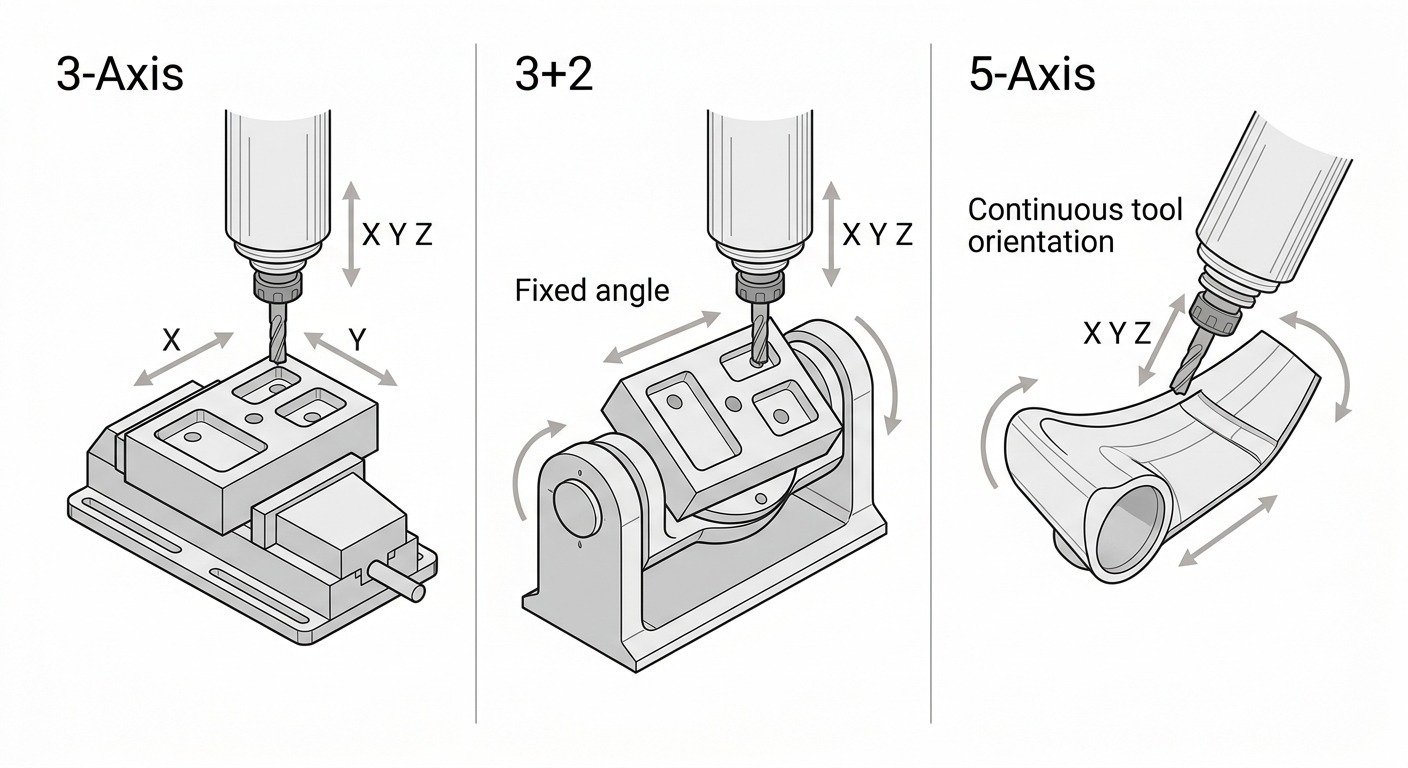
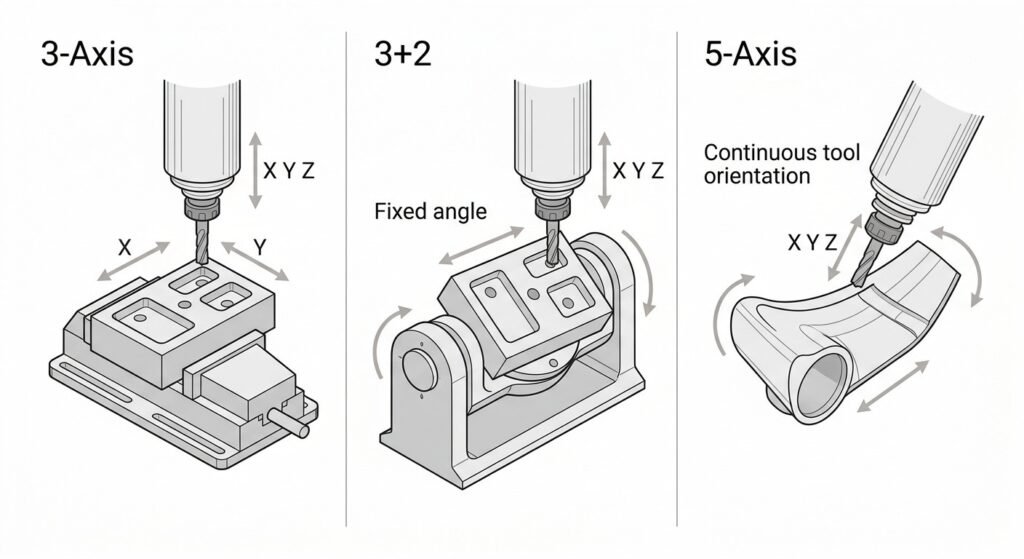
Three-Axis, Three-Plus-Two-Axis, and Simultaneous Five-Axis Machining
Although all three approaches use CNC control, they differ in how the machine moves during cutting.
| Machining method | How it works | Suitable applications |
|---|---|---|
| Three-axis machining | Moves along X, Y, and Z without rotating the tool or workpiece during cutting. | Flat surfaces, pockets, and simple prismatic parts. |
| Three-plus-two-axis machining | Positions the tool or workpiece at a fixed angle before machining begins. | Angled holes, inclined faces, and features on multiple sides. |
| Simultaneous five-axis machining | Coordinates all five axes during cutting. | Complex curves, turbine blades, impellers, and contoured surfaces. |
Three-plus-two-axis machining is useful when a component has several angled features but does not require continuous tool rotation during cutting. Simultaneous five-axis machining is better suited to parts with changing surface angles, such as turbine blades, where the tool must follow a complex three-dimensional path. The best method depends on the component's geometry, tolerance requirements, and machining strategy. [1]
Applications of Five-Axis CNC Machining
Five-axis machining is particularly useful when components have complex shapes or features on several sides. Common applications include:
- Aerospace components: Turbine blades, engine parts, and structural brackets with curved surfaces and angled features.
- Medical devices: Surgical instruments and implant components that require complex shapes and precise dimensions.
- Automotive parts: Engine components, moulds, and specialised parts with curved or angled surfaces.
- Marine components: Propellers, impellers, and other parts with curved blades that guide the flow of water.
- Industrial assemblies: Precision housings, dies, and moulds that require several features to align accurately.
For example, a marine impeller has several curved blades arranged around a central hub. Five-axis machining allows the cutting tool to follow the changing angles of these blades while maintaining access to the required surfaces. However, achieving the intended result still depends on suitable toolpaths, machine capabilities, and collision-free tool movement.
Reducing Setups and Simplifying Workholding
Five-axis CNC machining reduces the number of setups needed to produce many complex components. Instead of removing a workpiece from the machine and repositioning it for each new surface, manufacturers can often machine several sides in one setup. This reduces handling time and helps maintain the alignment between related features.
Why Complex Parts Require Multiple Setups
On a conventional three-axis machine, the cutting tool approaches the workpiece along three linear axes. Features on the top, sides, and angled faces may require the operator to reposition the part several times.
Each setup involves additional work, including:
- Repositioning the workpiece: The operator must turn or move the part to expose the next surface.
- Realigning the component: Each new position must be set accurately to maintain the required dimensions.
- Adjusting the workholding: Clamps, fixtures, or other supports may need to be changed to hold the part securely.
- Checking dimensions: Operators may need to measure features again to confirm that they align with previously machined surfaces.
For example, a precision housing with mounting holes on three sides may require several setups on a three-axis machine. Each repositioning creates another opportunity for alignment errors, especially when the holes must maintain precise relationships with one another.
Machining Multiple Surfaces in One Setup
Five-axis machining allows the tool or workpiece to rotate, providing access to several sides without removing the part from its original fixture. This is particularly useful for components with angled holes, inclined faces, and features arranged around a central body.
Consider an aerospace bracket with mounting holes on its top surface and two angled sides. A five-axis machine can often reach these features by changing the tool angle or rotating the workpiece. This reduces the need for separate fixtures and repeated alignment.
Fewer setups can also help preserve the relationship between features. When related holes and faces are machined without disturbing the workpiece, there is less risk of introducing positioning errors between operations. Research on five-axis machining also highlights the importance of tool orientation and machine movement in achieving accurate results on complex surfaces. [2]
How Fewer Setups Improve Production
Reducing setups can improve production in several ways:
- Less handling time: Operators spend less time removing, repositioning, and securing the workpiece.
- Fewer fixture changes: Manufacturers may need fewer specialised fixtures to machine different surfaces.
- Lower alignment risk: Keeping the part secured reduces the chance of errors caused by repeated mounting and recalibration.
- Shorter lead times: Fewer setup stages can help components move through production more quickly.
- Better consistency: Related features can be machined in the same coordinate system, helping maintain their dimensional relationships.
These benefits are especially useful when producing precision parts with several angled surfaces. Research into five-axis setup planning has shown that reducing the number of setups can lower auxiliary machining time and reduce errors caused by remounting and recalibration. [3]
When Multiple Setups Are Still Necessary
Five-axis machining does not eliminate every setup. The machine must still have enough clearance to reach each feature without the cutting tool, tool holder, workpiece, or machine components colliding.
Some components may also require additional setups because of their size, shape, or workholding requirements. For example, a large marine component may need to be repositioned if its underside cannot be reached safely in the original setup. Thin-walled parts may also require different support arrangements to prevent movement or deformation during cutting.
Manufacturers should therefore assess tool access, fixture design, and machine travel before deciding how many setups a component requires. Proper setup planning helps achieve the main benefit of five-axis machining: reducing unnecessary repositioning without compromising safety or accuracy.
Improving Accuracy and Surface Finish
Five-axis CNC machining can improve dimensional accuracy and surface finish by reducing workpiece repositioning and giving the cutting tool better access to complex surfaces. These advantages are especially useful for components with curved profiles, angled holes, and closely spaced features. However, the final quality also depends on machine condition, tool selection, programming, and inspection.
Maintaining Dimensional Accuracy
Every time a workpiece is removed and repositioned, small alignment errors can affect the relationship between its features. These errors may cause holes, slots, and mounting faces to fall outside the required tolerances.
Five-axis machining can reduce this risk by allowing several features to be machined while the workpiece remains secured in one setup. The machine can change the tool or workpiece angle without requiring the operator to remount the part for each surface.
For example, consider a precision housing with mounting holes on its top face and angled sides. If these features are machined in separate setups, small positioning differences may affect how the housing fits with other parts. Machining them in one setup can help maintain their relative positions and reduce the need for corrective work. [4]
Choosing the Right Tool Angle
The angle of the cutting tool affects how it contacts the workpiece. Five-axis machining allows the tool to approach a surface from a suitable direction, which can improve cutting conditions and help maintain consistent results.
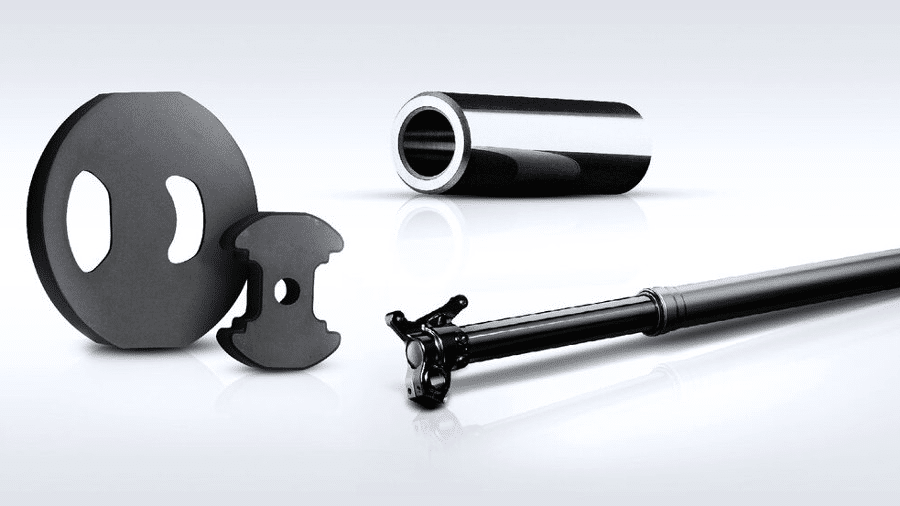
Five-axis machining for complex metal parts
This is particularly useful when machining curved surfaces or deep features. A tool that approaches a surface at a poor angle may have limited contact with the material or require a longer reach. By adjusting the tool orientation, programmers can often improve access and control the cutting process.
For example, when machining a curved turbine blade, the cutting tool must follow changing surface angles along the blade. Five-axis movement allows the tool to adjust its orientation as it follows the programmed path, helping produce the required shape without excessive repositioning.
Reducing Tool Deflection and Vibration
Long cutting tools can bend under cutting forces, especially when machining deep cavities or reaching narrow features. This deflection can affect dimensional accuracy and leave unwanted marks on the surface.
Five-axis machining can help by allowing the tool to approach a feature from a better angle. In suitable applications, this makes it possible to use a shorter cutting tool, which is often more rigid than a longer one. Research has shown that tool length and orientation affect tool deflection and cutting stability during five-axis machining. [5]
However, tool orientation alone cannot eliminate vibration. Cutting speed, feed rate, tool condition, workpiece rigidity, and machining strategy must also be considered.
Achieving a Better Surface Finish
Five-axis machining can improve surface finish by allowing the cutting tool to follow curved surfaces with a more suitable orientation. This helps maintain consistent contact between the tool and the workpiece, reducing unwanted marks caused by poor tool positioning.
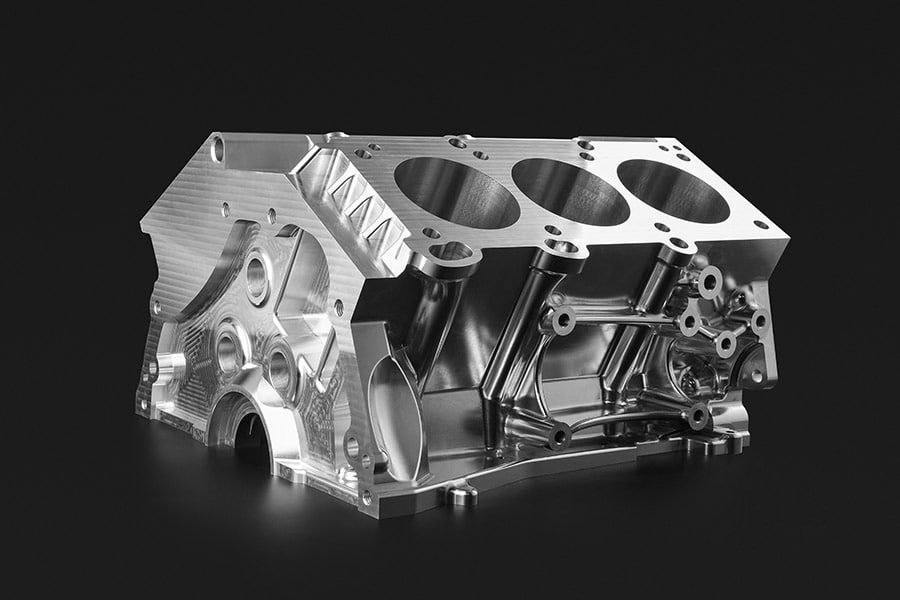
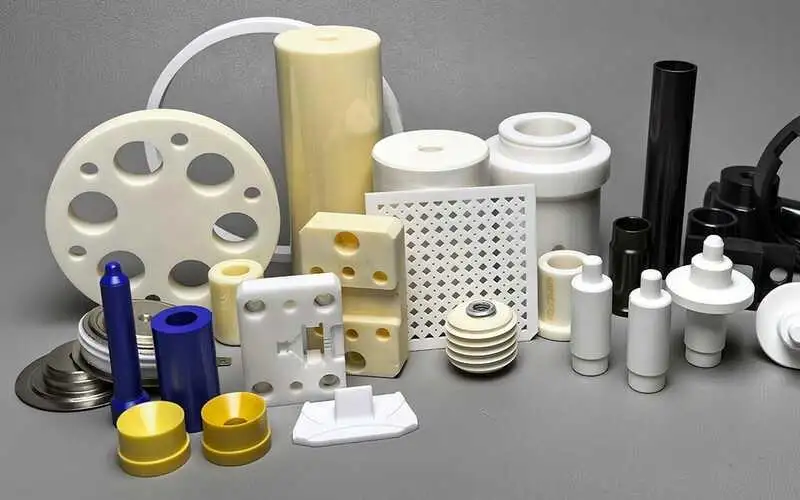
Five-axis machining for better surface finish
For example, a turbine blade has curved surfaces that change direction along its length. With five-axis machining, the tool can adjust its angle as it follows the blade's shape. This supports smoother machining and helps produce the required surface profile.
Research into five-axis tool orientation has also shown that controlling tool movement can reduce irregular surface textures. However, the final finish depends on the selected toolpath, cutting conditions, and machine performance. [6]
The Role of Programming and Inspection
Even a capable five-axis machine needs accurate programming and proper quality control. Manufacturers must check the toolpath, machine settings, and component dimensions to ensure the finished part meets the design requirements.
Several practices help maintain quality:
- CNC programming: Defines the cutting path, tool angle, and movement needed to machine each feature.
- Toolpath simulation: Helps identify potential collisions between the tool, workpiece, fixtures, and machine components before cutting begins.
- Machine calibration: Helps ensure that machine movements and rotational axes remain accurate.
- Dimensional inspection: Confirms that holes, surfaces, profiles, and other features meet the specified tolerances.
These steps are important because five-axis machining introduces complex tool movements that must be planned carefully. By combining suitable tool orientation with accurate programming and inspection, manufacturers can reduce rework, limit rejected components, and achieve consistent results.
Increasing Production Efficiency for Complex Components
Five-axis CNC machining improves production efficiency by reducing setup time, simplifying tool access, and combining several machining operations into fewer stages. However, the actual benefits depend on part complexity, production volume, and programming requirements.
Reducing Setup Time
Fewer setups mean less time spent repositioning workpieces, changing fixtures, and checking alignment. For example, a complex industrial housing with angled holes and pockets may require several setups on a three-axis machine but fewer on a five-axis machine.
Machining Complex Geometries
Five-axis machines can reach curved surfaces, deep cavities, and angled features that are difficult to machine with conventional equipment. Common applications include turbine blades, marine impellers, precision moulds, and aerospace brackets.
Using CAD/CAM Software
CAD/CAM software converts component designs into CNC toolpaths. Simulation helps programmers check tool movements and identify potential collisions before machining begins, reducing production risks.
Benefits Across Production Volumes
| Production type | Main benefit | Key consideration |
|---|---|---|
| Prototypes | Fewer fixture changes | Programming time |
| Custom parts | Reduced handling | Setup costs |
| Repeat production | Consistent machining | Tool life and cycle time |
Evaluating Costs and Limitations
Five-axis machines require higher investment, specialised software, and skilled operators. Manufacturers should compare these costs against potential savings in setup time, tooling, and rework. The process is most suitable when the component's geometry and production needs justify the additional expense.
Conclusion
Five-axis CNC machining simplifies complex component production by reducing setups, improving tool access, and helping maintain dimensional accuracy. It can also improve surface finish and reduce handling time when machining parts with curved profiles, angled features, and complex geometries. With proper programming, tooling, and inspection, manufacturers can reduce rework and produce consistent results.
However, five-axis machining is not the best choice for every component. Manufacturers should consider part geometry, tolerance requirements, production volume, and total machining costs before selecting a method. When the design justifies its use, five-axis CNC machining can simplify production while maintaining the quality and precision required for demanding applications.