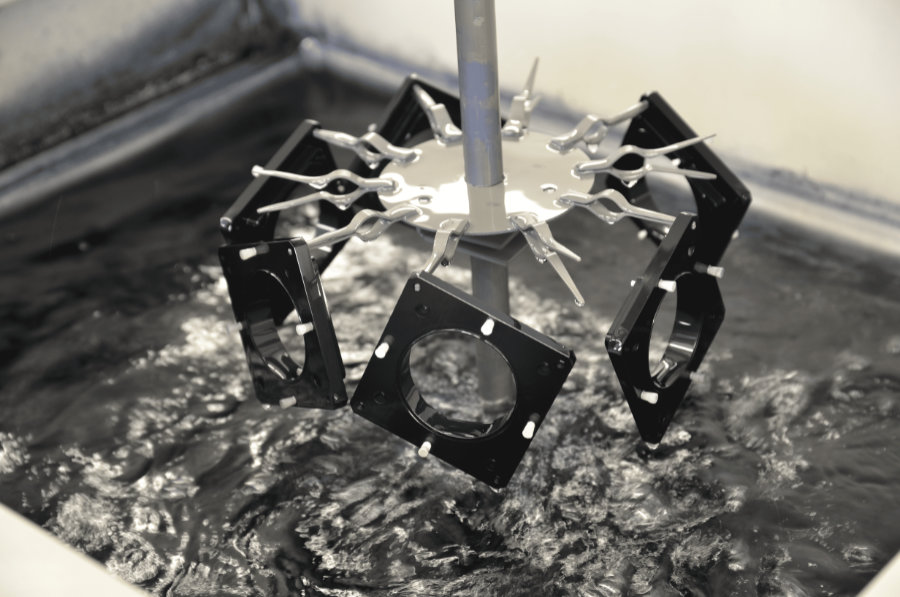

Propellers play a critical role in both marine and industrial systems by converting rotational energy into thrust. In ships, boats, and underwater vehicles, they enable forward movement by pushing water backward. In industrial settings, such as pumps and turbines, propellers help move fluids efficiently. Their performance directly affects speed, fuel consumption, and overall system reliability.
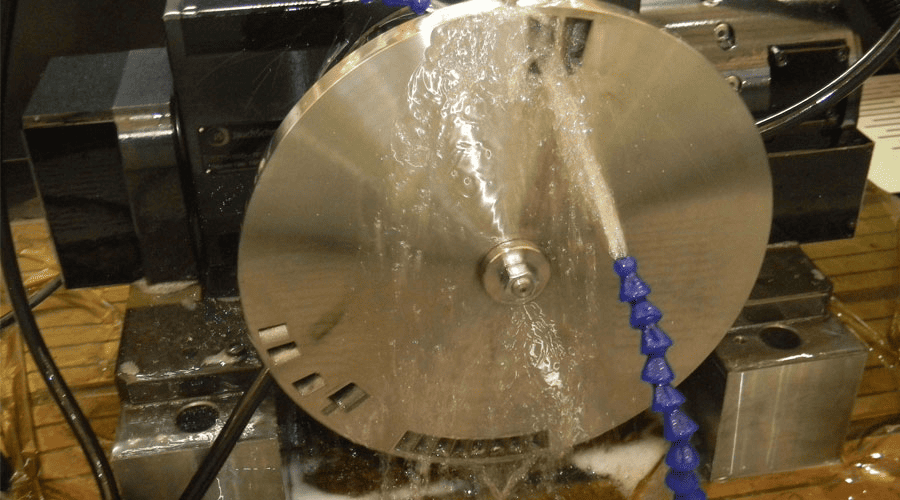
Marine Propeller Machining Process
CNC machining has transformed how propellers are designed and manufactured. Unlike traditional methods, it allows for precise control over shape, dimensions, and surface quality. This results in better efficiency, reduced vibration, and longer service life. This article explores how CNC machining improves propeller production, with a focus on material selection, key design elements, and the factors that influence performance.
Overview of CNC Machining for Propellers
CNC machining is a manufacturing process where computer-controlled cutting tools shape a material with high precision. In propeller production, it is used to create highly accurate blade forms that meet strict performance requirements. This method is especially important in industries where even small deviations can affect efficiency and balance.
Unlike traditional casting, which involves pouring molten metal into molds, CNC machining removes material from a solid block to achieve the final shape. This difference has a direct impact on quality and consistency.
Some key differences between casting and CNC machining are:
- Precision control is significantly higher in CNC machining
This allows manufacturers to maintain exact blade geometry, which is critical for smooth rotation and efficient thrust.
- Surface quality is cleaner and more consistent
Cast propellers often require extensive finishing, while CNC-machined surfaces are already closer to final smoothness.
- Design flexibility is greater with CNC methods
Engineers can test and produce complex blade shapes without being restricted by mold limitations.
CNC machining is widely used in high-performance applications. For example, marine manufacturers often rely on 5-axis CNC machines to produce custom yacht propellers. These propellers are designed with tight tolerances to improve speed, reduce vibration, and enhance fuel efficiency in real operating conditions.
Common Materials Used in CNC-Machined Propellers
Material selection plays a major role in how a propeller performs over time. It affects strength, corrosion resistance, weight, and overall efficiency. In CNC machining, choosing the right material also impacts how easily the blade can be shaped and finished to precise tolerances.
Different applications demand different material properties. A propeller used in saltwater conditions will need stronger corrosion resistance compared to one used in freshwater or industrial systems.
The most commonly used materials include:
- Bronze alloys
These are widely used in marine propellers because they resist corrosion well, especially in saltwater environments. They also offer good strength and durability, making them suitable for long-term use in commercial vessels.
For example, many fishing boats rely on bronze propellers since they perform reliably even with constant exposure to seawater.
- Stainless steel
This material is known for its high strength and resistance to deformation at high speeds. It is often used in performance boats where efficiency and speed are priorities.
A good example is racing boats, where stainless steel propellers help maintain stability under high RPM conditions.
- Aluminum
Aluminum propellers are lightweight and cost-effective. They are easier to machine and are often used in smaller boats or entry-level marine applications.
For instance, small recreational boats often use aluminum propellers for short trips and moderate loads.
- Composite materials
These are newer in propeller manufacturing and are gaining attention for their weight advantages and resistance to corrosion. While not as strong as metals in all conditions, they are useful in specialized applications where weight reduction is important.
Some modern drone marine systems and experimental vessels use composite propellers to improve energy efficiency.
Each material offers a different balance between cost, durability, and performance, which is why selection is closely tied to the intended operating environment.
Material Selection Criteria
Choosing the right material for a propeller is not just about strength or cost. It depends on how the propeller will be used, the environment it operates in, and the level of performance expected. Even small changes in material choice can affect efficiency, maintenance frequency, and long-term durability.
Engineers usually evaluate several practical factors before finalizing a material for CNC machining.
- Operating environment
Saltwater conditions demand strong corrosion resistance, while freshwater systems allow for more flexibility in material choice.
For example, offshore vessels working in seawater often avoid basic aluminum due to faster corrosion risks.
- Load and speed requirements
High-speed applications need materials that can handle stress without deformation. Lower-speed systems can prioritize durability and cost over extreme strength.
Racing boats, for instance, rely on materials that maintain rigidity at very high RPM levels.
- Resistance to cavitation and surface wear
Cavitation can damage propeller surfaces over time, especially in high-power systems. Stronger materials help reduce erosion and maintain efficiency for longer periods.
Large cargo ships often choose materials that can withstand long operational cycles without surface degradation.
- Cost and maintenance considerations
Some materials offer excellent performance but come with higher production and maintenance costs. Others provide a balanced approach suitable for commercial use.
Smaller fishing fleets often select bronze because it offers a good balance between durability and long service life with manageable maintenance needs.
Material selection in CNC-machined propellers is always a balance between performance needs and practical limitations. The right choice ensures stable operation and reduces long-term operational costs.
Key Design Elements of Propellers
Propeller design has a direct impact on how efficiently a vessel moves through water. Even small adjustments in blade geometry can change thrust levels, fuel consumption, and vibration behavior. CNC machining makes it possible to achieve these designs with high accuracy, which is essential for consistent performance.
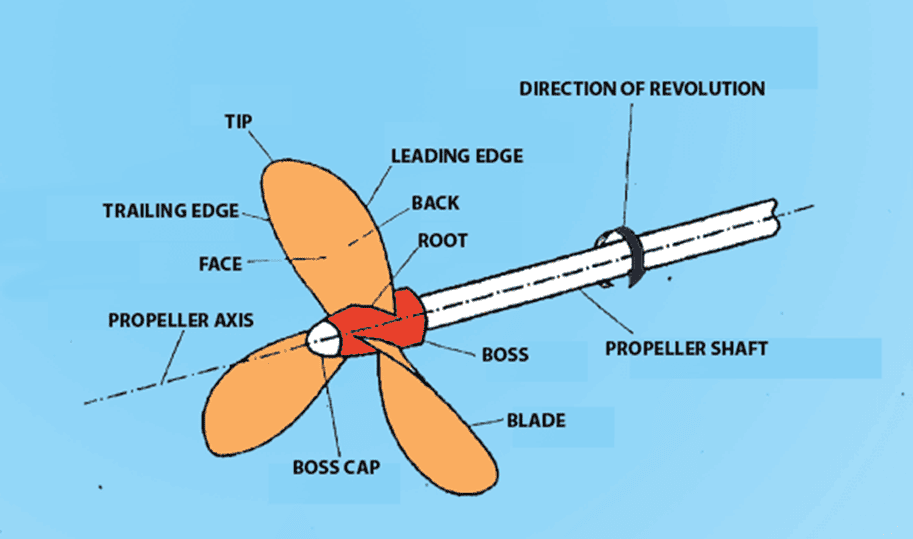
Several core design factors determine how a propeller behaves in real operating conditions:
- Diameter
Larger diameters move more water with each rotation, which improves efficiency at lower speeds. Smaller diameters are better suited for high-speed applications where quick rotation matters more than volume.
For example, cargo ships often use larger diameters to maintain steady movement with lower fuel usage.
- Pitch
Pitch refers to how far the propeller would move in one full rotation. A higher pitch supports higher speeds, while a lower pitch improves pulling power.
A tugboat typically uses a lower pitch design to generate strong thrust for pushing heavy loads.
- Number of blades
More blades create smoother operation and better stability, but can slightly reduce top speed. Fewer blades can improve speed but may increase vibration.
Many recreational boats use three-blade designs for a balance of speed and efficiency.
- Blade thickness and shape
Thicker blades provide strength but can increase drag. Thinner, more refined shapes improve efficiency but require stronger materials and precise manufacturing.
In modern yacht designs, carefully shaped blades are used to reduce resistance and improve fuel economy during long cruises.
Each of these design elements works together rather than independently. A well-balanced propeller design ensures smoother thrust, better fuel efficiency, and reduced mechanical stress on the propulsion system.
Role of CNC Machining in Precision Design
CNC machining plays an important role in turning propeller designs into accurate physical components. It allows engineers to move from digital models to finished blades with a high level of consistency. This precision is essential because propellers operate under continuous stress, and even minor errors in shape can affect performance.
Modern propeller designs often involve complex curves and subtle variations in blade geometry. CNC machines, especially multi-axis systems, make it possible to produce these shapes without compromising accuracy.
Key ways CNC machining improves precision design include:
- Tight control over blade geometry
CNC systems follow digital instructions with high accuracy, ensuring each blade matches the intended design. This consistency helps maintain balance during rotation.
For example, naval vessels rely on perfectly balanced propellers to avoid vibration that could affect onboard systems.
- Better control of tolerances
Small deviations in propeller shape can lead to inefficiency or noise. CNC machining reduces these variations, producing parts that stay within strict design limits.
This is especially important in high-speed boats where imbalance can quickly become noticeable.
- Improved vibration and noise reduction
Balanced and accurately shaped blades reduce unnecessary movement during operation. This leads to quieter and smoother performance.
Submarines and naval ships often use CNC-machined propellers to minimize noise signatures during operation.
- Ability to produce complex blade profiles
Advanced designs that improve efficiency or reduce drag can be manufactured more reliably with CNC systems. Traditional methods struggle with such precision.
Some modern research vessels use optimized blade shapes that are only achievable through CNC machining.
Through these capabilities, CNC machining not only improves manufacturing accuracy but also directly contributes to better operational stability and efficiency in real-world conditions.
Performance Factors Affecting Propeller Efficiency
Propeller performance is influenced by more than just shape or material. In real operating conditions, factors such as water flow, load demand, and rotational speed all interact with each other. CNC machining helps achieve consistent designs, but efficiency still depends on how well the propeller is matched to its application.
Understanding these performance factors is essential for improving thrust, reducing fuel use, and preventing long-term damage.
- Thrust generation
Thrust is the main force that moves a vessel forward. It depends on how effectively the propeller converts engine power into water movement.
For example, a well-designed cargo ship propeller can move large volumes of water slowly, creating steady forward motion with less fuel consumption.
- Cavitation effects
Cavitation occurs when pressure drops around the blade, forming bubbles that collapse and cause surface damage. This reduces efficiency over time.
High-speed vessels often face this issue if the propeller design is not optimized for pressure distribution.
- Efficiency versus speed balance
A propeller designed for maximum speed may not always be fuel-efficient. Engineers often need to balance speed requirements with energy consumption.
Passenger ferries, for instance, are usually designed to maintain moderate speeds while keeping fuel usage stable across long routes.
- Fuel consumption impact
Poorly matched propellers can force engines to work harder, increasing fuel usage. A properly designed propeller reduces engine load and improves overall efficiency.
Shipping companies often report noticeable fuel savings after upgrading to CNC-machined, optimized propeller designs.
- Interaction between design and material
Even a well-designed blade can underperform if the material is not suitable for its operating conditions. Strength, flexibility, and corrosion resistance all influence long-term efficiency.
Offshore supply vessels typically combine strong materials with optimized blade geometry to maintain performance in harsh environments.
These performance factors are closely connected, and small improvements in one area often lead to noticeable gains in overall system efficiency.
Surface Finishing and Post-Processing
After CNC machining, propellers still go through finishing and post-processing steps. These stages are important because surface quality directly affects how water flows over the blades. Even small imperfections can increase drag, noise, and fuel consumption over time.
A well-finished propeller performs more efficiently and lasts longer in demanding environments. This is why finishing is considered a key part of the production process rather than a final cosmetic step.
Common finishing and post-processing methods include:
- Polishing
Polishing smooths the blade surface and removes minor tool marks left from machining. A smoother surface reduces resistance in water and improves overall efficiency.
For example, commercial shipping vessels often use polished propellers to maintain consistent fuel performance during long voyages.
- Coating
Protective coatings help reduce corrosion and surface wear, especially in saltwater conditions. These coatings extend service life and maintain performance over time.
Offshore vessels operating in harsh marine environments frequently rely on anti-corrosion coatings to reduce maintenance downtime.
- Balancing
Even minor weight differences between blades can cause vibration during rotation. Balancing ensures that the propeller rotates evenly, improving stability and reducing mechanical stress.
High-speed ferries often undergo strict balancing checks to avoid vibration issues at higher RPM levels.
- Edge refinement
Blade edges are carefully refined to improve water flow and reduce turbulence. This step helps improve thrust efficiency and reduces noise during operation.
Naval vessels often prioritize refined edges to maintain smoother and quieter movement.
These finishing steps work together to ensure that the propeller performs efficiently under real operating conditions. Without proper post-processing, even a precisely machined propeller may underperform in the field.
Applications and Industry Use Cases
CNC-machined propellers are used across a wide range of industries where precision, reliability, and performance are important. Their ability to meet strict design requirements makes them suitable for both commercial and specialized applications.
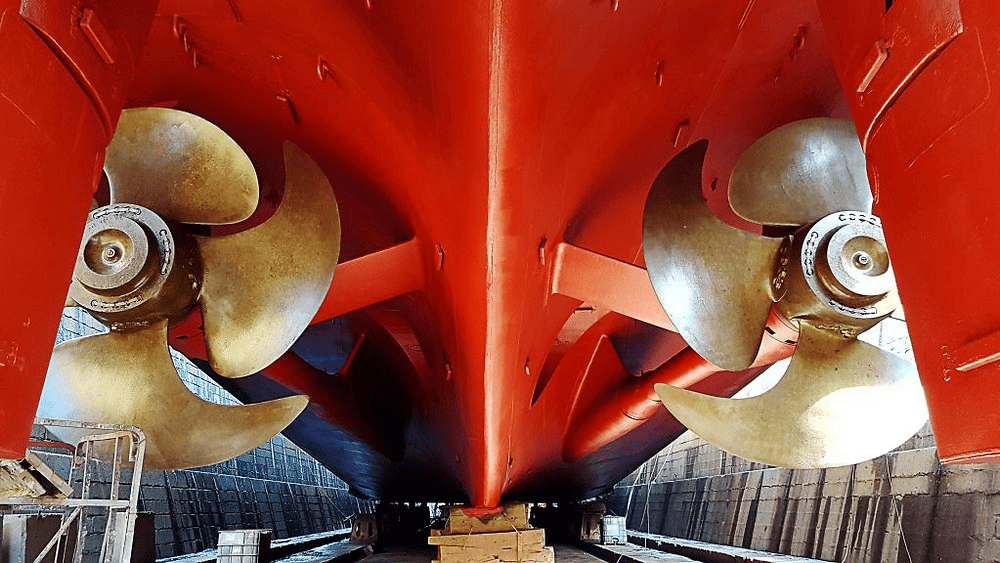
Different industries rely on propellers in different ways, depending on load conditions, operating environments, and efficiency goals.
- Commercial shipping
Large cargo vessels depend on durable and efficient propellers to move heavy loads across long distances. CNC machining helps ensure consistent performance and fuel efficiency.
For example, container ships operating on international routes often use custom-designed propellers to reduce fuel costs over extended voyages.
- Recreational boating
Speed, smooth handling, and quiet operation are key priorities in recreational vessels. CNC-machined propellers help achieve a balance between performance and comfort.
Many yacht owners choose CNC-designed propellers to improve cruising efficiency and reduce vibration during long trips.
- Naval defense
Military vessels require propellers that support both performance and stealth. Precision manufacturing helps reduce noise and improve operational control.
Submarines and patrol boats often rely on carefully engineered propellers to minimize acoustic signatures during missions.
- Industrial pumps and turbines
Outside marine applications, similar propeller designs are used in fluid movement systems. Accuracy in blade shape helps maintain steady flow and system efficiency.
For instance, industrial cooling systems use CNC-machined components to ensure consistent fluid circulation in large facilities.
Across these applications, CNC machining allows manufacturers to adapt propeller design to very specific operational needs. This level of customization improves reliability and ensures better long-term performance in demanding environments.
Challenges and Limitations in CNC-Machined Propellers
Even though CNC machining offers high precision and consistent quality, it is not without challenges. Propeller manufacturing still requires careful planning, skilled engineering, and cost considerations. In some cases, traditional methods or hybrid approaches may still be used depending on project requirements.
Understanding these limitations helps manufacturers choose the right production strategy for each application.
- High production cost
CNC machining requires advanced equipment, skilled operators, and longer machining time compared to casting. This can increase overall production costs, especially for large propellers.
For example, small boat manufacturers often avoid fully CNC-machined large propellers due to budget constraints and instead use cast designs with limited CNC finishing.
- Longer manufacturing time for complex designs
Highly detailed or large propeller blades can take significant time to machine, particularly when tight tolerances are required.
In offshore engineering projects, where large customized propellers are needed, production schedules are often planned well in advance to account for machining time.
- Material waste during machining
Since CNC machining removes material from a solid block, it can generate more waste compared to casting methods. This may not be ideal for very large components.
Some industrial manufacturers prefer hybrid methods to reduce material loss while still achieving precision in critical blade areas.
- Requirement for technical expertise
Designing and machining propellers requires a strong understanding of hydrodynamics and machining processes. Without proper expertise, even CNC systems cannot guarantee optimal performance.
Marine engineering firms often rely on specialized design teams to ensure propeller geometry matches real-world operating conditions.
- Size limitations of CNC equipment
Very large propellers may exceed the working capacity of standard CNC machines, requiring specialized setups or segmented production methods.
Shipbuilding industries sometimes use large-scale machining centers or combine multiple processes to handle oversized propeller designs.
These challenges do not reduce the value of CNC machining, but they highlight the importance of selecting the right method based on performance needs, budget, and production scale.
Conclusion
CNC machining has significantly improved how propellers are designed and manufactured, offering a higher level of accuracy and consistency compared to traditional methods. This precision directly supports better thrust, smoother operation, and improved energy efficiency across marine and industrial systems.
At the same time, material choice and design decisions remain just as important as the machining process itself. Whether it is bronze for corrosion resistance, stainless steel for strength, or carefully tuned blade geometry for performance, each factor works together to define the final outcome. When all these elements are aligned properly, propellers deliver reliable performance even in demanding operating conditions.